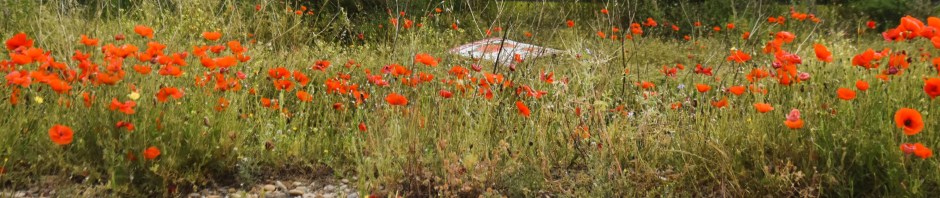
1st. A day of work and walking Cassidy, Oh! and cleaning the van.
2nd. Short 35k drive back into the foorhills of the Pyrenees to the medieval town of Mirepoix, where, as luck would have it, there was a brocante in process in the Market Square.
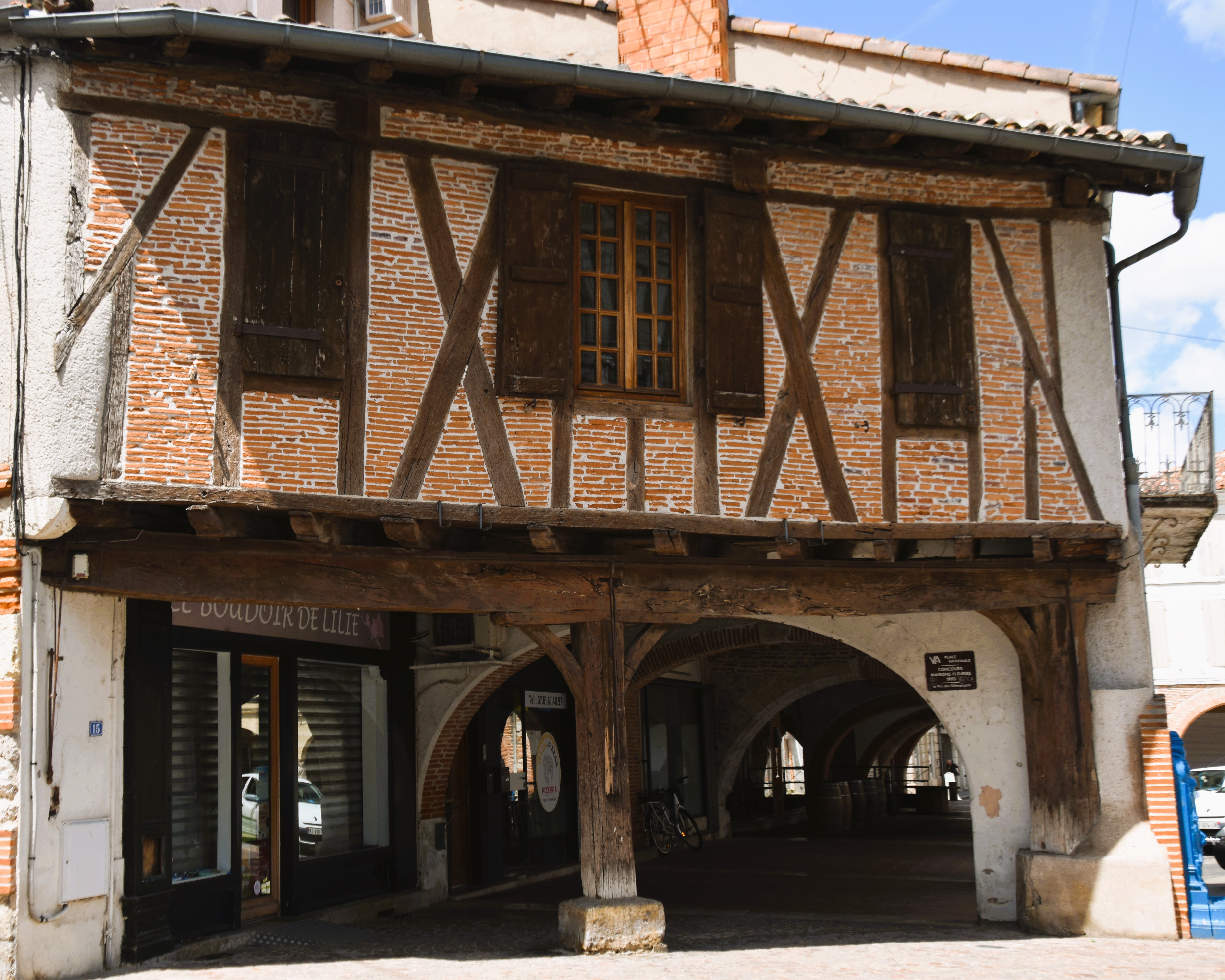
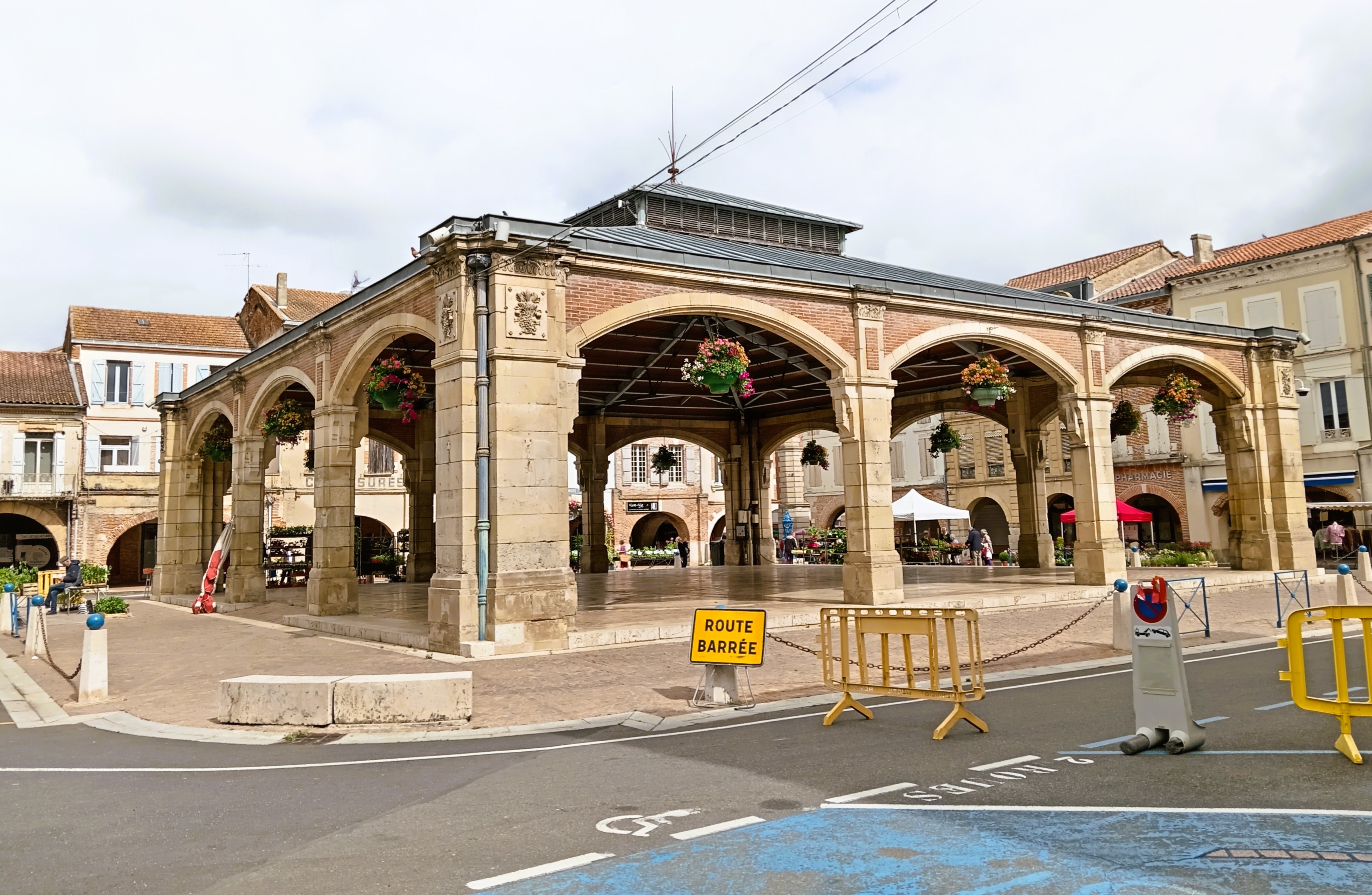
The square is bordered on all sides by Ancient arcades, surmounted by mostly half timbered buildings.

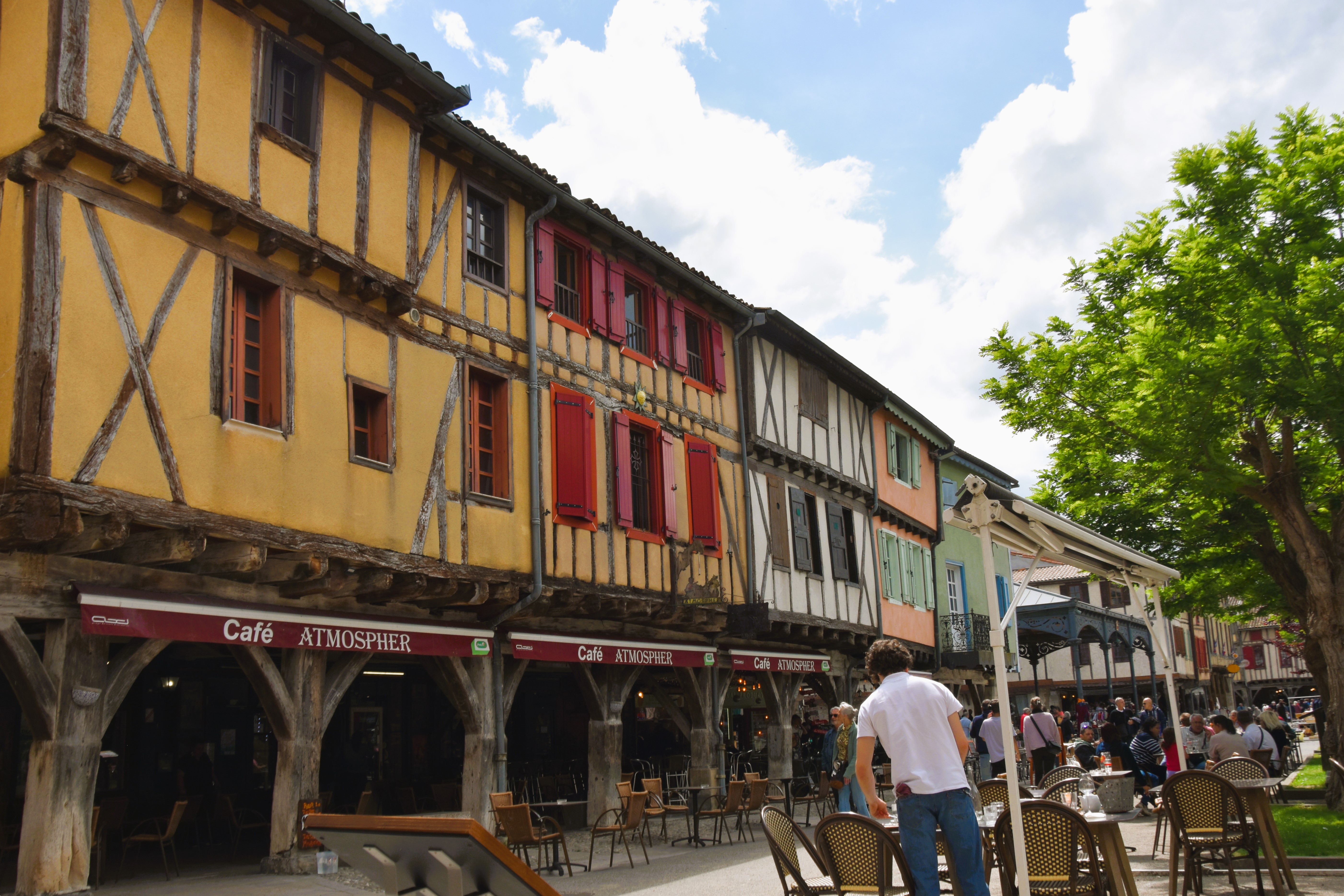
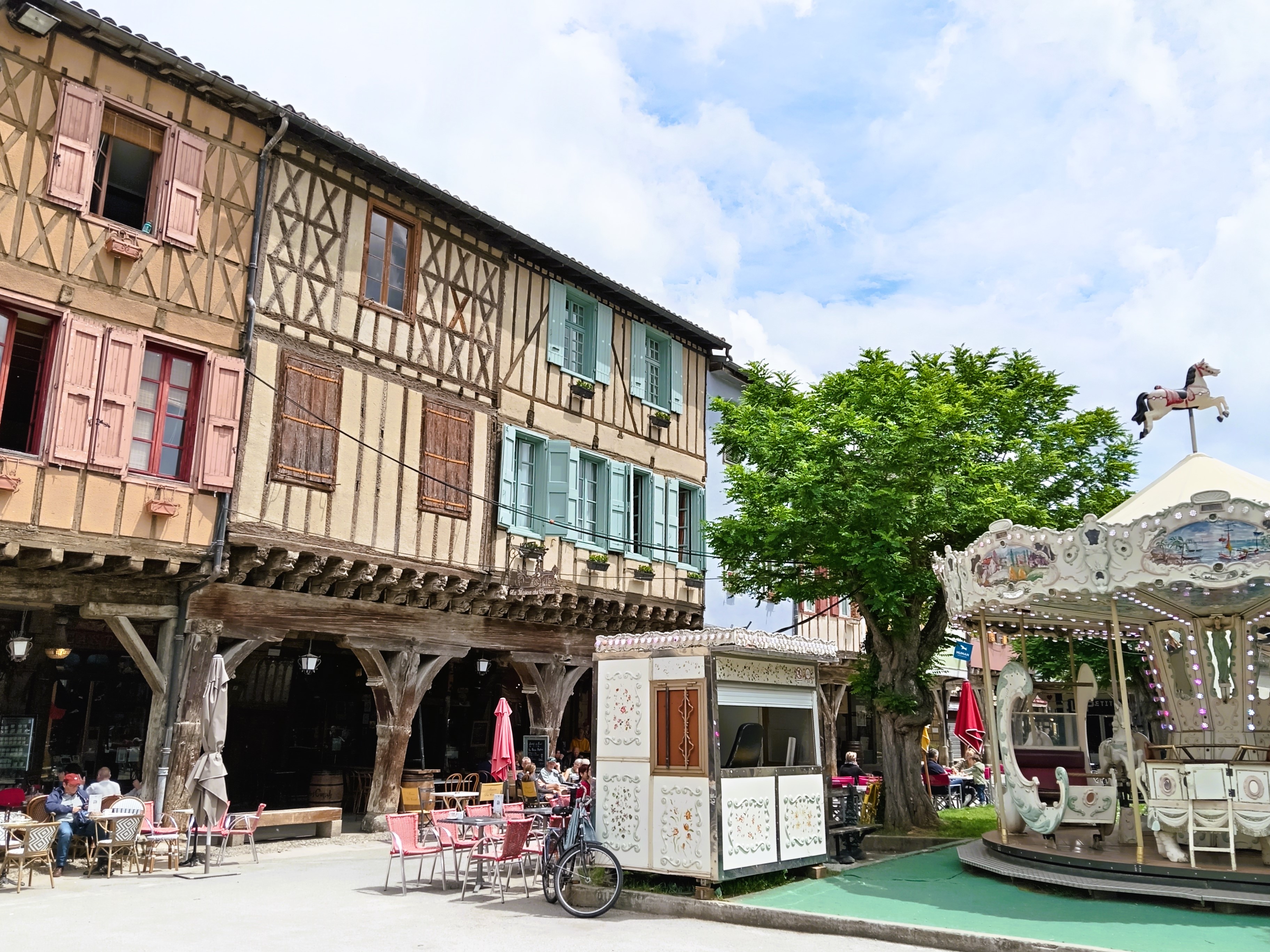
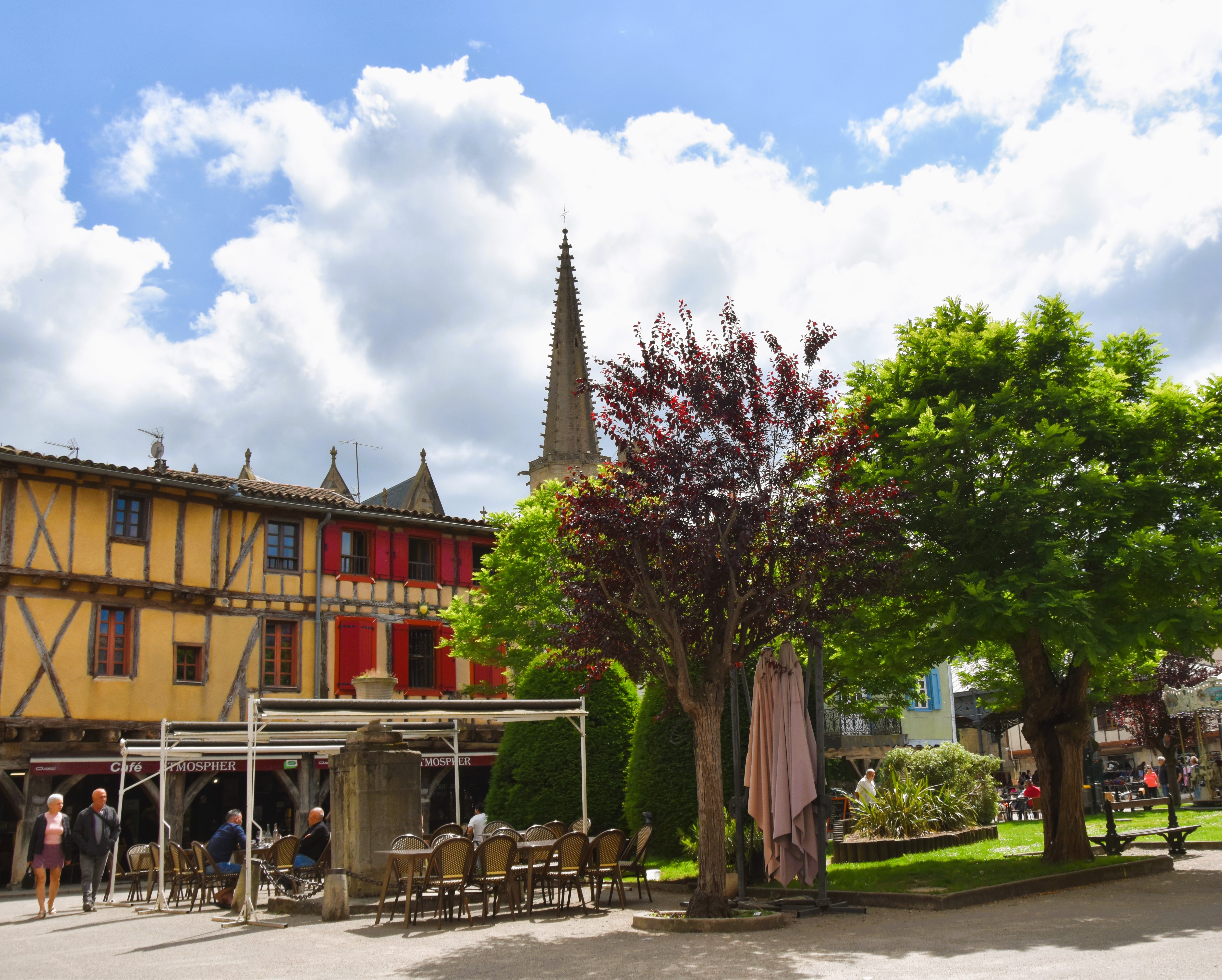
The covered market is later than the surrounding buildings but fits in quite well and provideds a good platform for the Brocante in full swing.
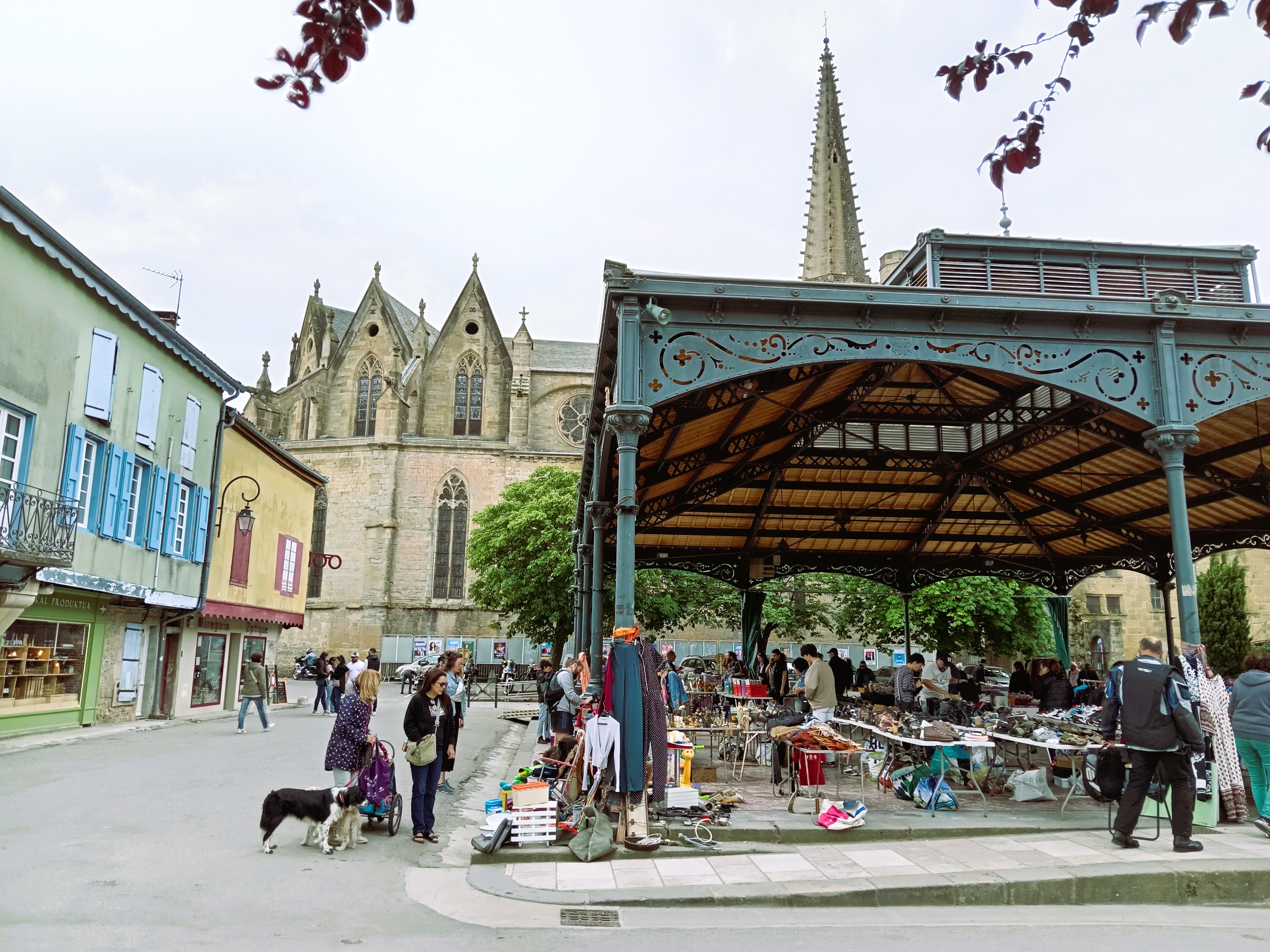

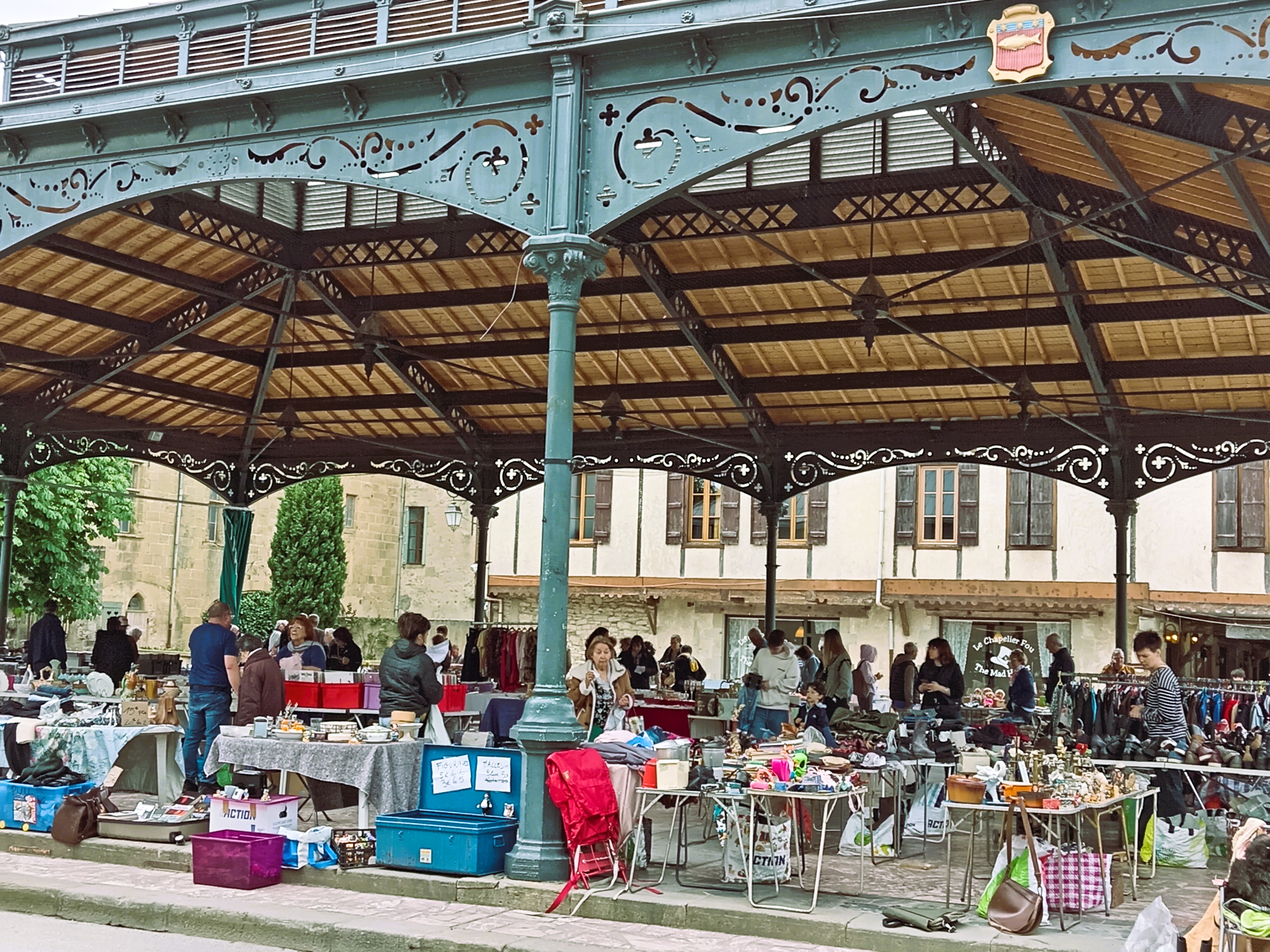
Even more modern additions like this shop sign and the butchers shop have been tastefully engineer to suit the environment,


Oh! the indignities a bear has to suffer!

The church dominates one side of the square and at the end of one street there is the inly remaining portal in a portion of the ramparts.
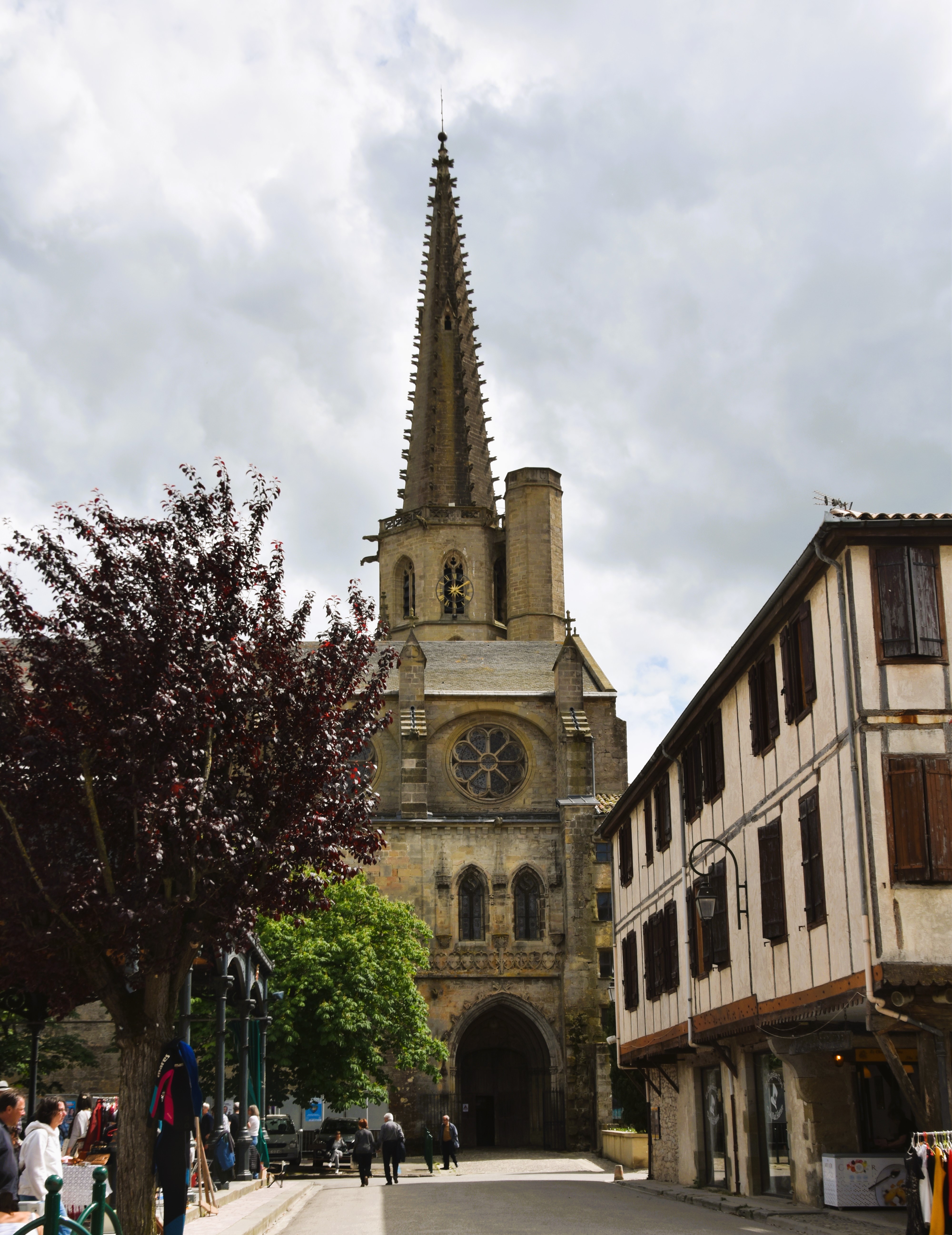
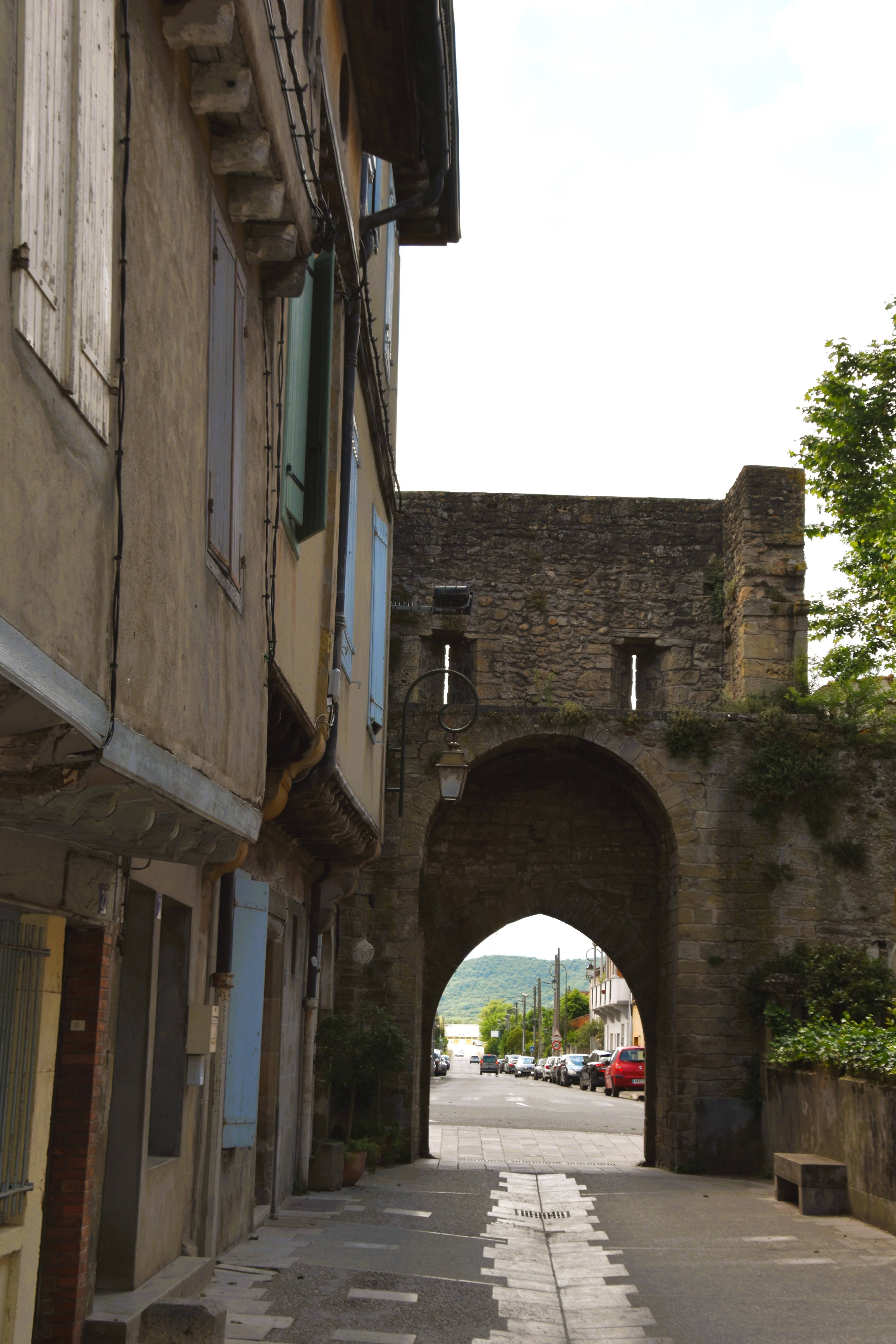
Being Sunday, and a nice day as well, families are out in force and children enjoy the carrousel.
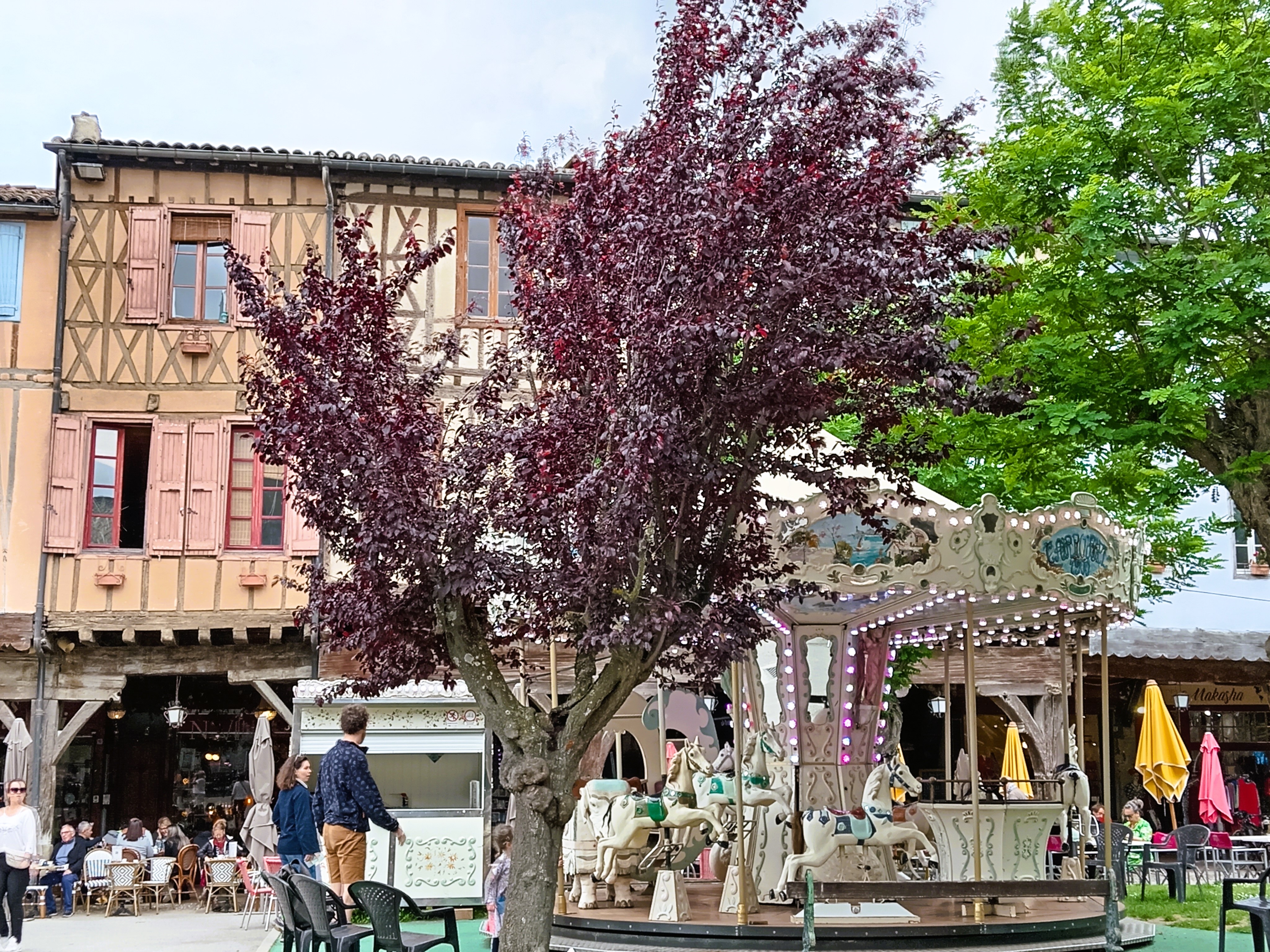
Altogether a charming scene. I understand that there is a farmers market in the square tomorrow morning so I will be back for a look at that.
3rd. What a monumental market. Quite the biggest, most cosmapolitan and highest quality of produce I have ever encountered. The sights, colours, smells and sounds were overwhelming in the nicest possible way. From Indian fabrics, clothing and trinkets…..
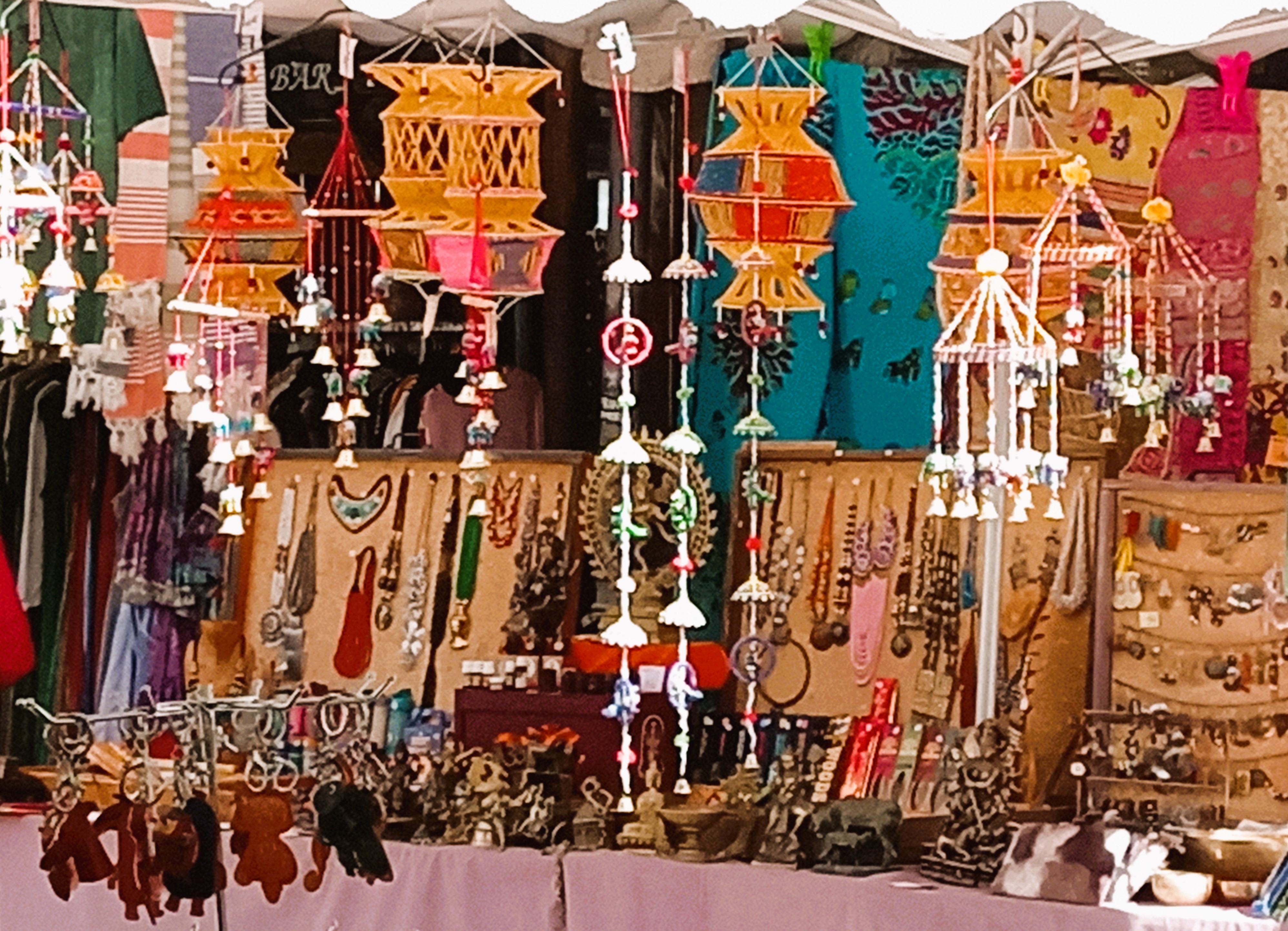
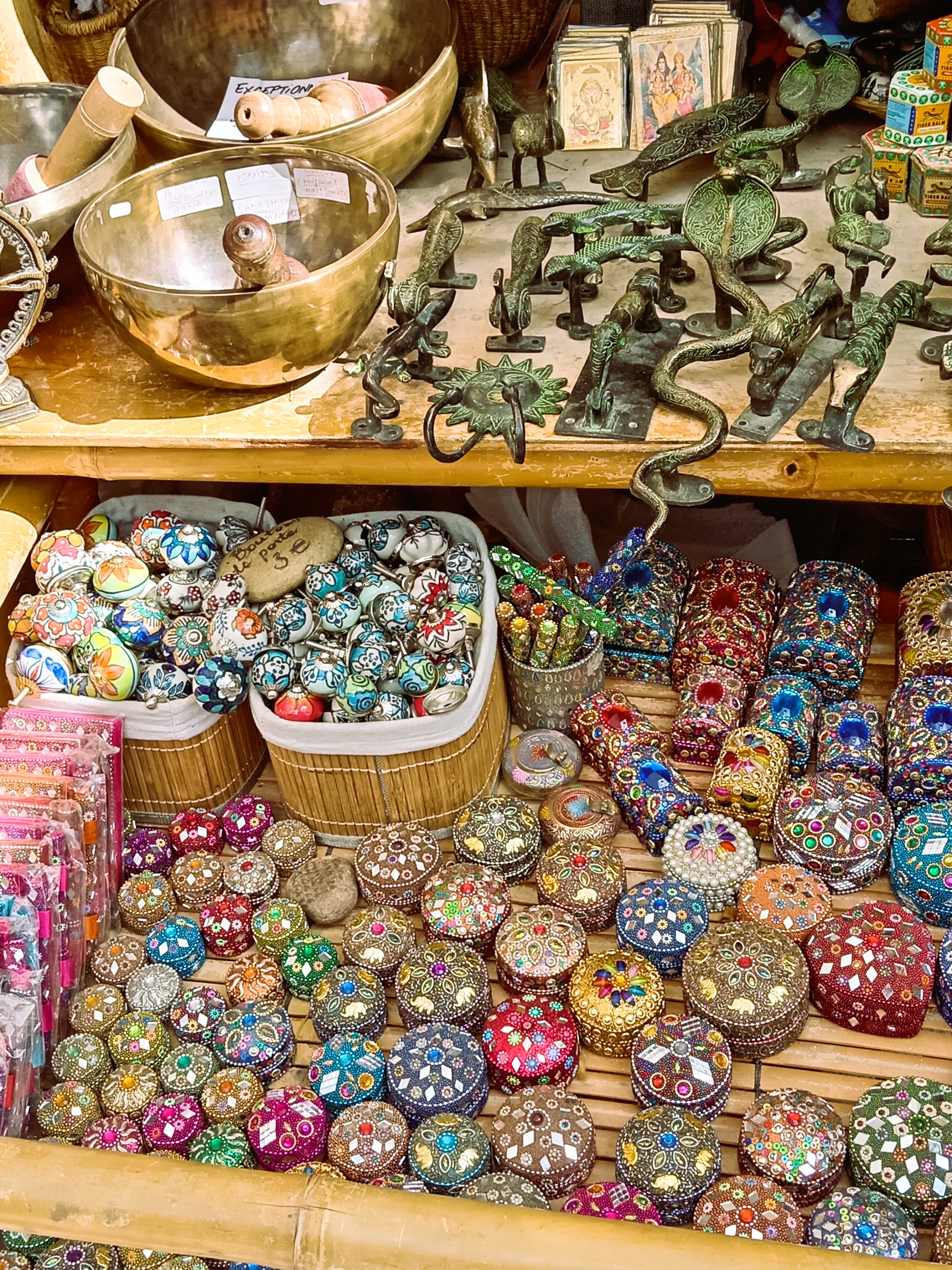
to the handiwork of local potter and woodturners, including the sublime to the commical



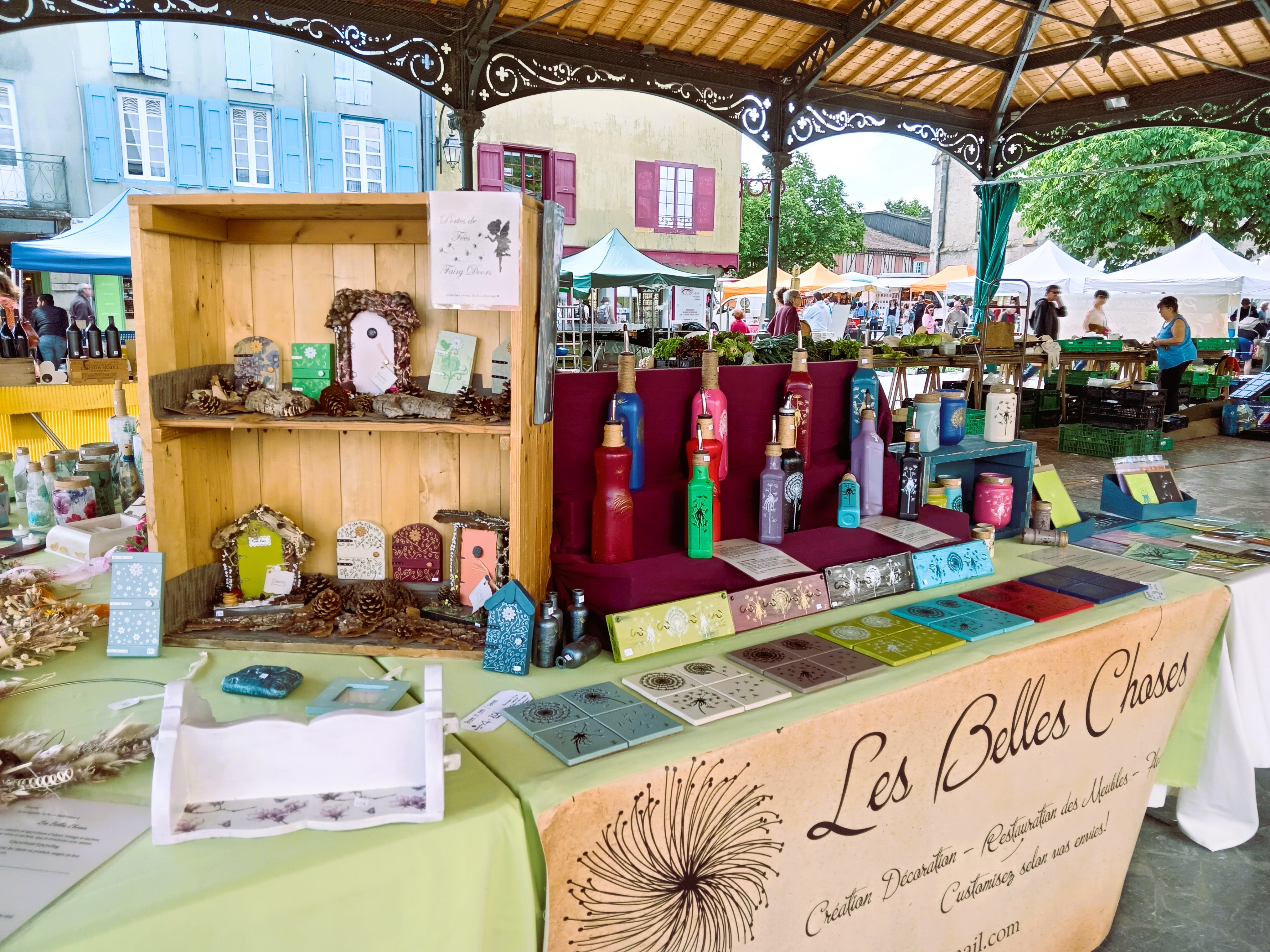
To basket weavers and artistic decorators….
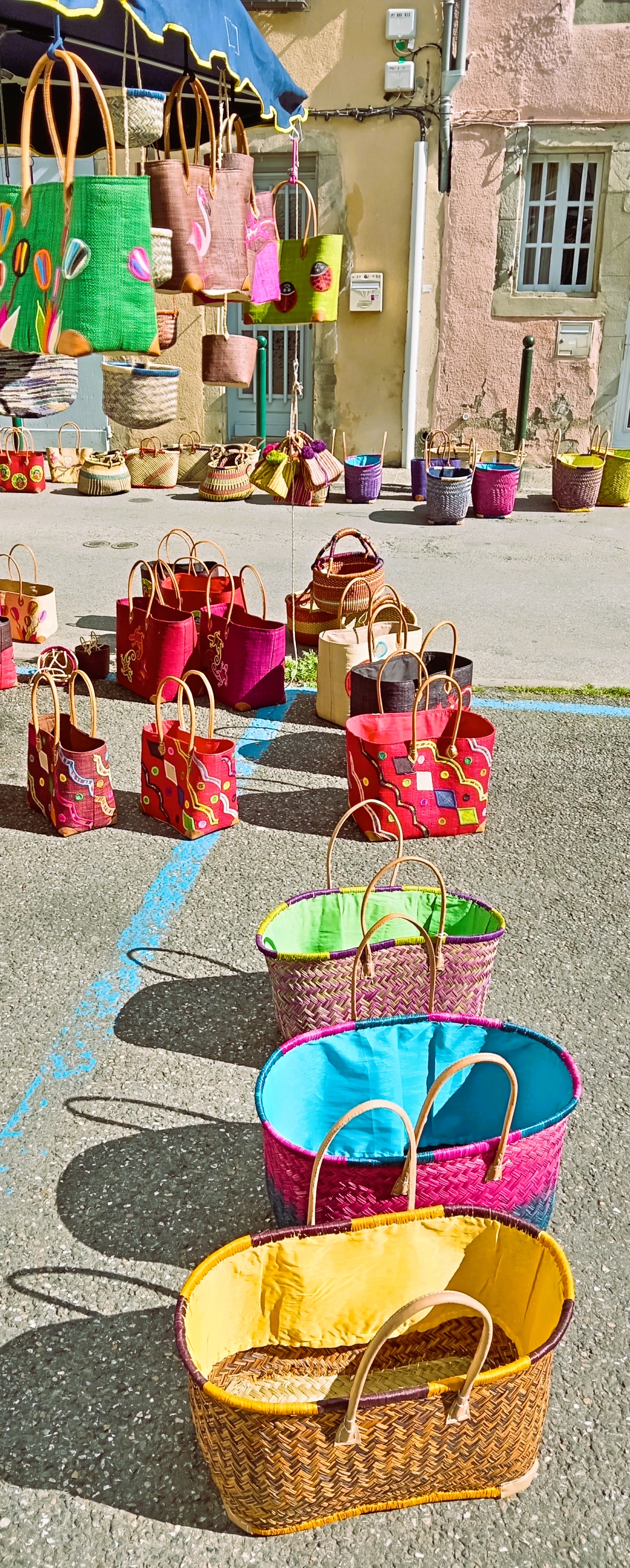
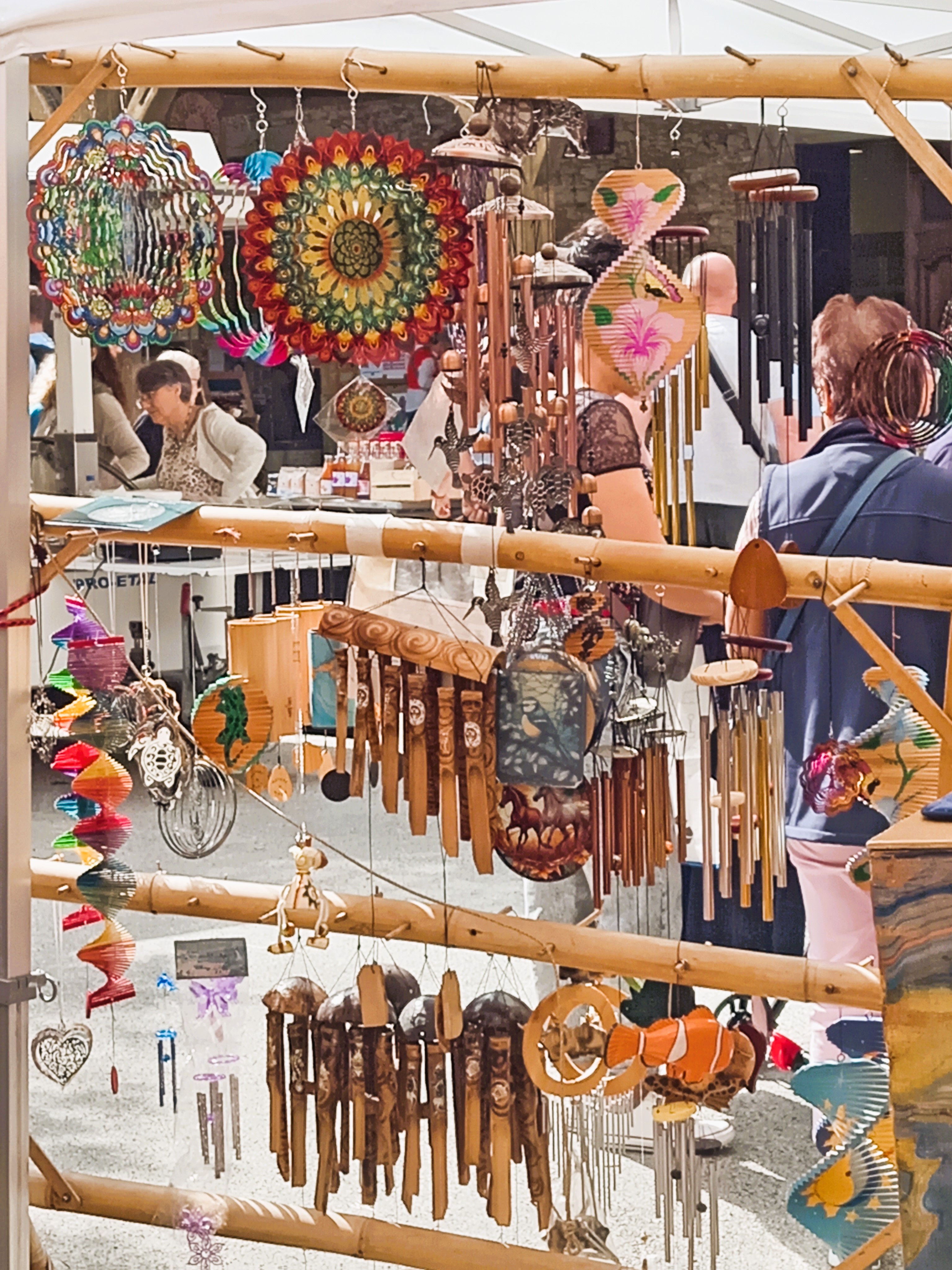
To sellers of dreams and pipe dreams…..

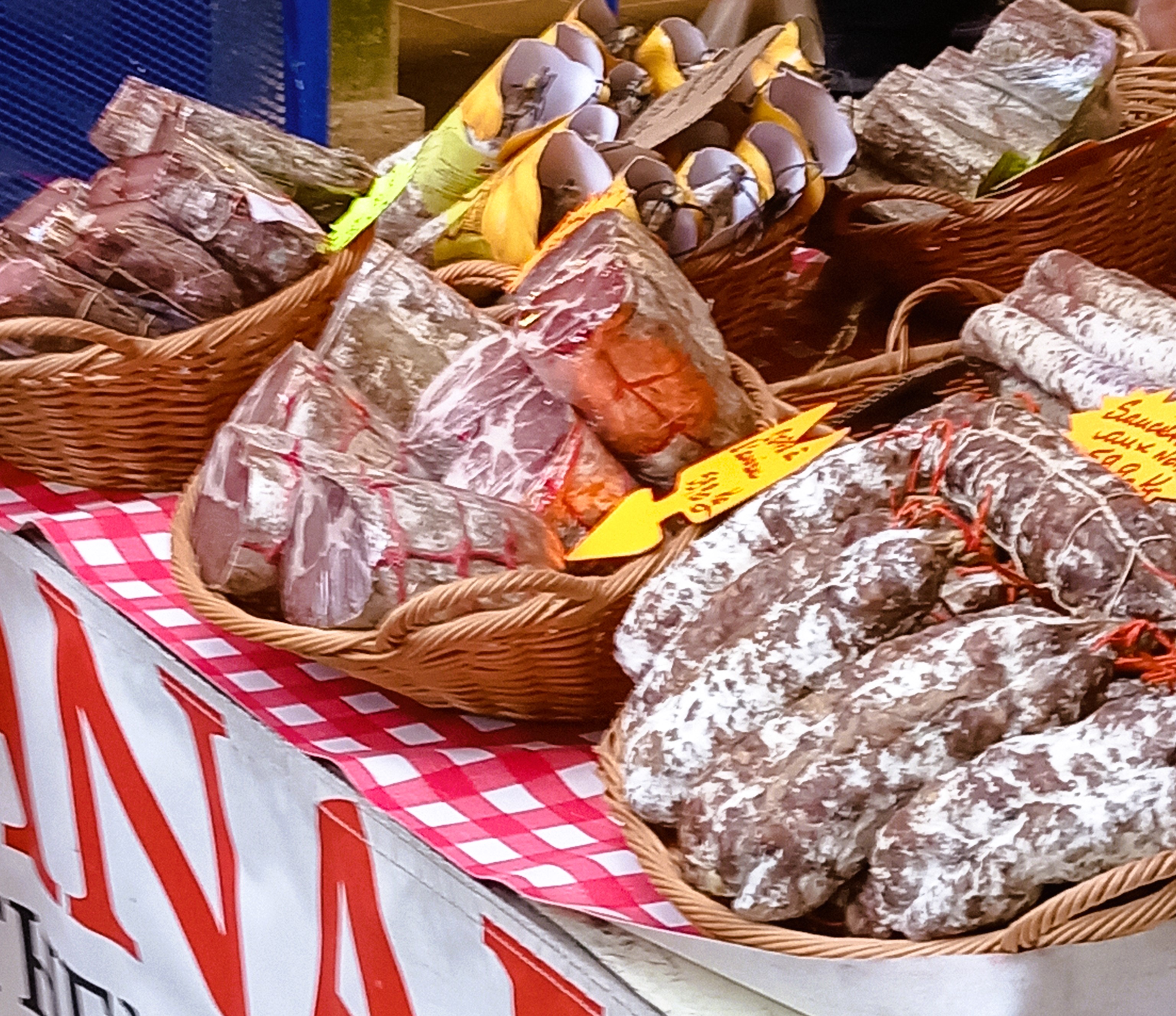
To sausages and spices and many other food stuffs both traditional and frieign….
Antiques and bric-a-brac, laid out on the pink marble floor of the covered market


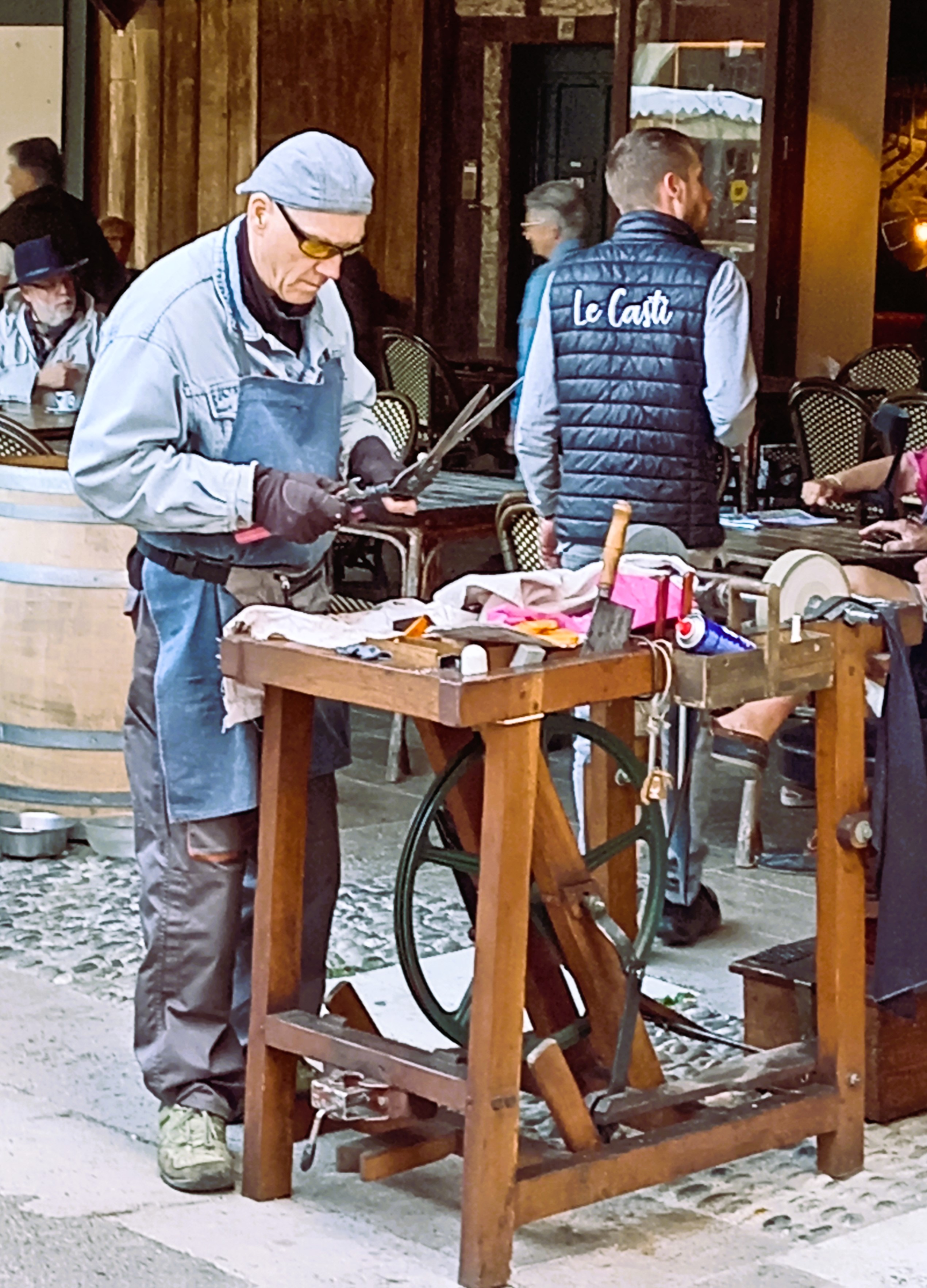
And someone I have been looking for these last many years, possesing as I do so many blunt pairs of siscors….the knife sharpener.
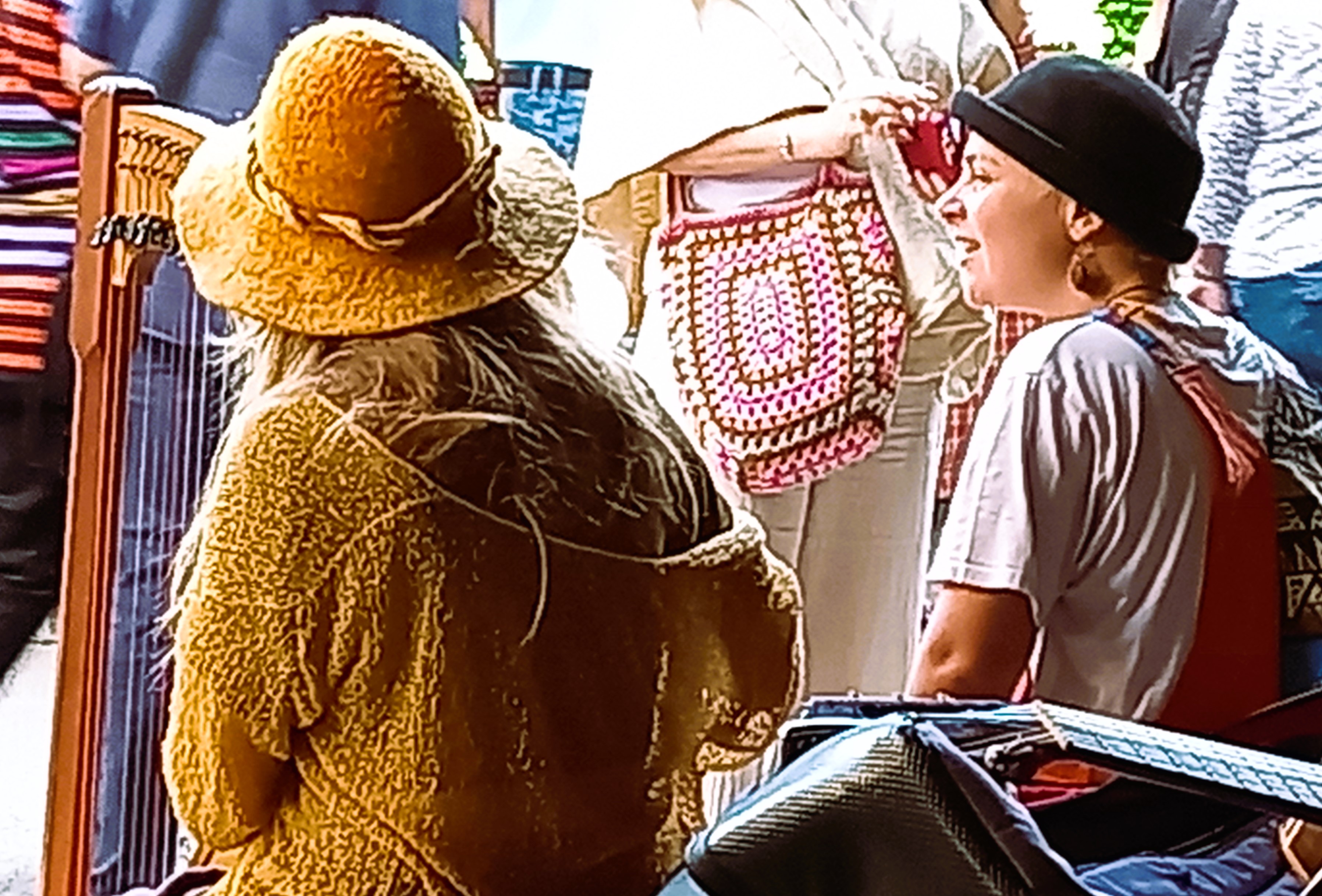
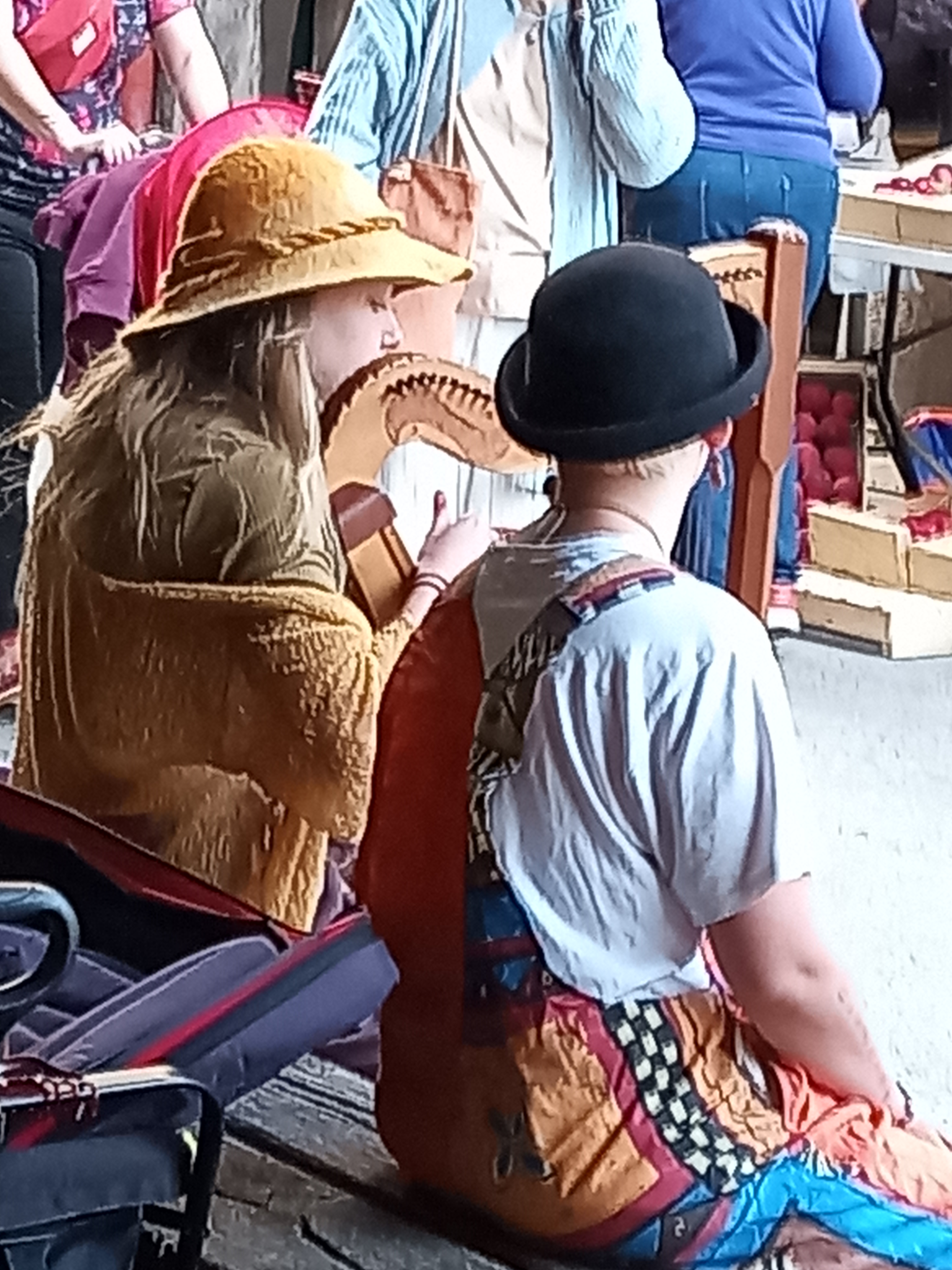
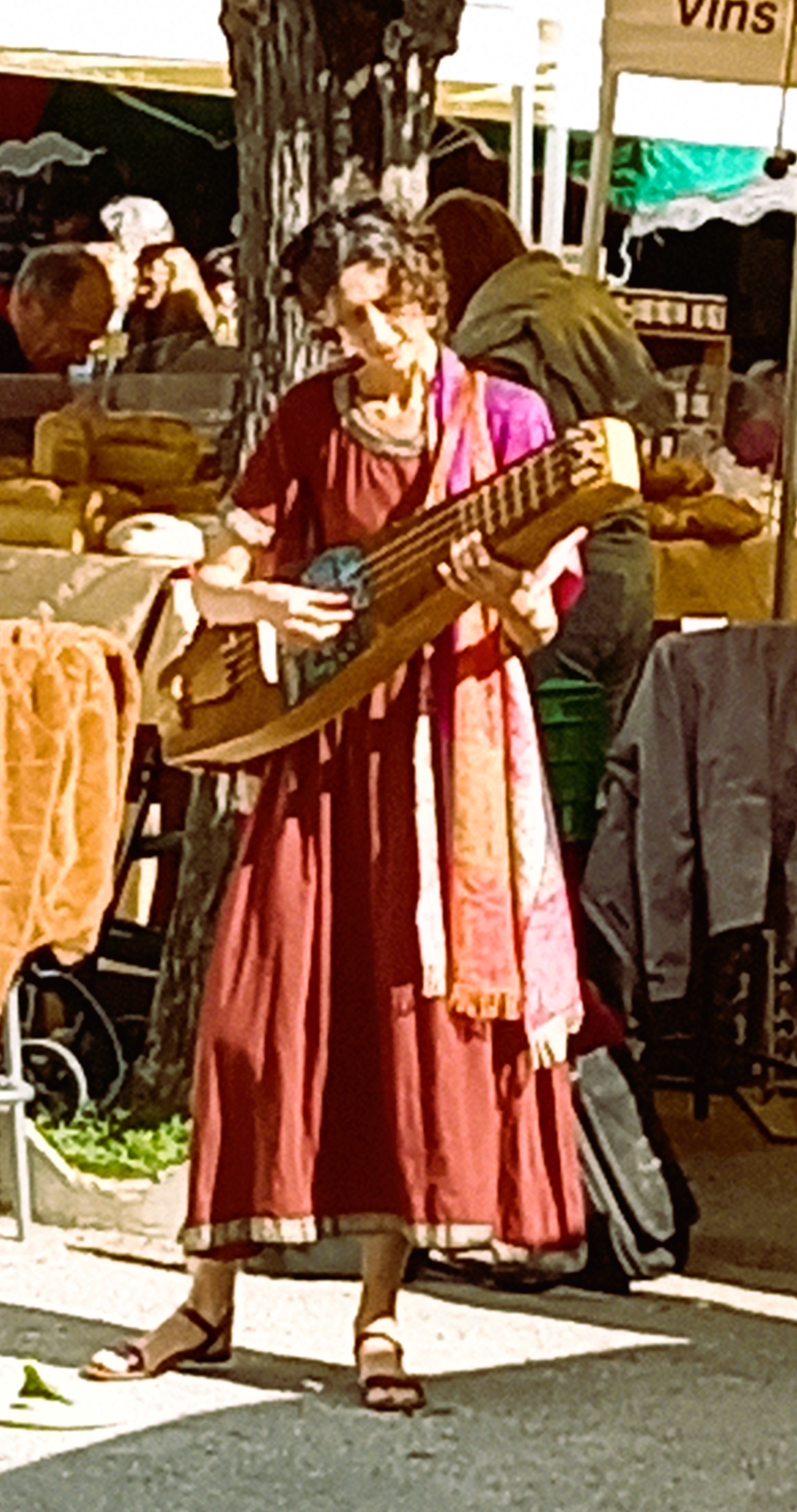
And everywhere you wander there is the music of street musicians, as varied in style and genre as evrything else.

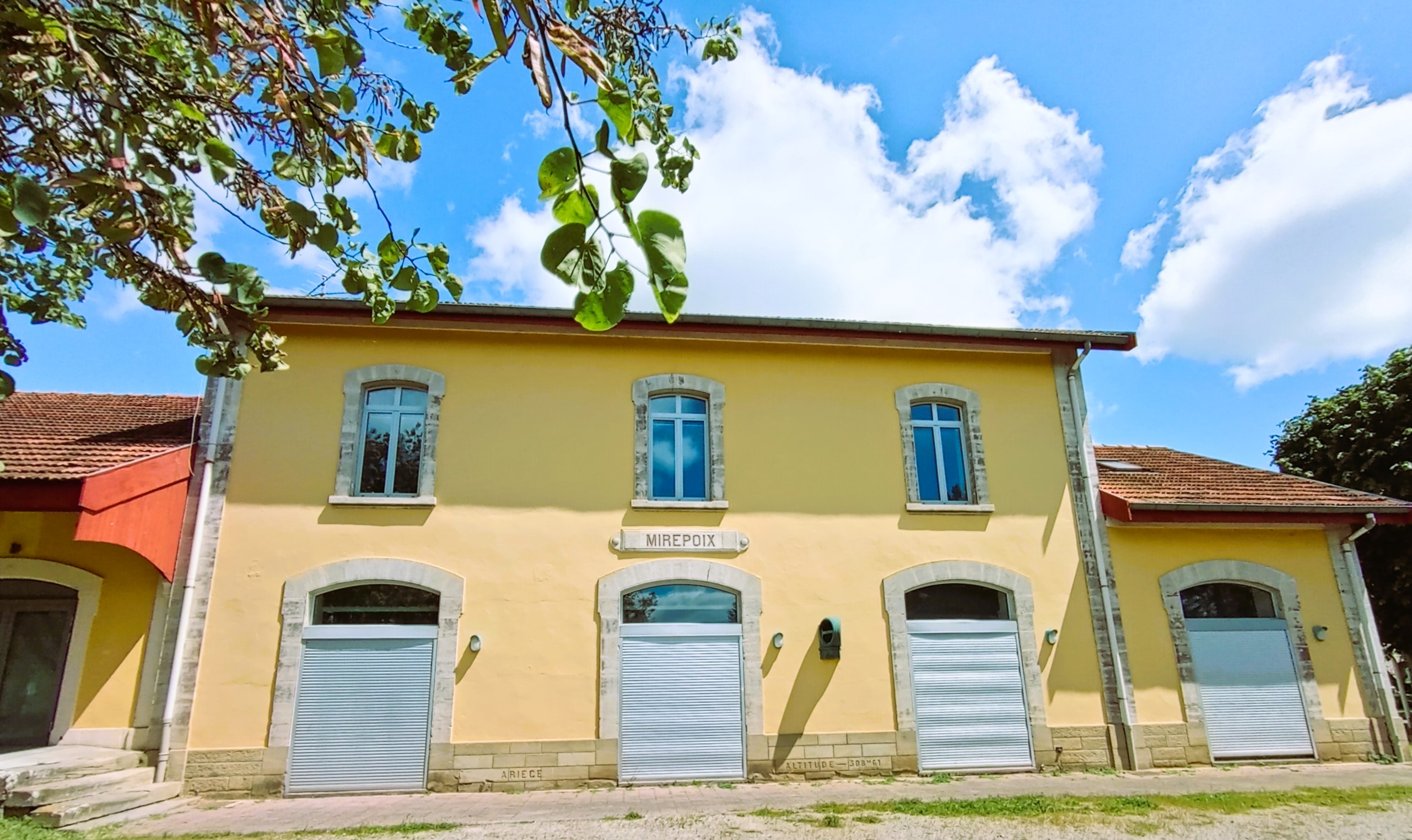
Set according to the sugn on the old railway station building at an altitude of 308M or about 1000ft this delightfull town nestles comfortably in the rolling hills of the foothills of the Pyrenees.

4th. Today we moved on to Foix and another free Aire – nice! The town is the Prefecture of this department, Ariége, and the second smallest by population in France. It is dominated by the Castle, perched on a prometory over looking the town and the river Arget. At 400M it is a little higher than Mirepoix and the scenery is more dramatic.
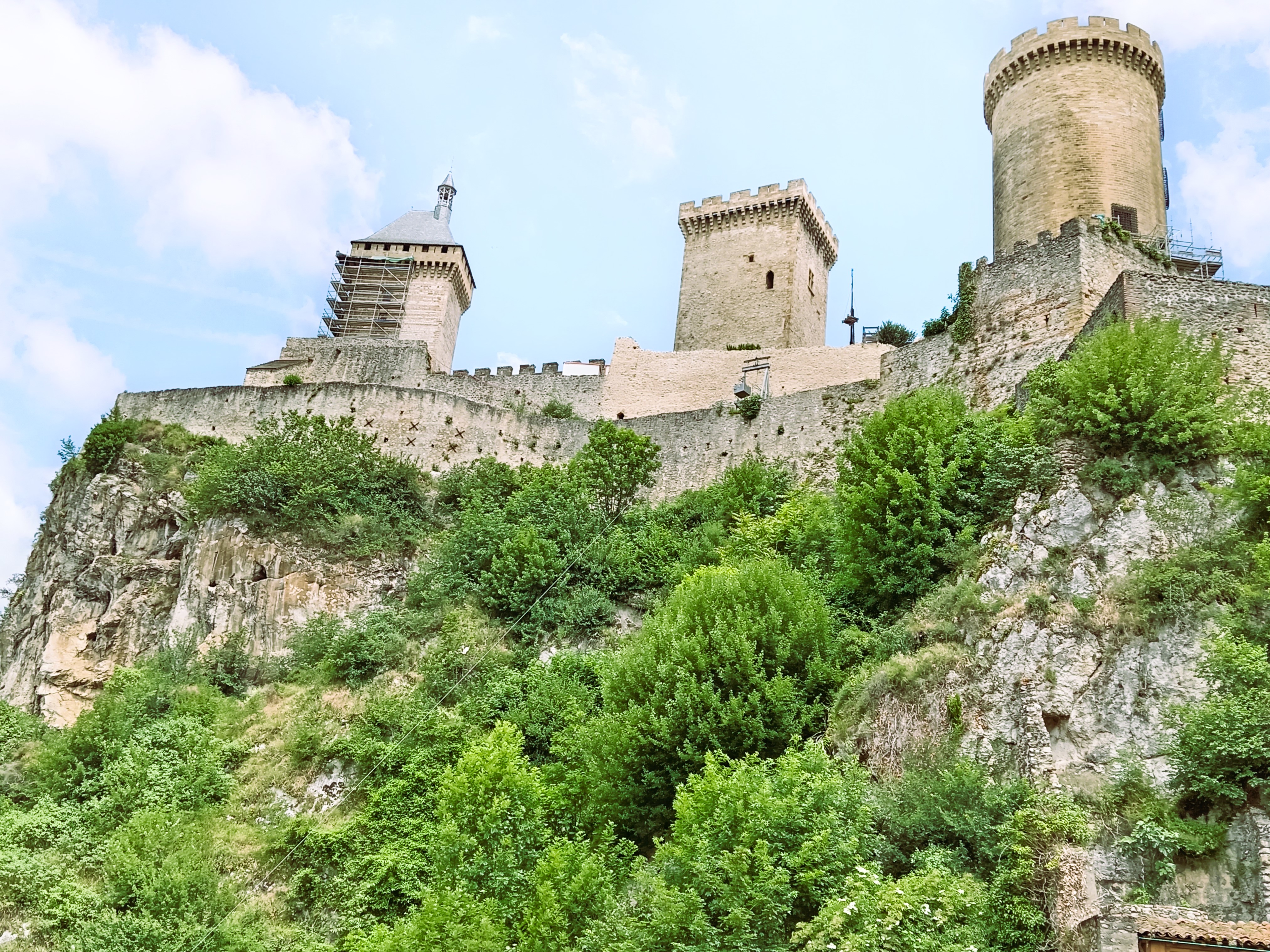
The castle dates from the C10th and proved a defensible stronghold. It is recorded os resisting the repeated assults of Simon de Montfort during the ALbigensian Crussade between 1211 -1217. But it is not clear if this attack was prompted by a strong Cathar presence or by ther Count’s of Foix failure to recognise the French monarchy. Probably the latter bareing in mind that a large Abby had been established here since 849 and that in1272 Philip the Bold personally lead an expedition against the recalsitrant Count, who capituulated. The castle lost it militafry charecter and the last of the counts abandoned it in the C16th.
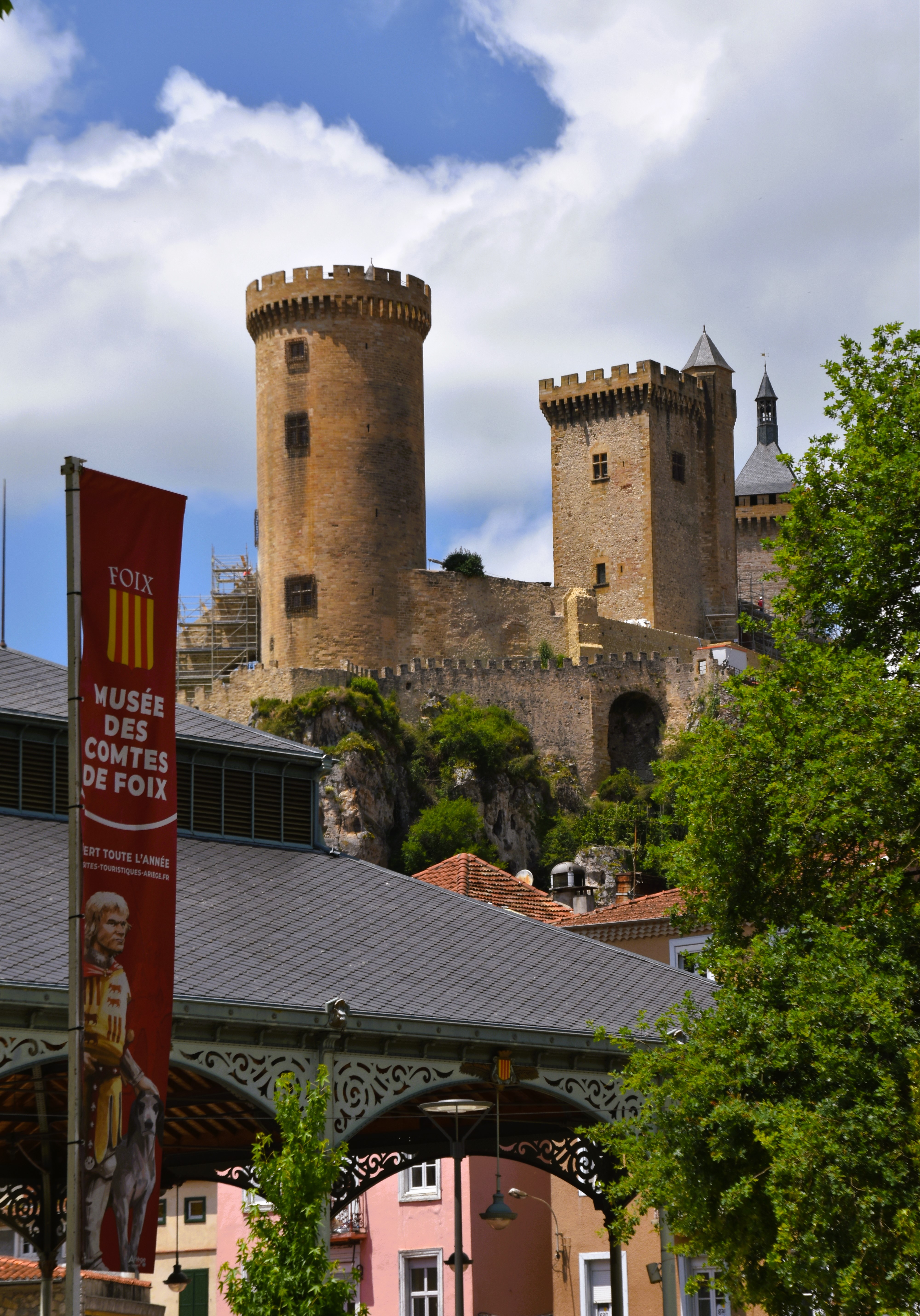
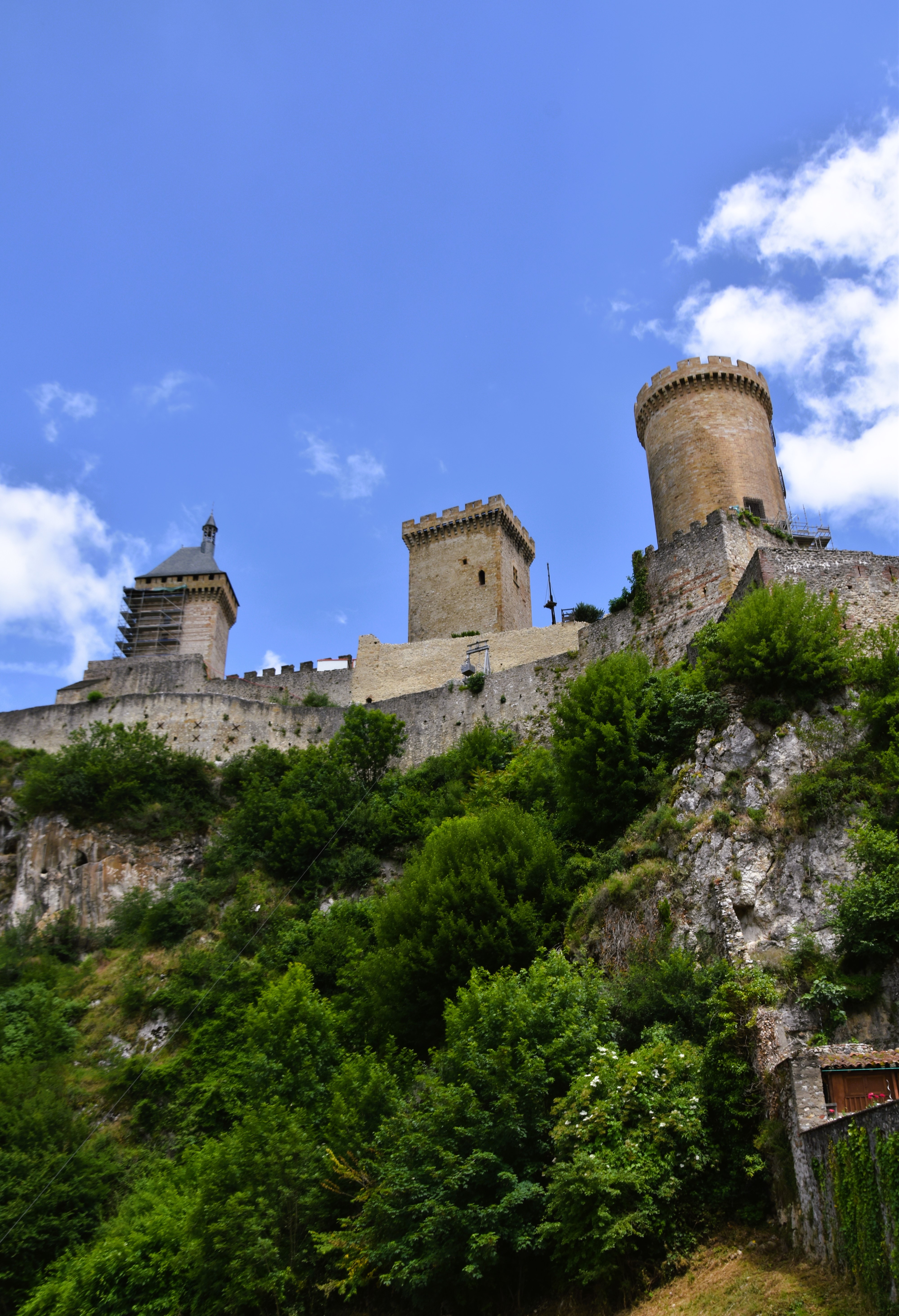

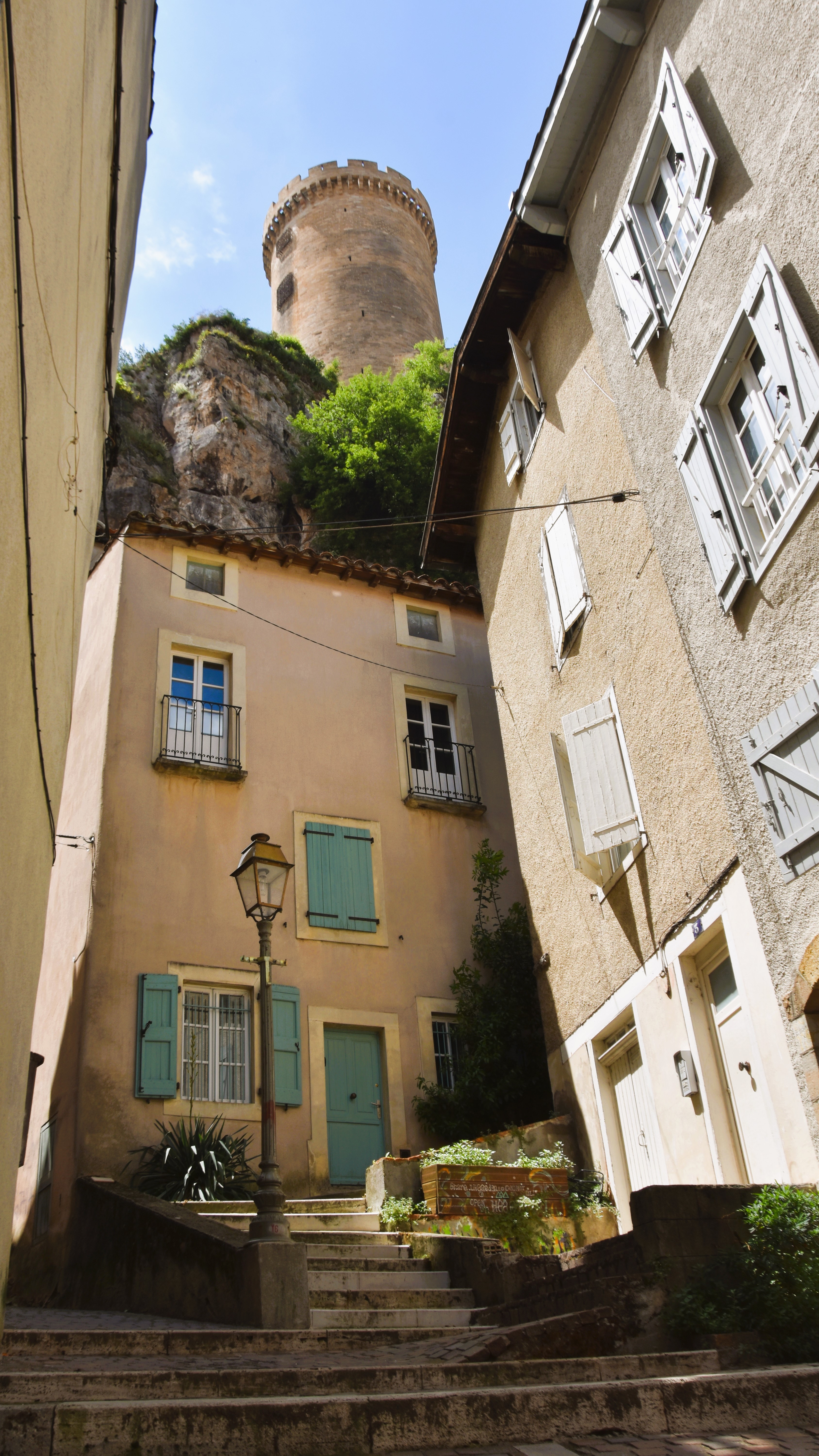
Unfortunately there was a karge amount of restoration work taking place at the castle that precluded any visit, Which I would not have been able to do with Cassidy in any event. The same work was taking place along Rue du Rival restricting access to the historic street.
There were colourful and pleasing cafe’s alongside the Market

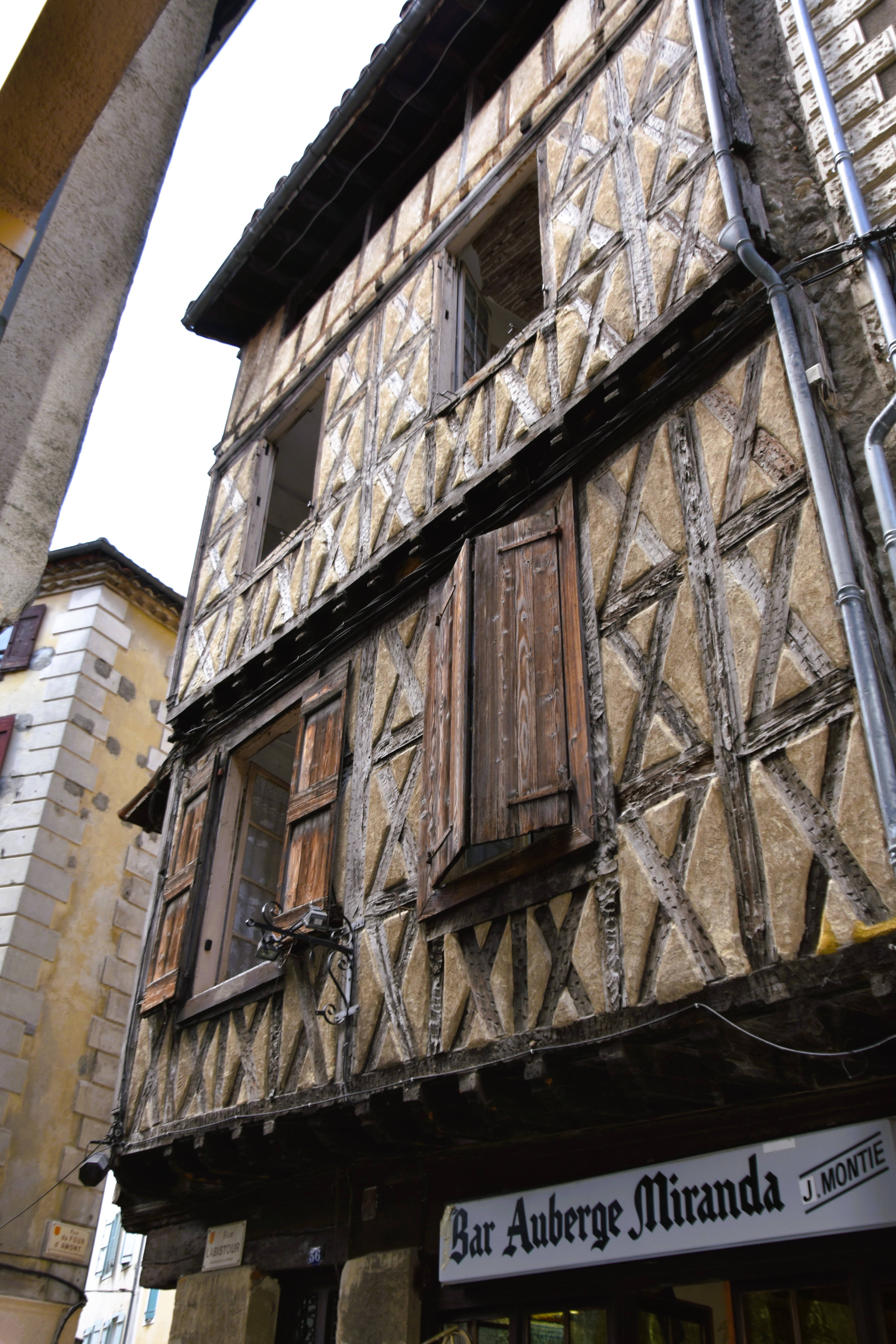
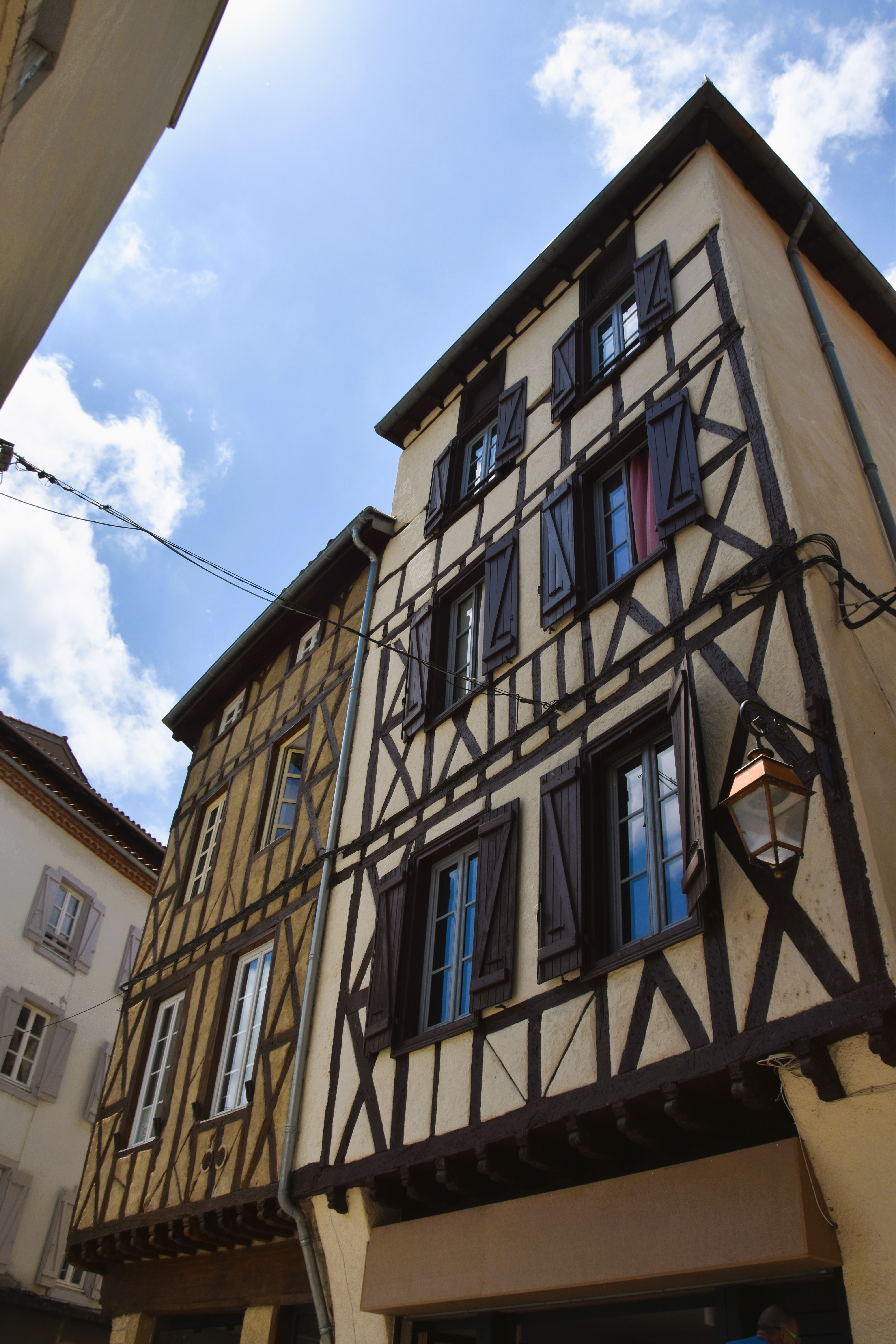
Some handsome half timbered houses in the medieval quarter

and the pleasant Place de Dutilh with its fountain
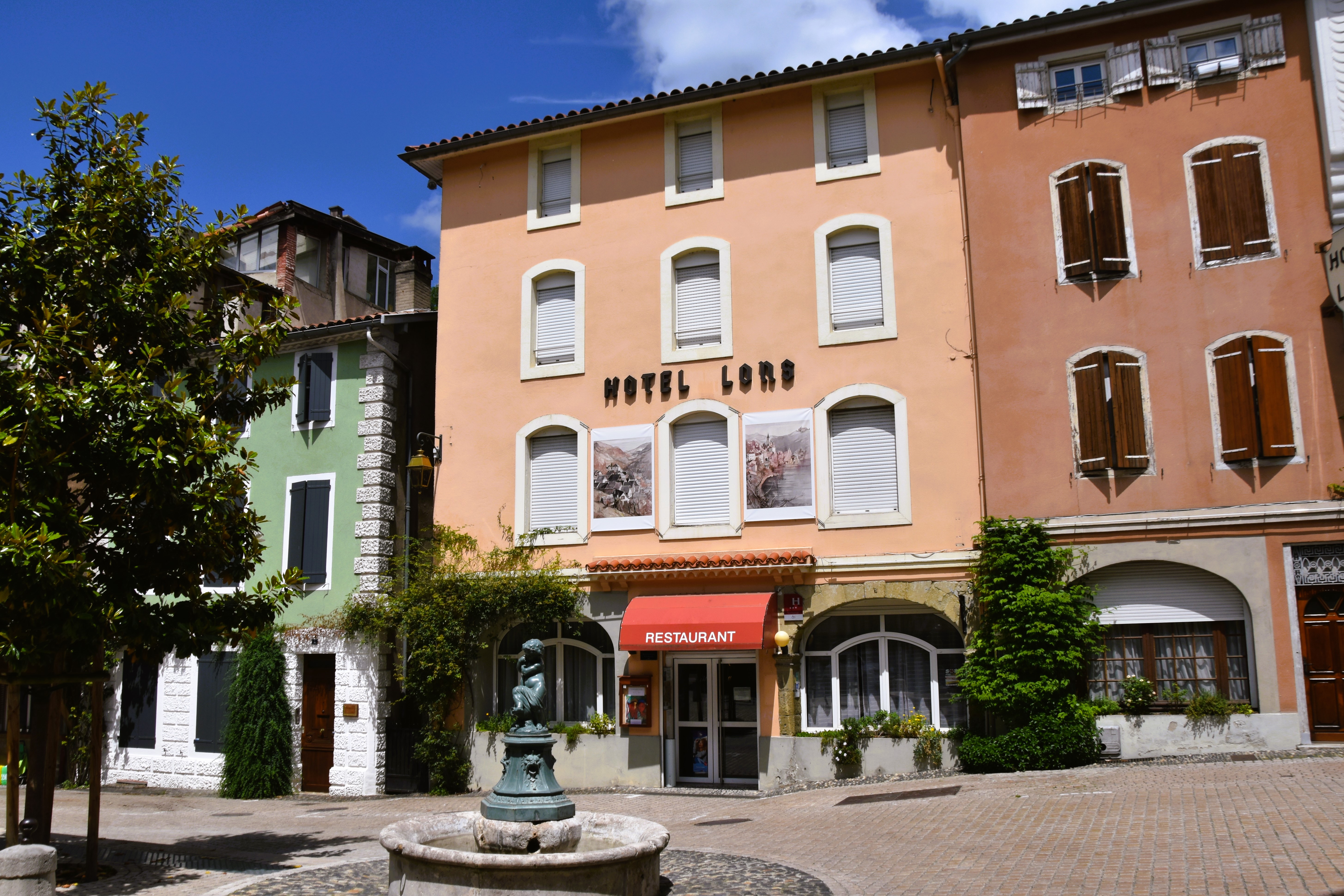
Tomorrow we head off back down the hill to Auterive.
5th Although the area was well inhabited in prehistoric times,due to an easily navigated river system and abundant game, it was the Romans who built Auterive, calling it Alta-Riva. It was a strong city haveing developed a thriving agriculture including the Isatis Tinctoria a medicinal and dyers plant which was used to produce a blue dye before it was superceded by indigo. In the C11th it had a fortified castle and was under the domination of the Counts of Foix and Toulous. This was destroyed in 1211 by our old friend Simon de Montfort. All this would seem to bare out my theory that the Albigensian Crusade had more to do with allegiance to the French King and through him to the Catholic Church than it did with the Cathars.
Up untill the re-building of the city in theC17th it went through many traumatic stages suffering from two invassions by the Sarasans, (the first of which they repelled but not the second), plague, the religeous wars brigandage and finnally in 1599 the colapse of the bridge over the river Ariége.
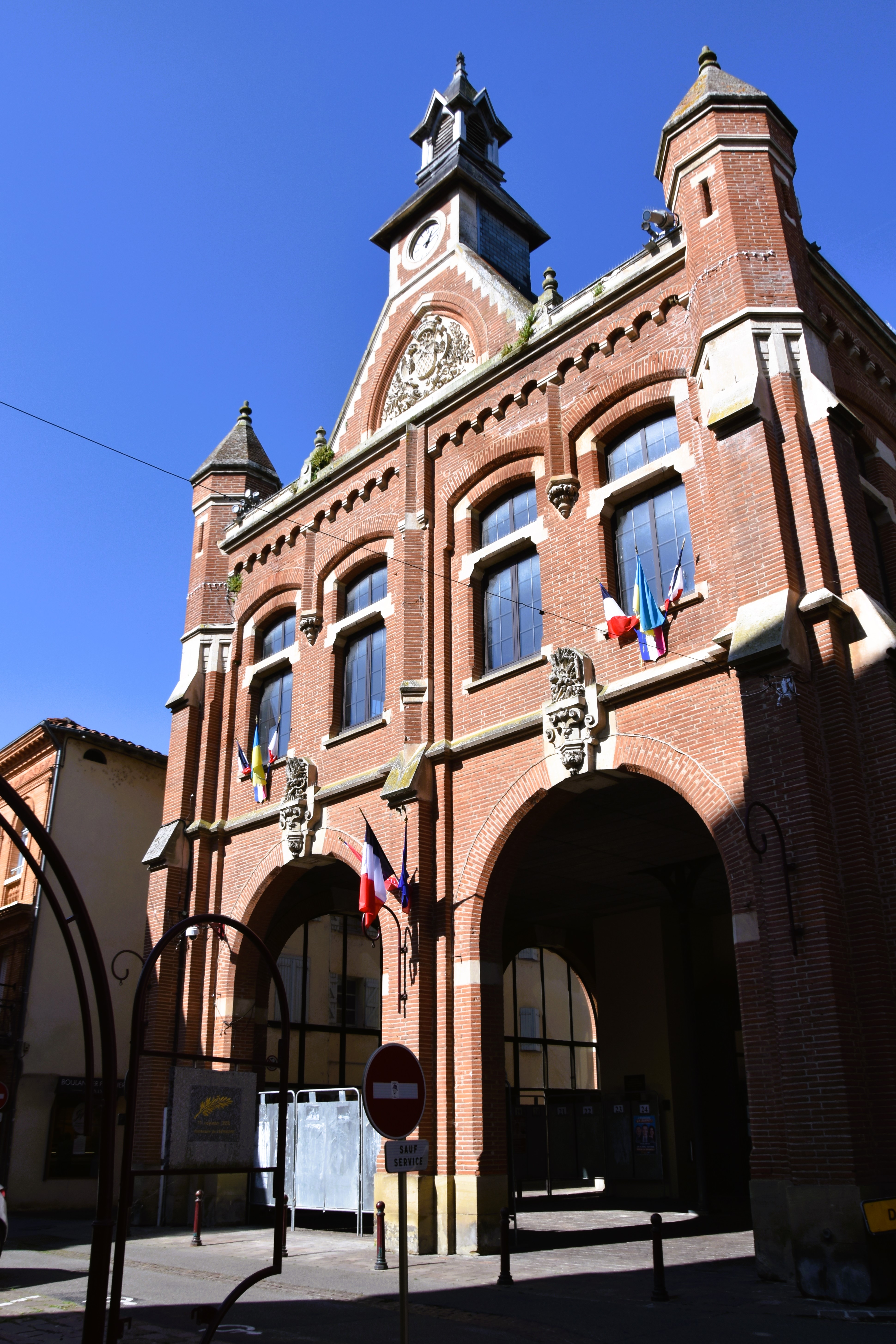
The reviving fortunes of the C17th are manifest in the new bridge, The Town Hall and the chruches of Saint Paul and Mary Magdelain, all constructed in the small oblong red bricks of the period. As the town is well down the course of the River Ariége away from the rocky gorges of Foix there is not the stone on hand locally .
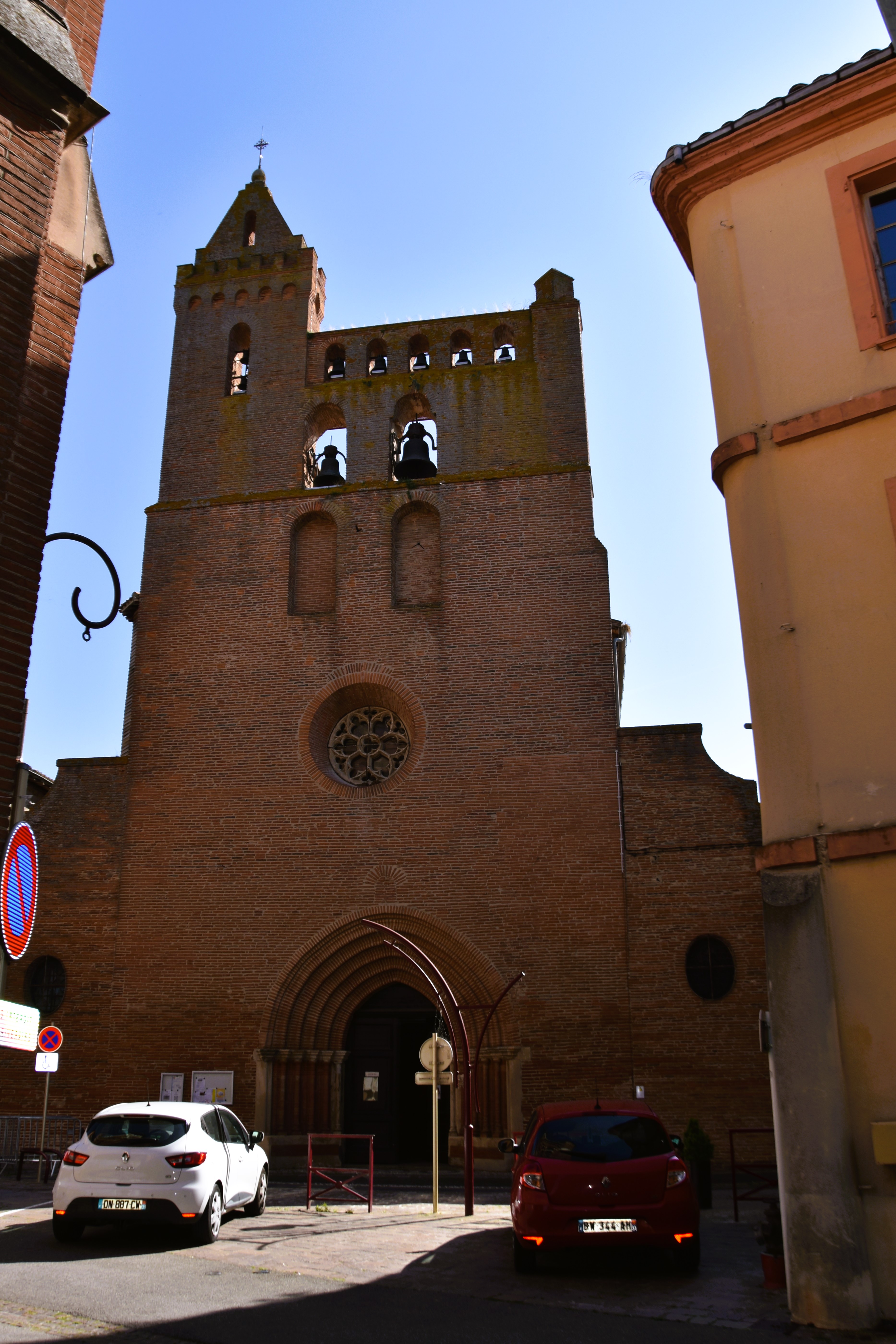

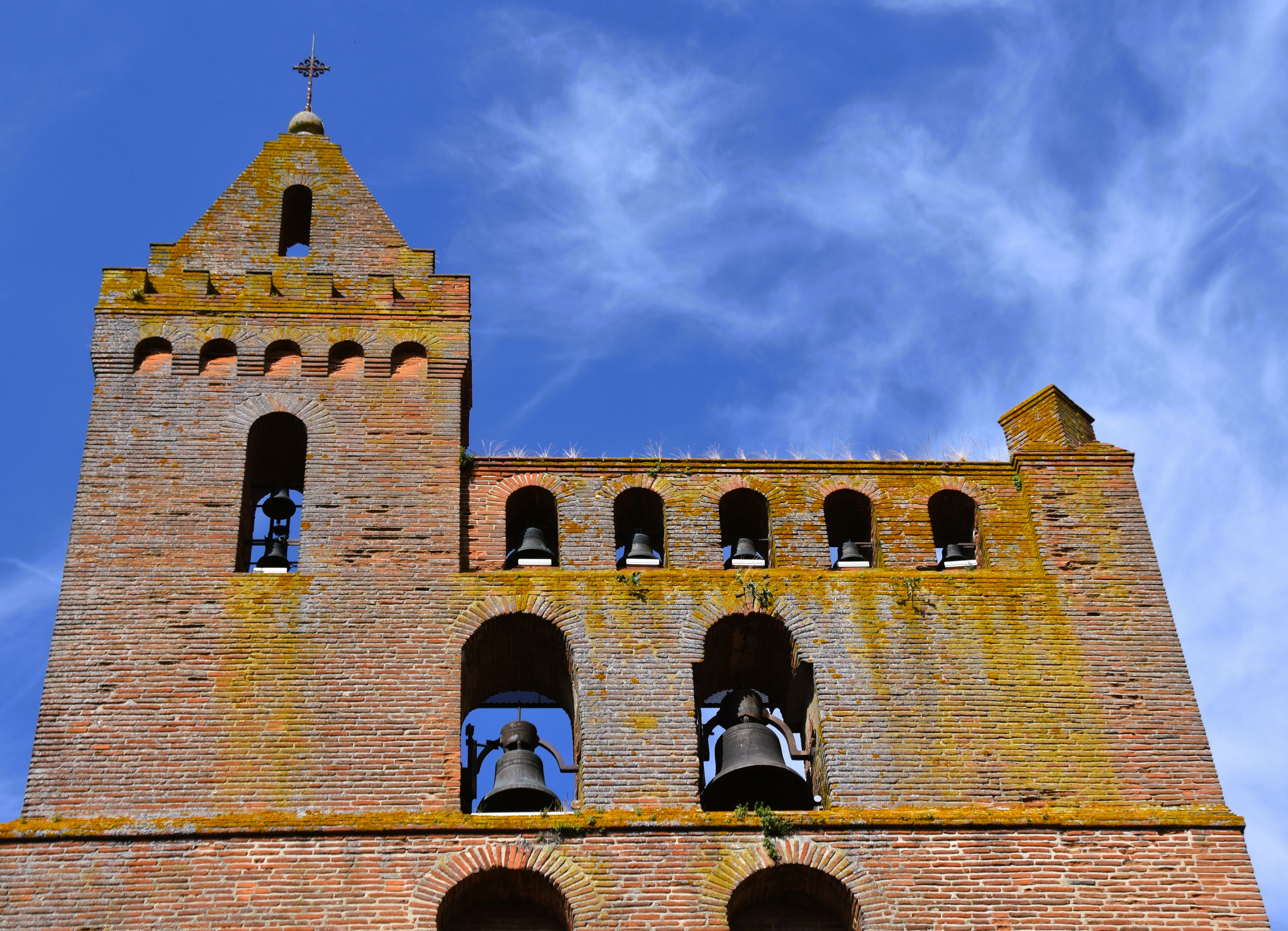
The attractive and unusual belfrey
Impressive as they are in their almost Victorian era Gothic I was still hoping for some vestiges, no matter how small, of earlier inhabitants. Have to see what the Tourism Office has to say.
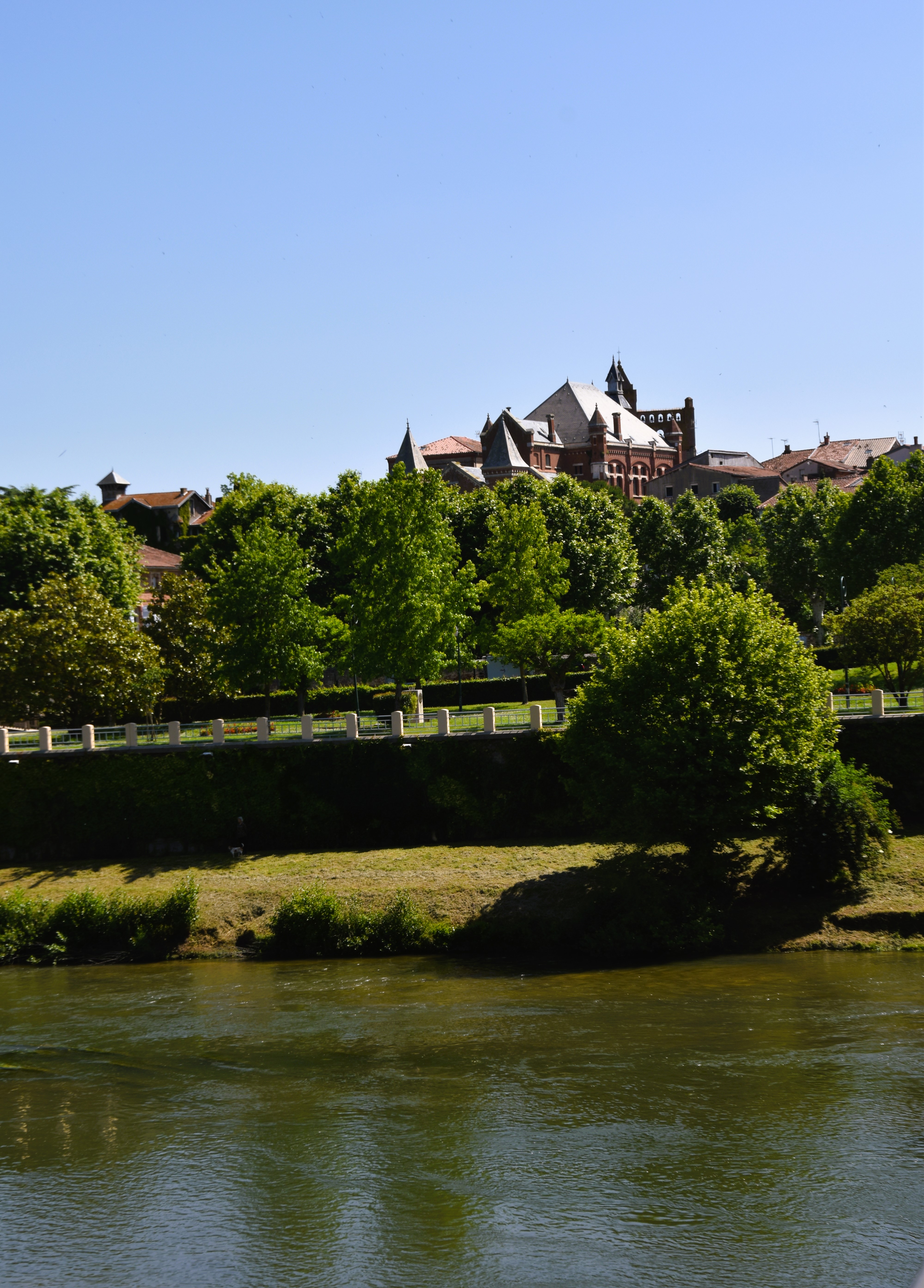
Below the river, from the bridge and the Town Hall from across the river
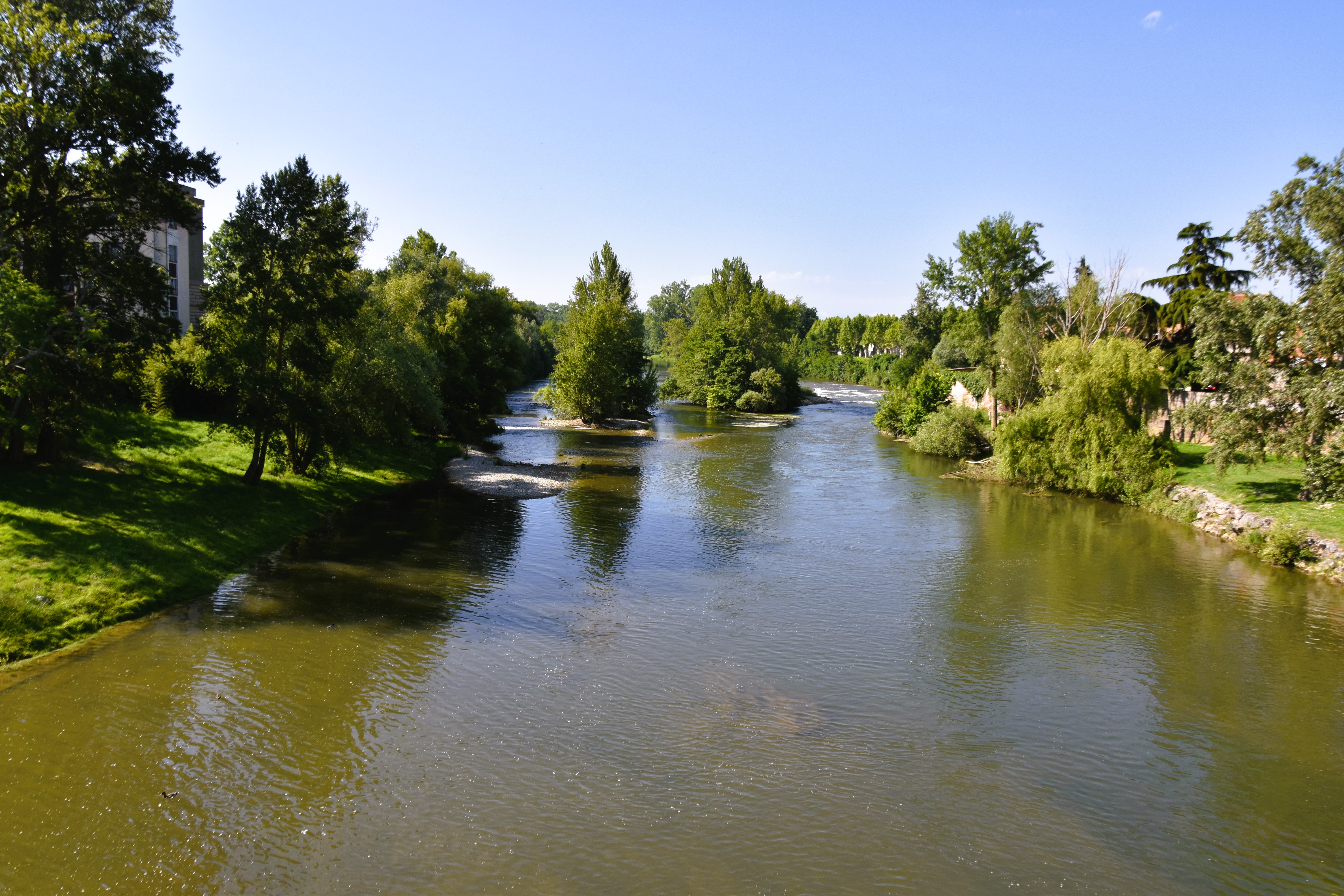
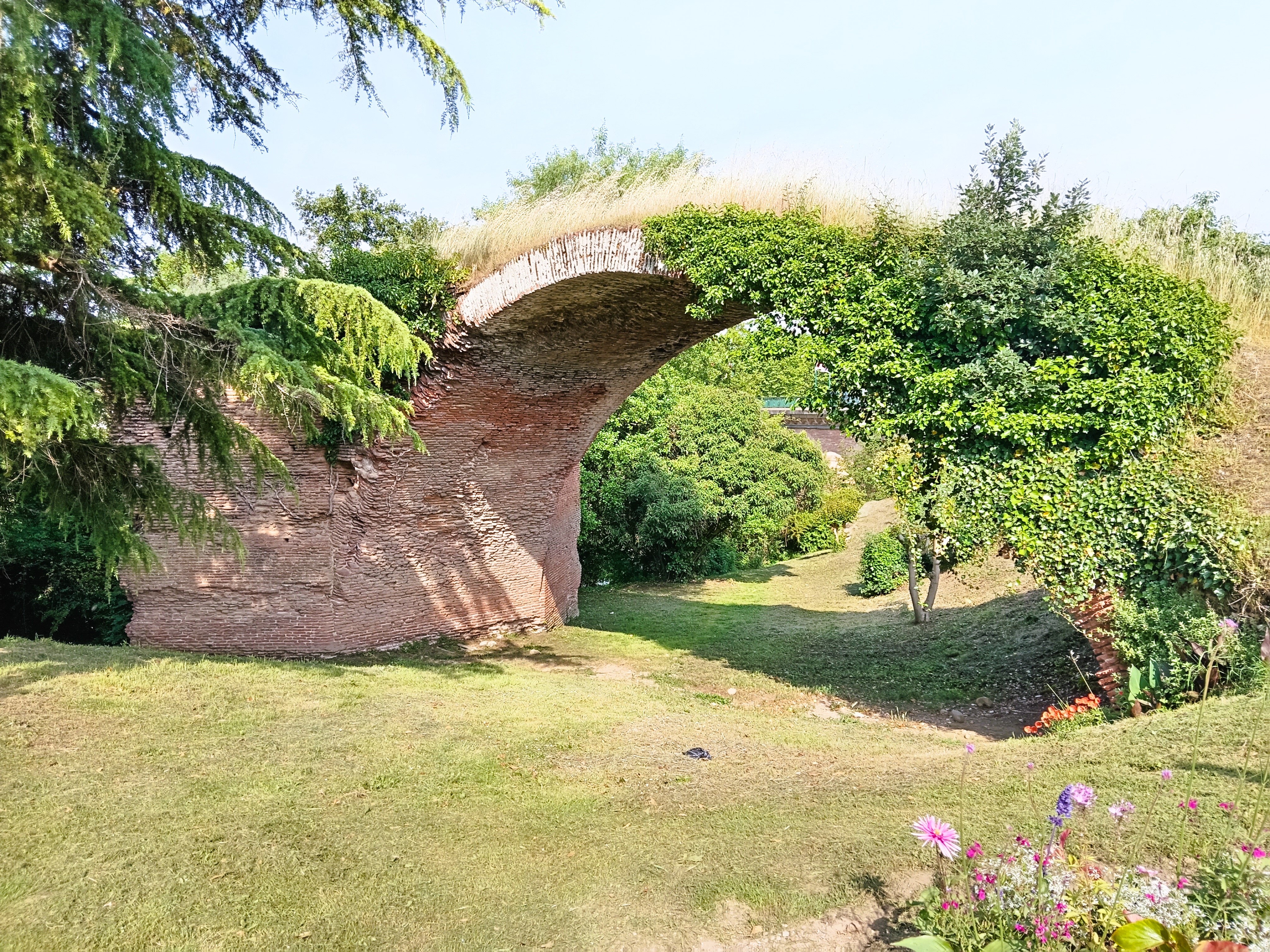
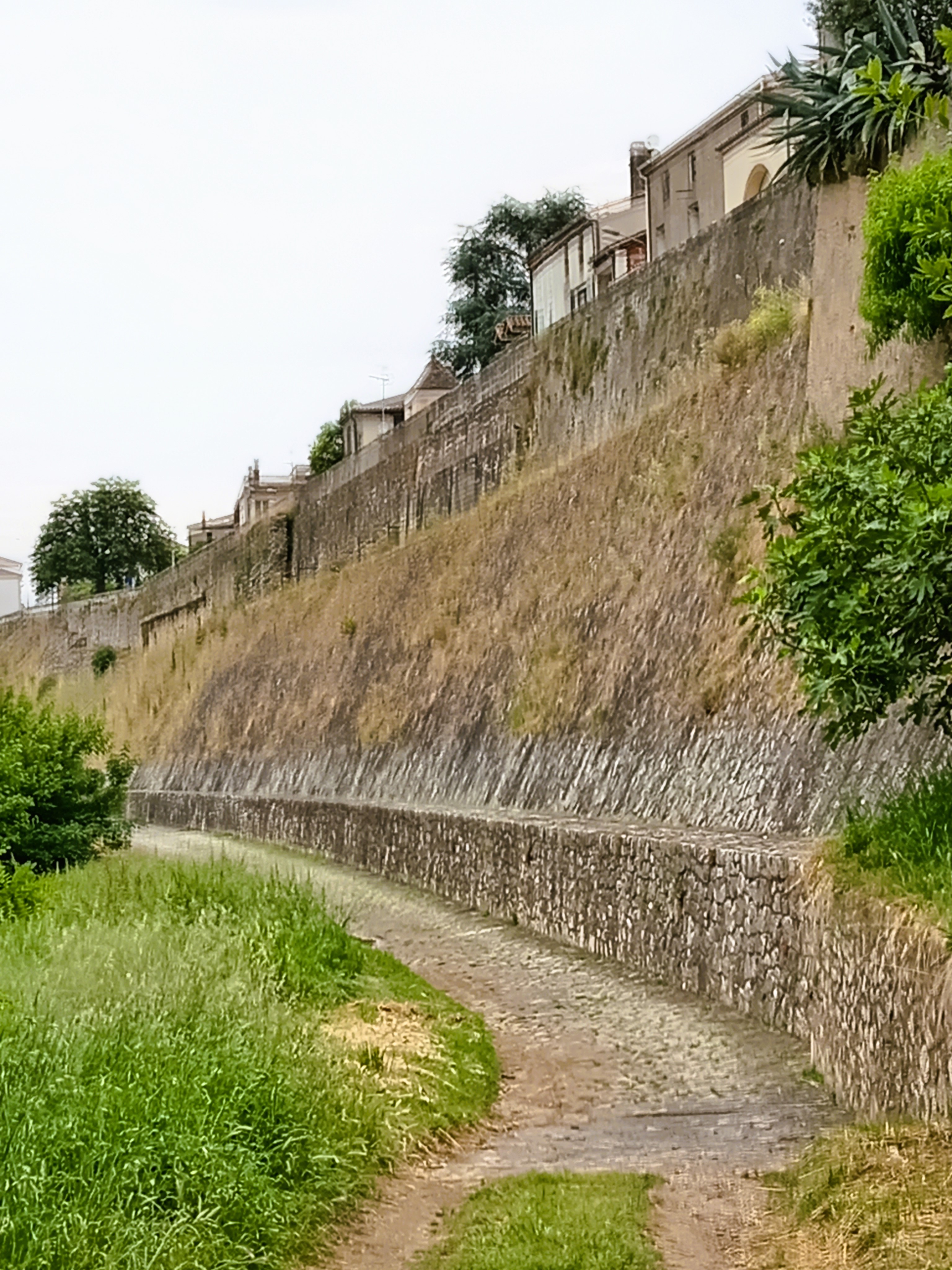
Having got a zeroxed map from the TO of the route of the ramparts during the middles ages, Cassidy and I set out to walk it. This was not very easy as there is not a lot of it left and of what there is most of it is on private ground or incorporated into later buildings. The streams and canals that provided the “moats” defending the old town are all dried up and long gone. Aging stuff is difficult too as the ubiquitous flat red bricks go back to the Roman era. Wirness the “Roman bridge” below.
The Town Hall, built in the same brich has a date of 1831 above the door but judgeing by the condition of the brickwork the church of St Paul opposite is considerably older, though I was not able to establish a date. Probably it was added to over centuraries.
6th. Some work this morning and taking the jerry can over the road to fill up with more drinking water to tide us over before we move tomorrow. A nice walk through the allotments, some of them really large and obviously providing their owners with a source of income from selling their produce. I have finished 3 books since Vicki left. My social life having dried up!!!
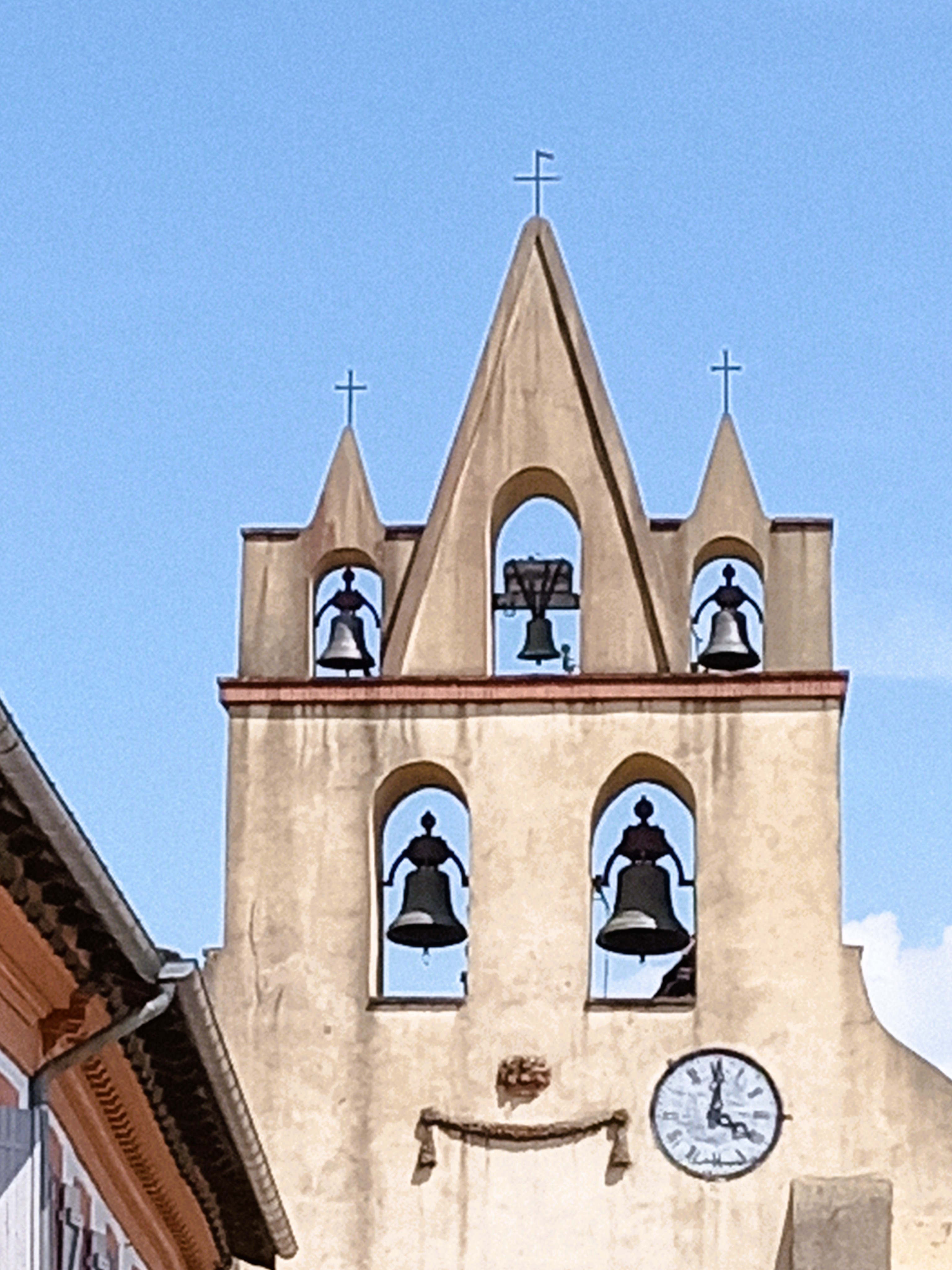
After lunch I decided to move on to Samantan. It was a lovely drive over big, lazy, rolling hills bursting with agricultual activity, dotted with little patches of woodland and little villages. I stopped at one of them, Montblanc, just to photograph the church. It seems that multi bell belfreys are the thing here-abouts. Very Spanish. But then great swathes of the southwest of France were Spanish till the C17th.
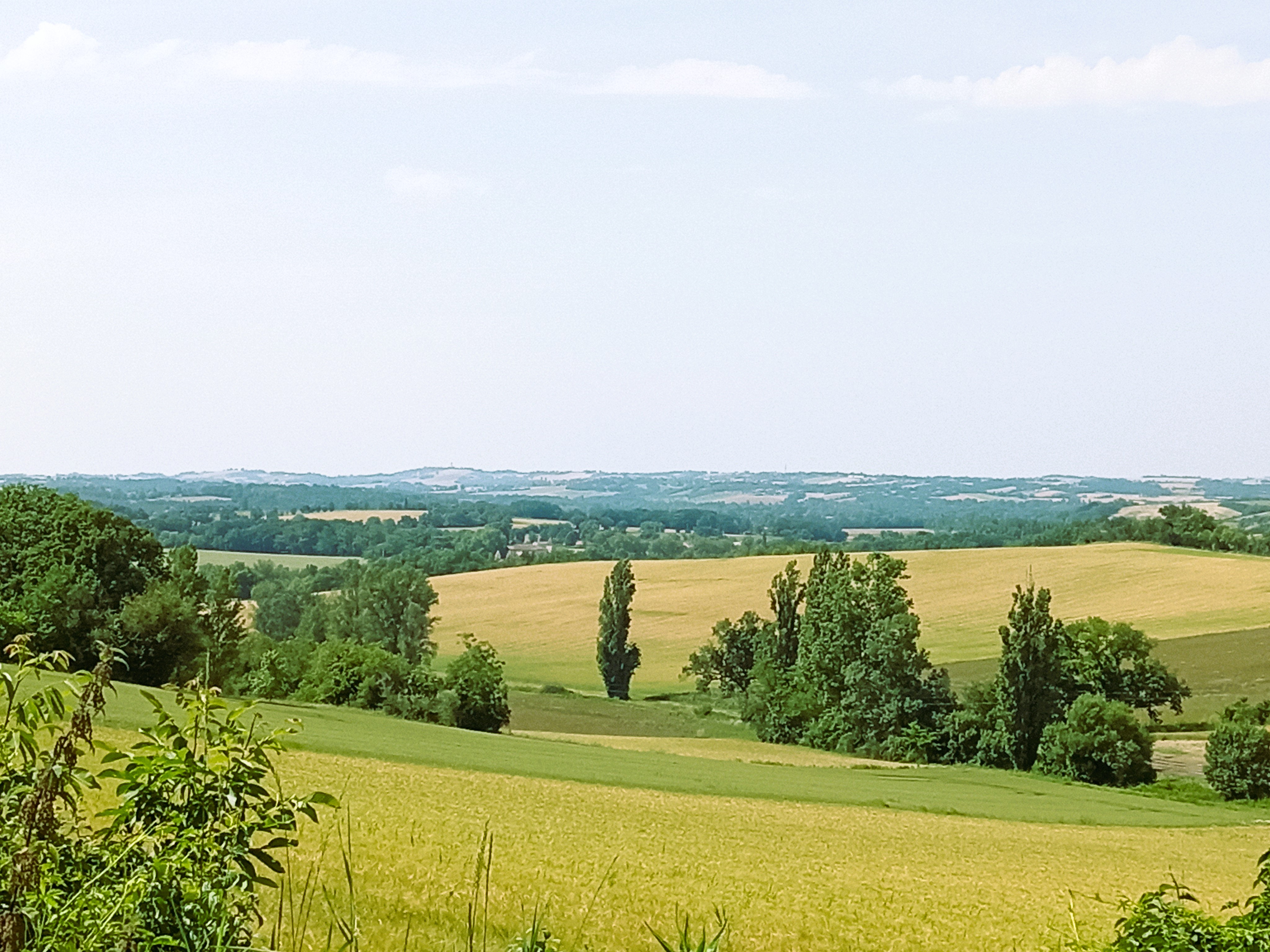
And, by the way, who says you only get BIG skys in Africa?
The Aire at Samantan is next to a lake, well cared for with big bays and shady mulberry trees, the falling black juicy fruit is not what you want on your painwork however. I will look forward to exploring the town tomorrow.

7th. Samantan is a well laid out little town with large open spaces and broad streests. It has two covered markets bearing testiment to it status as a trading post for the surrounding agricultural area. A status that did it no favours in 1355 when The Black Prince (eldest son of Edward 111 or England also known as Edward of Woodstock after his birth place) went on his rampage through the area and destroyed practically the whole settlement. Lombez, a mere 2k away, was spared because it was a bishoprick!
The result is that there are some handsom later buildings like the markets and the Town Hall.
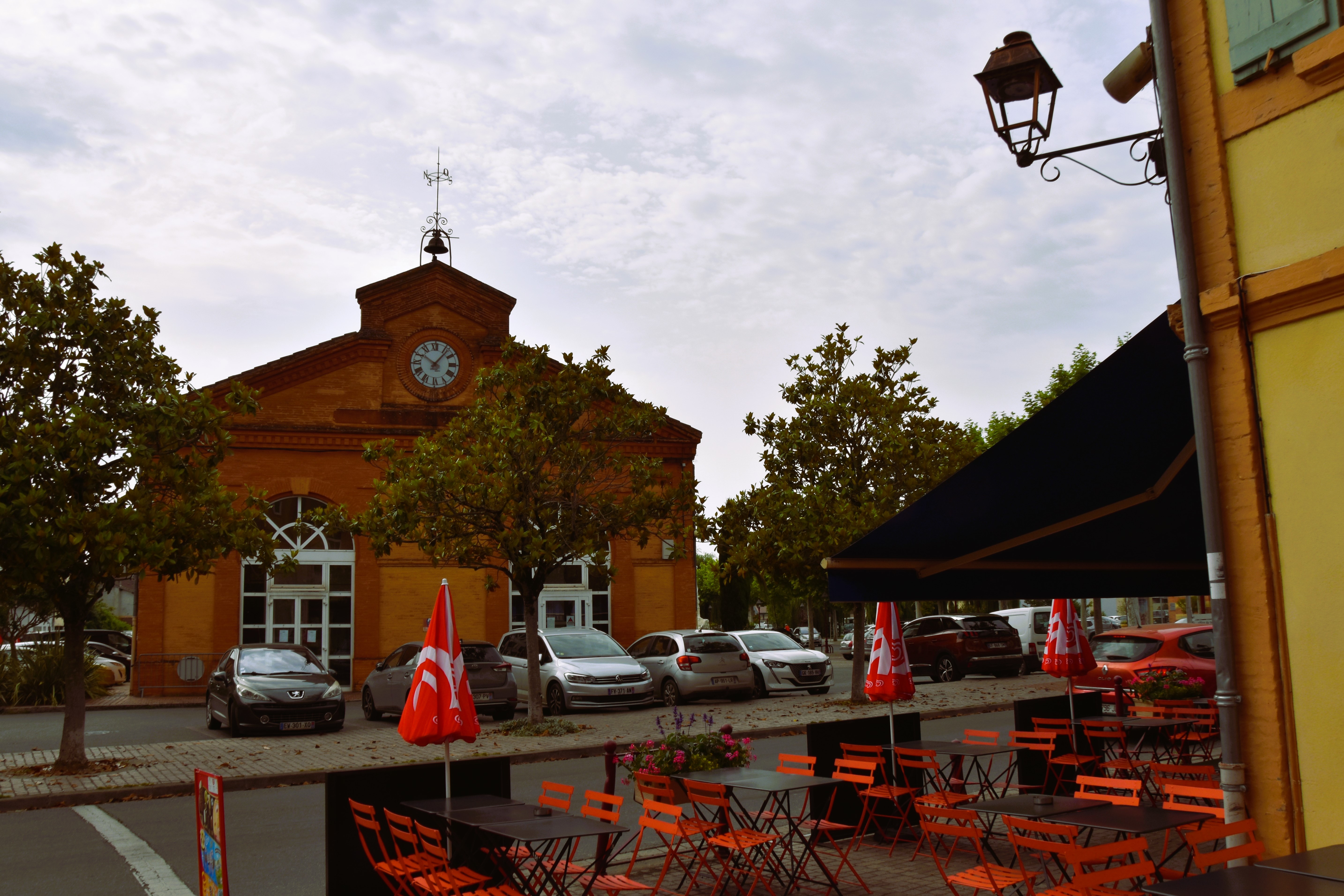

The Tourism office and the half timbered building next door illustrating the new and the old.
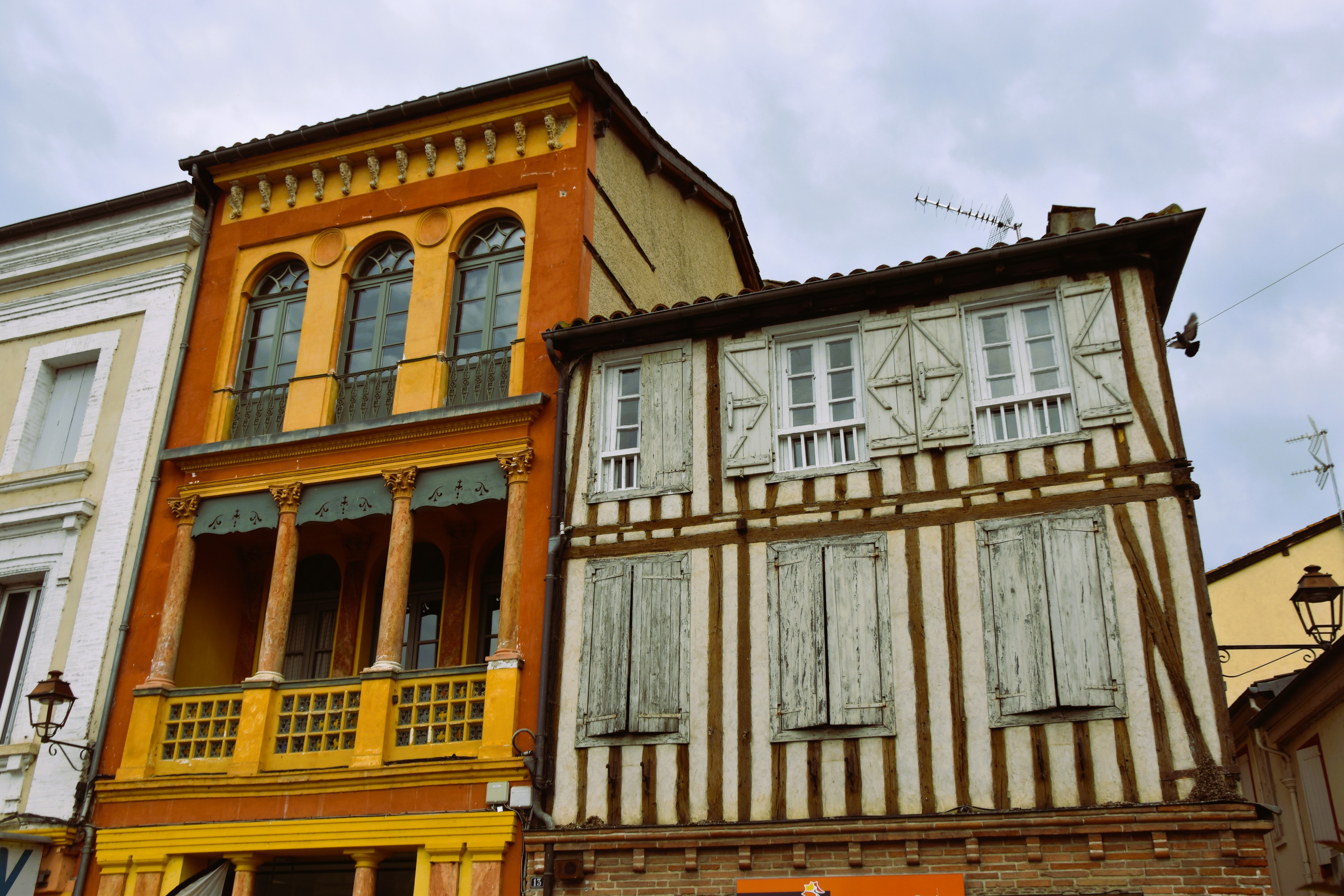
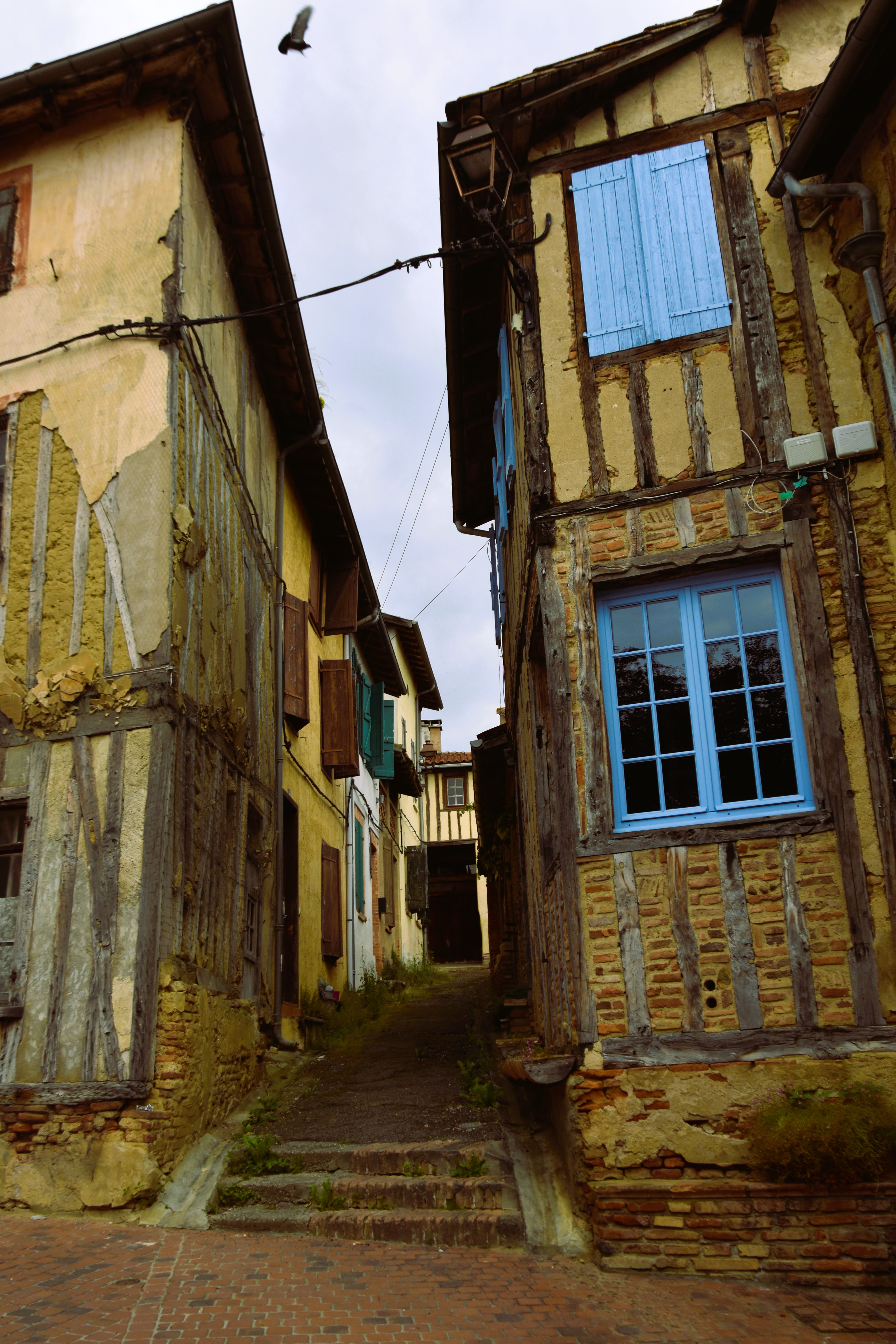
Apart from a few older buildings sandwidged between more recent ones there is just one small street that remains of the old town.

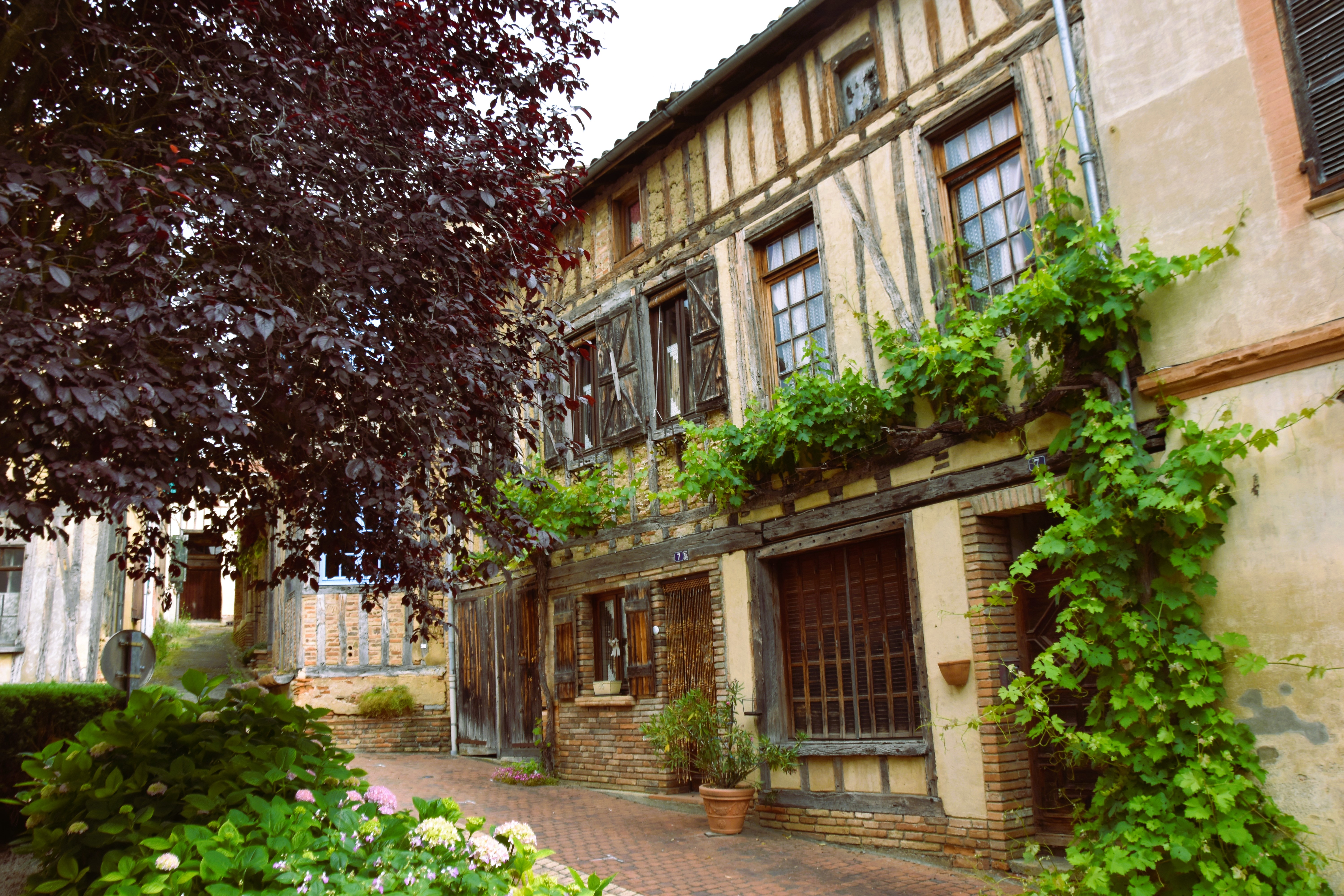
It includes this delightful square about half way up and the village pump.
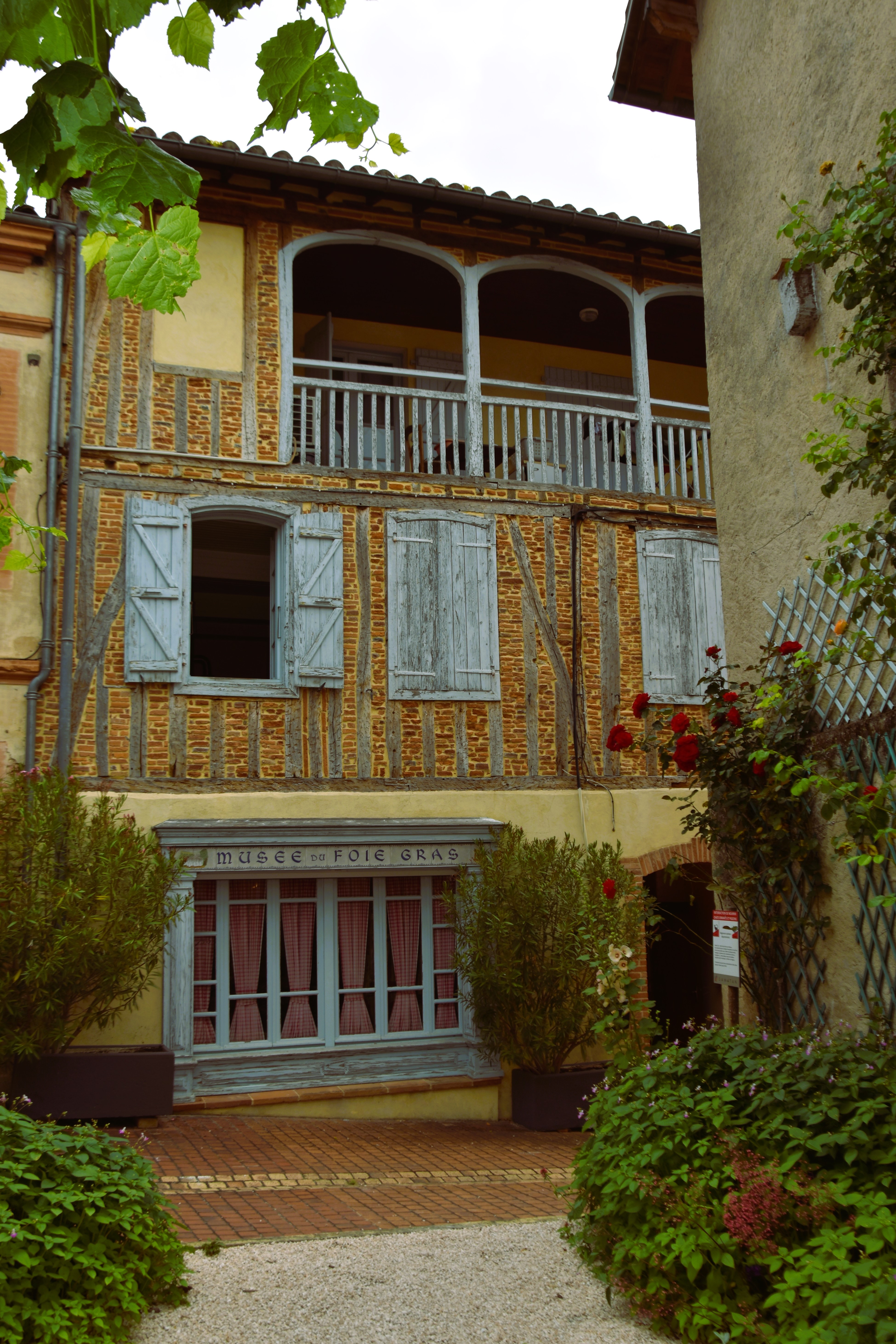
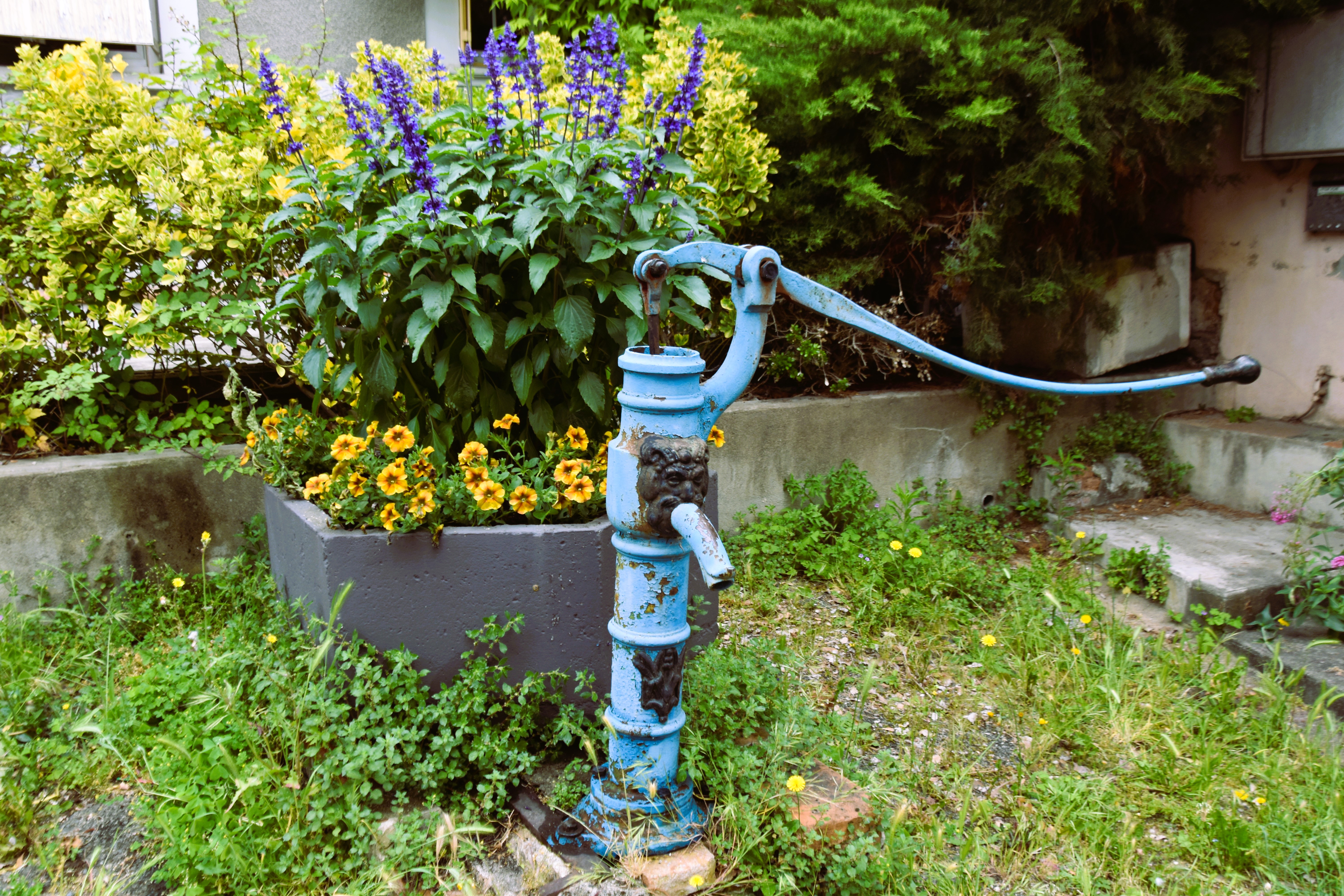
Of cource one has to be careful when trying to age buildings as beautiful old half timbered buildings are often given a “facelift” with a layer of plaster covering the olf facade. below is an example of the exposed old building methods under a peeling layer of new plaster!

I decided to move on towards Moissac with a stop tonight at St Nicolas-de-la-Grave.
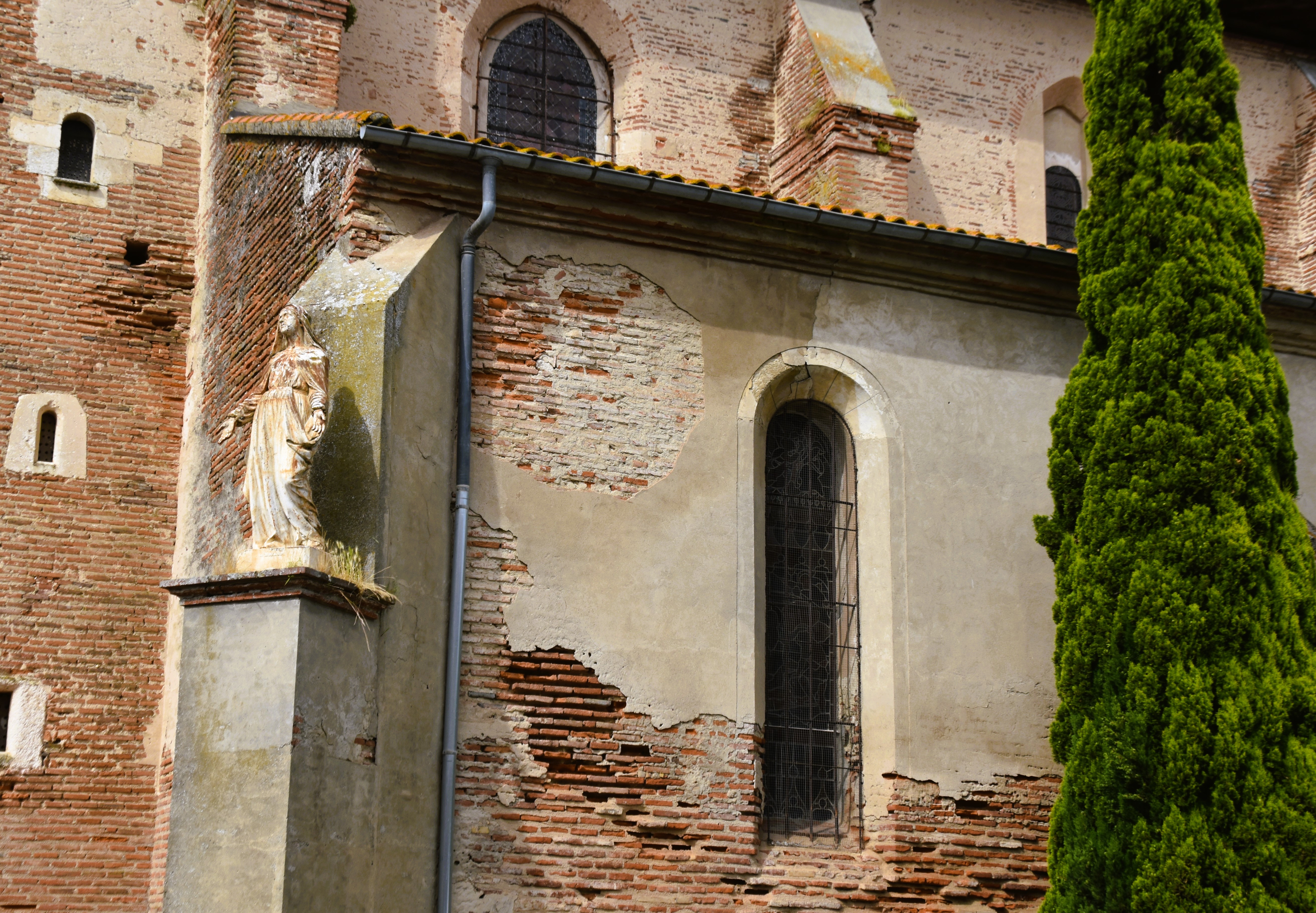
The village looks a bit sad. The church follows on from the building comment above with almost all the plaster having fall;en off.
The town’s major attraction, Chateau Coer de Lion, which houes the municipal adminstration and was built by the monks of Moissac in the C12th with the first tower added by Richard the Lion Heart (hense the name), is swaithed in scaffolding and I hope that they are going to remove the plaster and restor the original brickwork. For the moment it just looks sad.
Then there are the arcades that surround the market square, left to detieriorate


And yet……and yet…..
In the covered market there is a quartete of musians and a troup of actors/dancers practicing for a grand dinner concert to be held tomorrow evening.
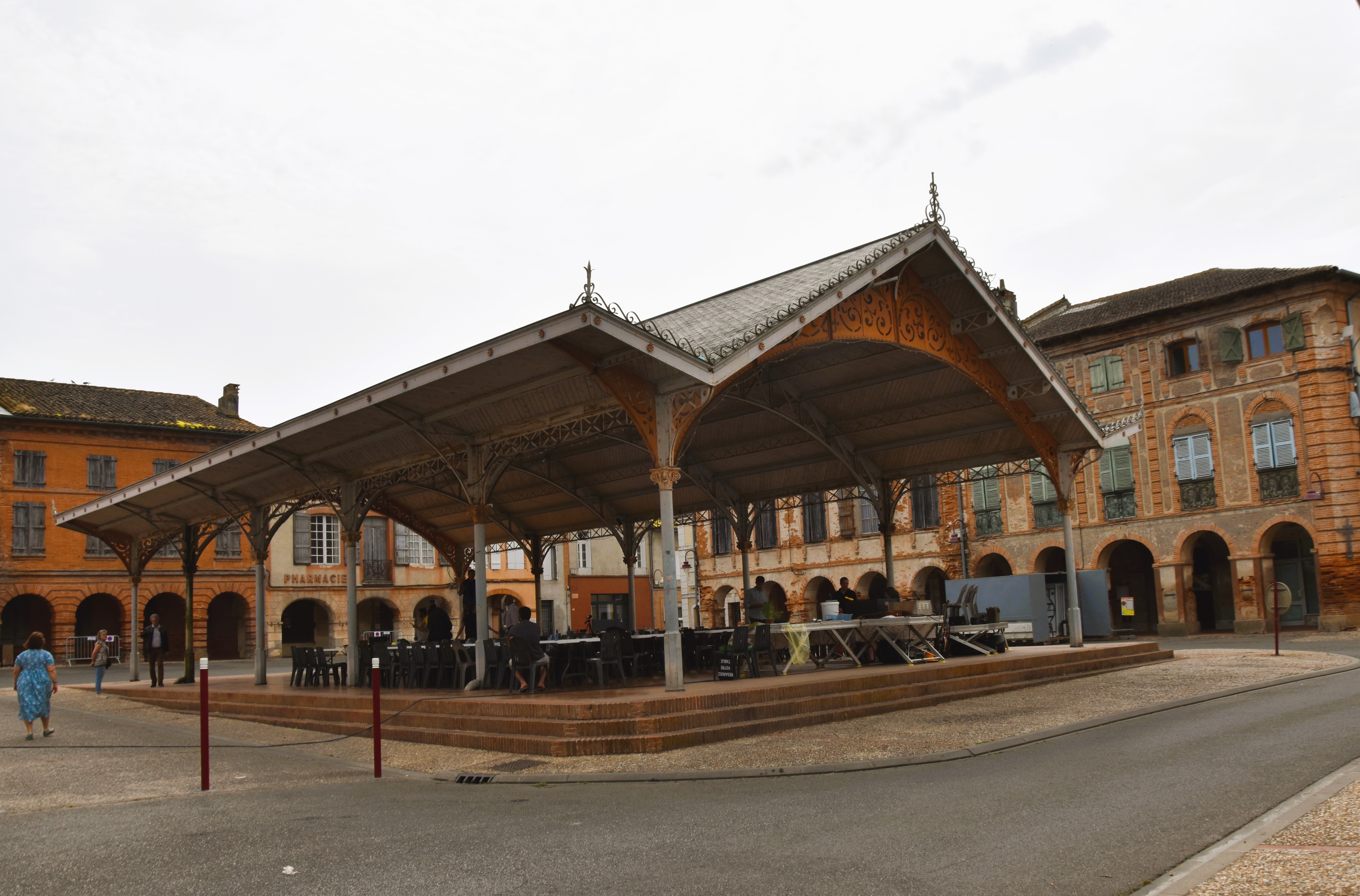

Both the pavement café’s are well supported with local folk chatting and socialising and a group of children are on the bouladrome being taught the traditional game of Boules.

watched by one of their chums
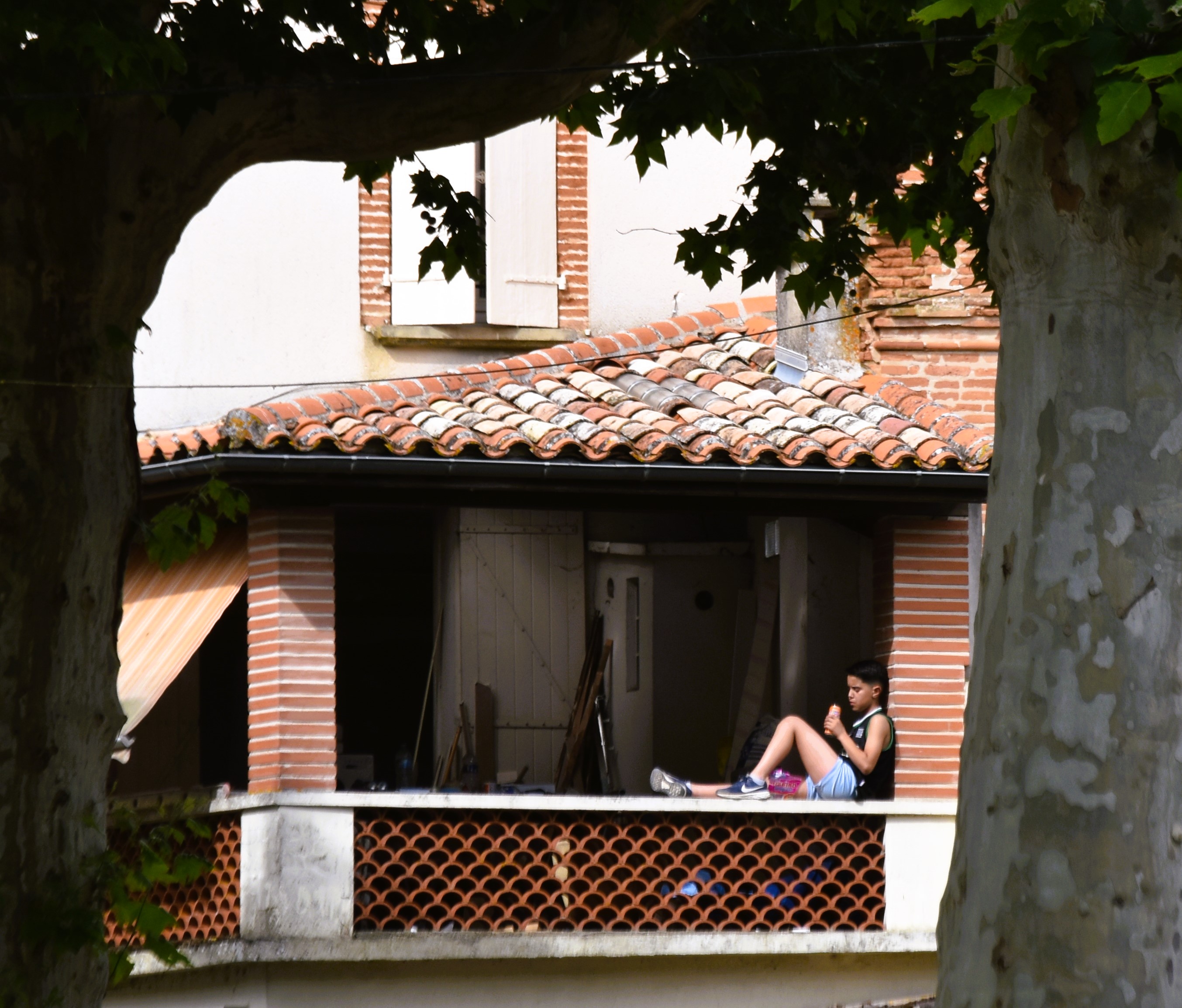
And then there are these little messages of hope and love attached to ramdome trees, posts outdoor furniture etc, obviously produced by school children.
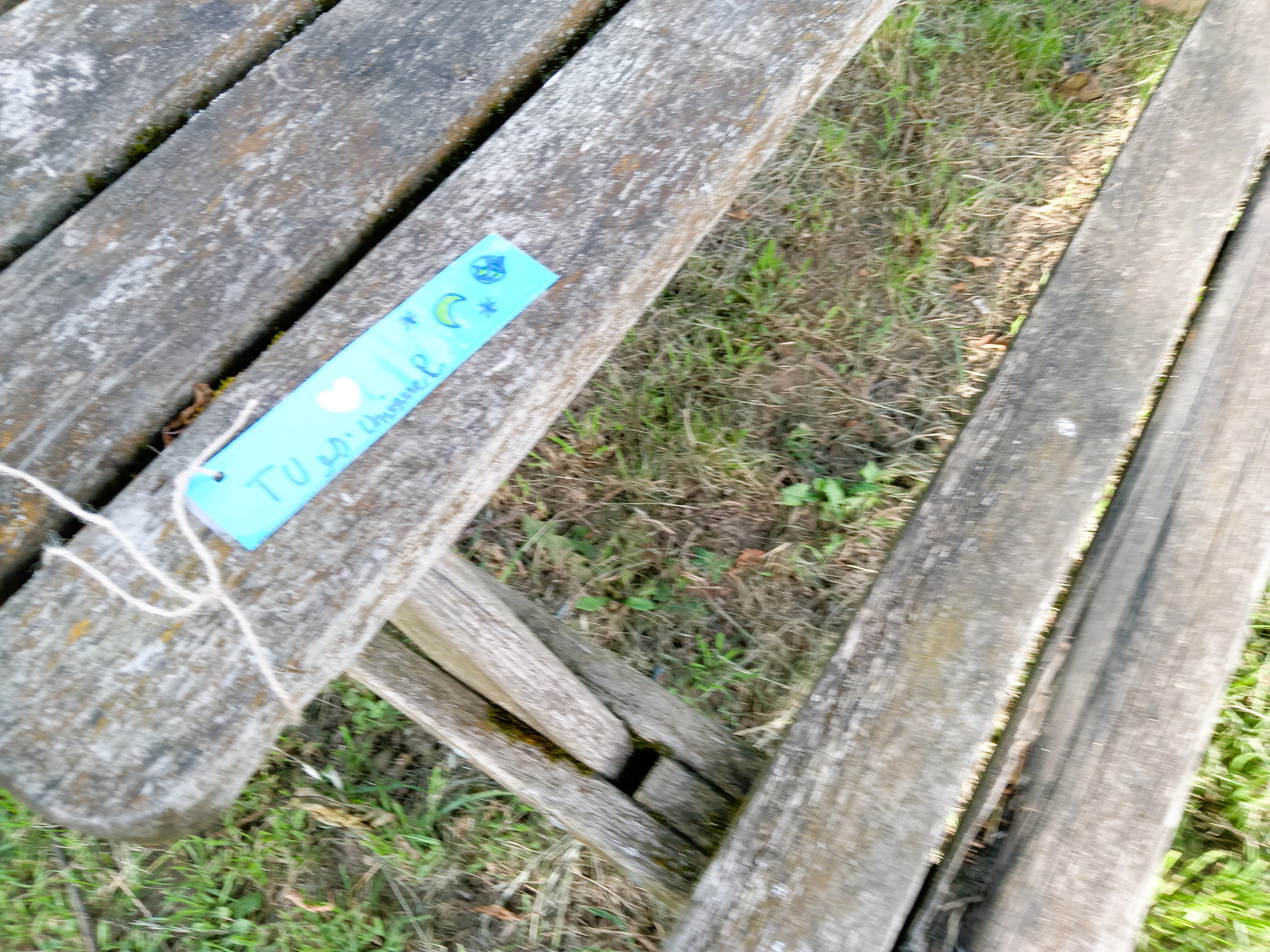
This one says ” you are unique”
So perhaps a brave little town that is spending its budget on renovating its most important historical monument.
And this is for Vicki………….
It also has a humerous and unexpected BIG/little secret……
On a side street in an unasuming little house, on the 5th March 1658 a boy was born and named, Antoine Lavmet de Lamonthe. Growing up he decided that his future would be aided by the enhancement of his name by the addition of Cadiyac (sic) behind his surname, in honnor, it is thought, of le Duc d’Epernon who was a well recognised military leader.
Antoine was involved in the colonisation of Canada and Louisiana and ultimately founded the Town of Detroit. In 1962 The Detroit Motor Company was renamed “Cadillac”. The spelling in italics above is only for French pronociation pruposes. (and of course not to spoil the story)
So from these modest beginnings in this unassuming little French rural town – a Big, Flashy, Chrome encased, Fishtailed automotive dream – was born.
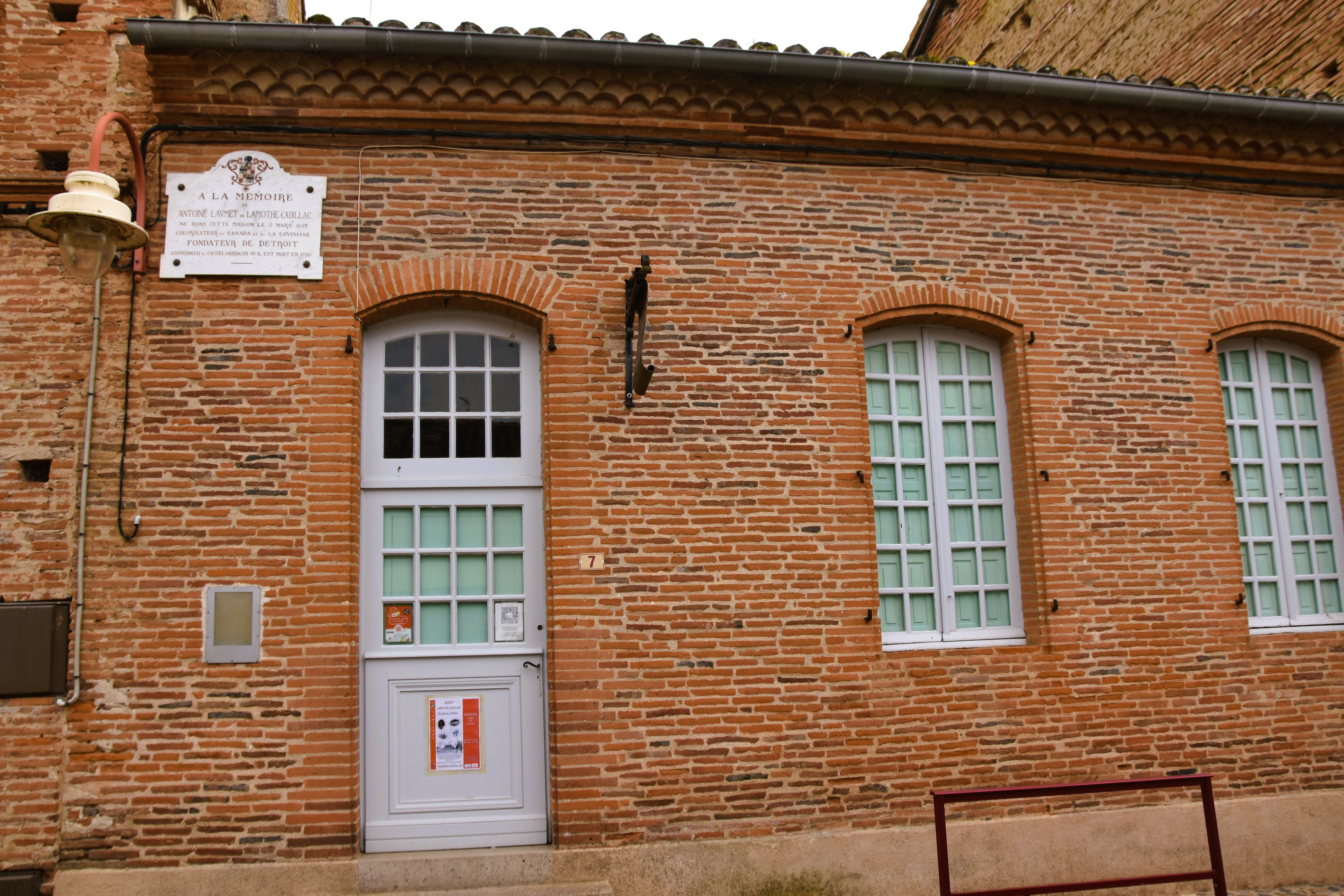
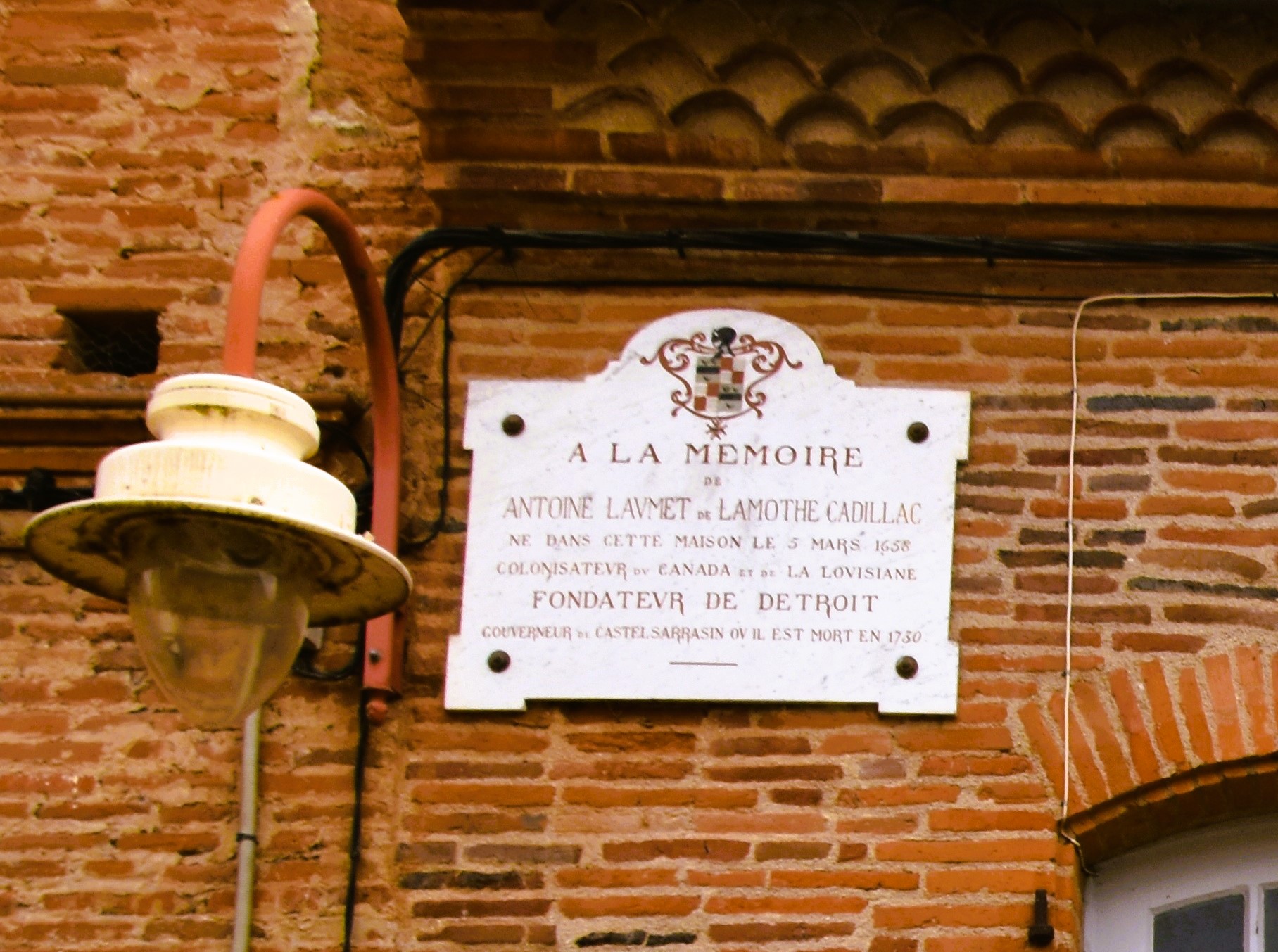
And the story doesn’t stop there. On our evening walk we happened upon the back of Cadillac’s birthplace and …….
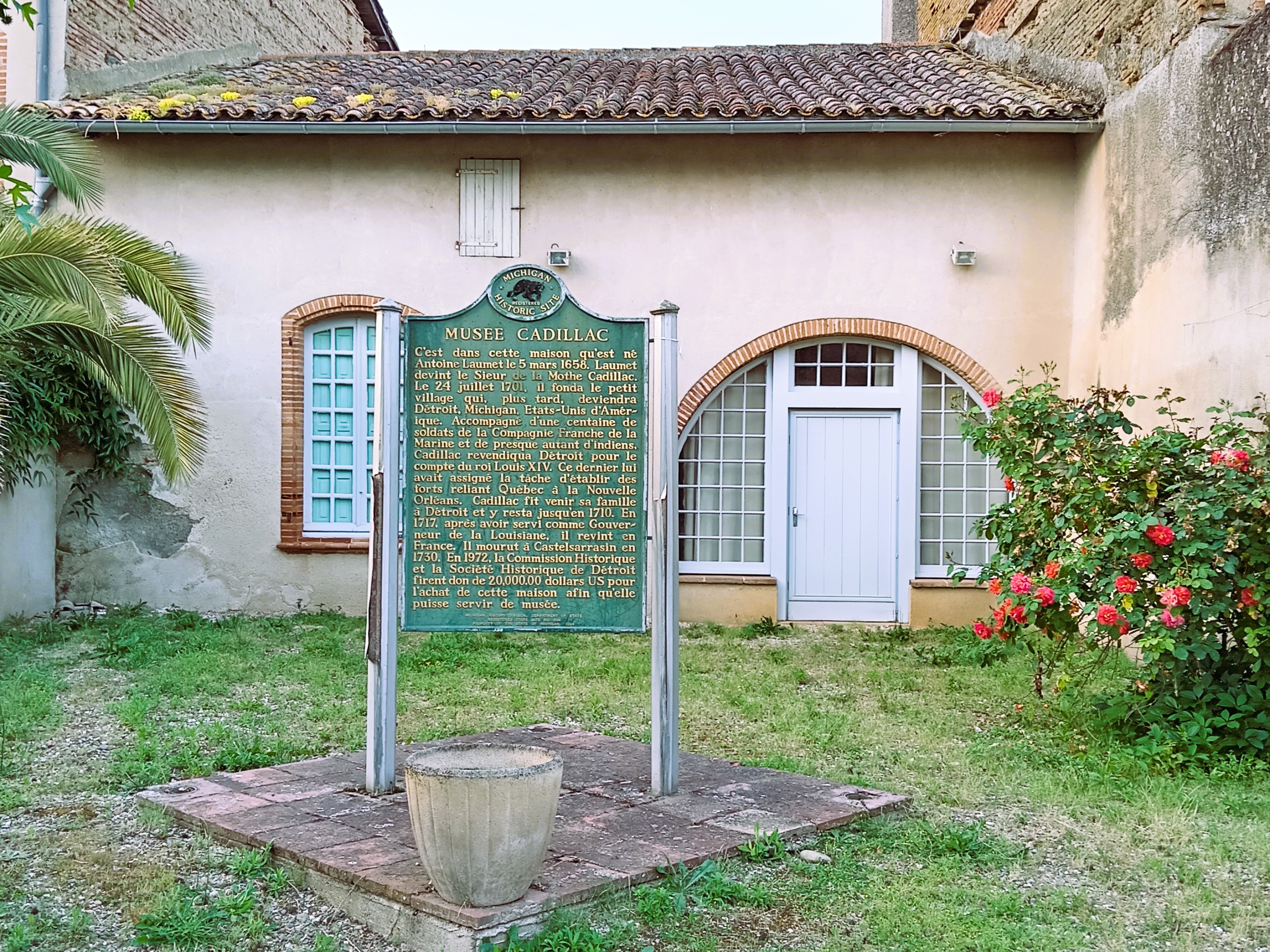
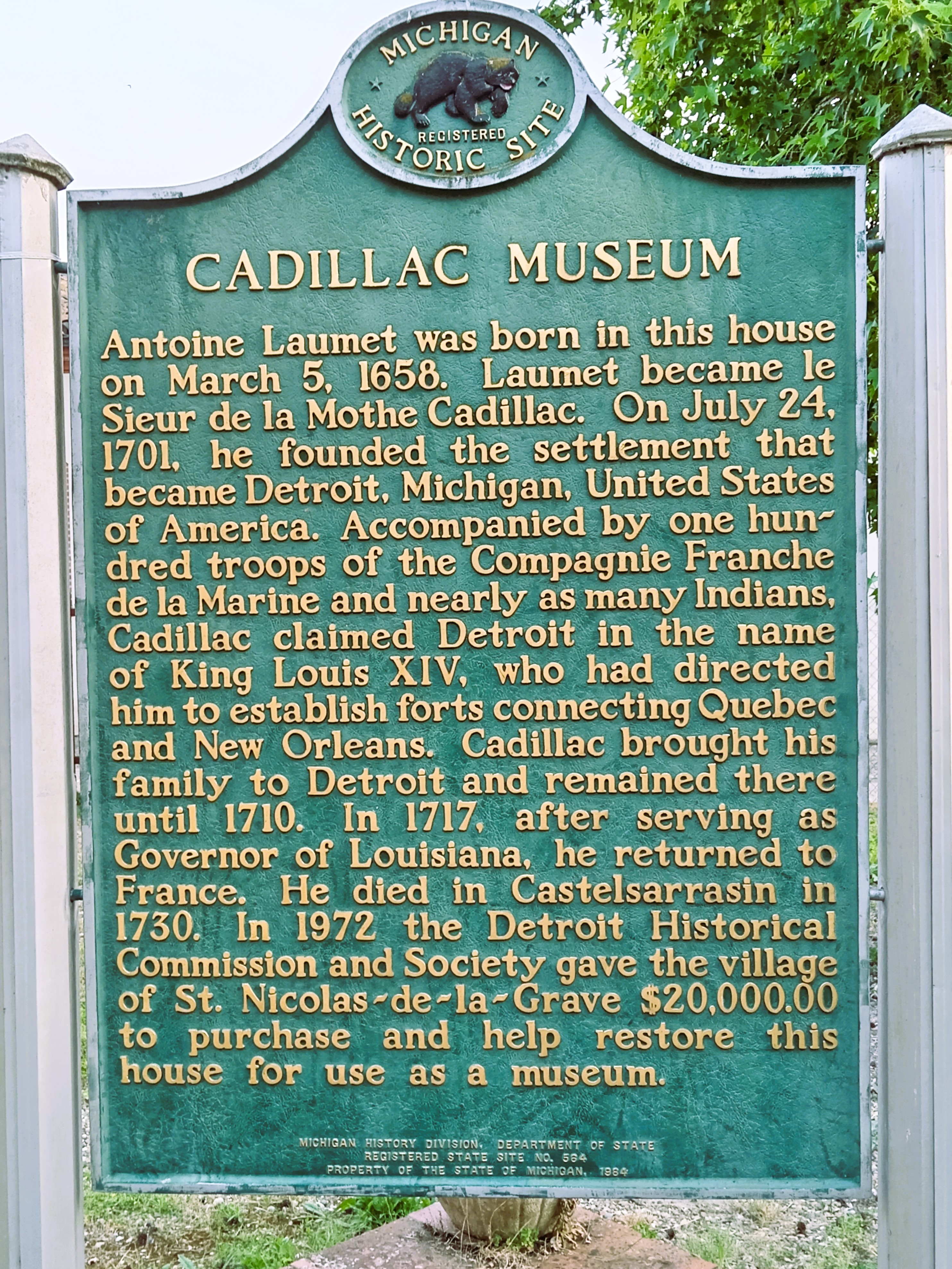
it seems we owe the existance of this museum to our friends across the pond. Specifically The Historical Commission and Society of Detroit who gave the commune $20,000 to purchase the building and do the necessary renovations in order to create the museum.

The concert was gratifyingly well attended.
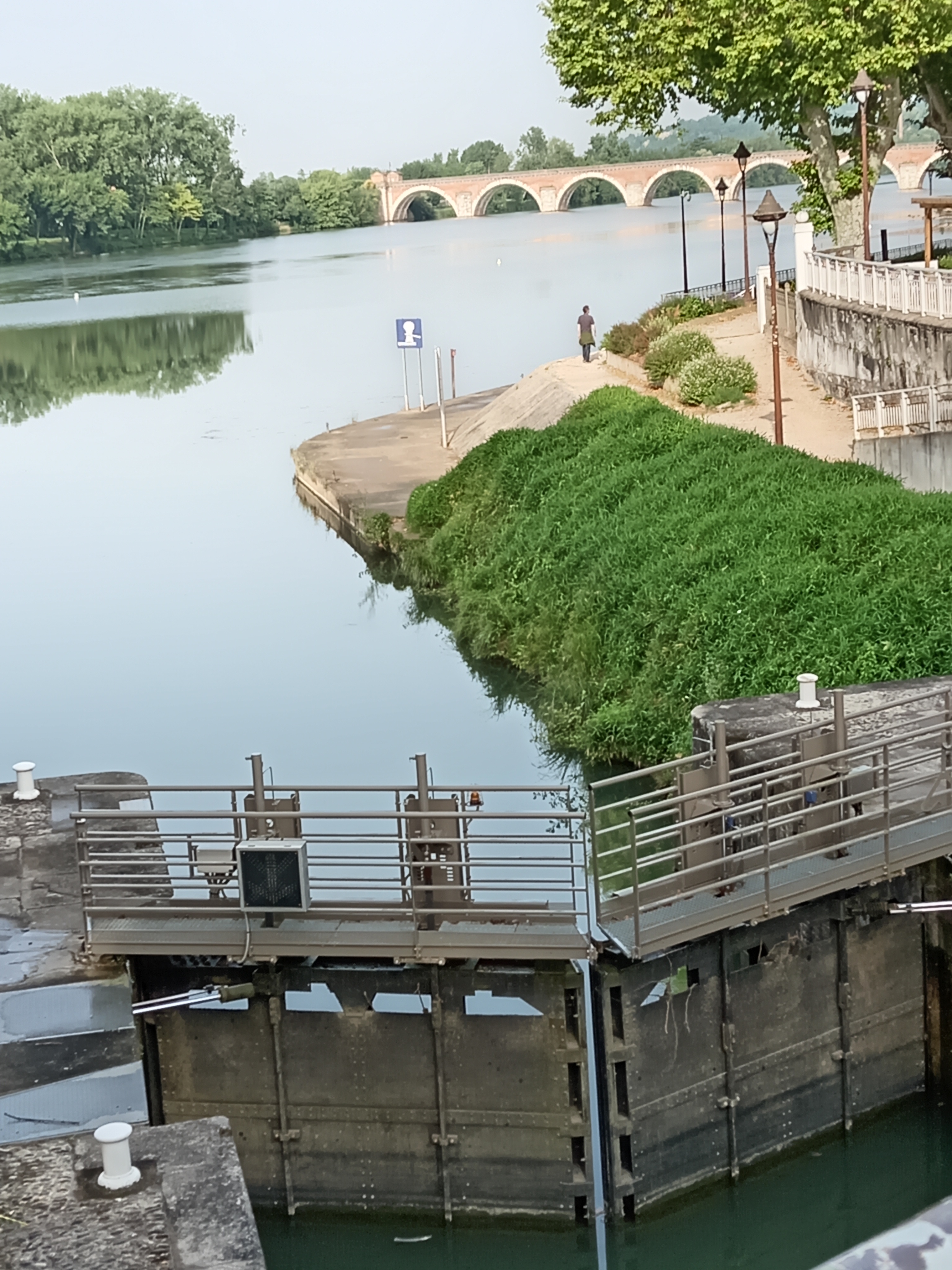
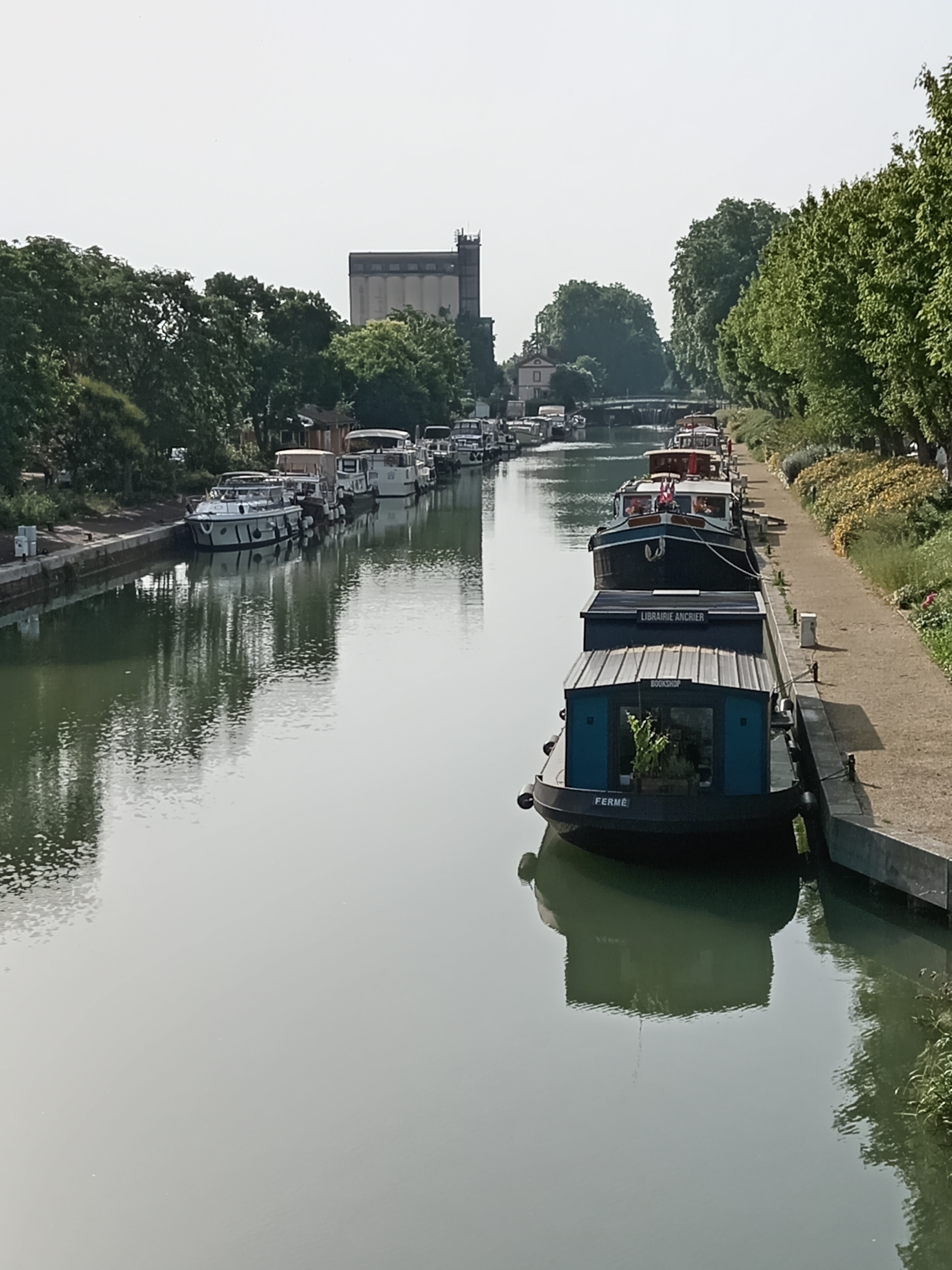
8th. Left St Nicolas early morning and drove the 9k to Moissac with the aim of getting well installed in the Aire in order to have two full days in which to catch up with work and have a good look arround. The Town sits at th confluence of several waterways, all navigable. The Tarn and Garron rivers and The Canal Lot à la Garrone which is an extention of the Canal du Midi flowing from Toulous to Bordeaux. So lots of lovely boat and water photos.
Parked up outside the Aire, because I do not want to start my 24 hours this early, and took Cassidy for a walk. I was rewarded by lovely reflections on tnhe river Tarn
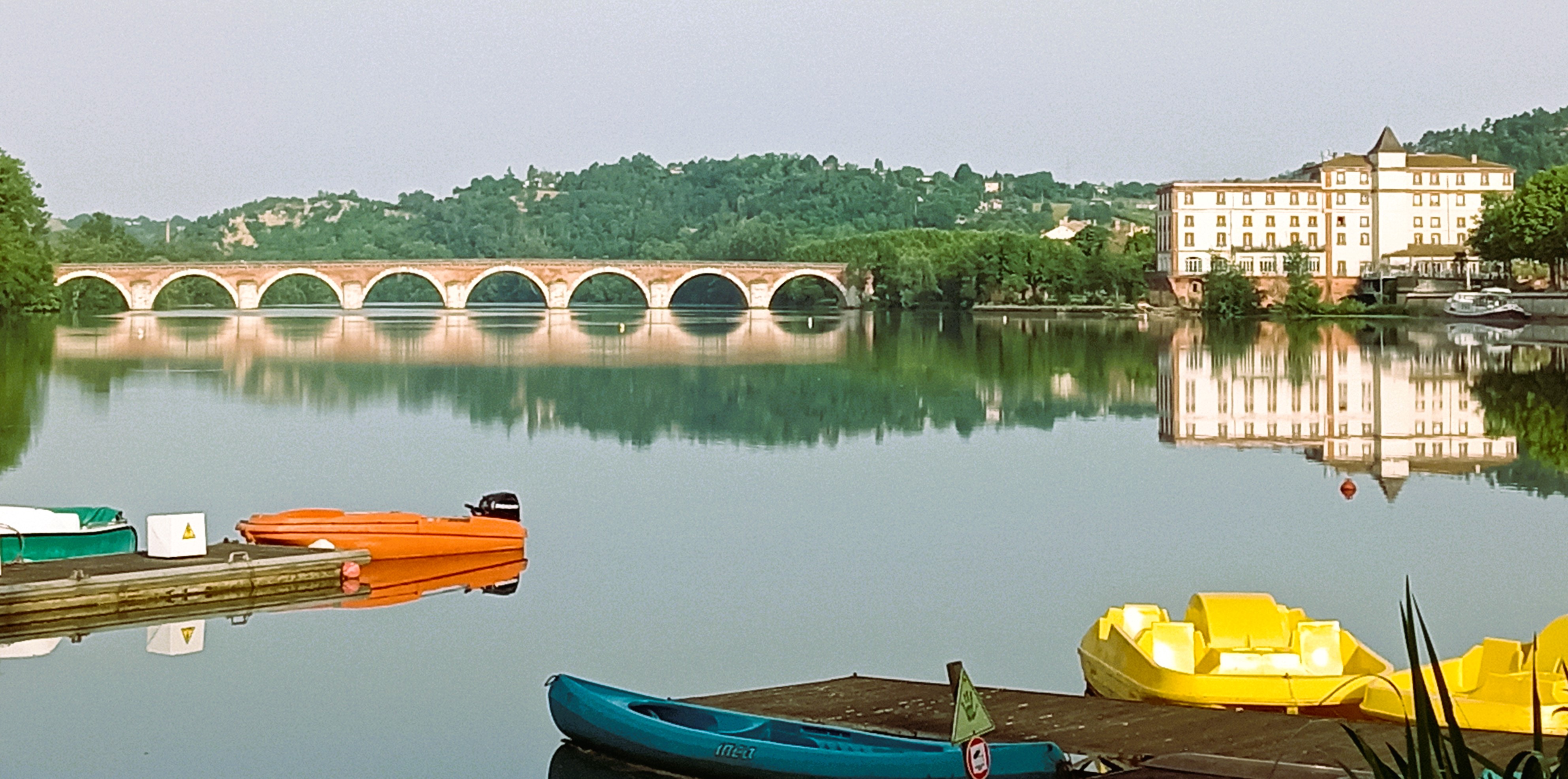
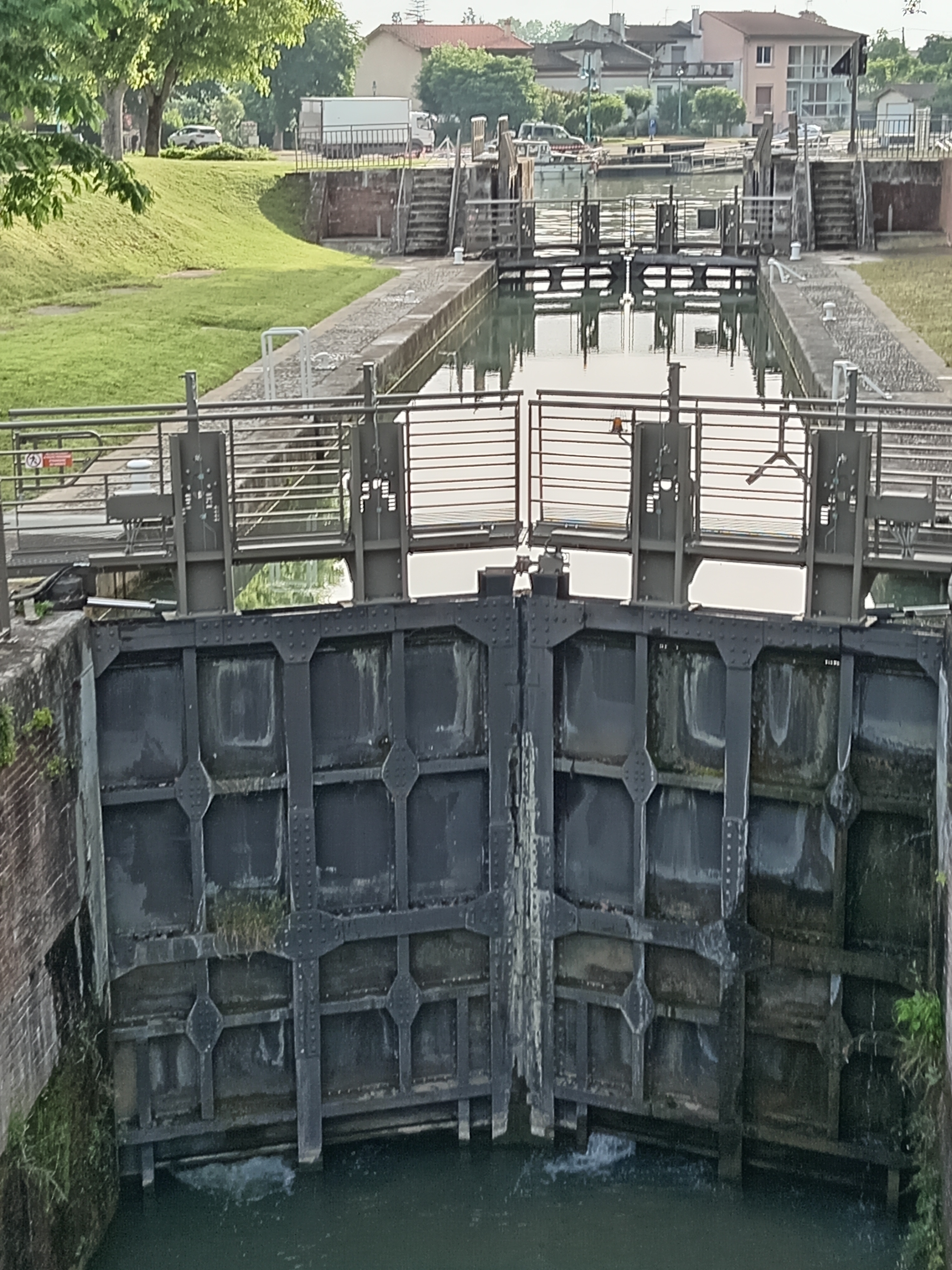
You descend to the River from the canal via a set of huge locks
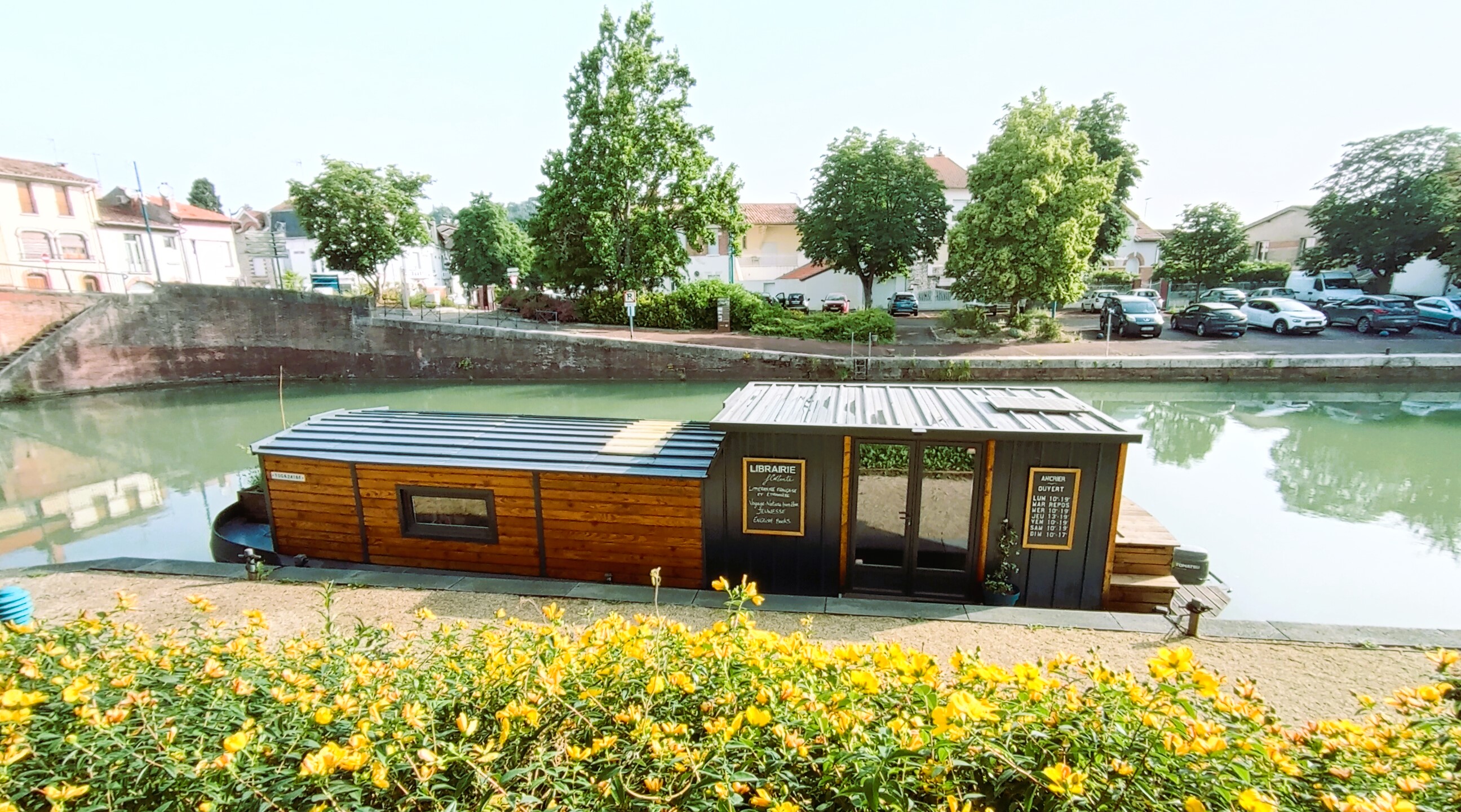
Lots of boats are moored along the canal including this Library/book shop booat
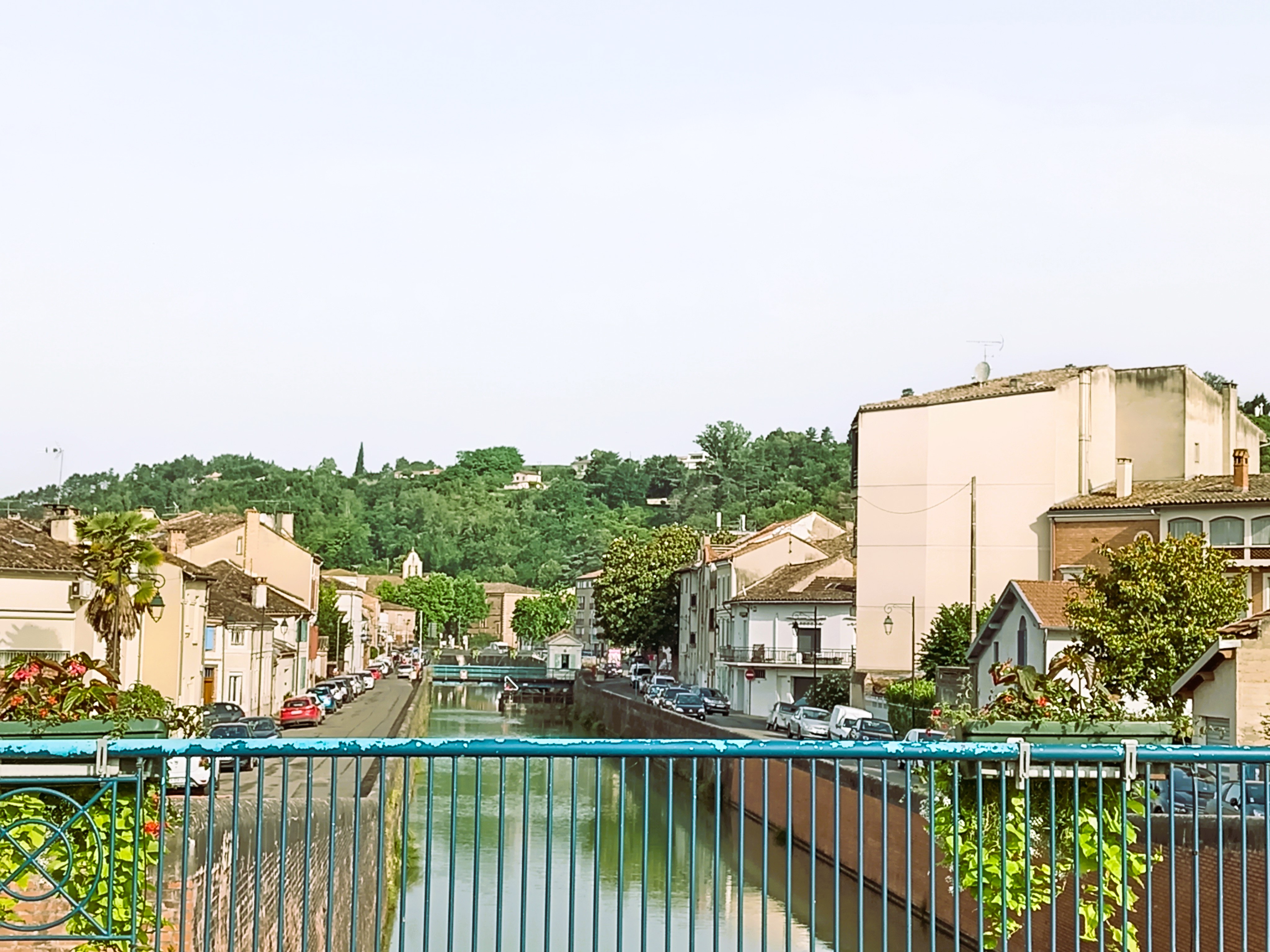
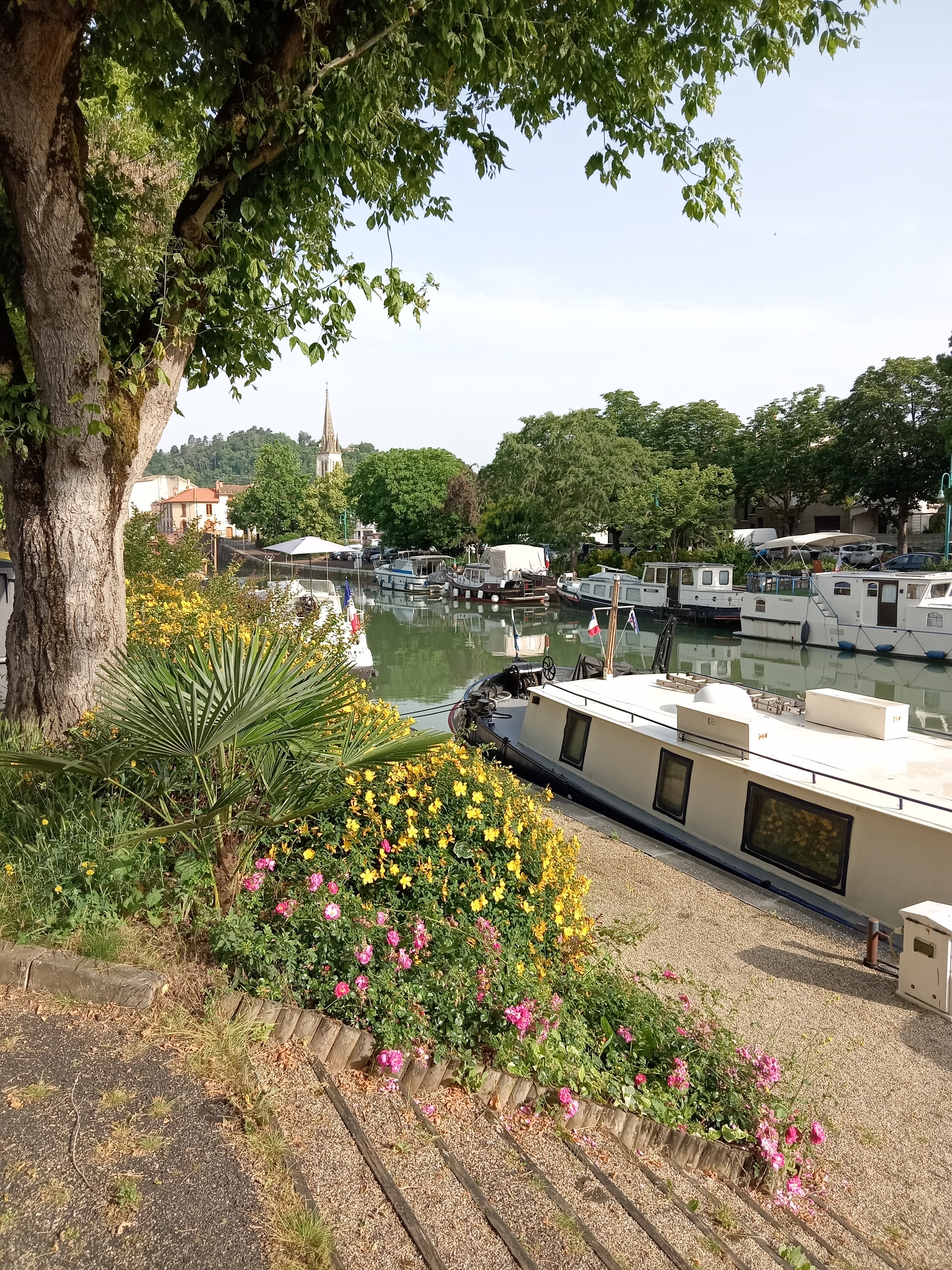
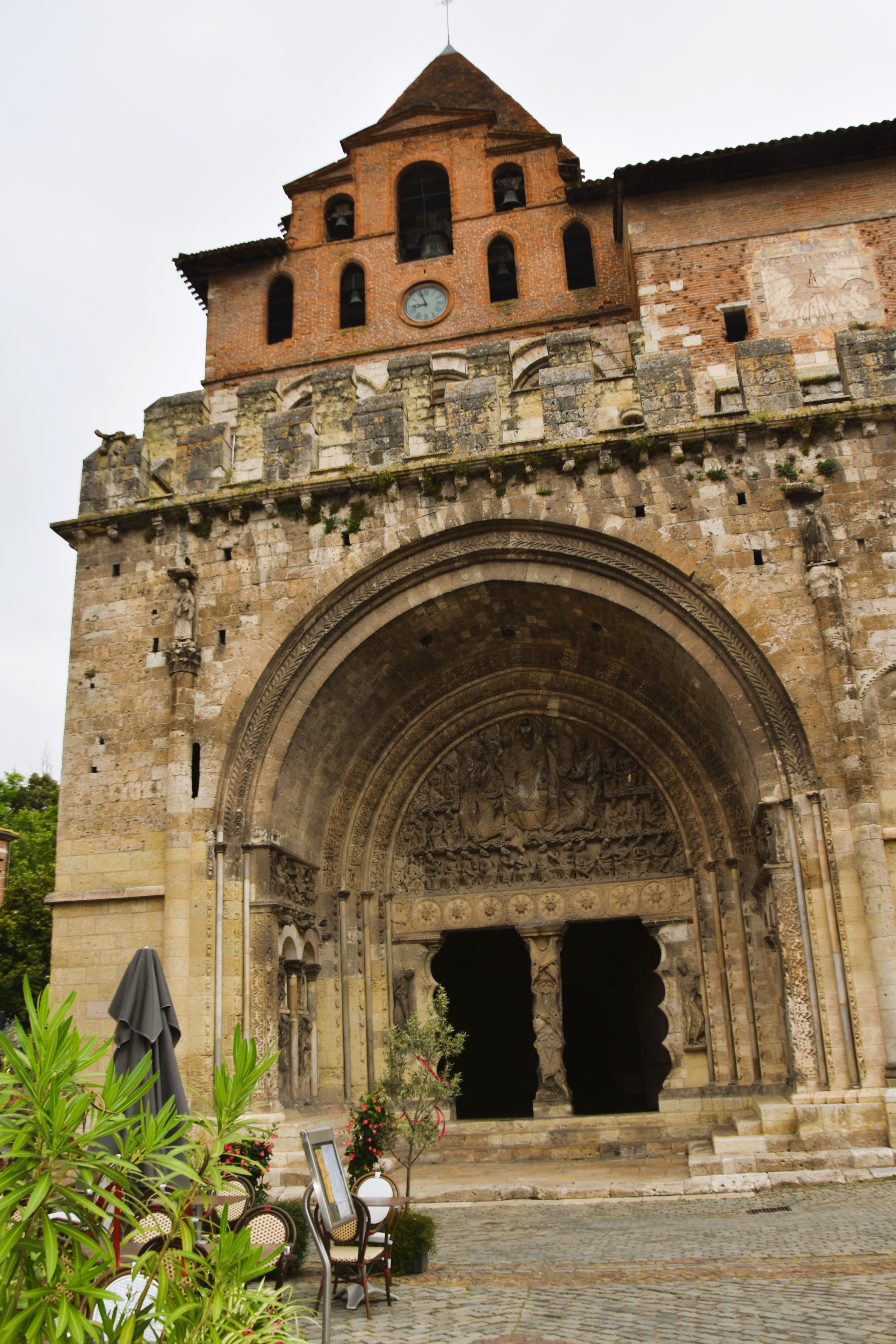
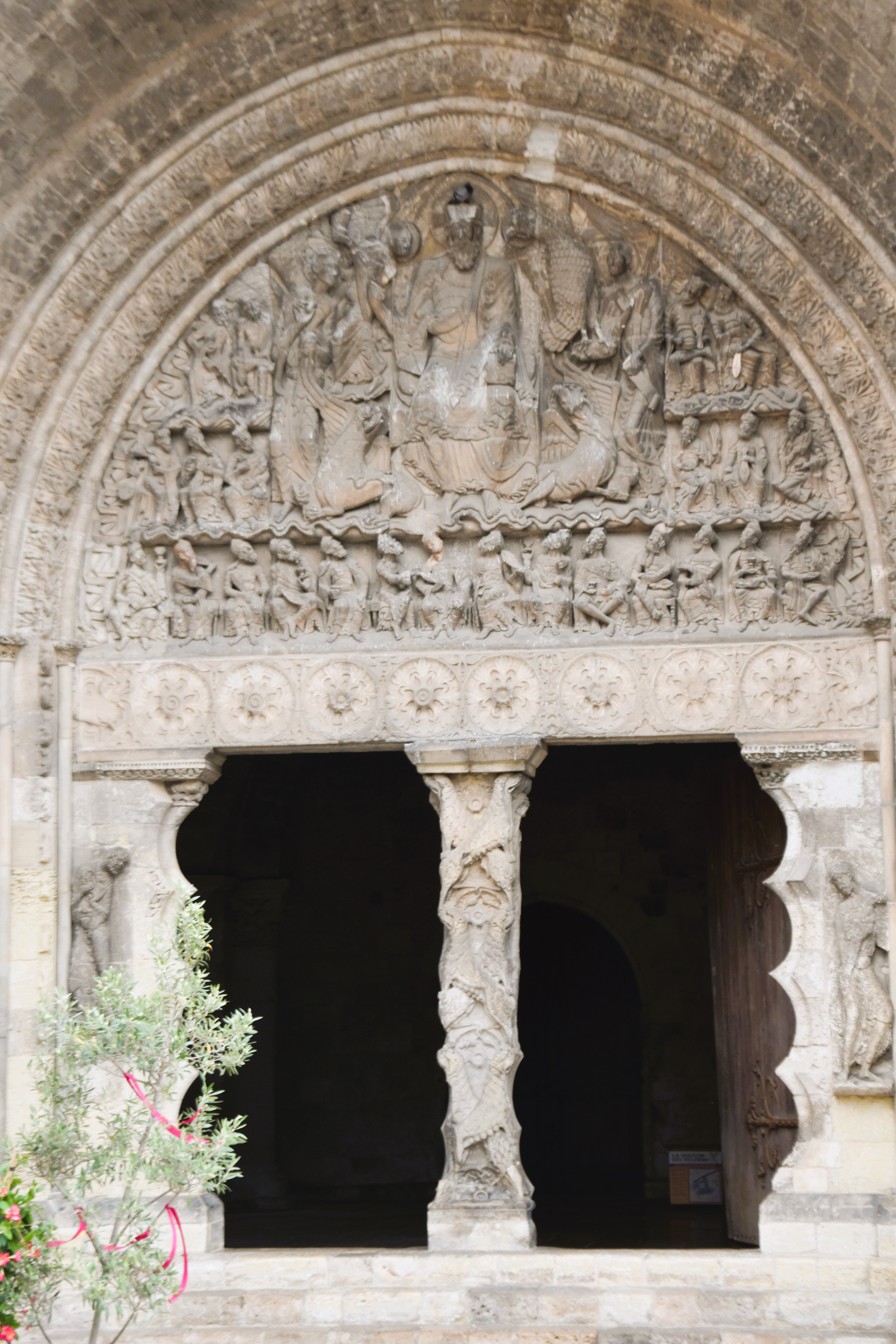
9th. Set off early firstly to walk my way out of here between all the canal and river bridges onto the road to Montjoi for tomorrow. Having established that it was off to look at the Abby of St. Piérre.
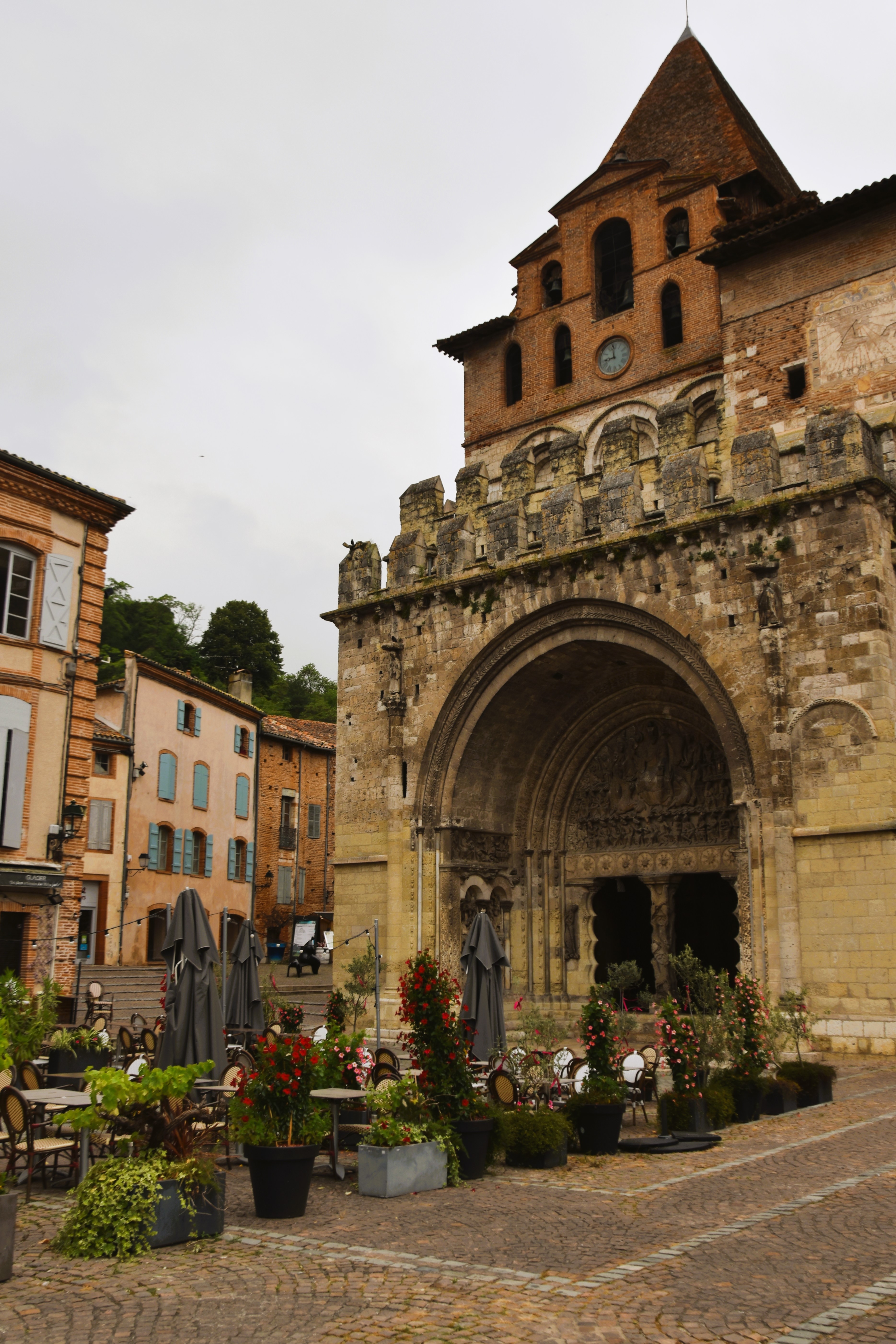
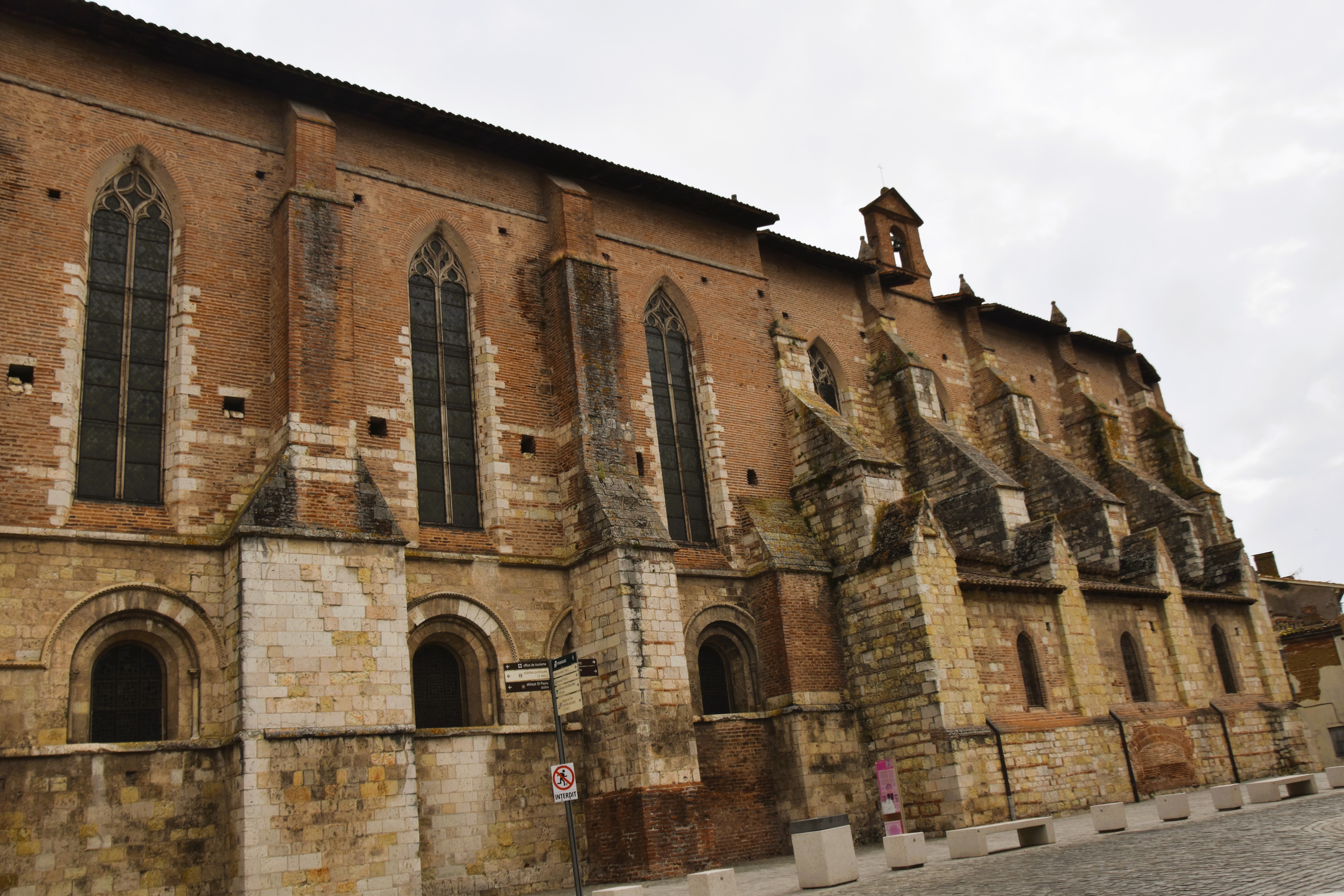
With its extrodiary carved portal
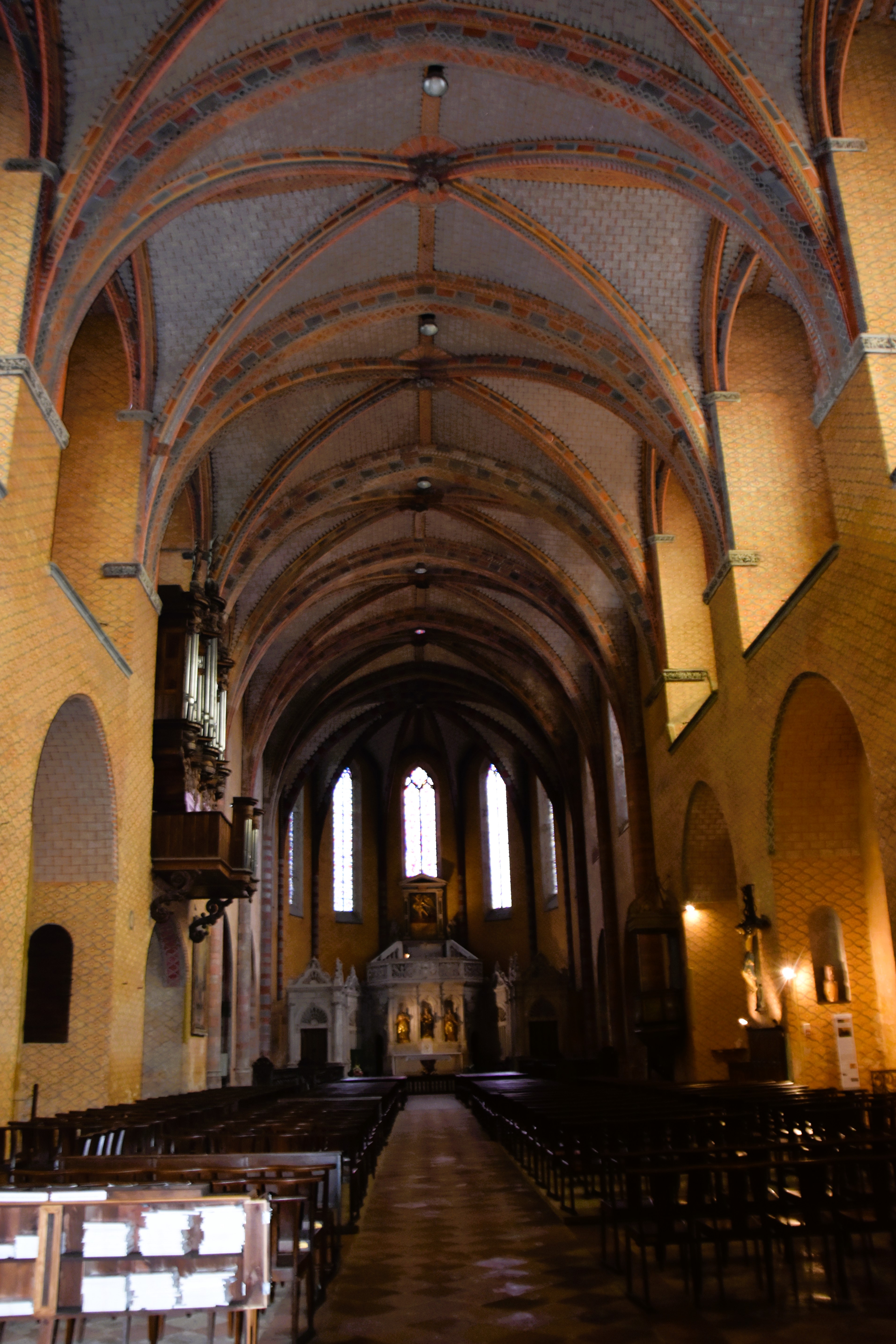
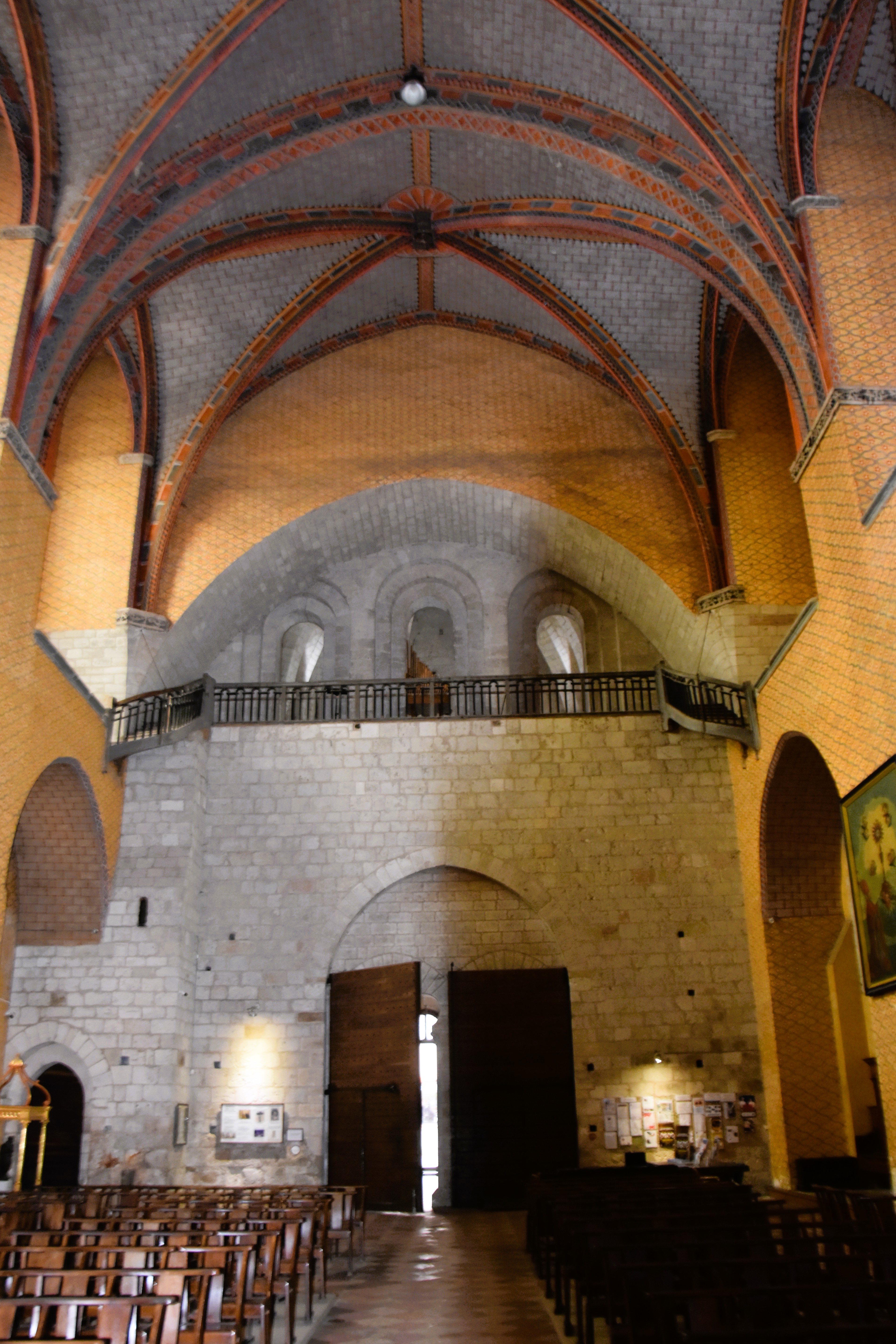
And the painted interior of the church just as it would have been in the middle ages
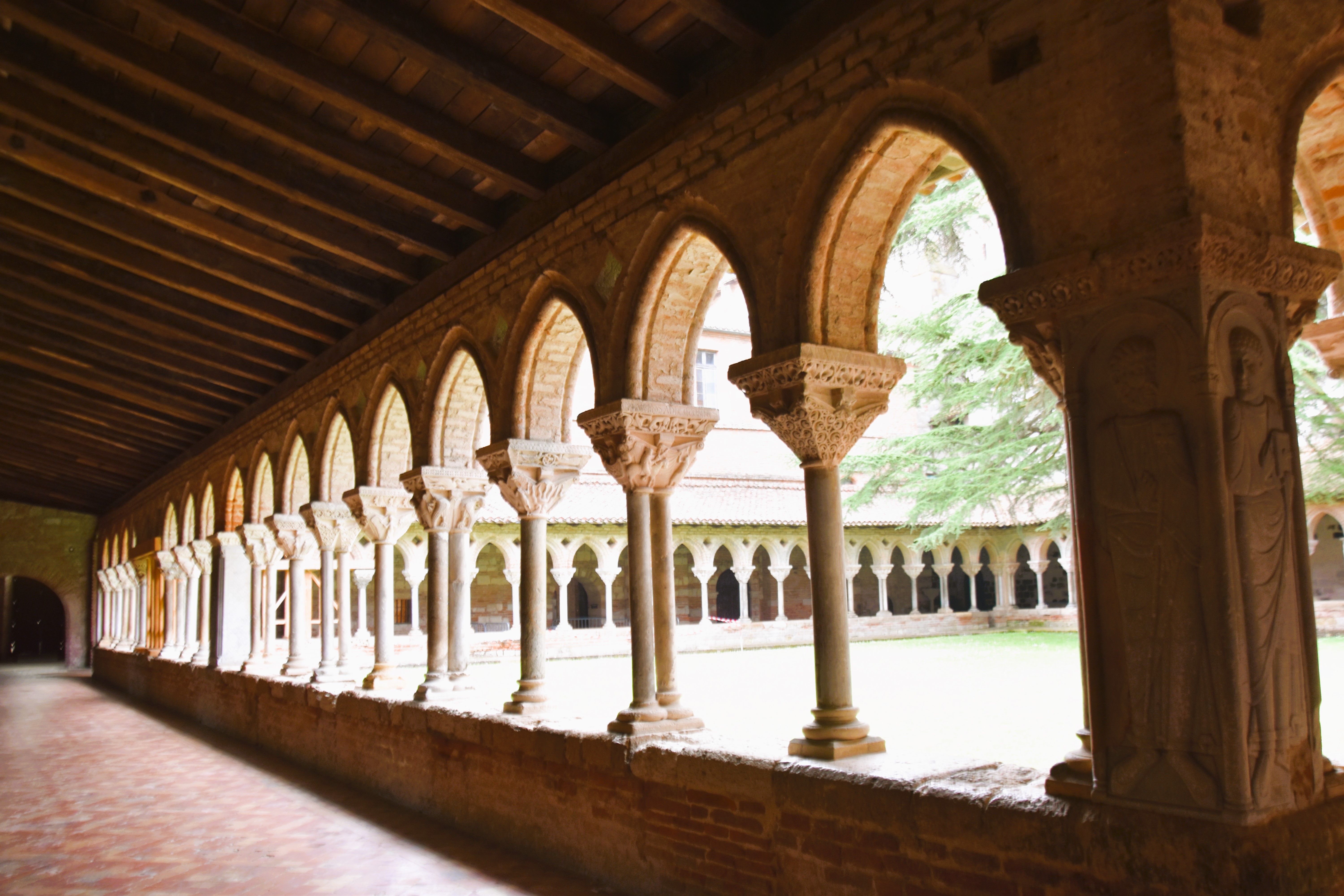
What I really wanted to see was the cloisters but I suspected that I wouldn’t be allowed in with cassidy which was confirmed by the nice young man on the desk. I say “nice young man” because he agreed to let me pop my head in for five minutes if I secured the dog outside. Which I did.


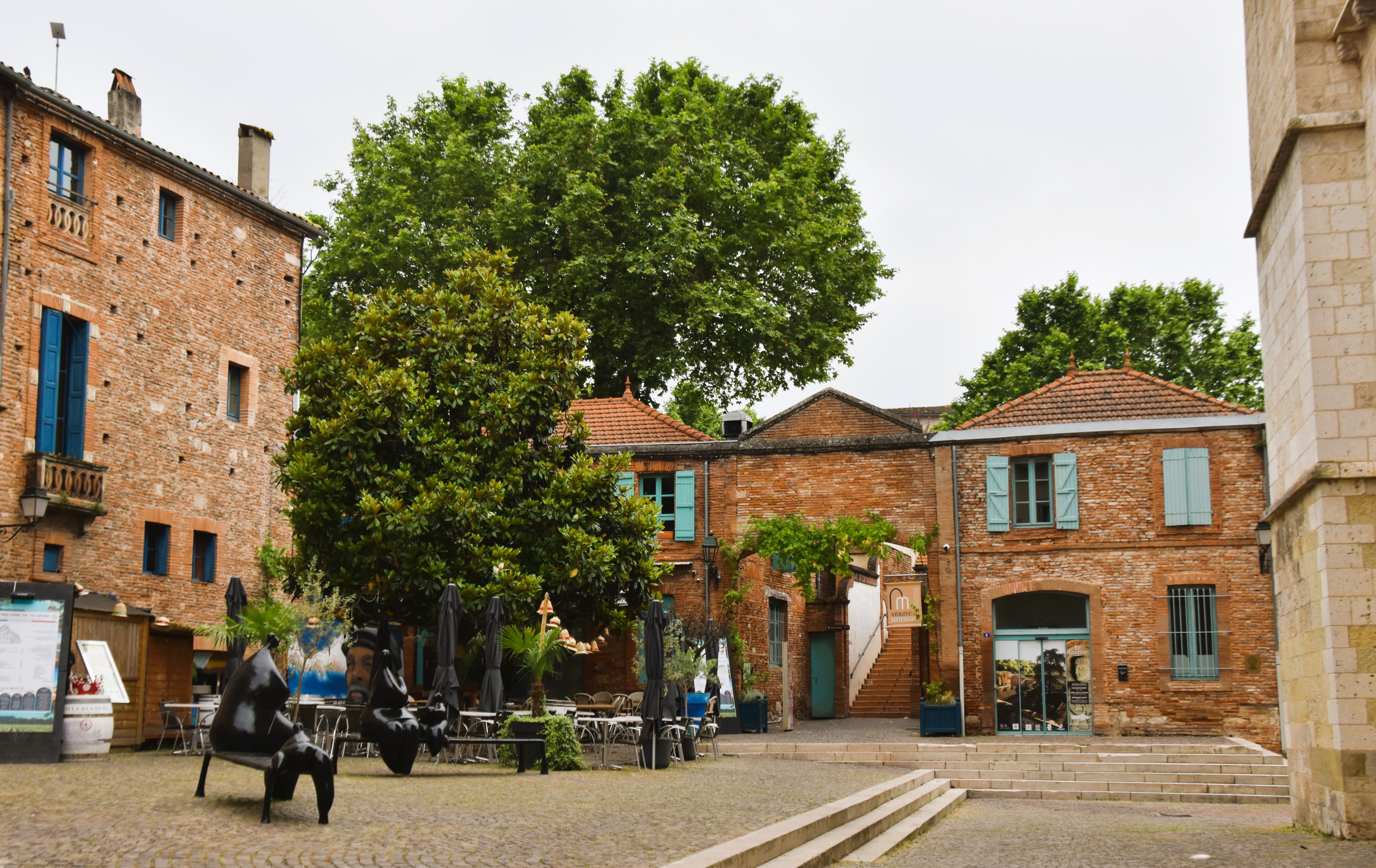
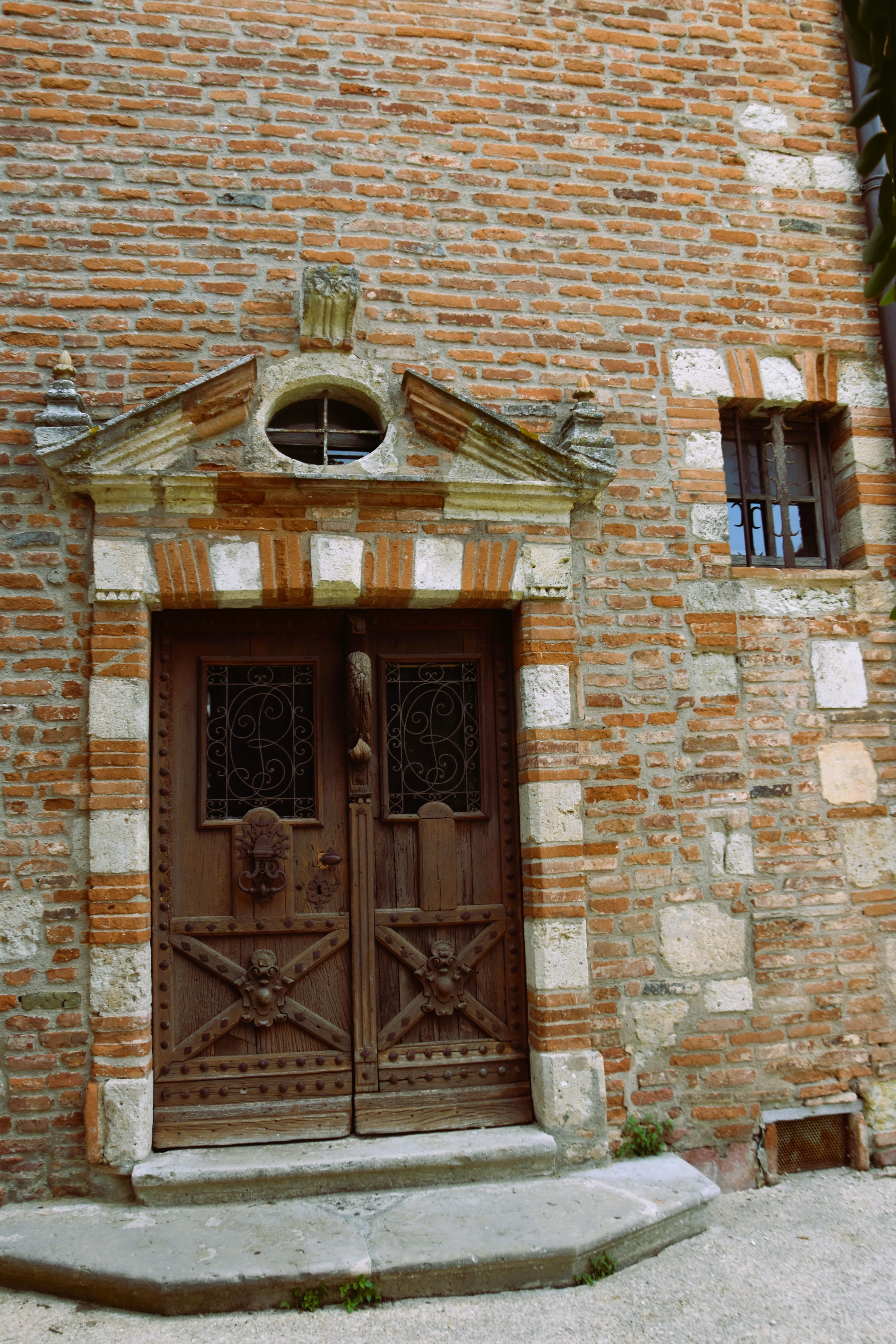
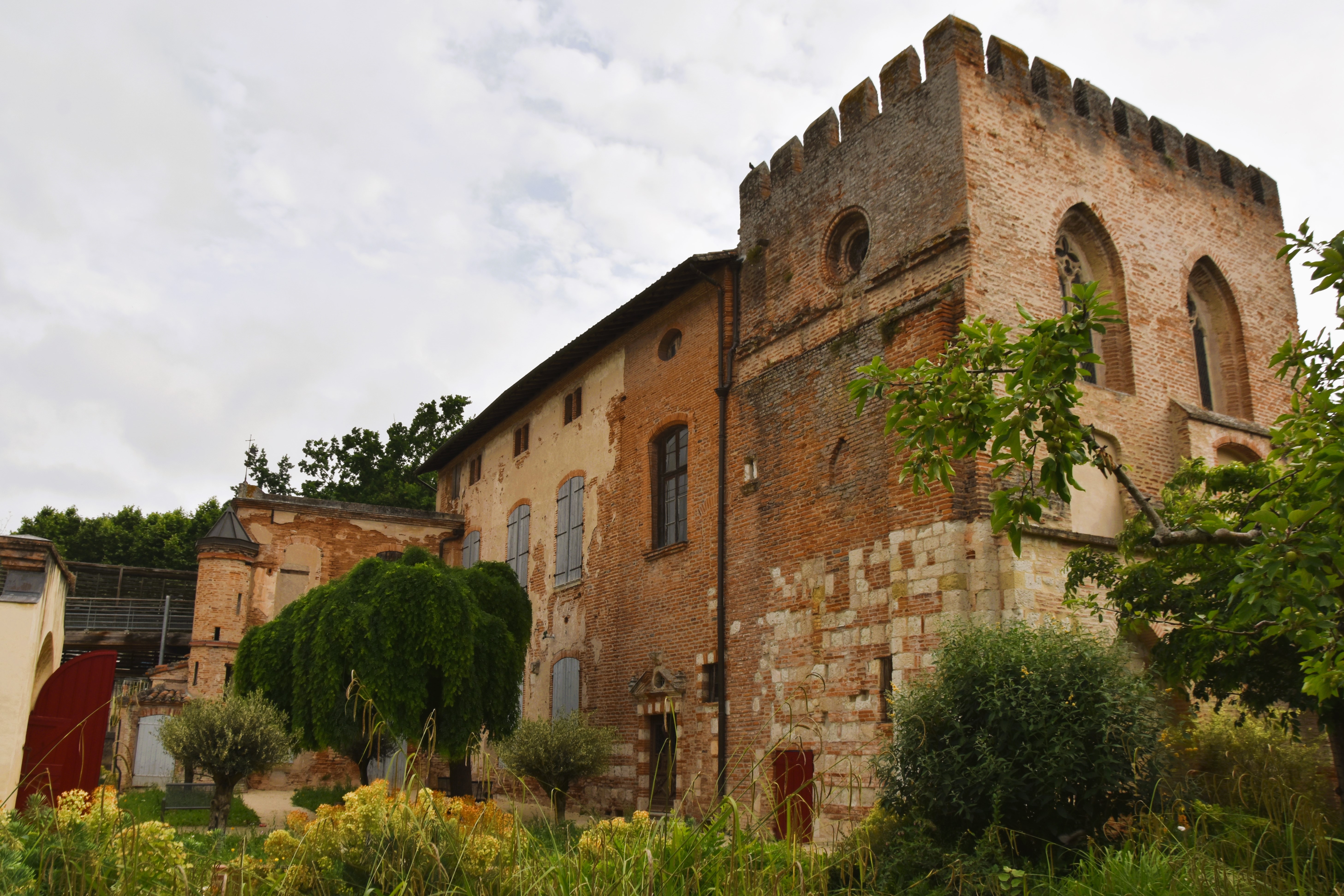
Moissac is a major stopping point on the Camino de St Jacques de Compostelle as is evedenced in many ways in the town
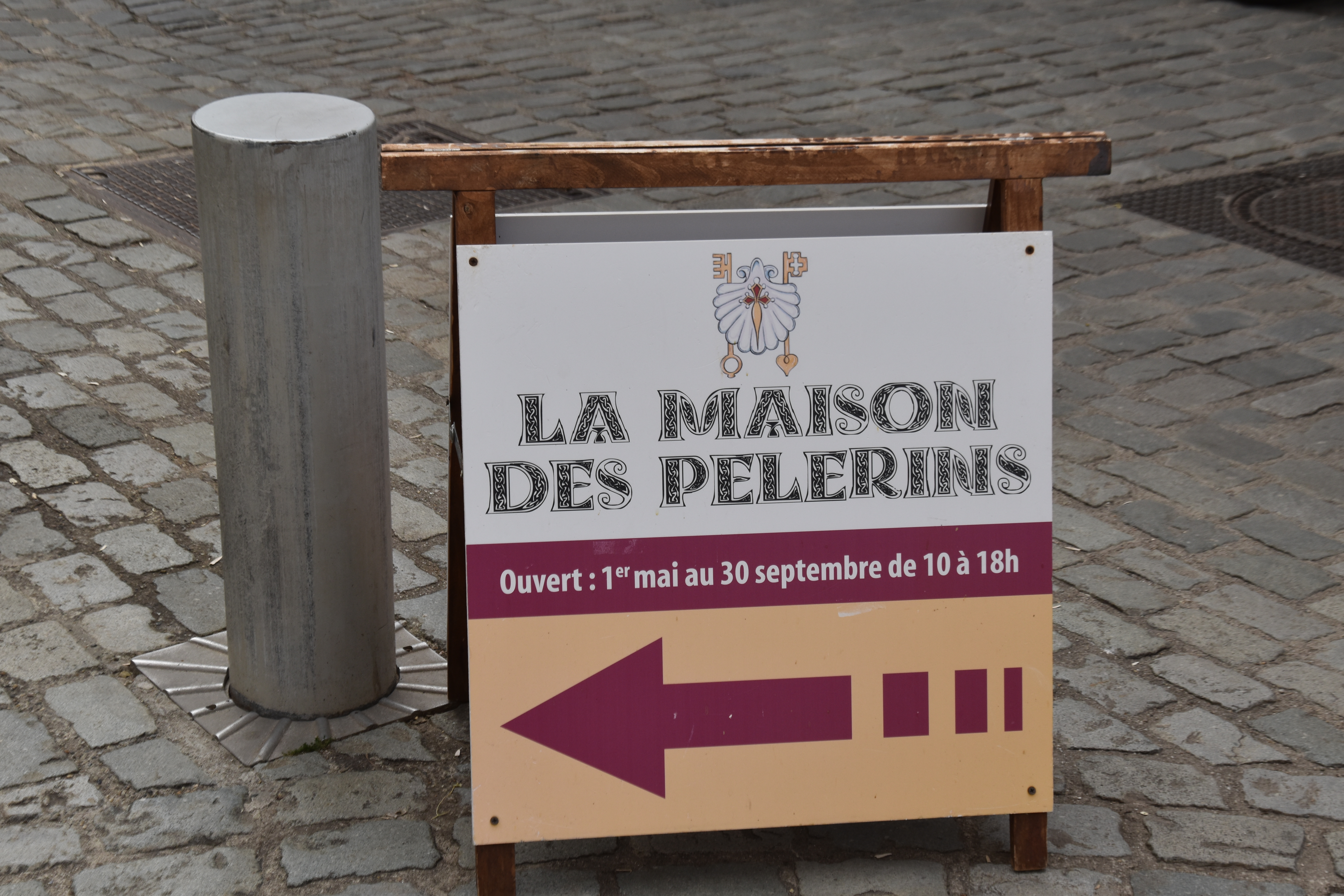

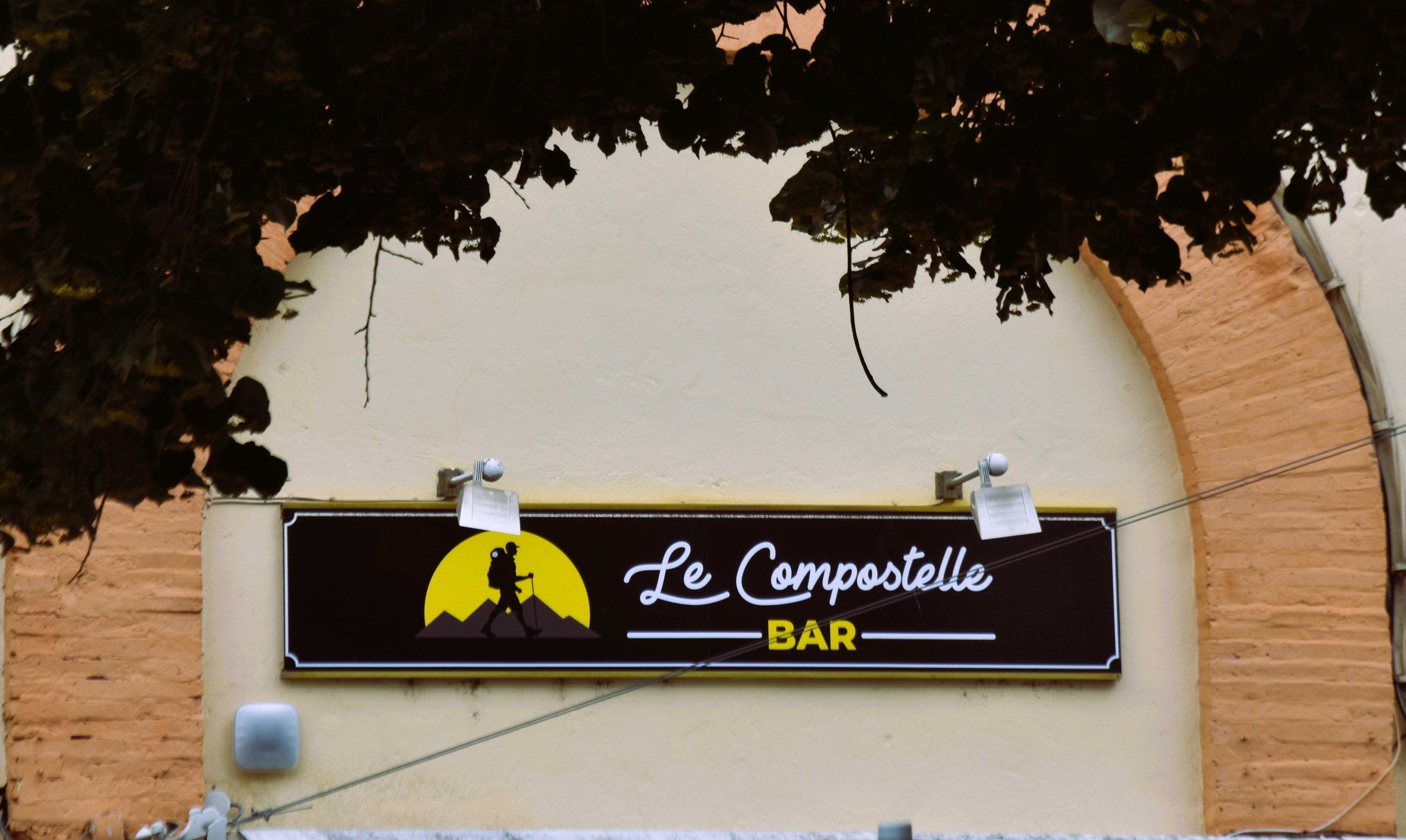
The “Maison des Pelerins” is the hostel provided for the pilgrims who are walking or cycling the route to stay in. They are found all along all the different routes and are inexpensive and good. This one is set in a lovely garden behind the Abby.
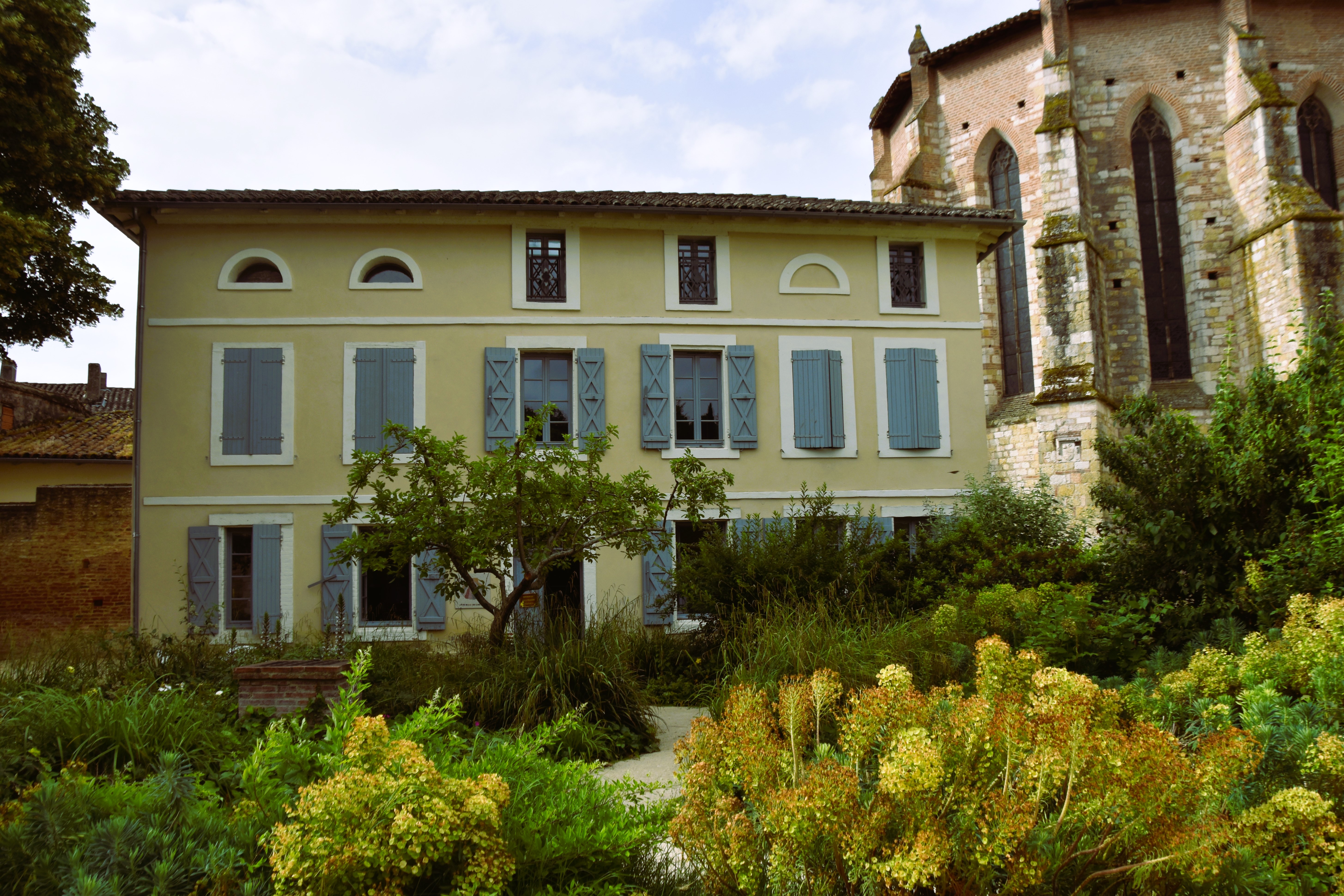
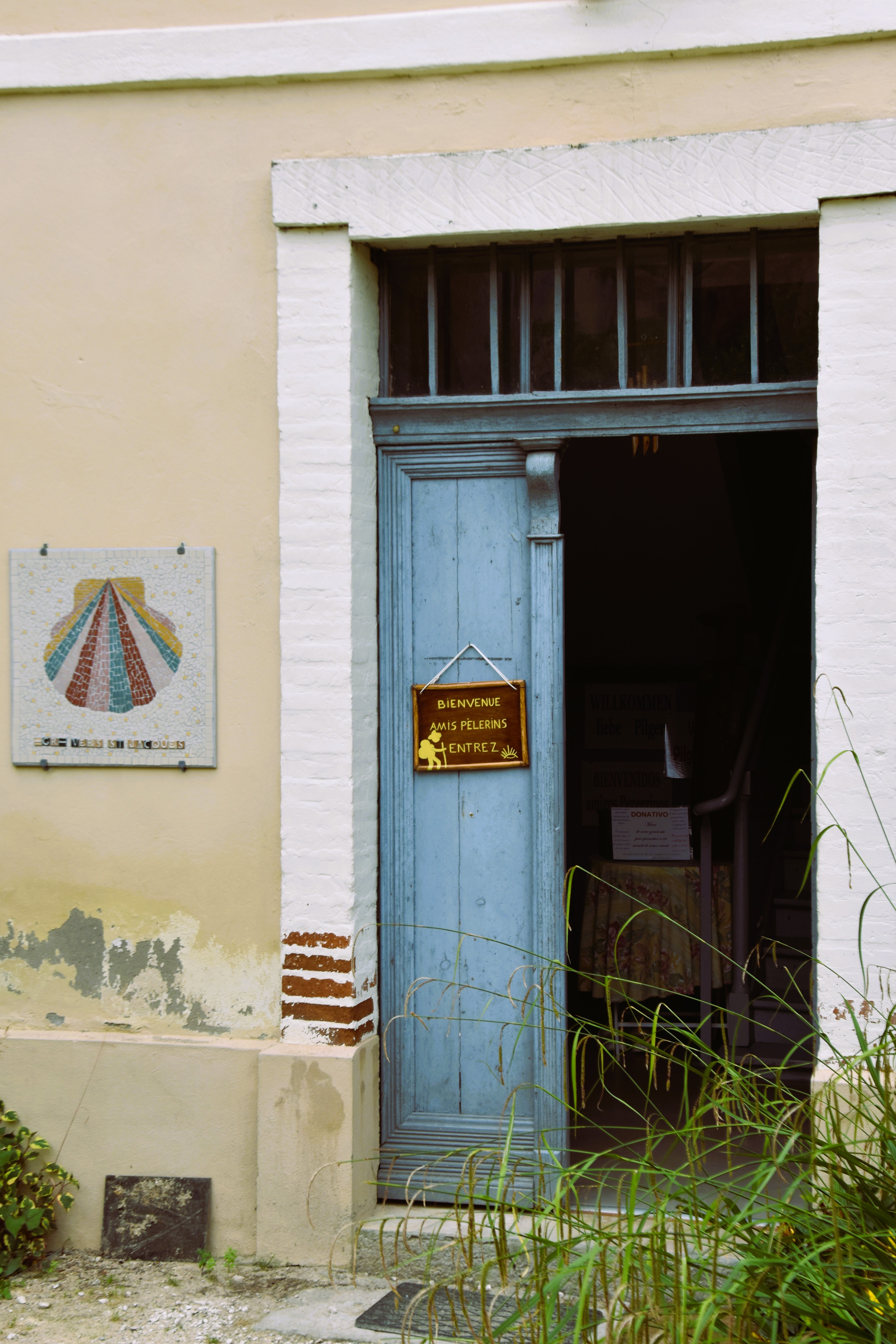
In an altogether chatrming environment
Nearby are two covered markets, one with a distinctly “Art-Deco” feel
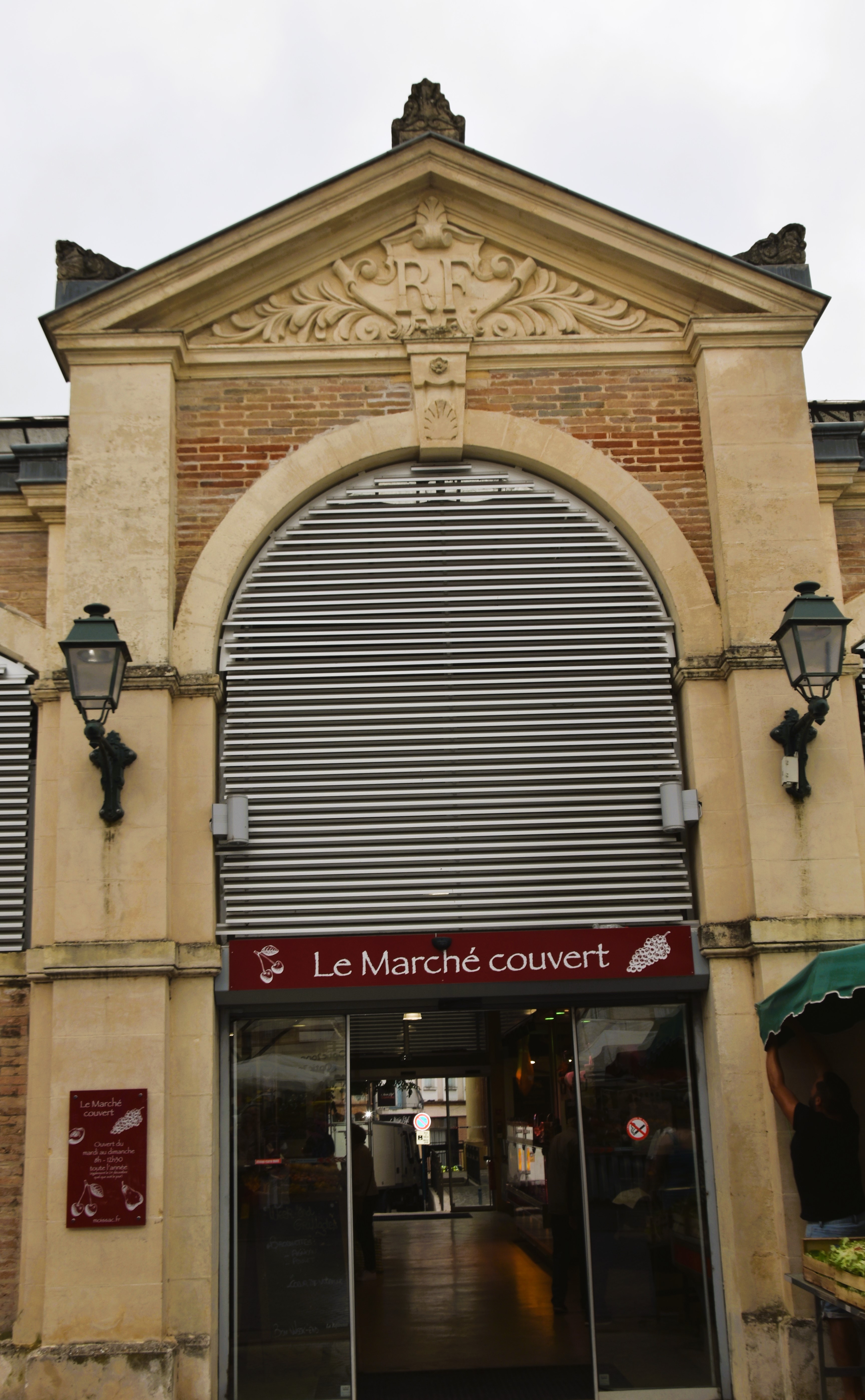
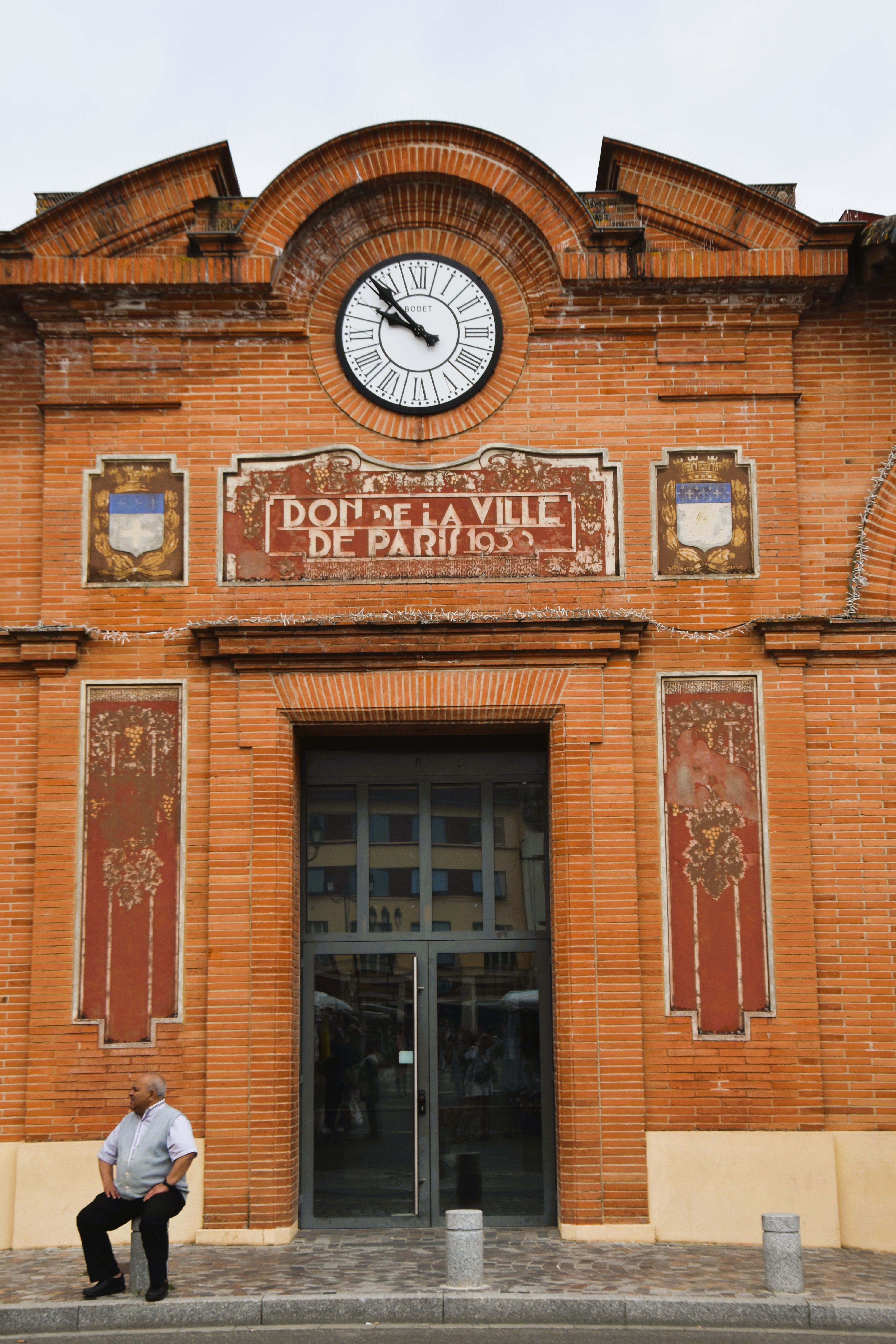
And a large open space with a partial awning

Where the Sunday morning market was in full swing.
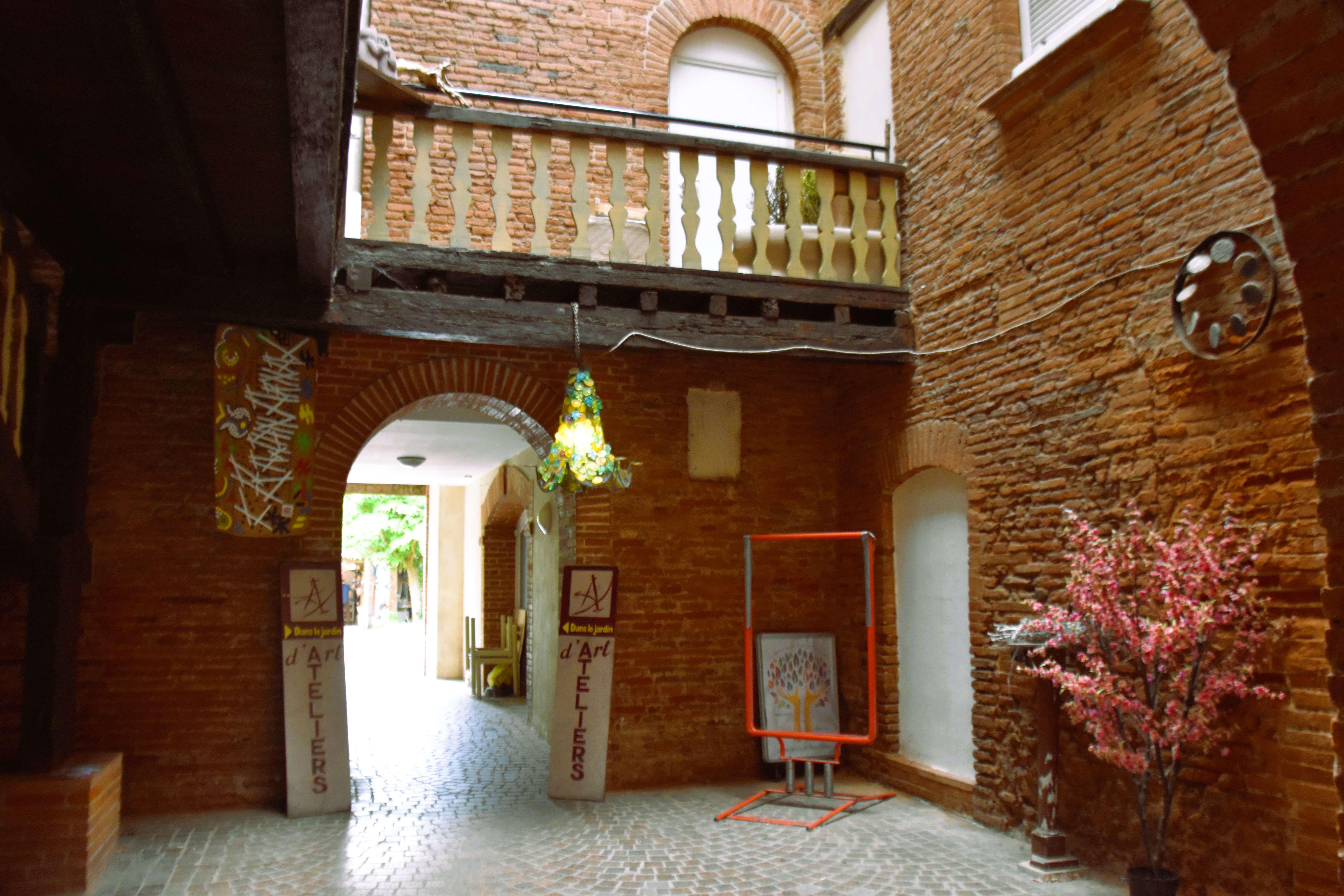
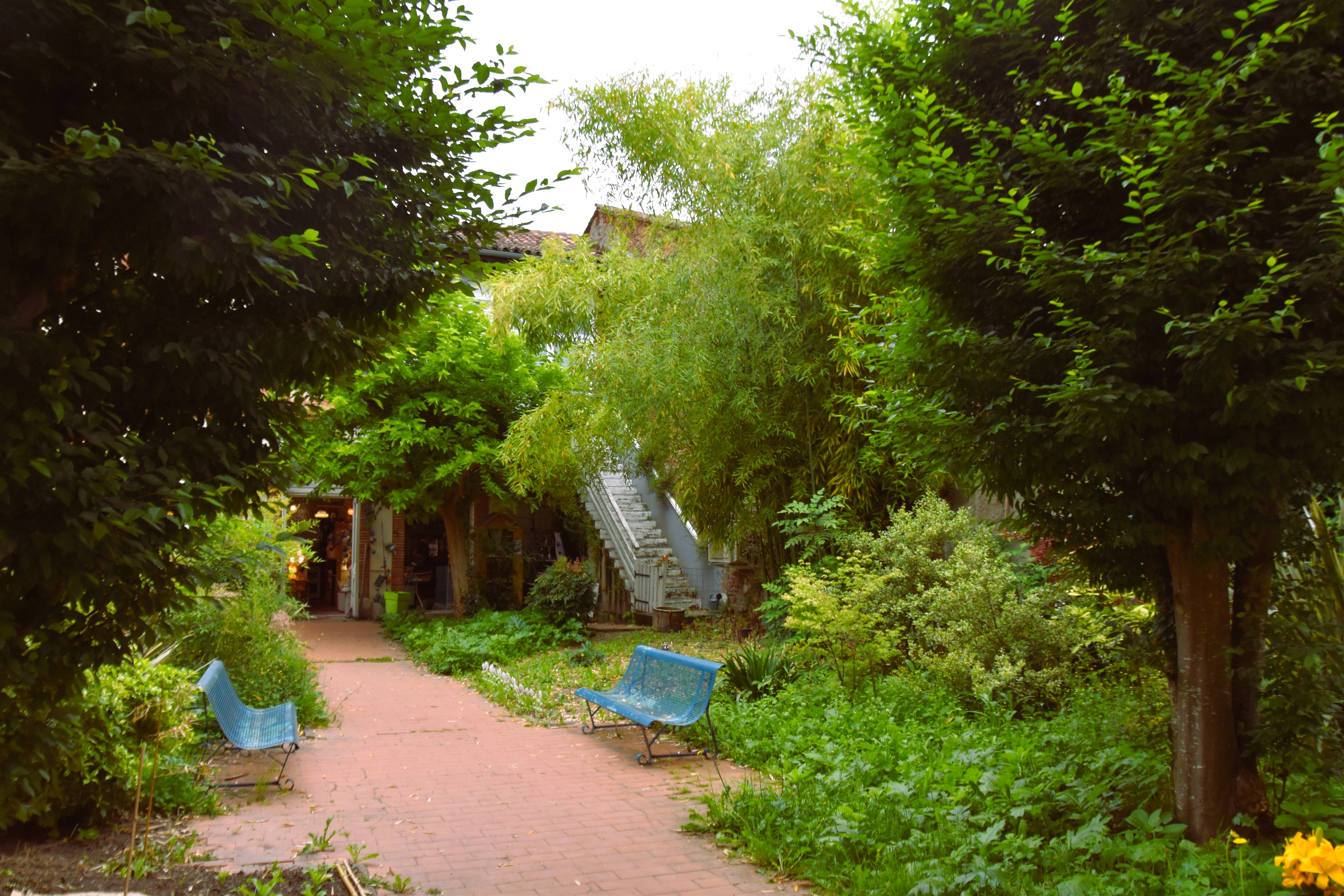
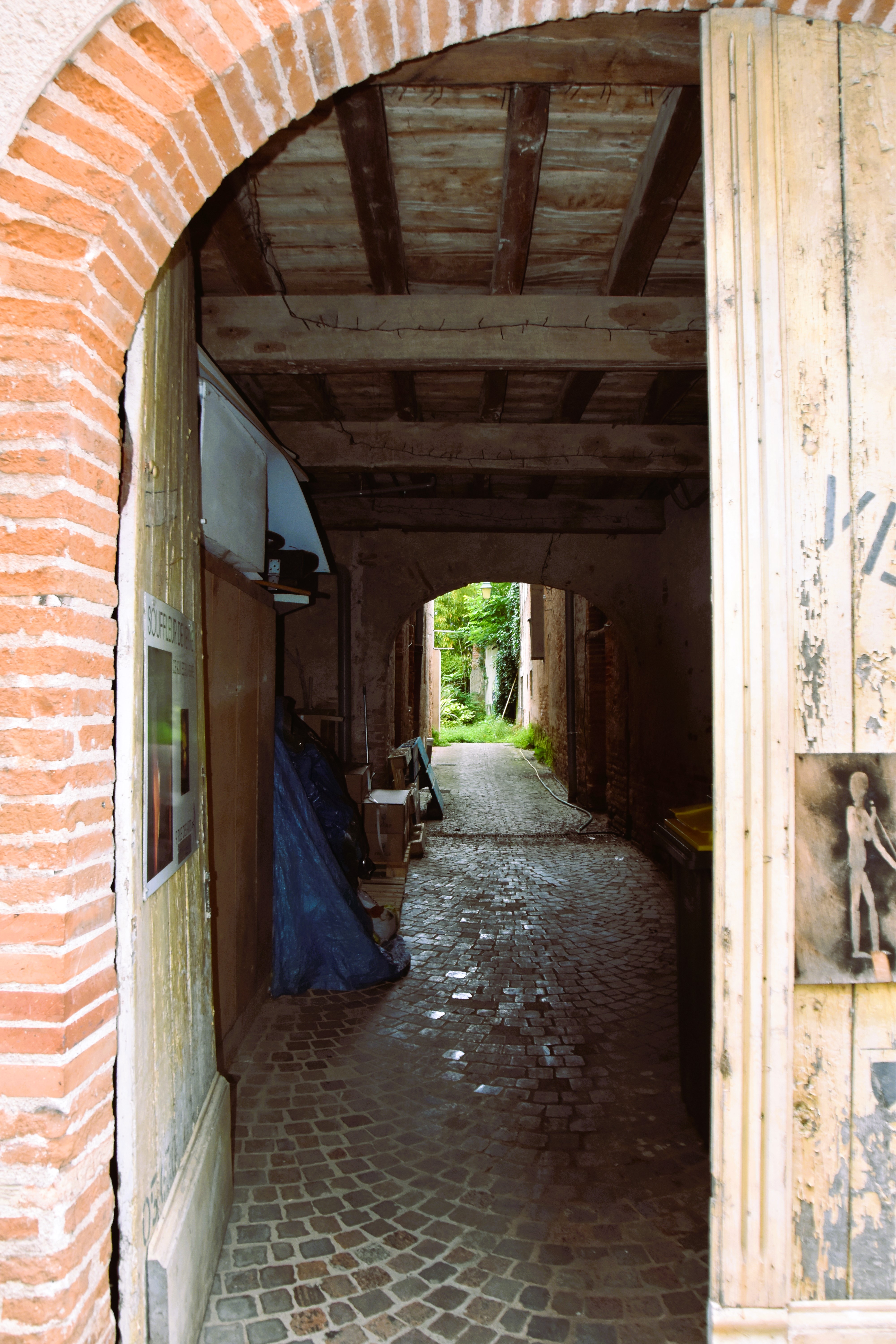
I had th opportunity to “look behind” the street facade and see into the secret courtyards and gardens which constitute the outdoor space of so many French city dwellings

10th. Short trip today from Moissac to Valence, lengthened by a detour to Monjoi for coffee wih my friends Mike and Jane, lovely to see them as always.
In Valence I found the Aire inaccessible due to the errection of an outdoor concert venue over the site. so we parked down at the little port, had lunch and a walk while we waited for the Marie to re-open at 2pm. It being Monday I knew tht the Tourist Information Office would be closed. They pointed me in the direction of the Municipal Campsite and we moved in there. It is well laid out , has evertyhing one could wish for (Umm! hot showers) and niccely landscaped as well.
Will walk bak into town tomorrow, probably without Cassidy who is getting lazy in his old age! and try and find out what is happening with the Aire.
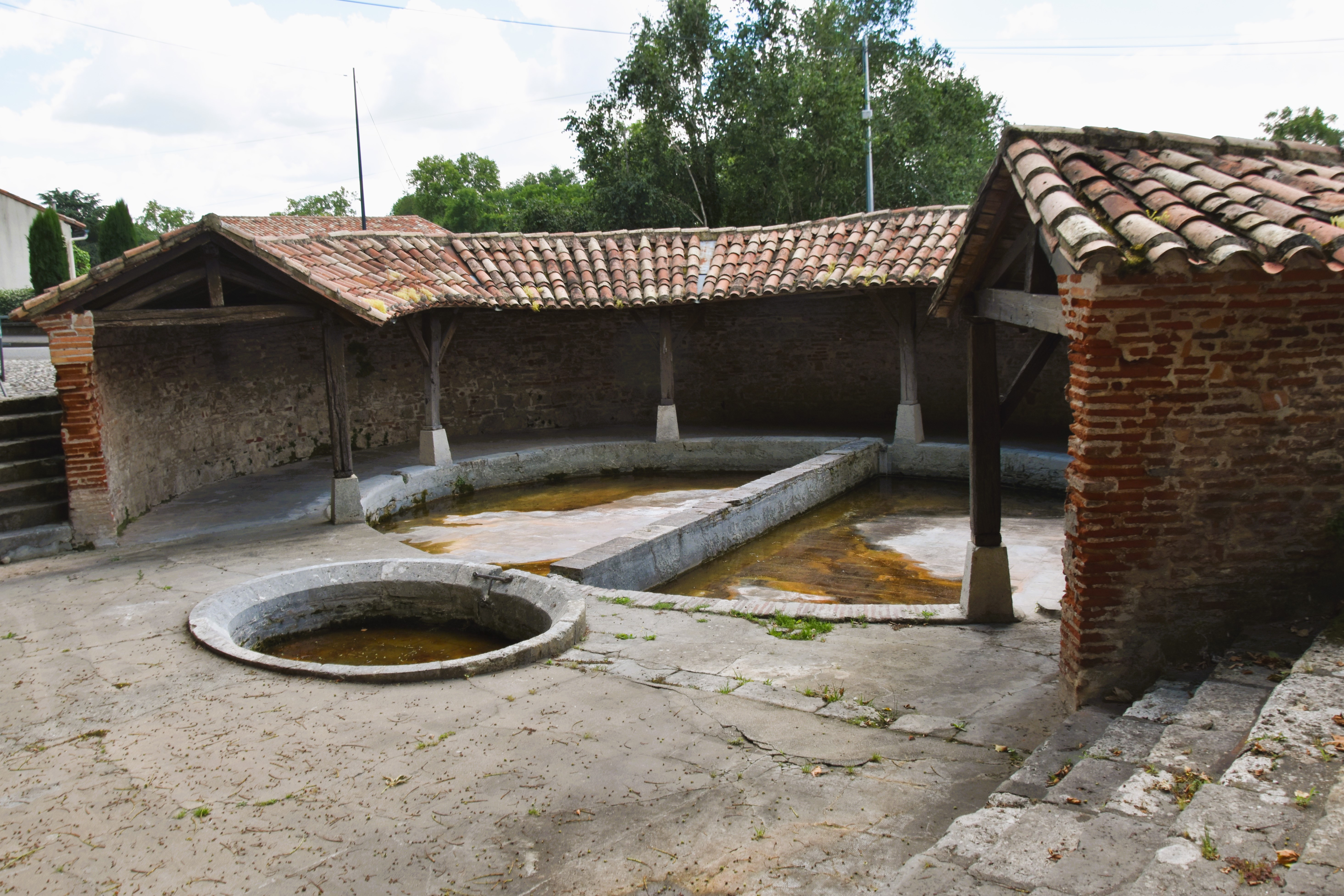
11th. The first time I came to visit Mike and Jane in Monjoi, Mike kindly bought me here to see the three lavoirs. That was precovid so they certainly merited a quick visit again this morning. The first one is circular and very pleasing although the spring that fed it seems to have dried up.

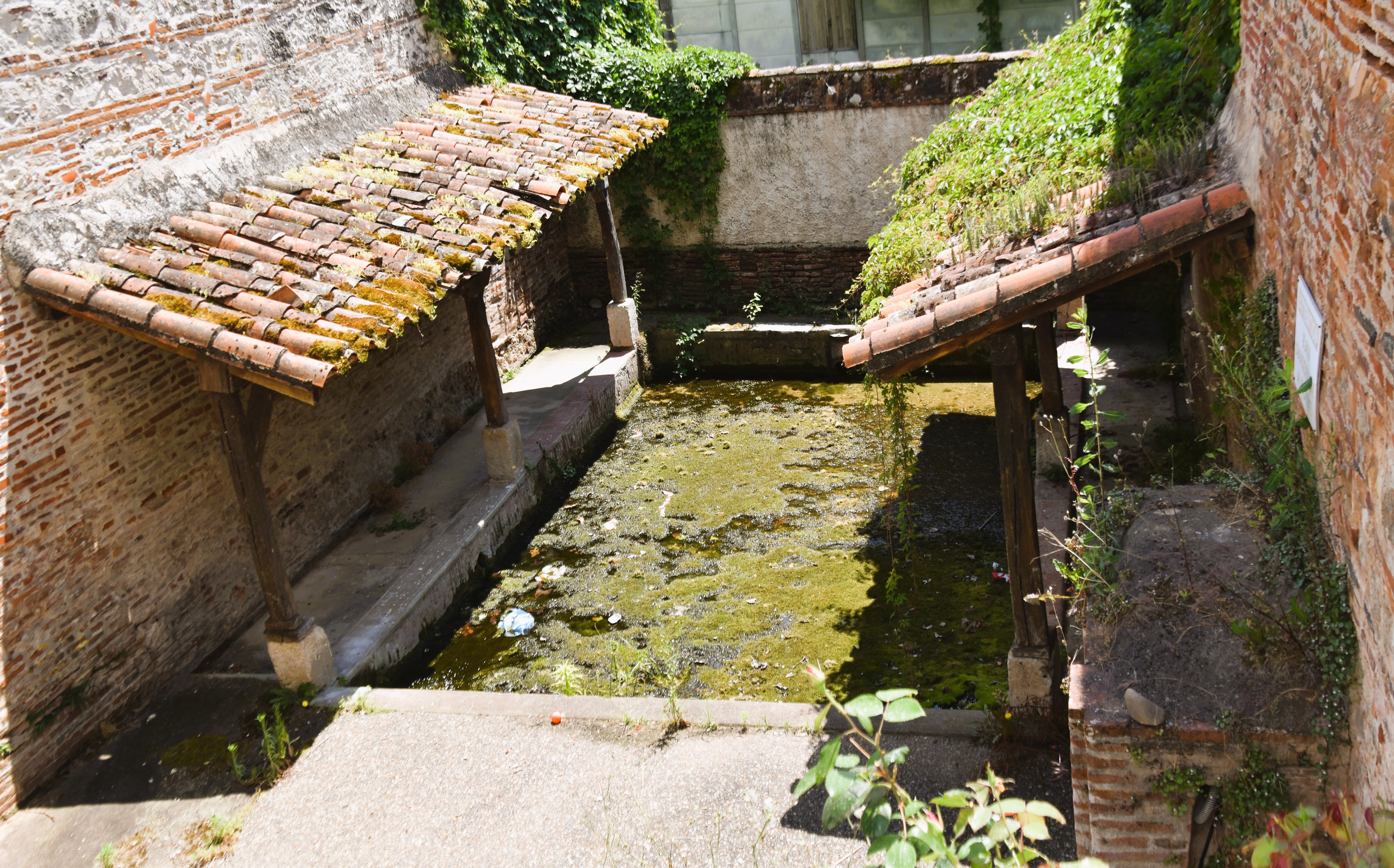
The second is snadwidges between the houses and looking a bit neglected.
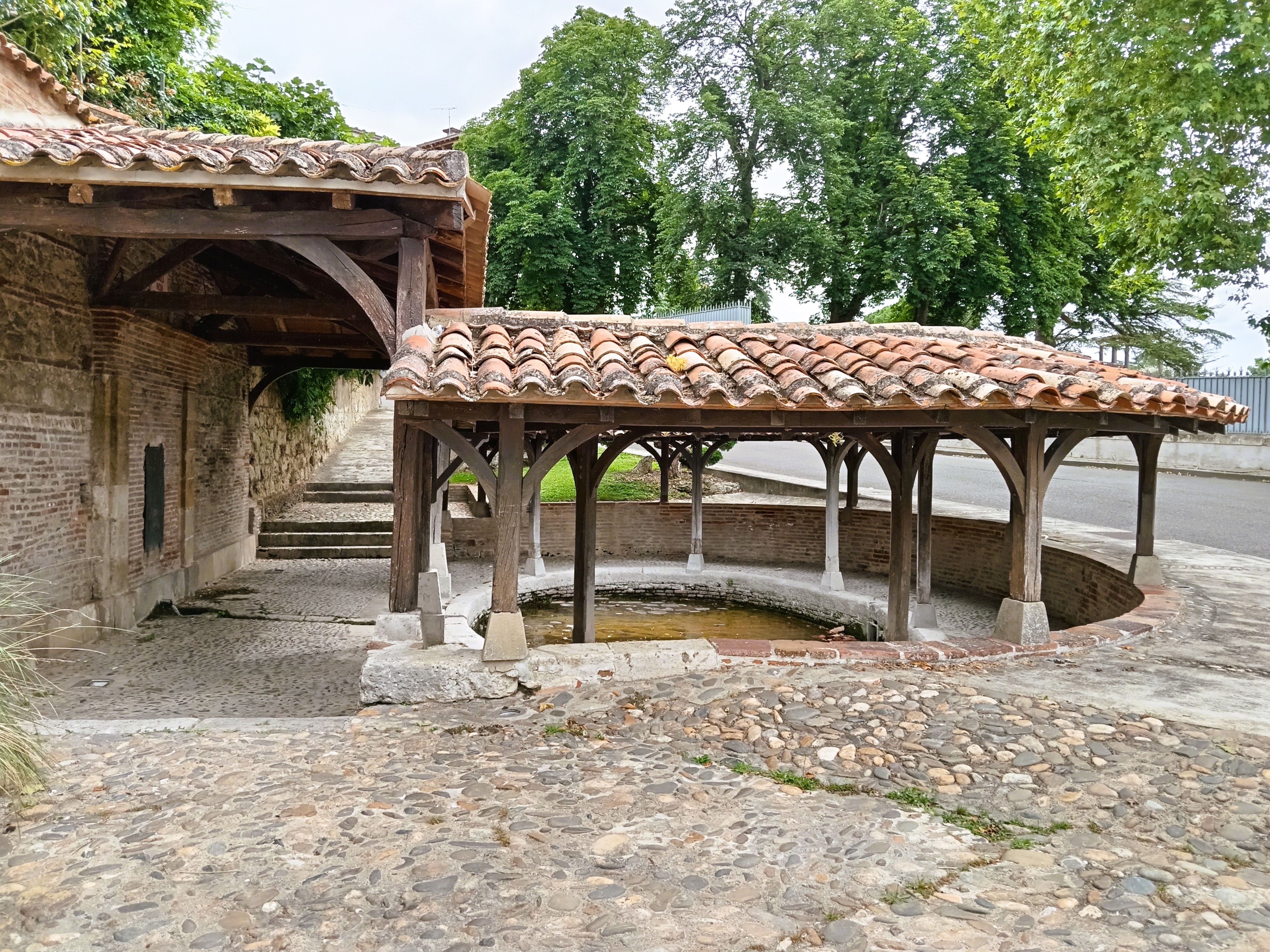
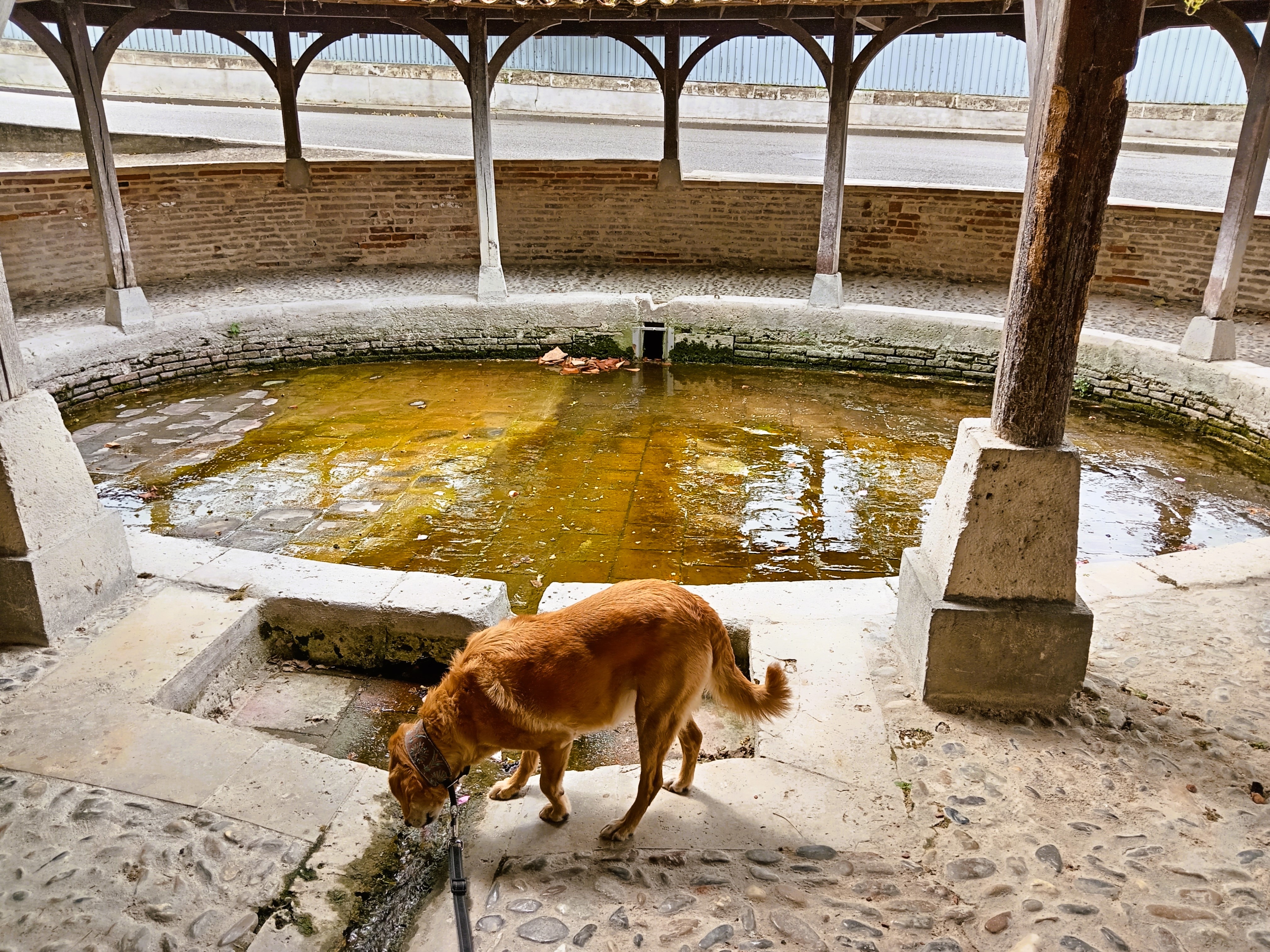
The third is another handsome circular one made more so by the steady stream of water coming into it. Cassidy appreciated that too.
The town is thoroghly work-a-day town and today was market day.

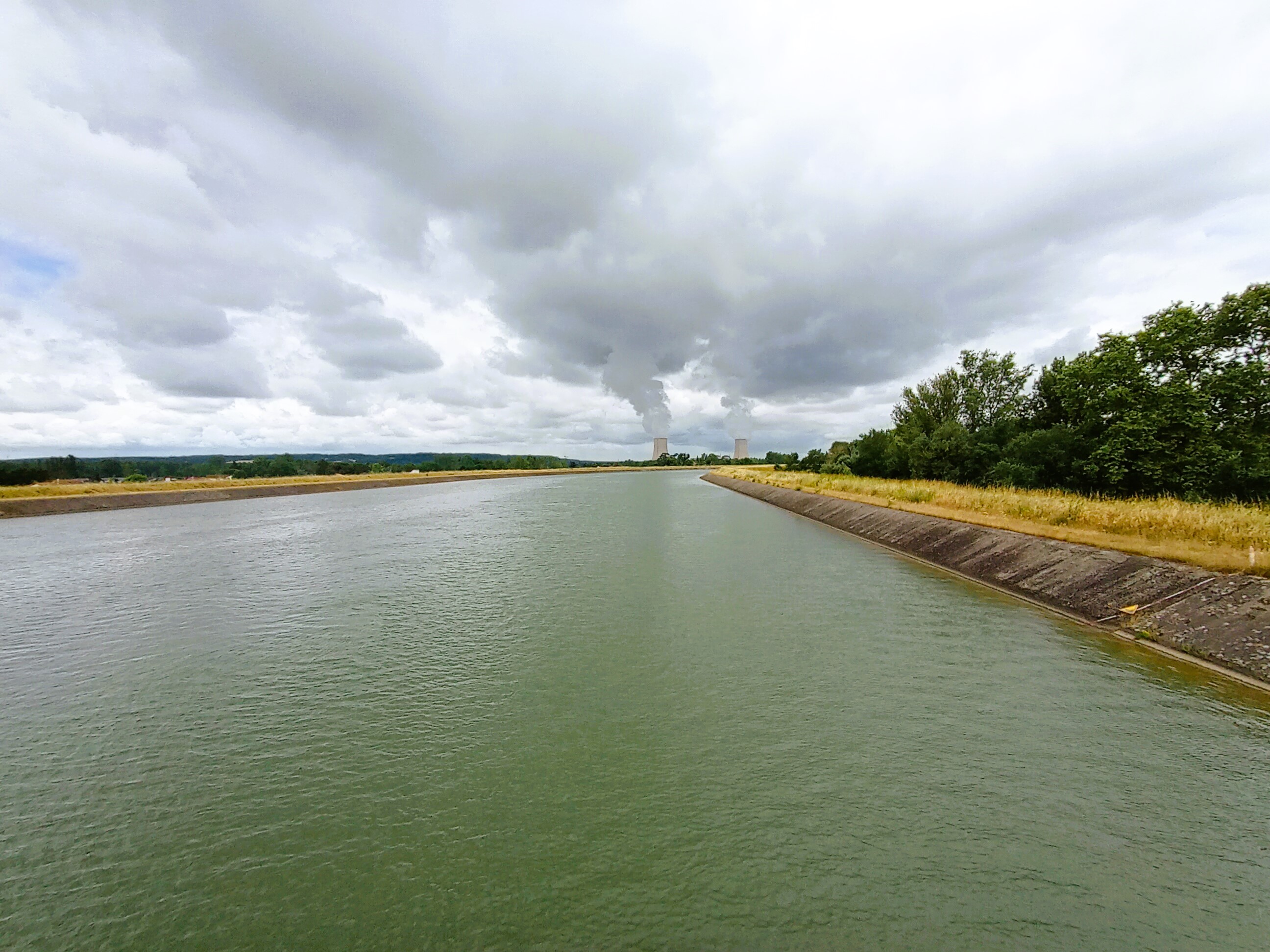
Running paralelle to the boating canal there is a recently built huge cement sided canal. This is exclusively for the water that circulates throu the cooling system of the Nuclear power plant in the background.
In the afternoon I had to take the van through to Renault because when I woke up this morning the driving battery was only at 11.7. I elevated this a bit by running the engine for 20mins but in my view this shouldn;t be neceaary given the milage I am doing and the fact that it is only three months old. Renault tested it and there is nothing wgonrg with the battery itself neither is it shorting so they suggested I take it through to one of the campingcar outlets in Agen tomorrow. BOTHER!!
12th. Stopped off at a campincar outlet on my way through Agen where I was assurred that the 12.7 on the driving battry was fine but that I need yo turn the wter pump off when it is not in use. I think this is a nonsense on two counts, firstly it runs off the domestic battry and secondly if the current is available to it but it is not activated because no taps are turned on it is hardly going to be useing any current. MEN!
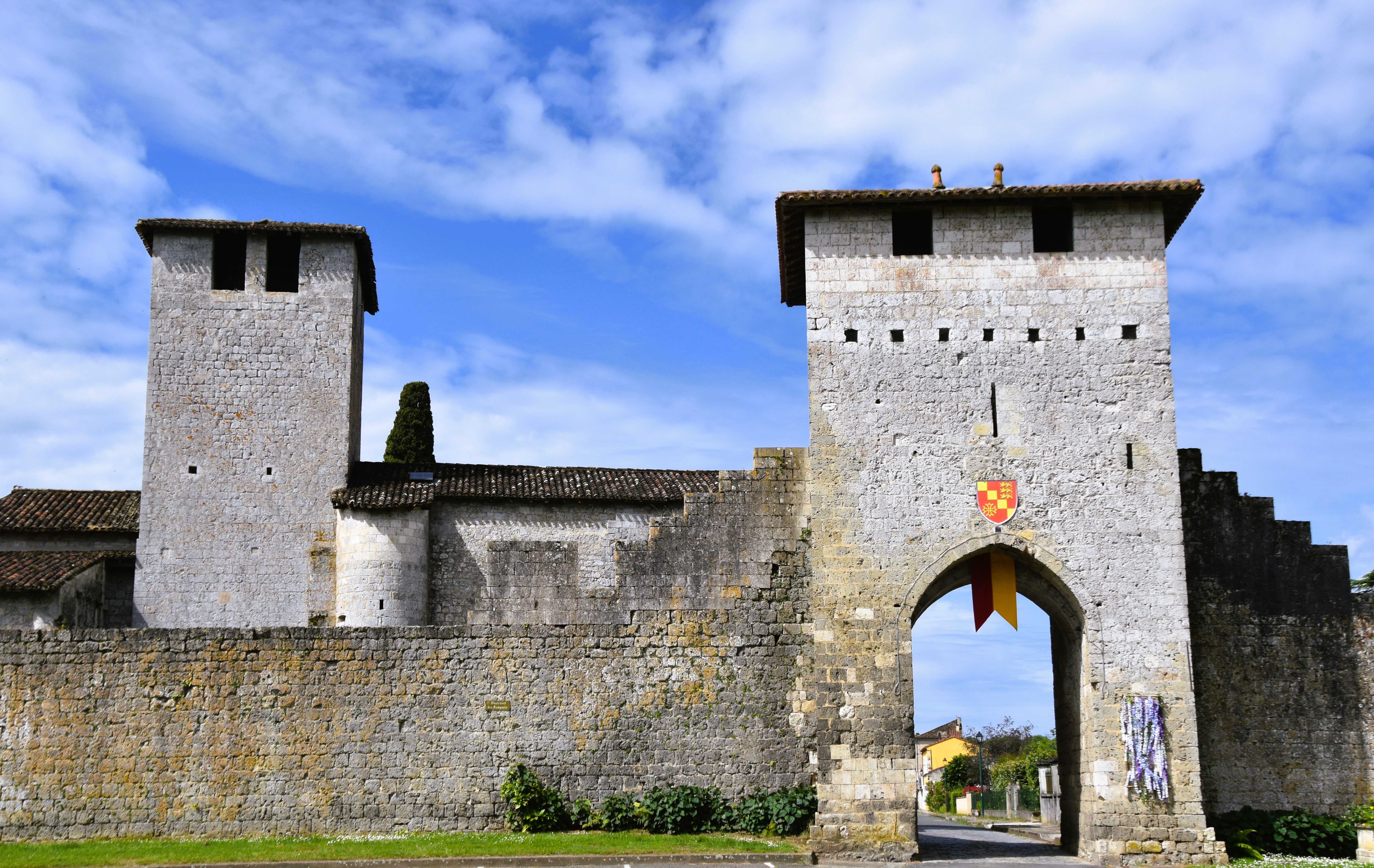
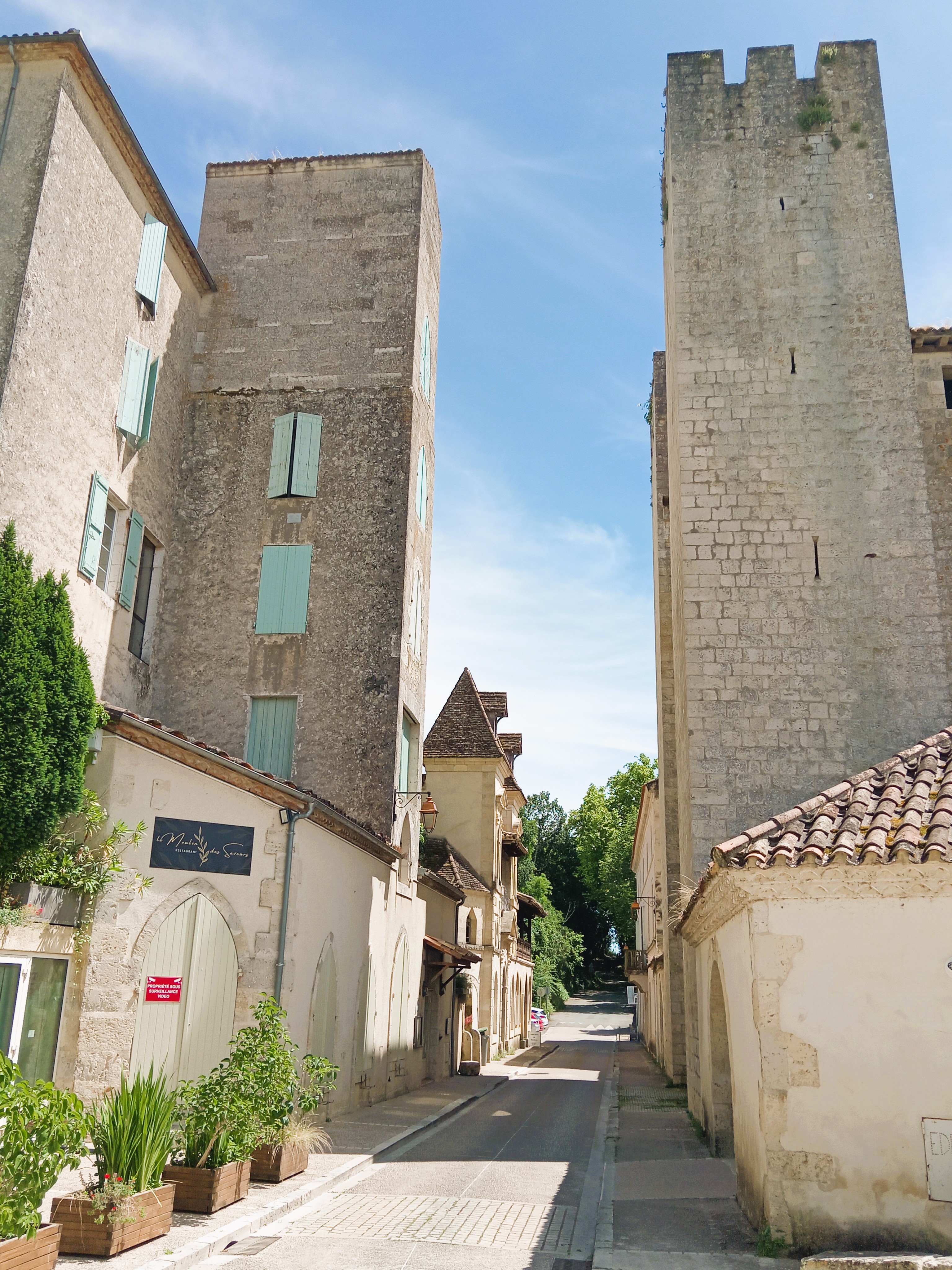
The Aire at Vianne is facing the main entrance into the walled town. As it was close to lunch time I took Cassidy and we walked the perimeter where the first thing that came to my attention was that it is refered to as an “English Bastide”.
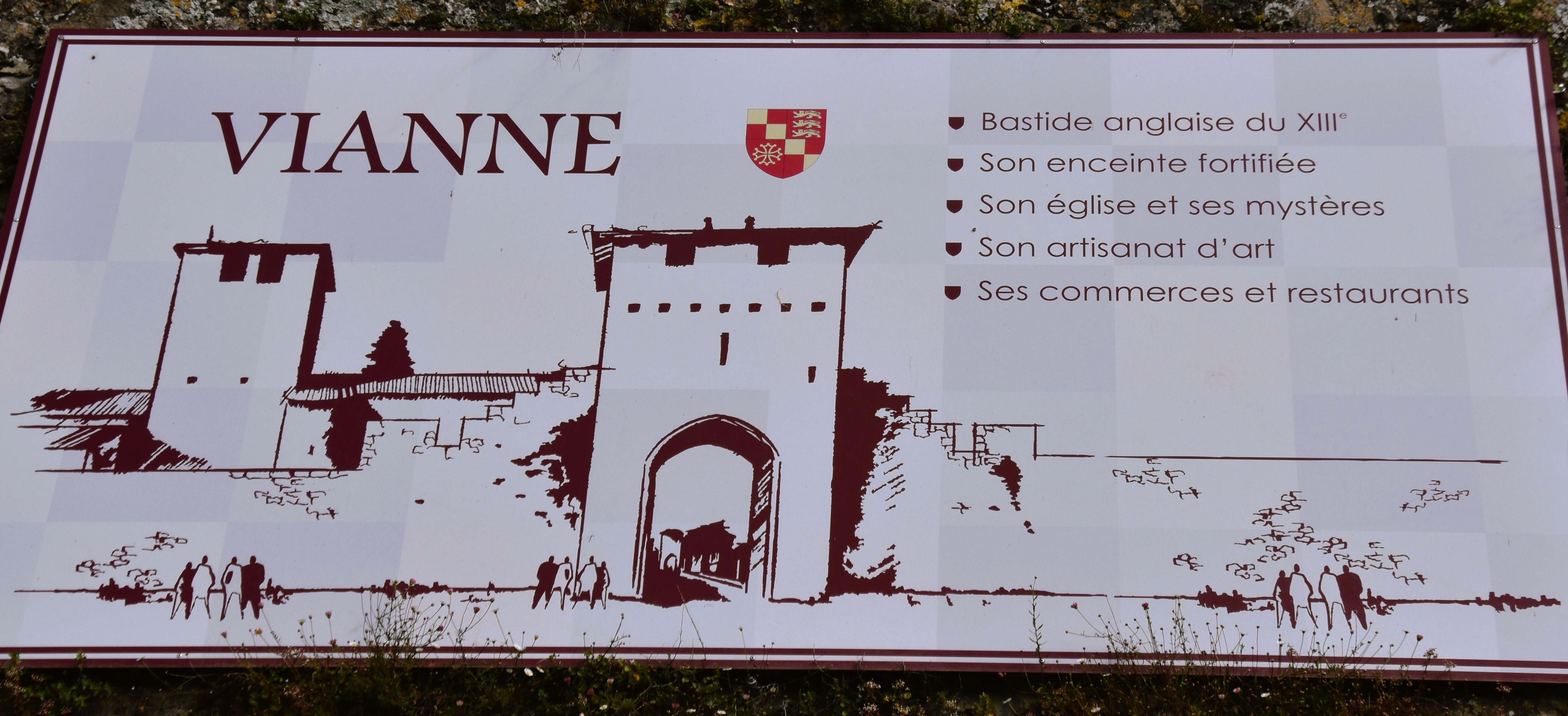
This turns out to be because it was caused to be built by Edward I of England who as grandson of Henry II and Ealenor of Aquitaine was also Duke of Aquitaine. One of the other natable things about Vianne is that it has preserved all its walls, gates and towers intact.
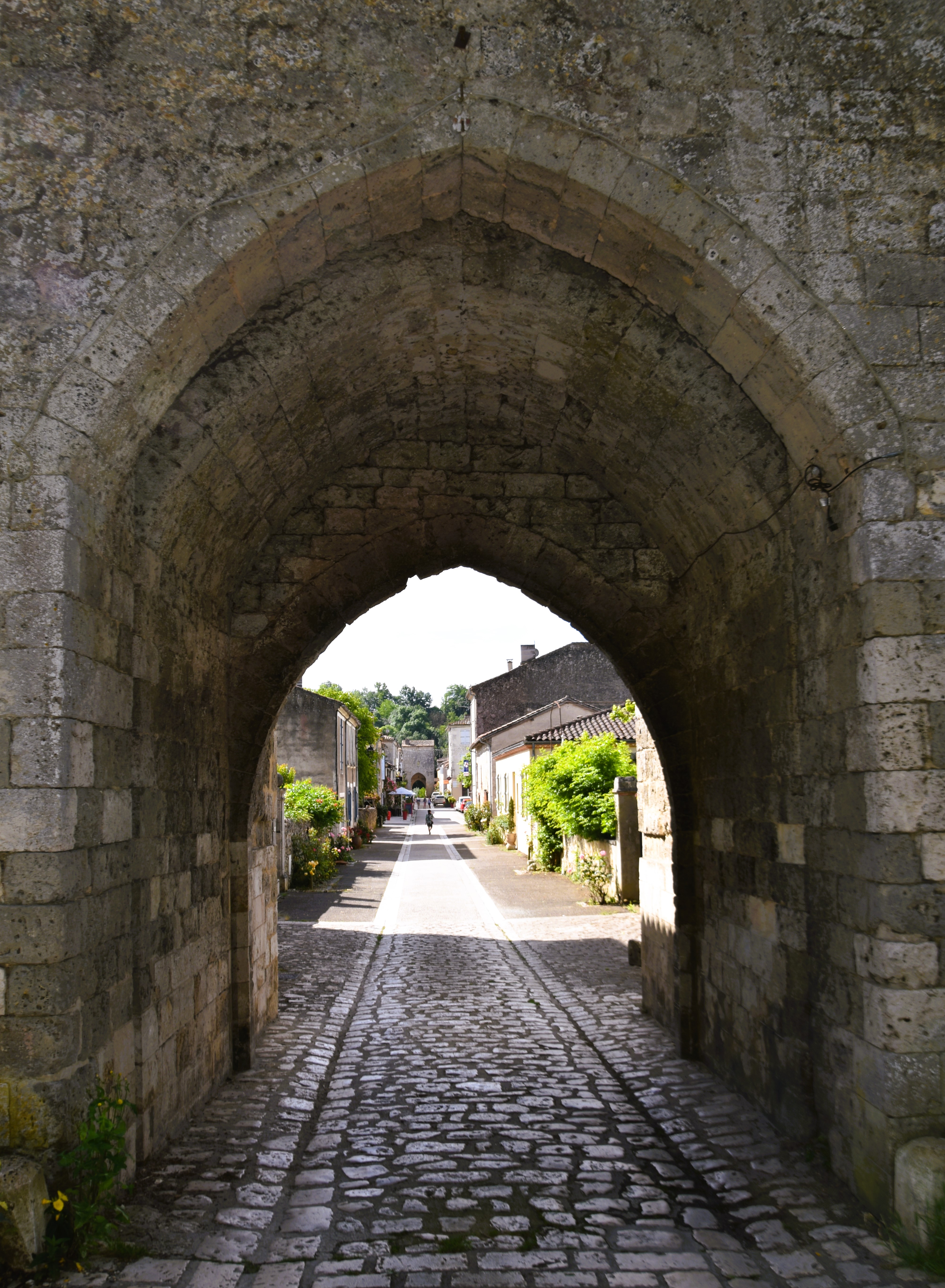
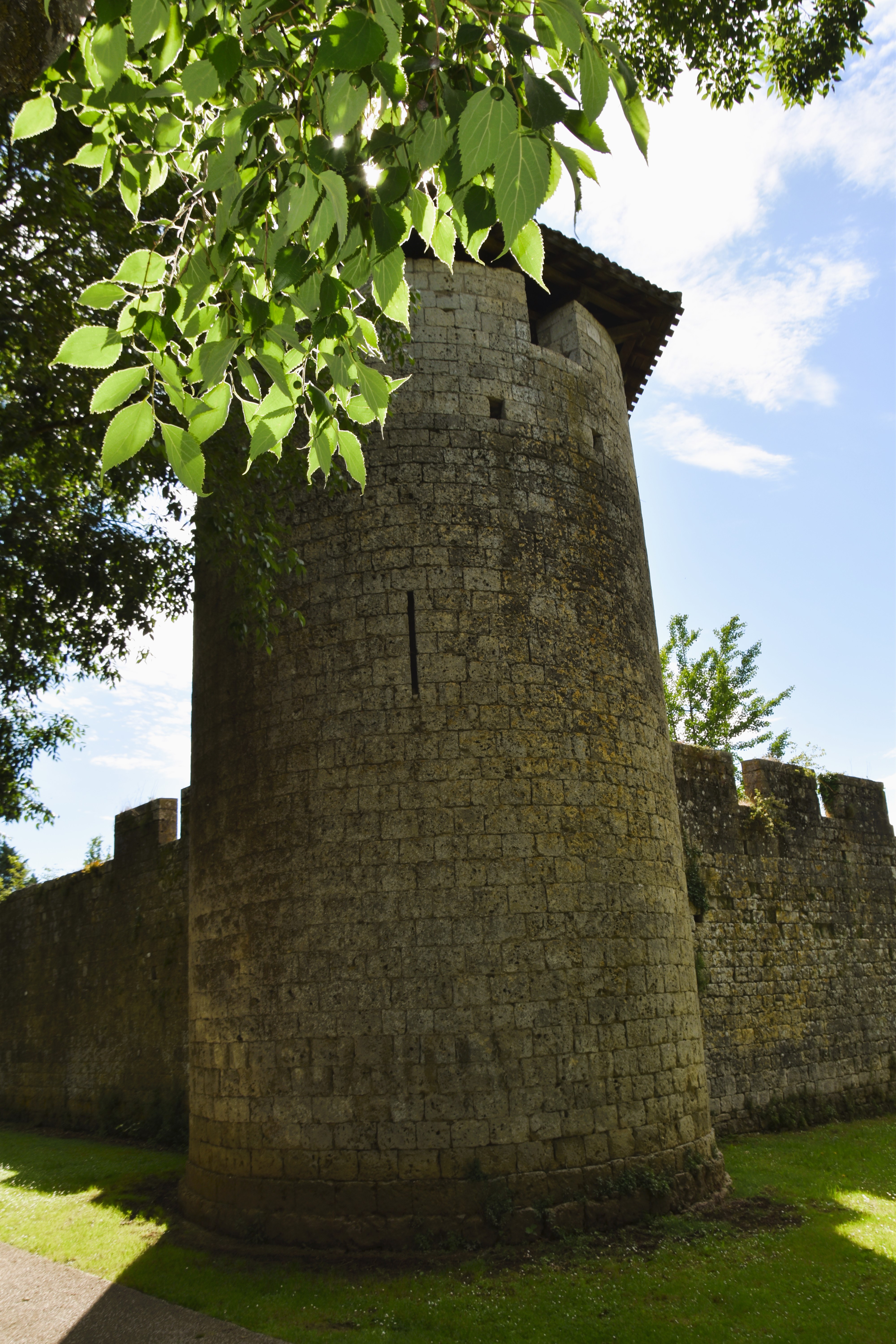
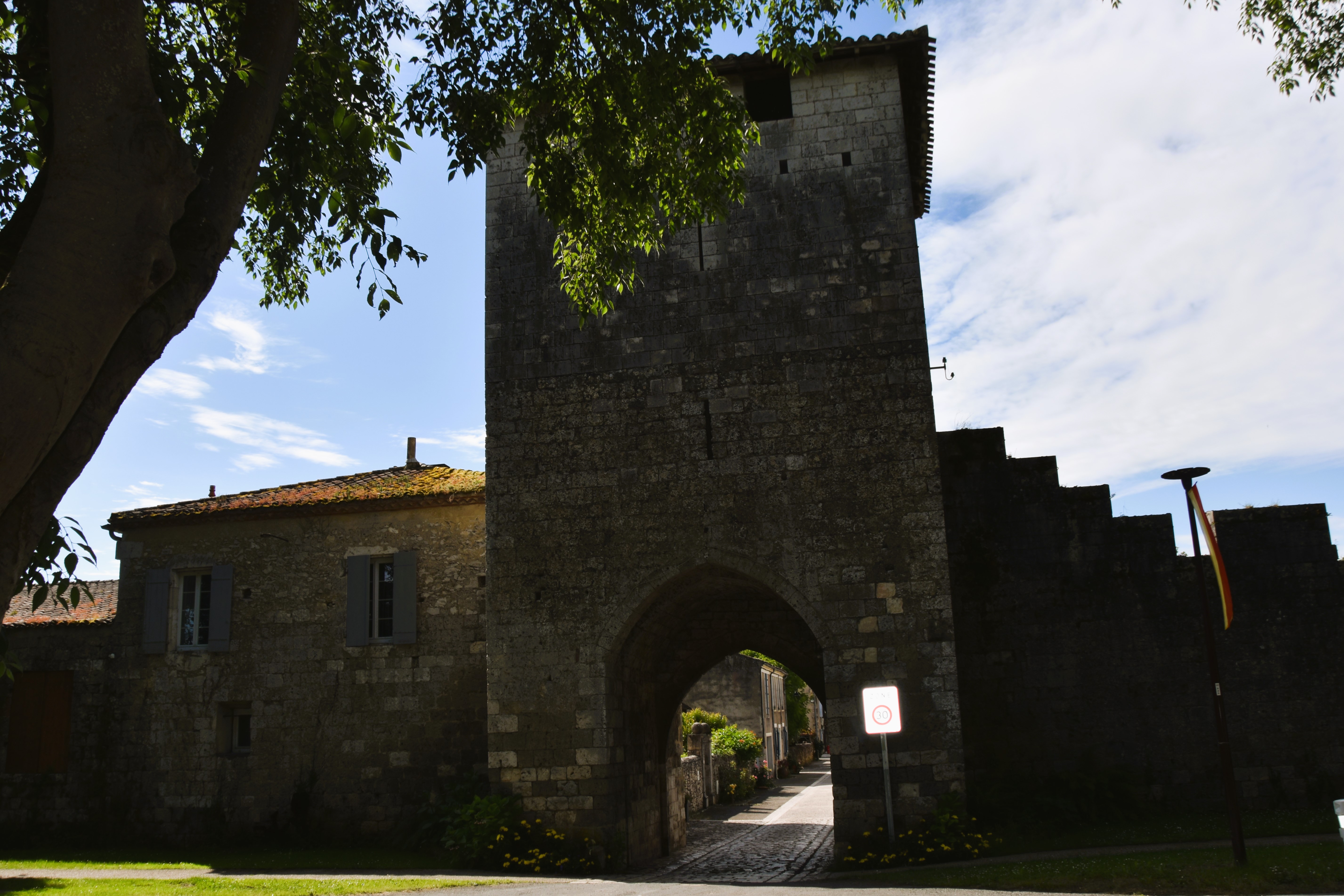

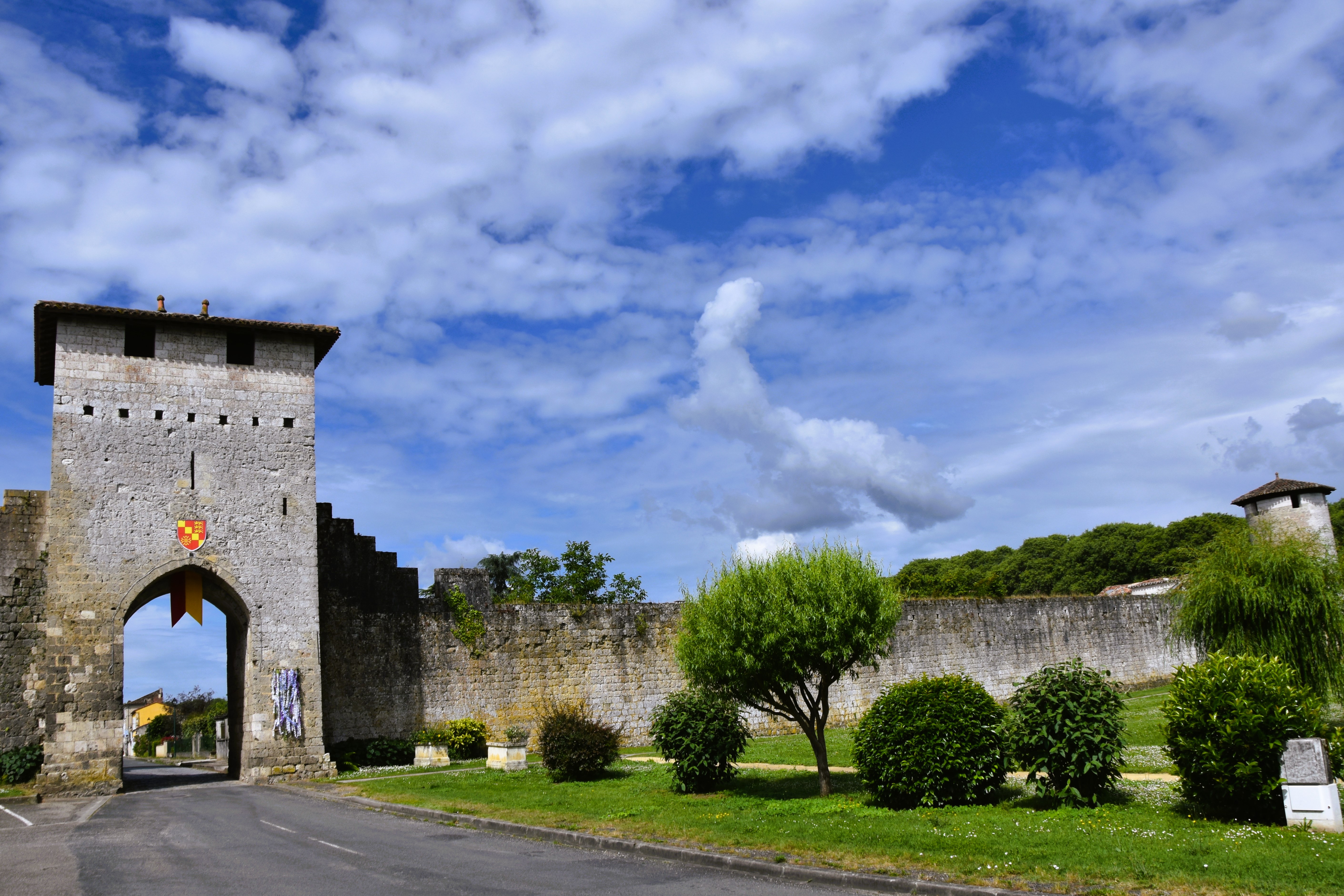
There are towers at the four corners and entrance gates on each of the four sides

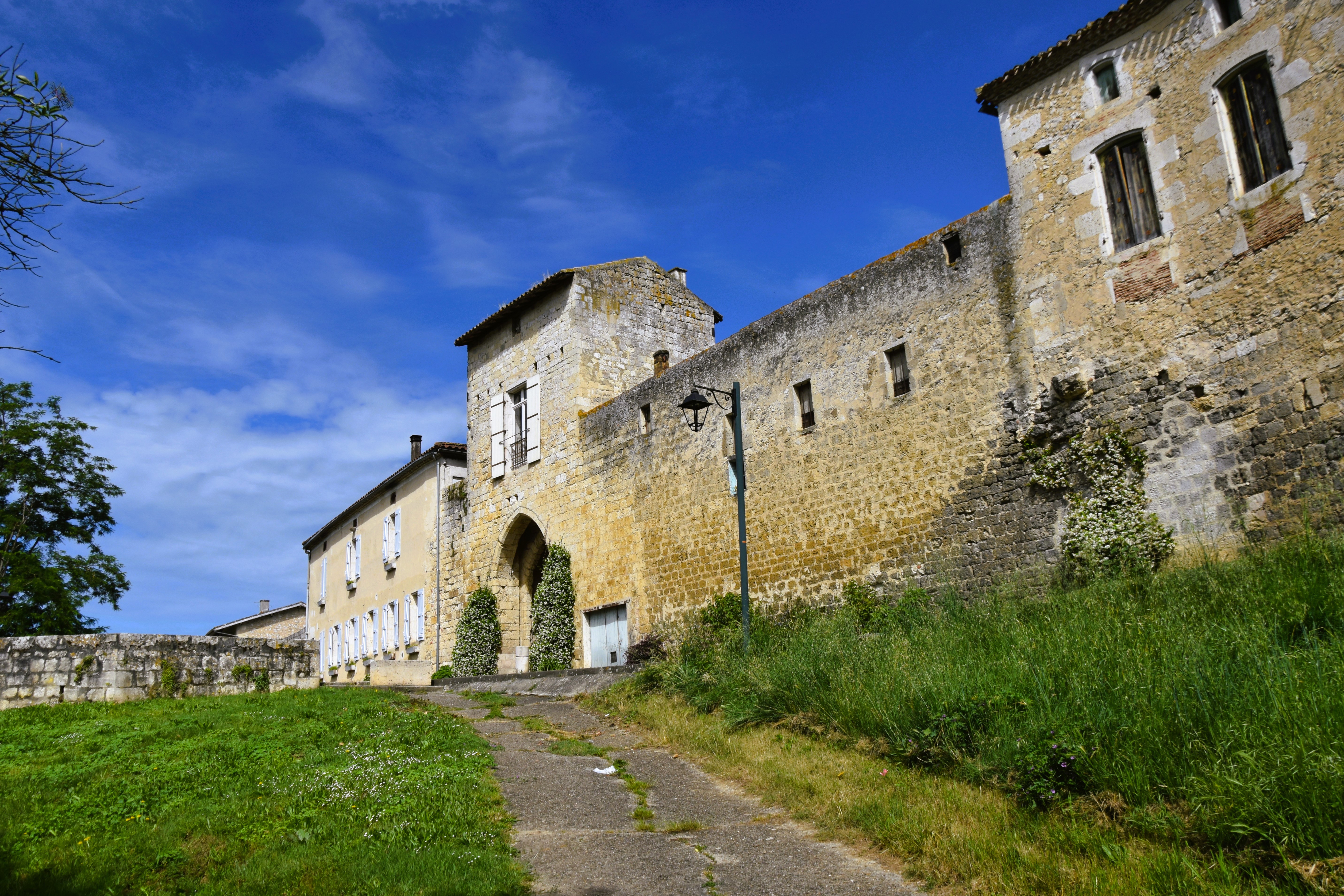
Entering the town the secong aspect of preservation, that of the grid layout with a central square , becomes visible.
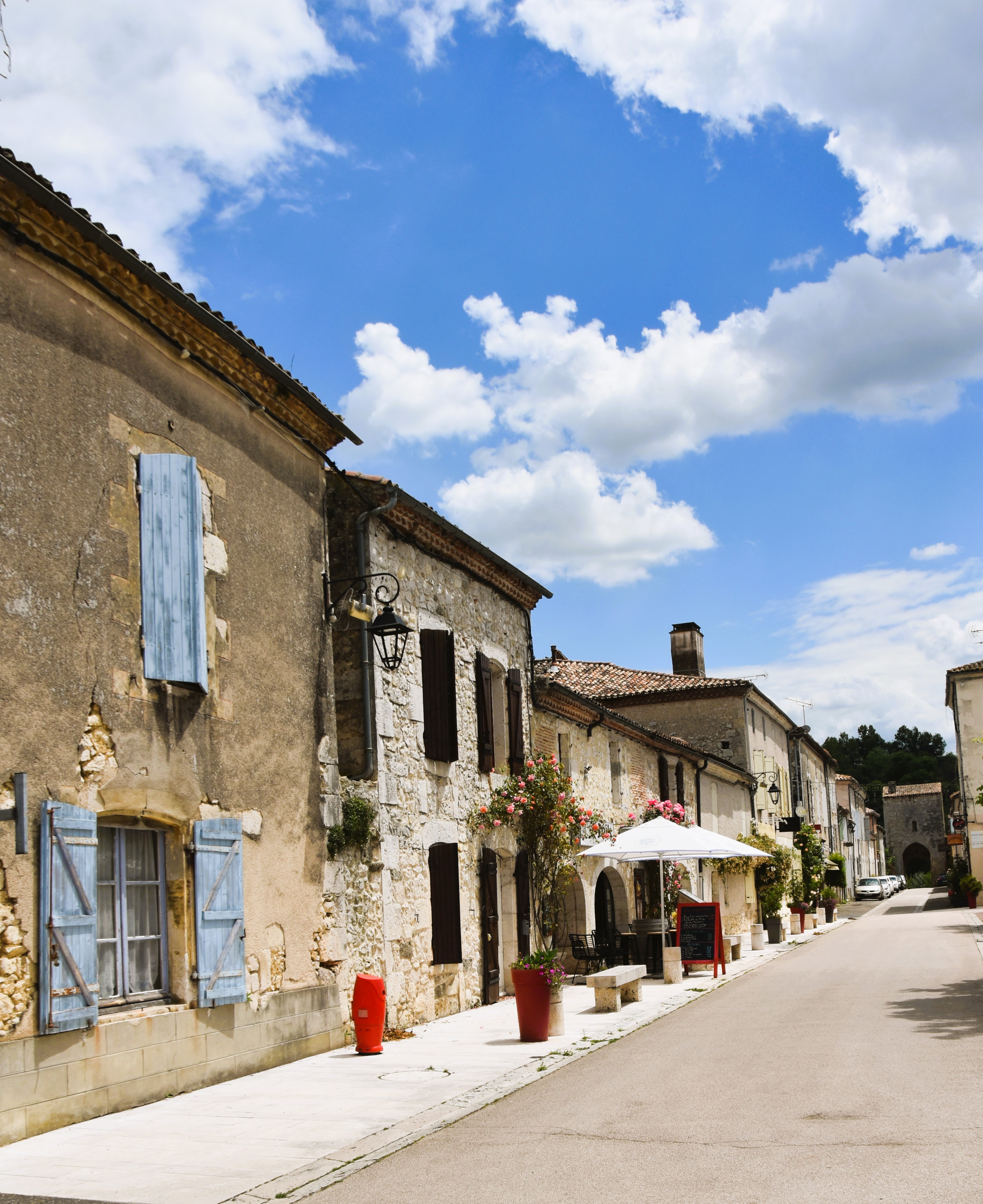


The tourism office was closed, as was the Marie. The Boulangerie had a note in the window, “no more bread” and closed doors! The grocers was closed but with no explanation. The second restaraunt was closed with a not saying that this was due to the ” Aqua Pony”, I popped into the Tabac, the only open shop and asked the guy if he knew what this wasm he didn’t!

Fortunately we have some story boards arround.
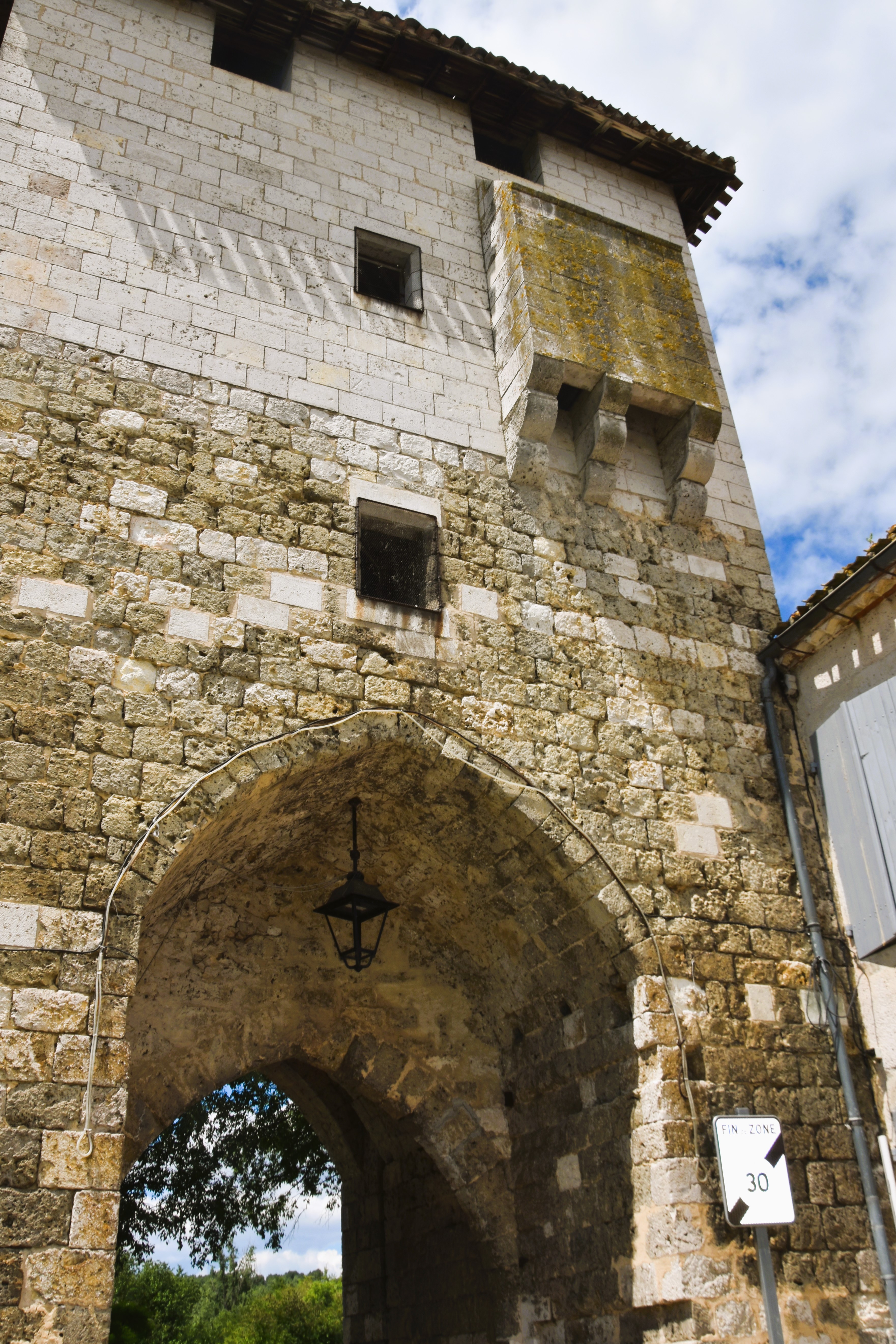
The second of which tells an amusing story about the restoration of one of the towers. Usually, no always, the toilet, because this is what it is , its defensive possibilities being limited to anyone who, knowing what it is , is stupit enough to stand underneath it, is always on the outside.
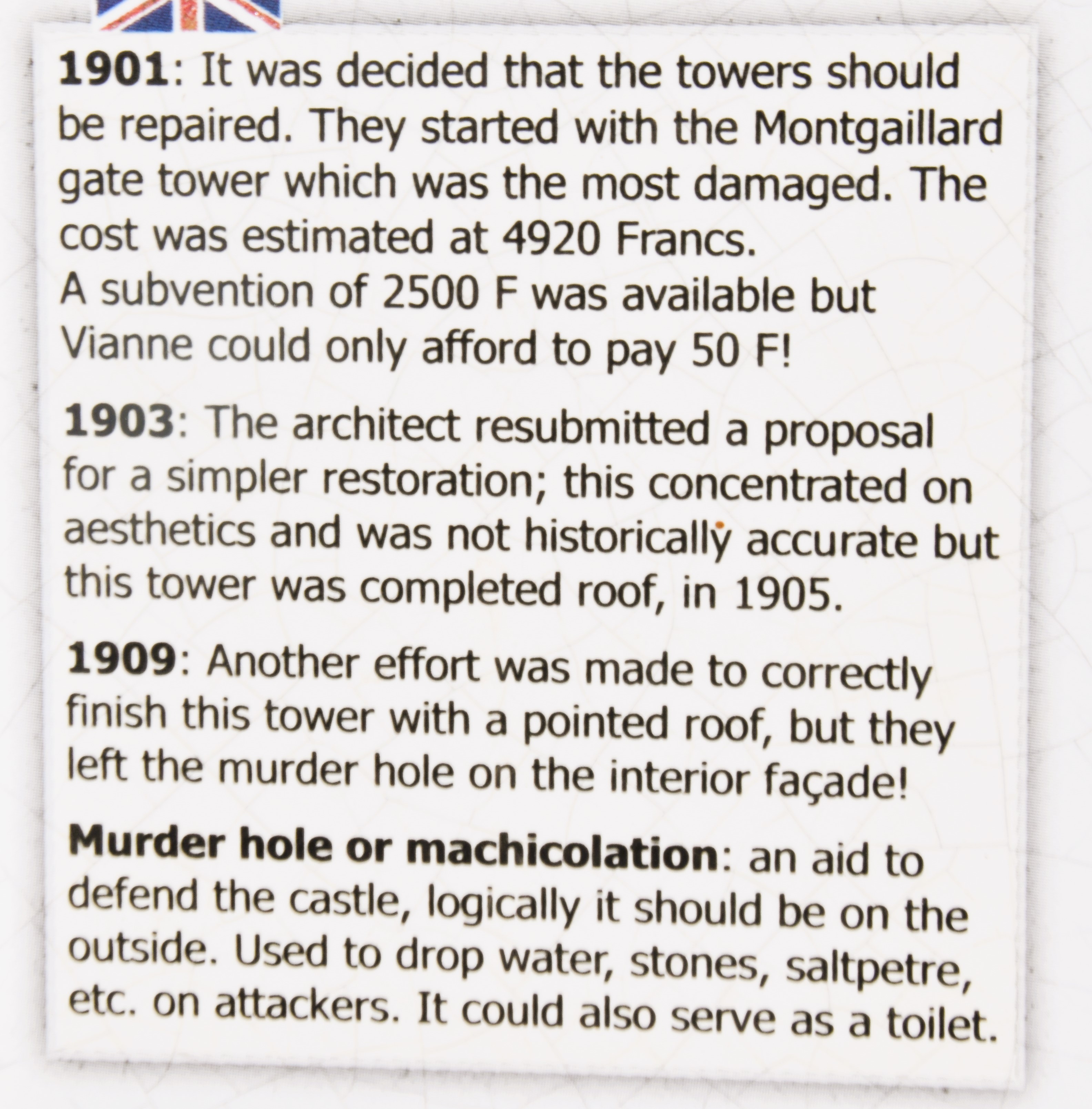
The offending structure is the protruding bit on the top right hand side of the tower.
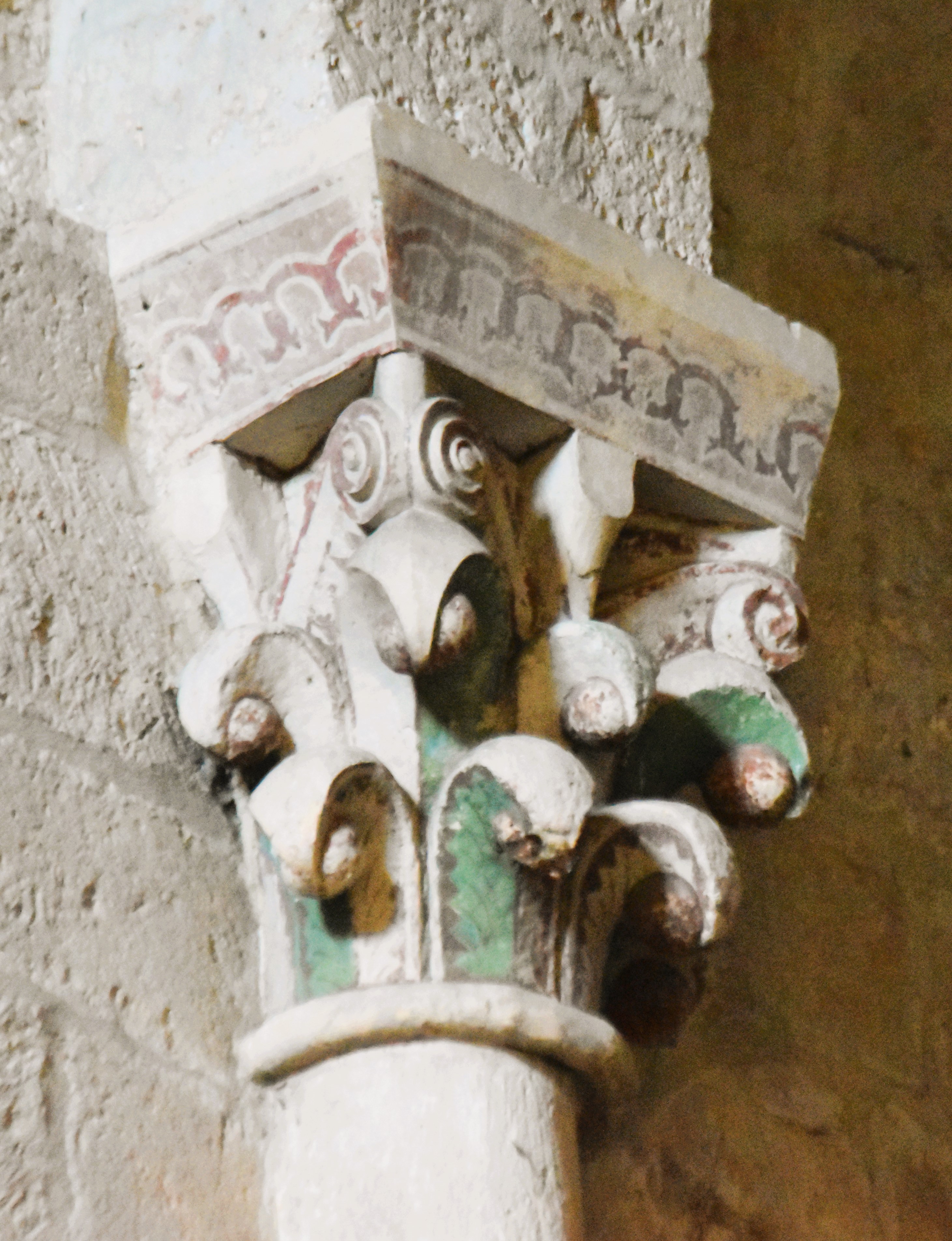
The church has a couple of capitals that still show traces of the colour that would have graced the who;e interior in medieval times.


The town is on the banks of the Baise and is navigable, so there is a pontoon and a stone quai for visiting boats
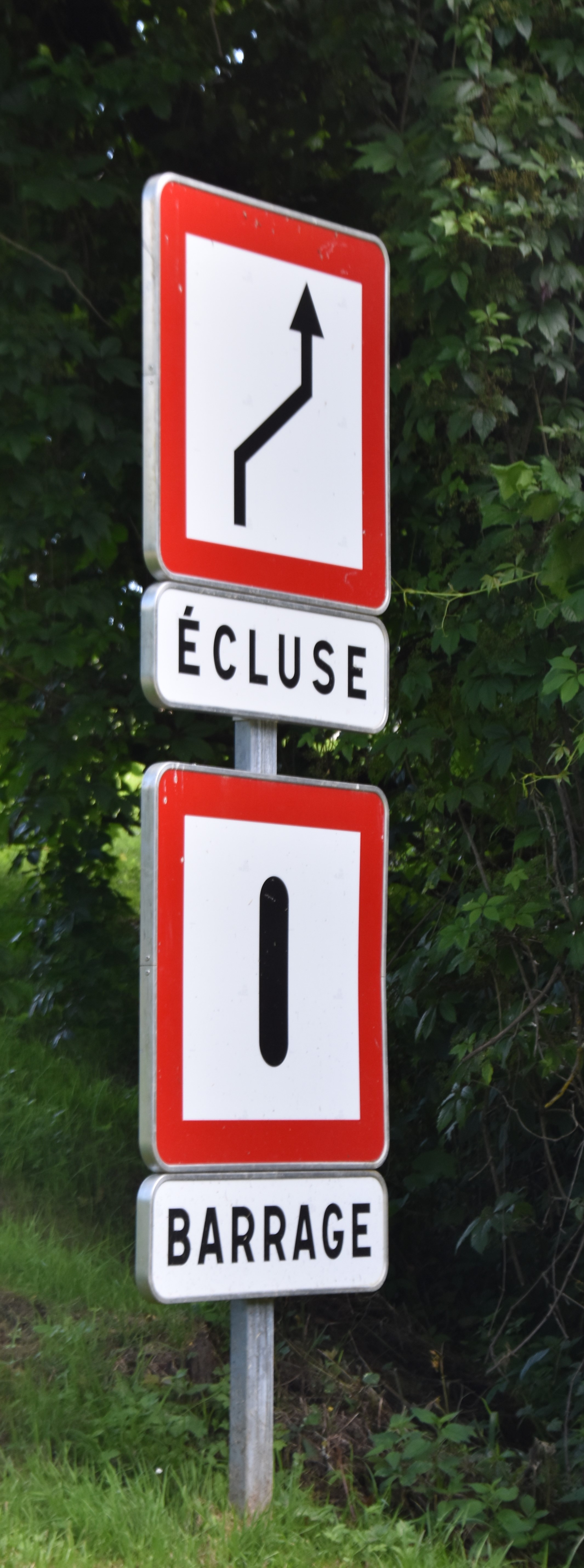


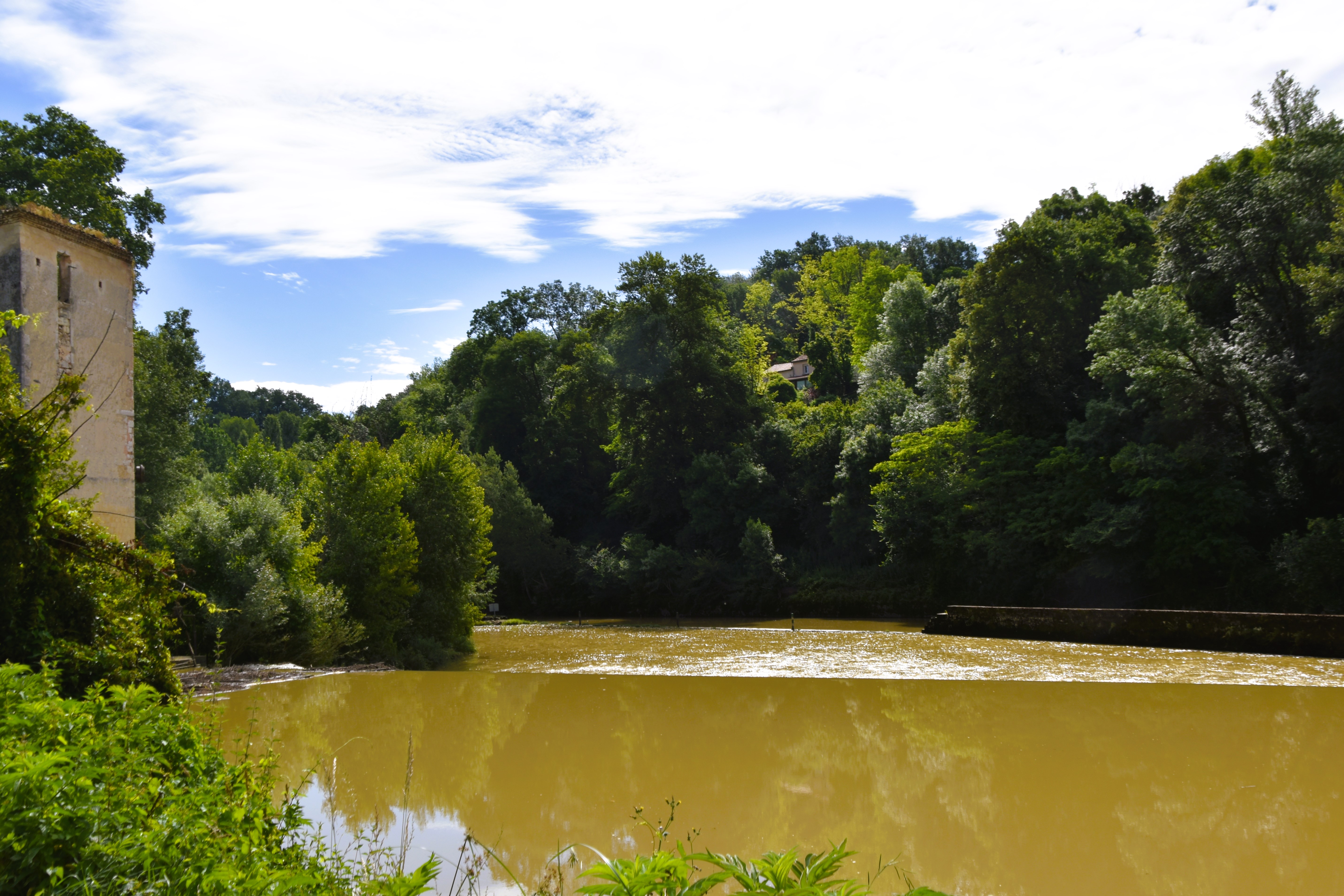
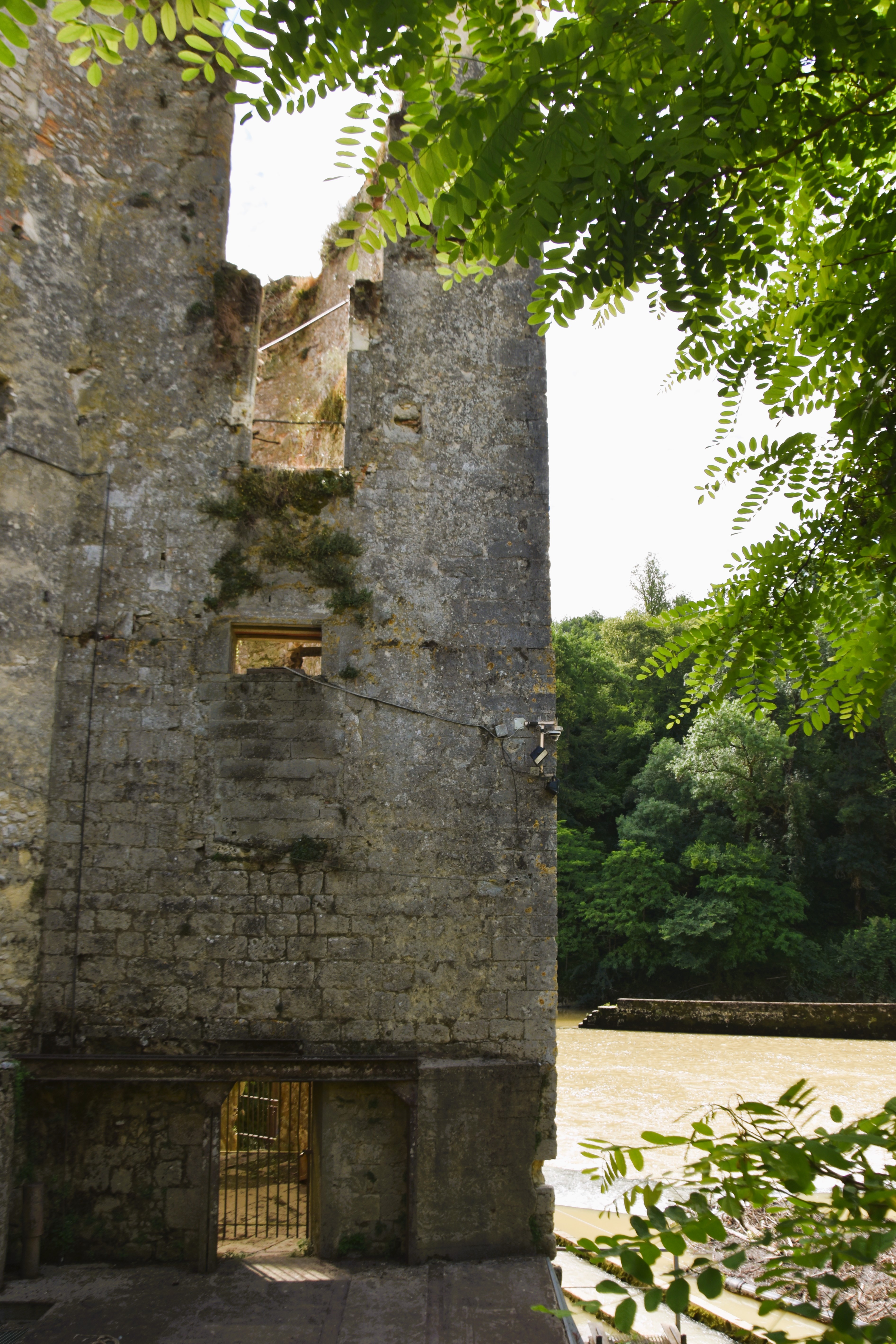
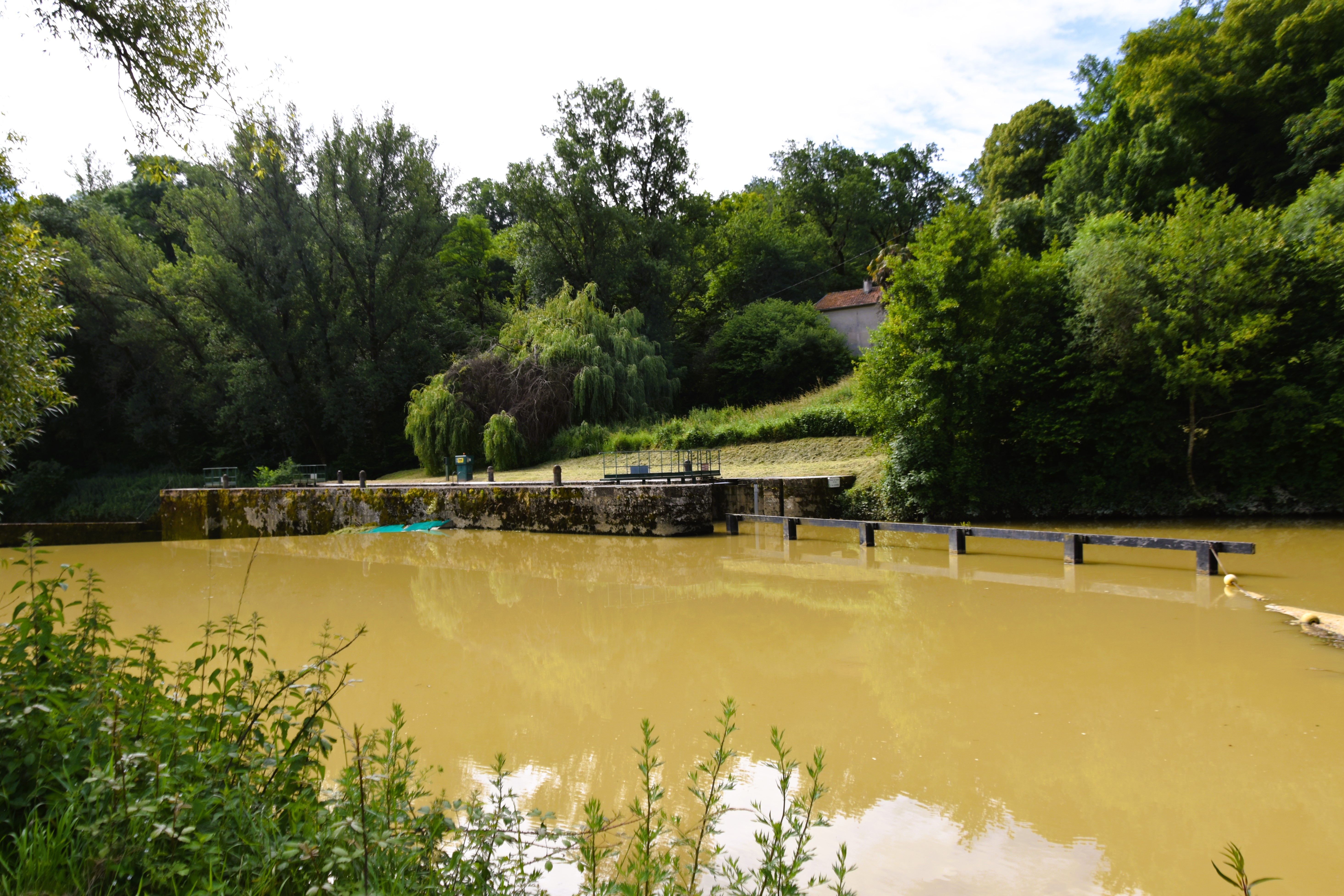
Further down stream there is a lock, a wier and a fortified mill which was converted to produce hydro-electricity some time back. This is the third such small hydro plant based on the conversion of an old mill that I have encountered recently. Makes a lot of sence.
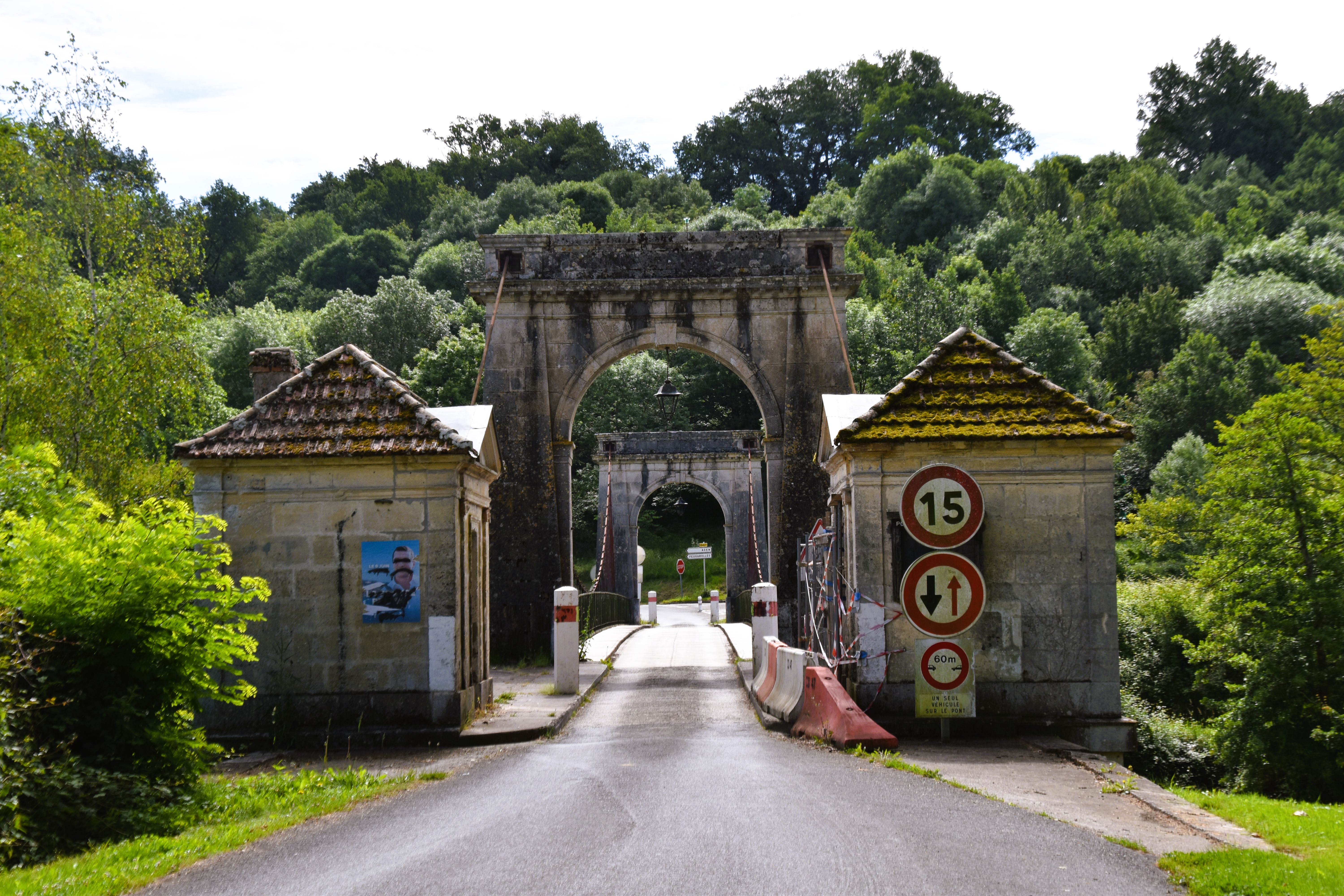
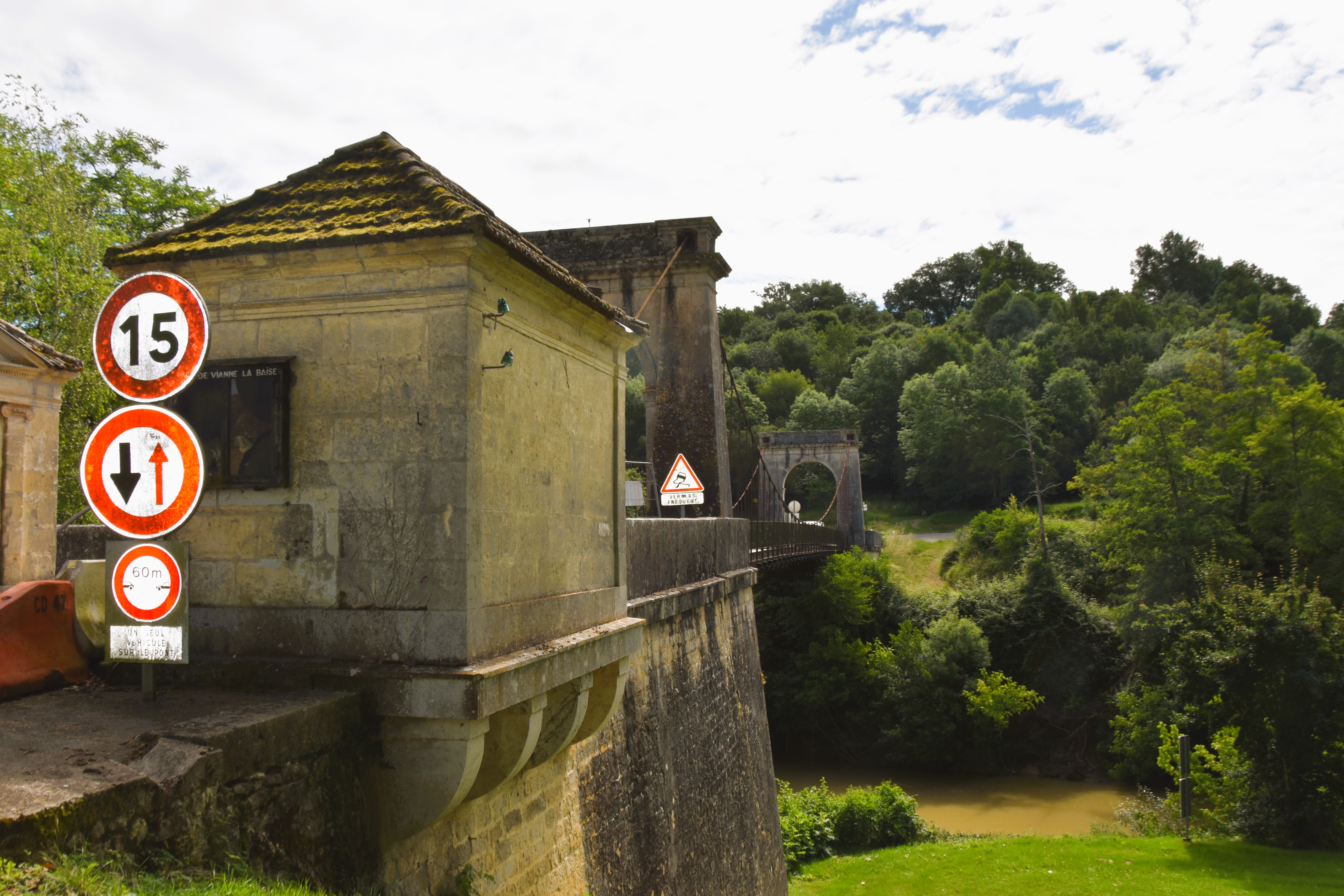
Further down still there is a little suspension bridge. The little structures on this end would have been to facilitate the collect of tolls in the past
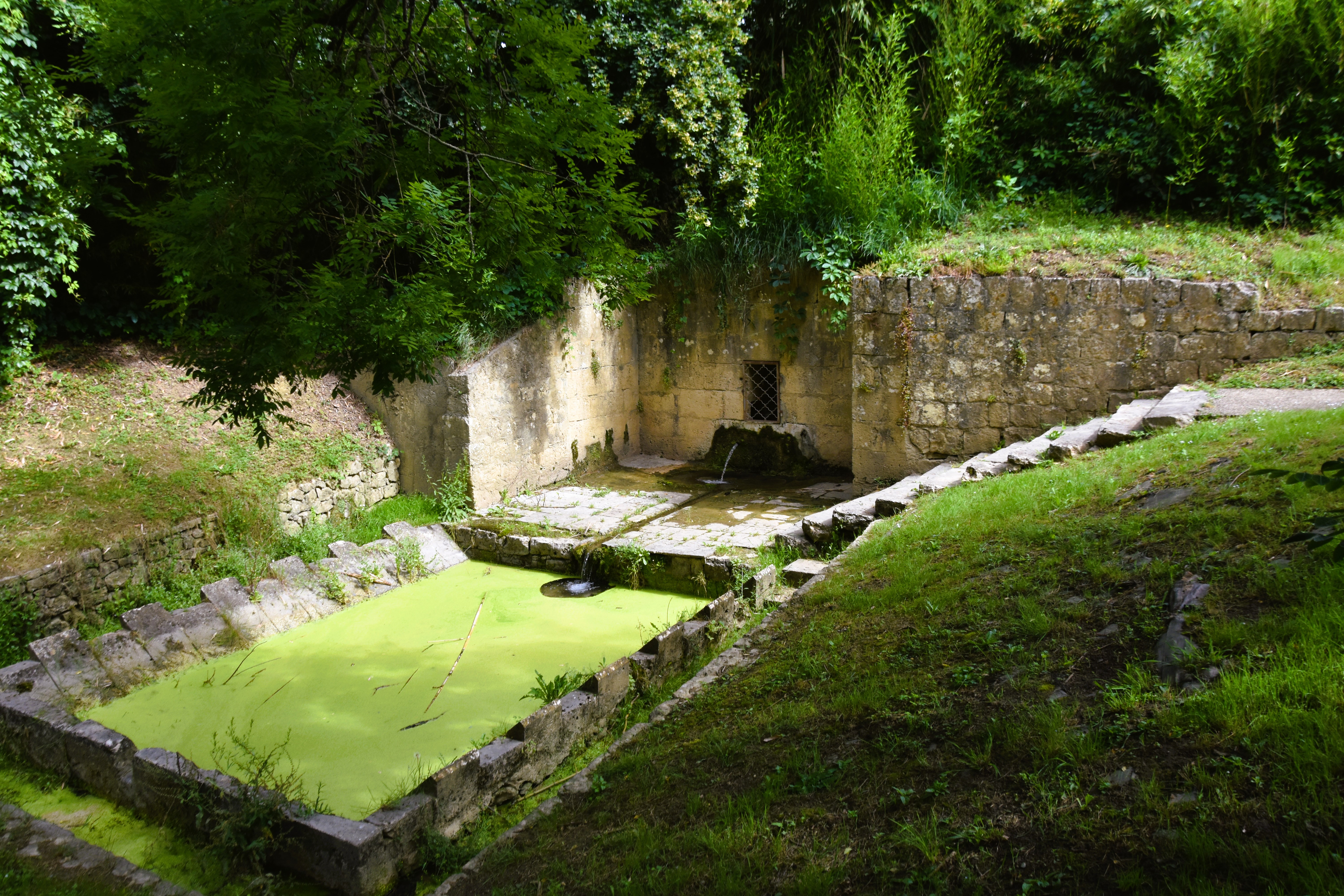
Up stream there is a nice little lavoir
I took an evening walk and found another story board with a useful plan of the town. Nothing much has changed over the centuries.

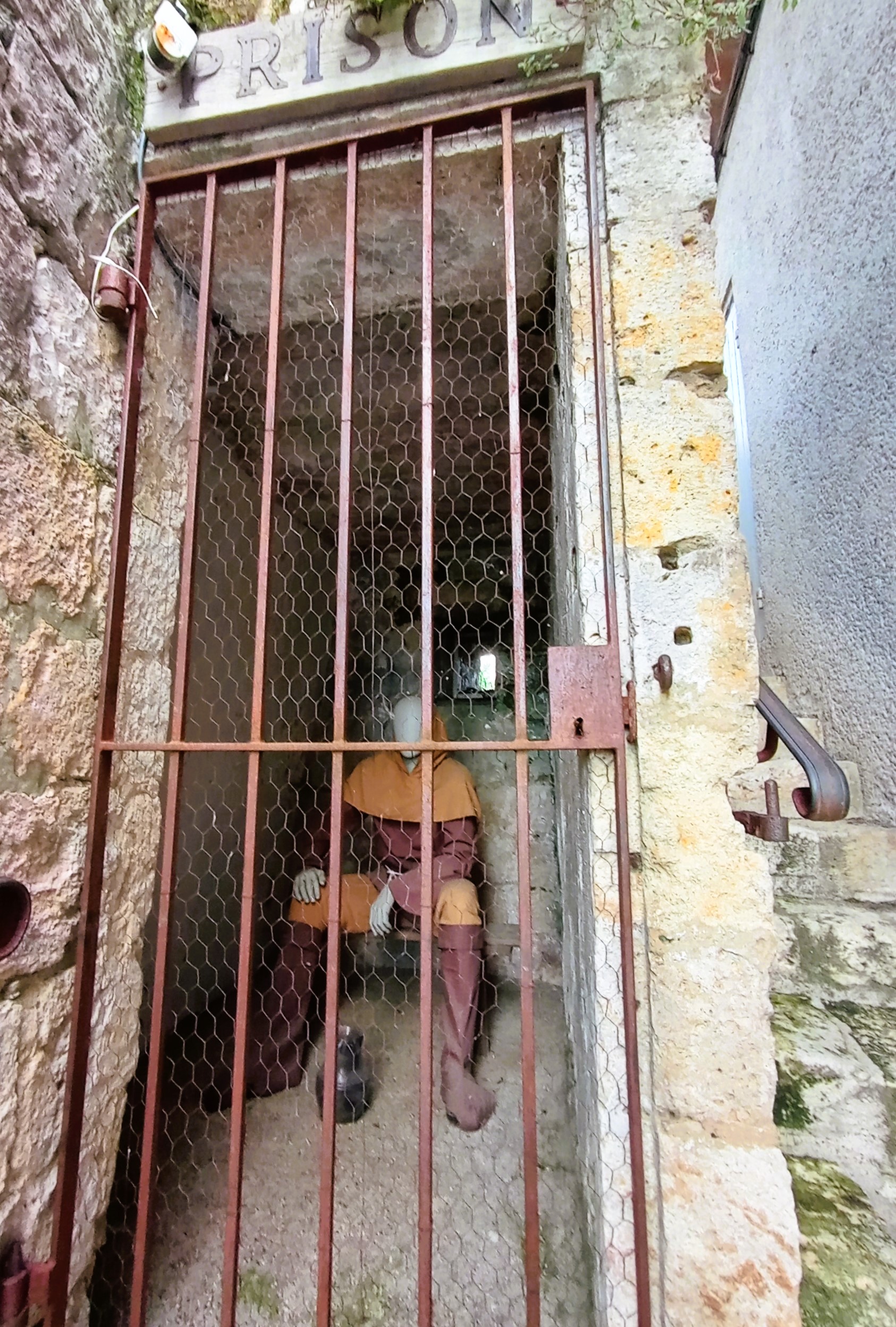
I also found that one of the towers was open. About half way up was a single small cell which constituted the prison.
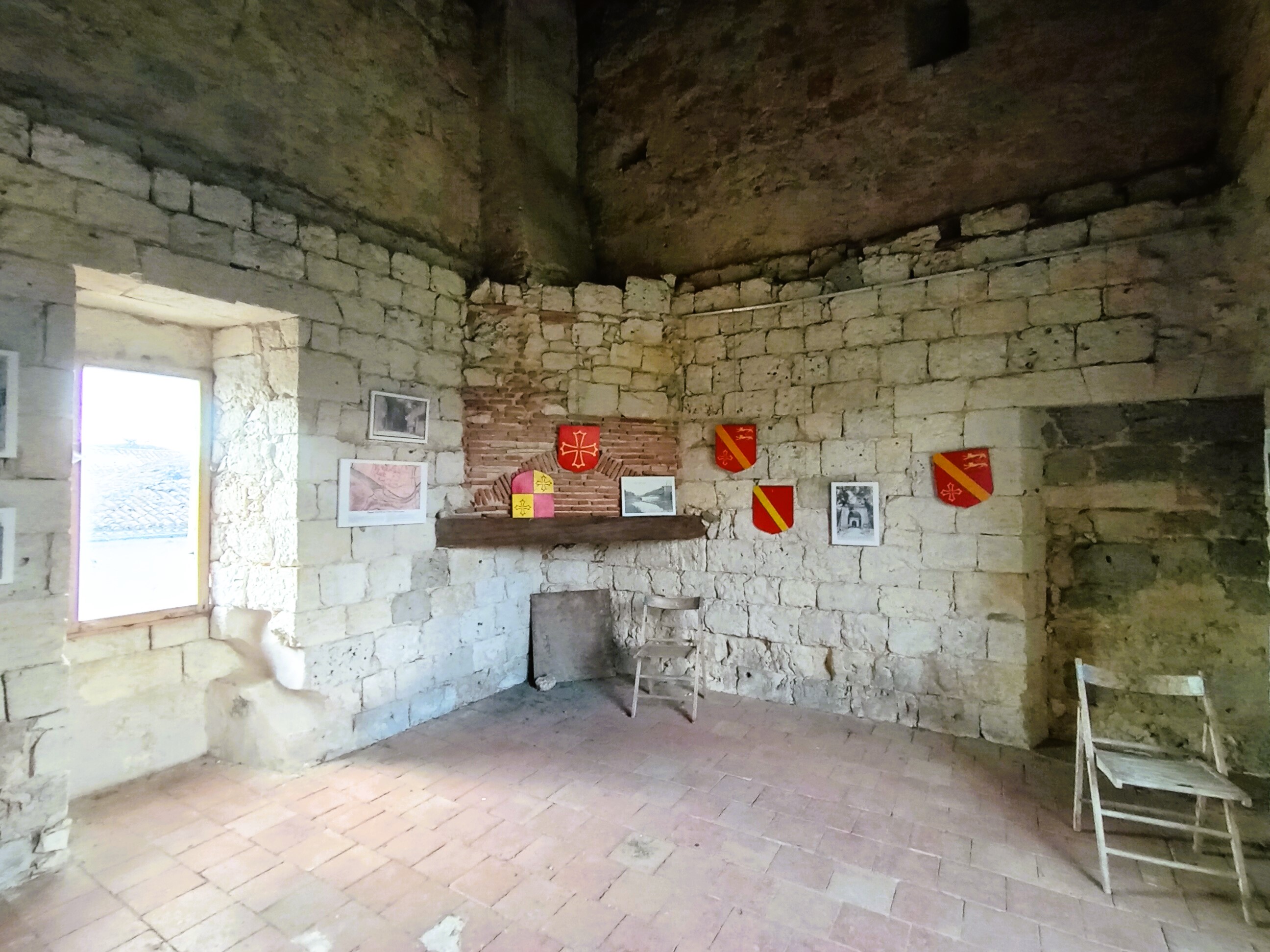
From the room at the top there were vieas out into the town on one side and the river on the other.


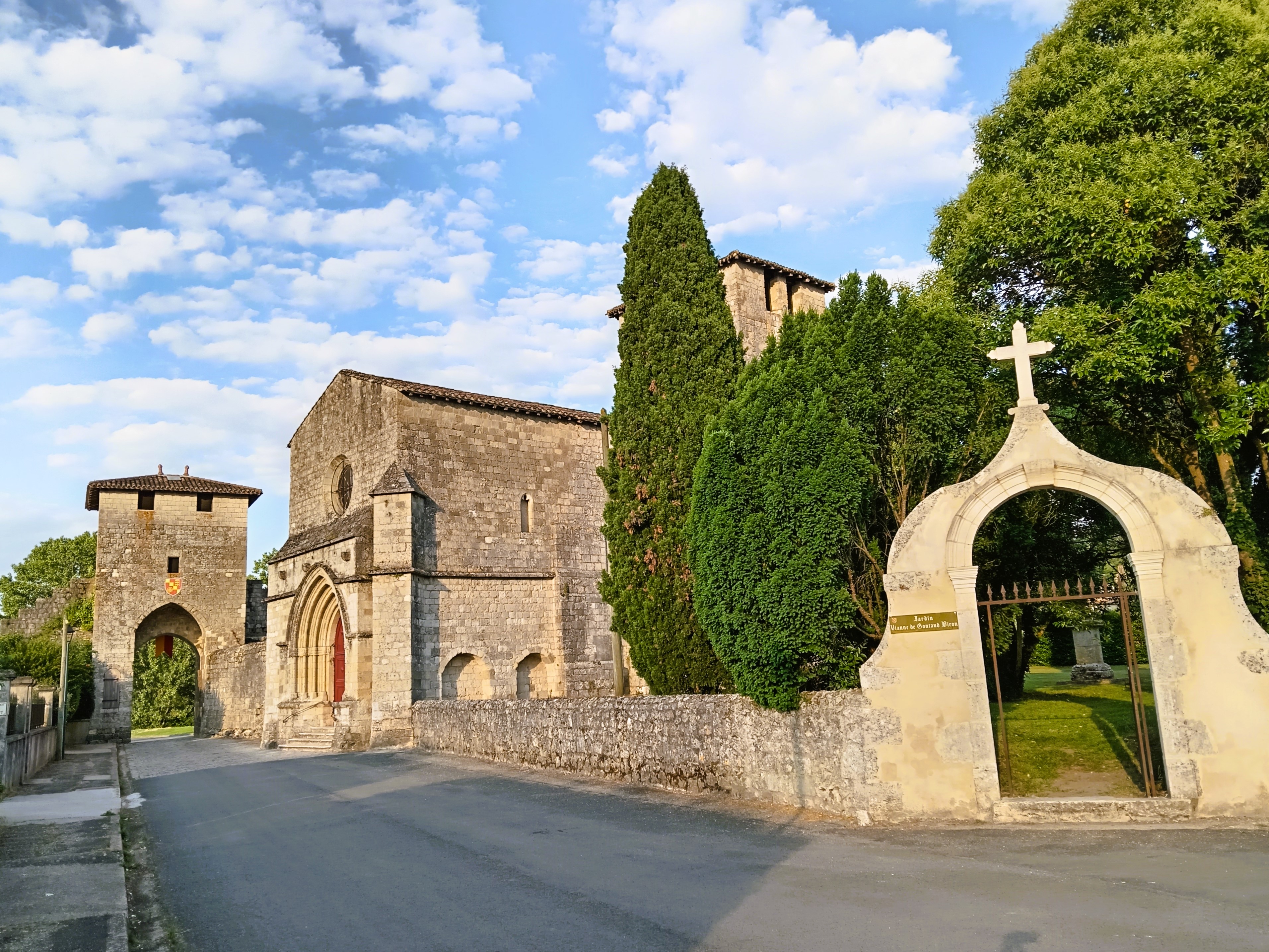
The Church looked lovely in the late evening light.
13th. Walked into town to visit the tourism and get some information on other Bastides in the area. It was still closed and when I enquired at the Marie I was told that this is a permnent closure. So might as well move on.
What I have decided to do is a drive around some of the local Aires to check up on them for Vacarious books who are about to bring out a new edition. However I also have the objective of the Moulin des Tours at Barbaste in my sights.
This fortified mill demonstrates just how important wheat and therefor flour were in the middle ages, in this area.
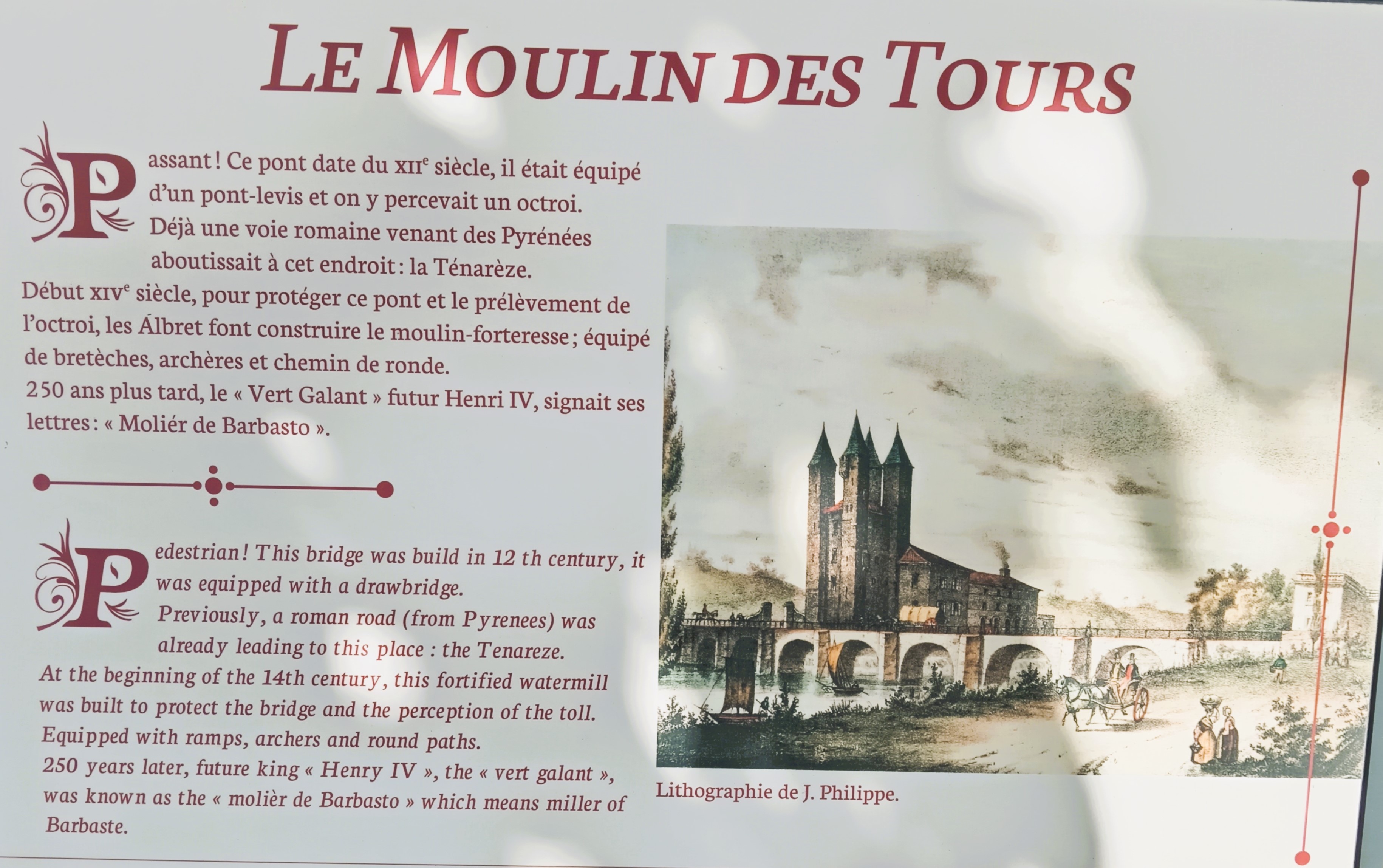
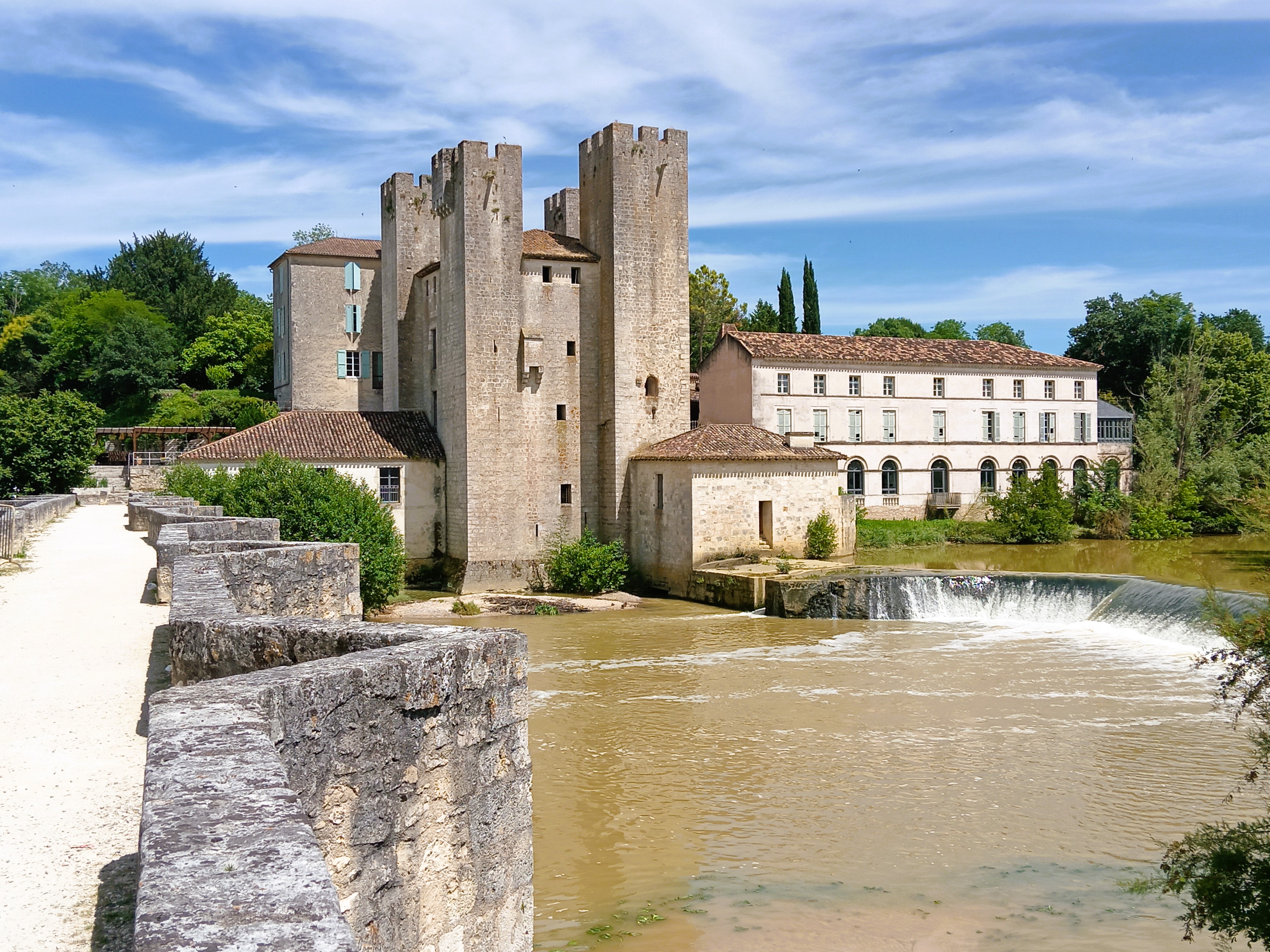
Looking up and down the river from the bridge
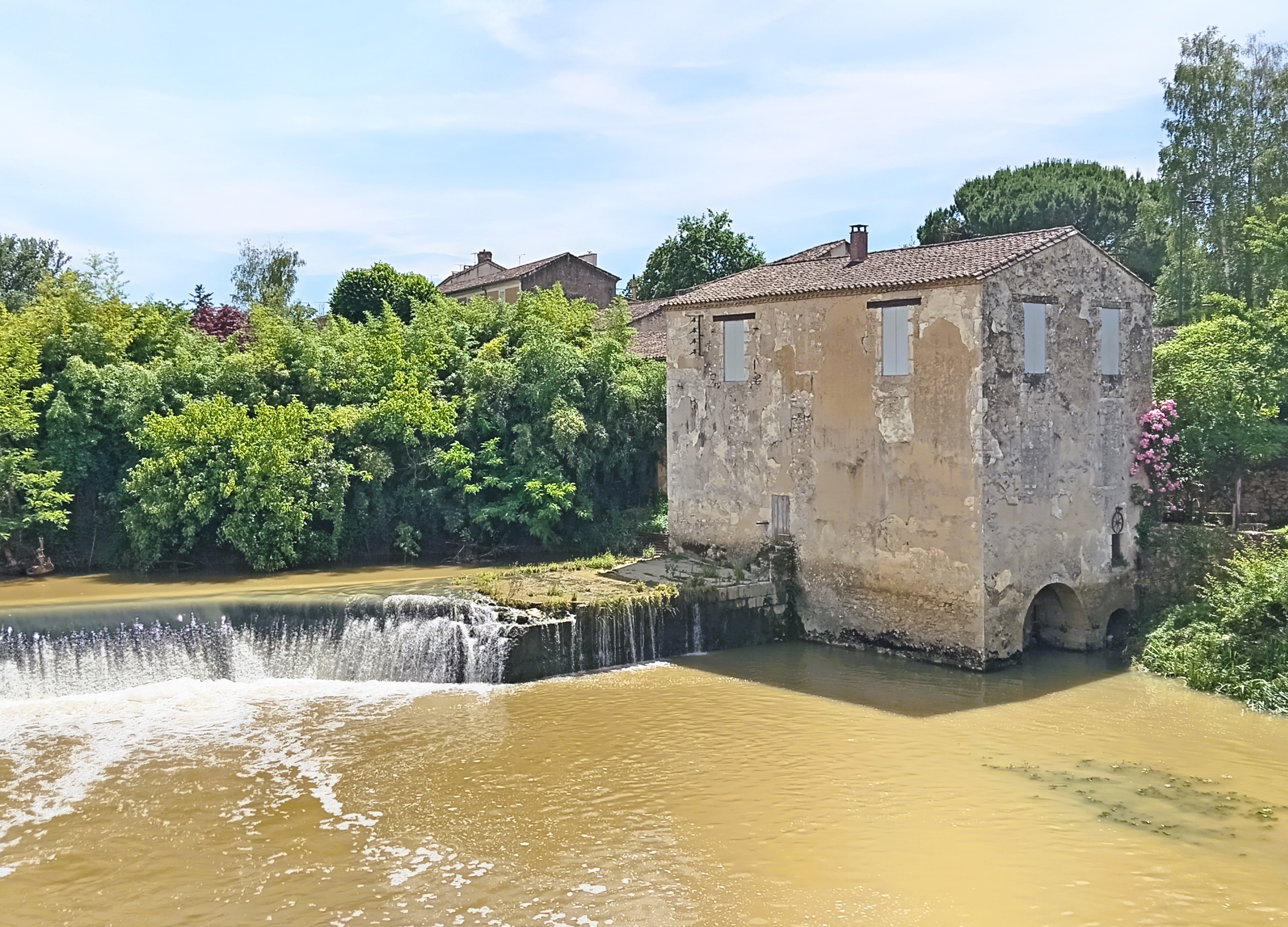


The afore mentioned “Bransouli Facade” on the right
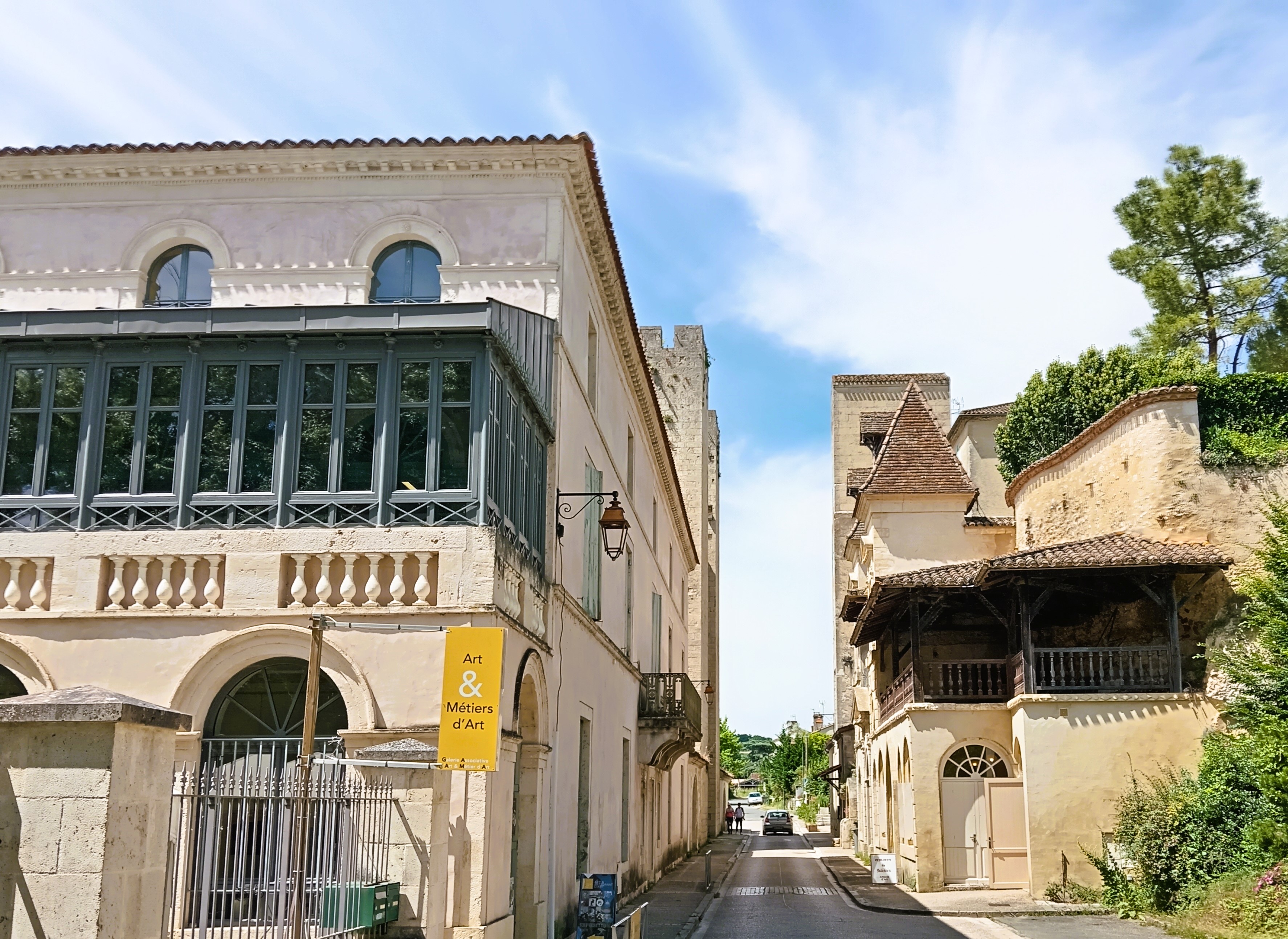
and the “maison Aunac”
An altogether rather impressive set up.
Now housing a restaraunt and artist and artisans work shops and retail outlets,
14th I made the mistake oftrying to driv along this from the other end when I came off the bridge this morning it obviously led straight to the Aire but apart from thr first couple of hundren meters it is not open to vehicles!

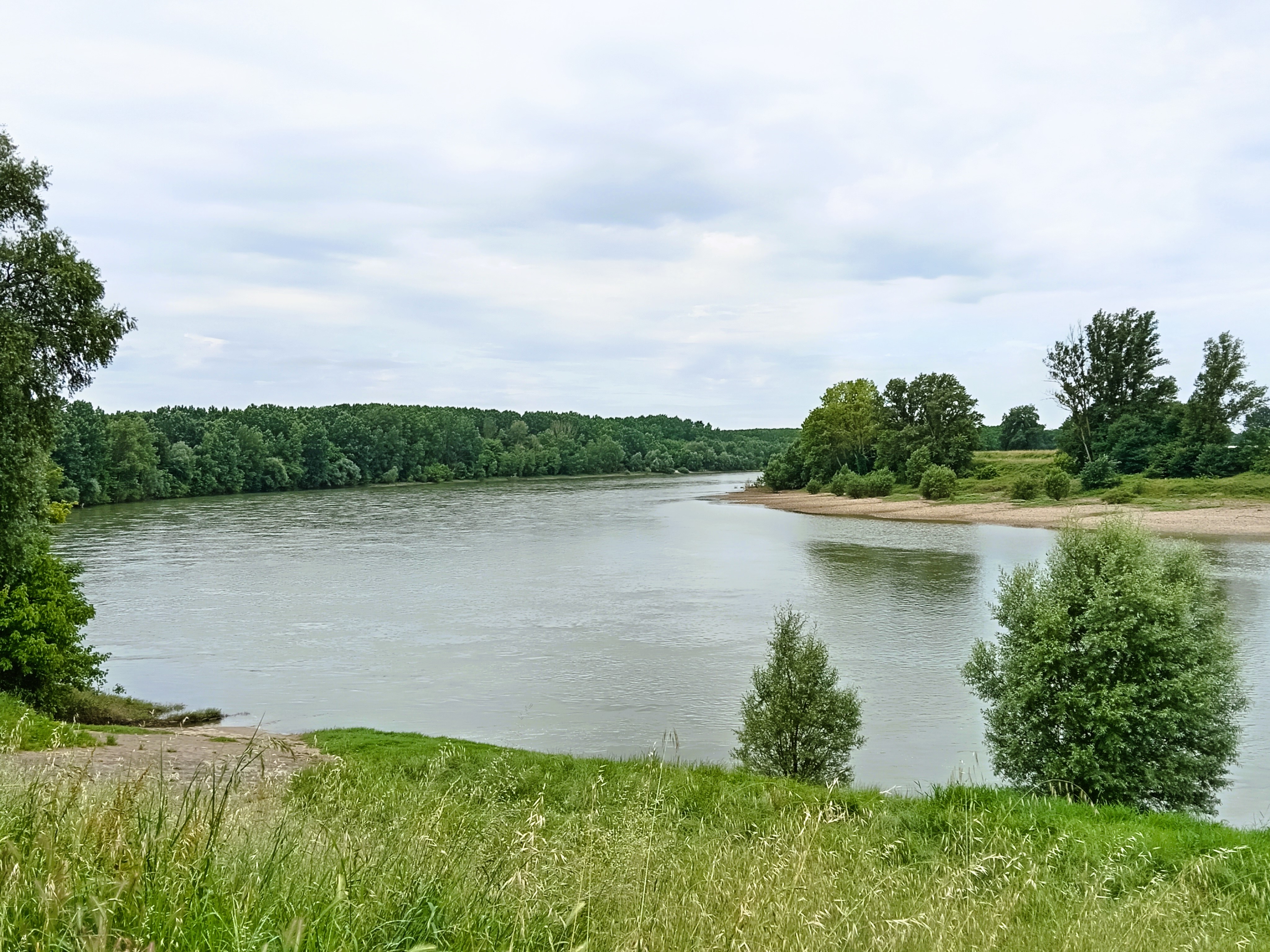
The Garrone is very wide here but by no means sluggish, it is moving along at a fair old pace.
Having done a fair amount of running around yesterday I am settled here for two days. Work to get up-to-date and laundry to do. There is n automatic laundrette outside the supermarket just above the aire.
15th Work day!
16th. set off after breakfast for the short drive to Caumont-sur-Garonne. The Aire today is on the banks of the canal.
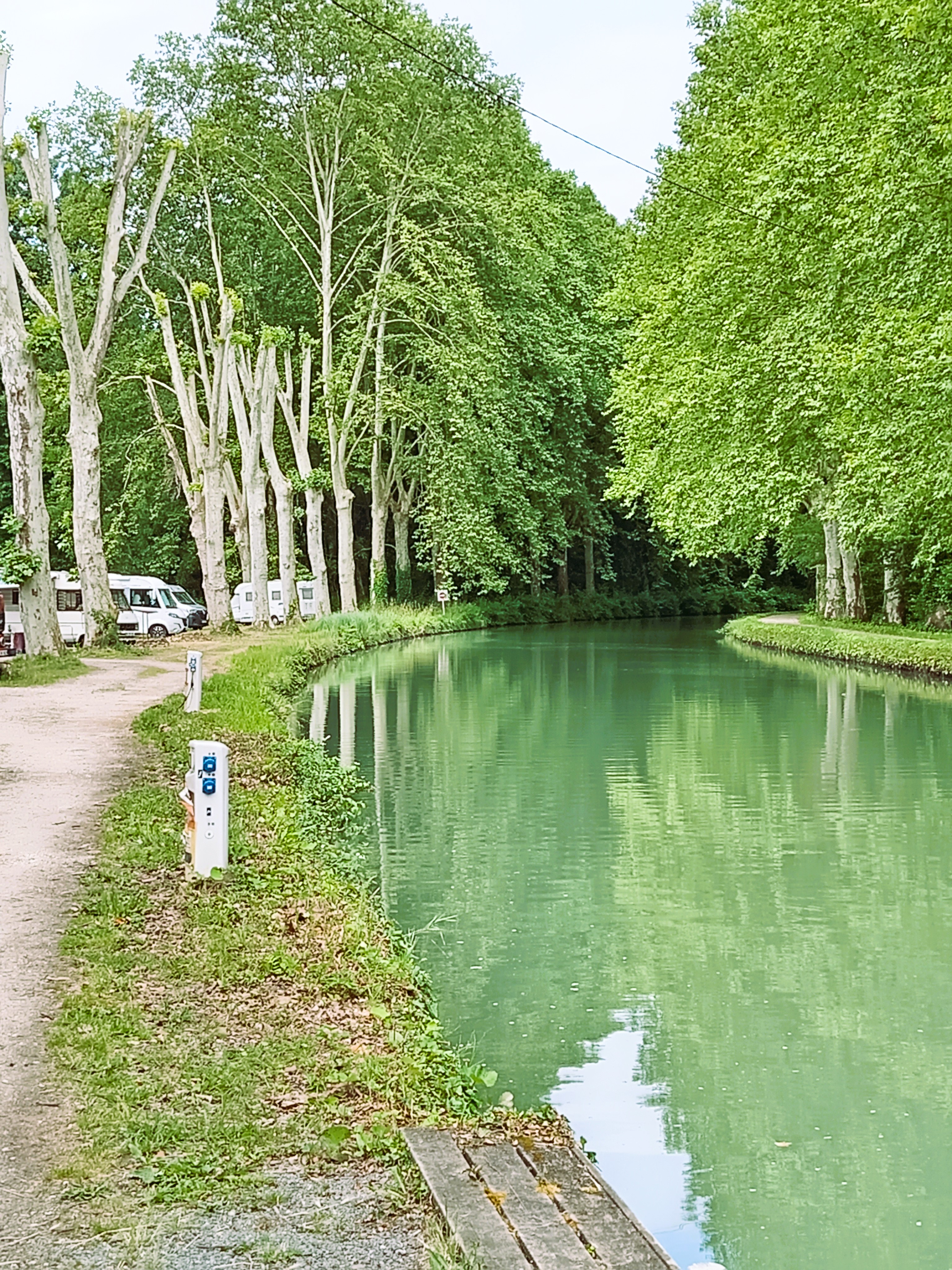
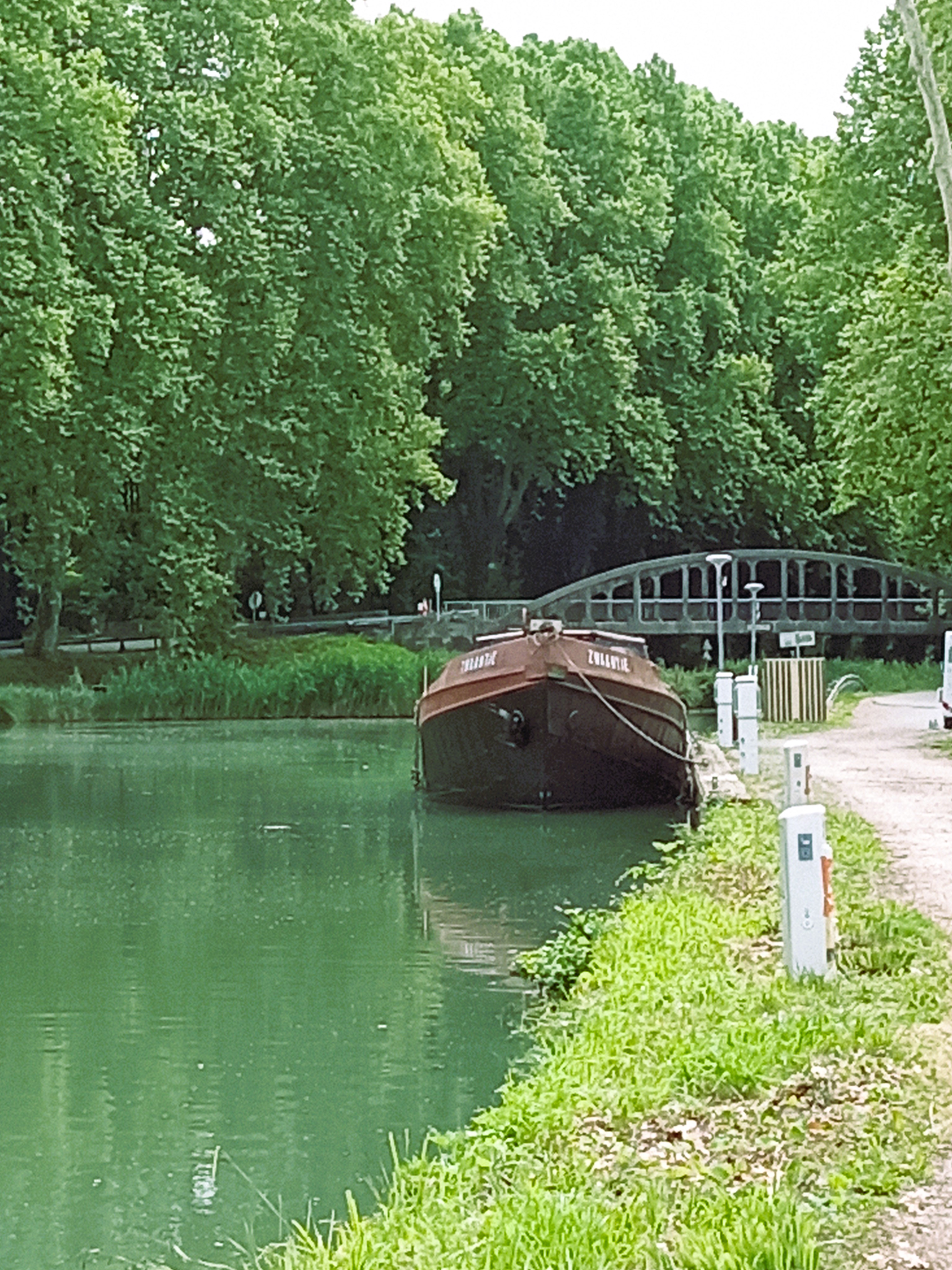
The litle village of Caumont is charming and had a very worthwhile bookswap! Most of the buildings are constructed using the building materials pictured.


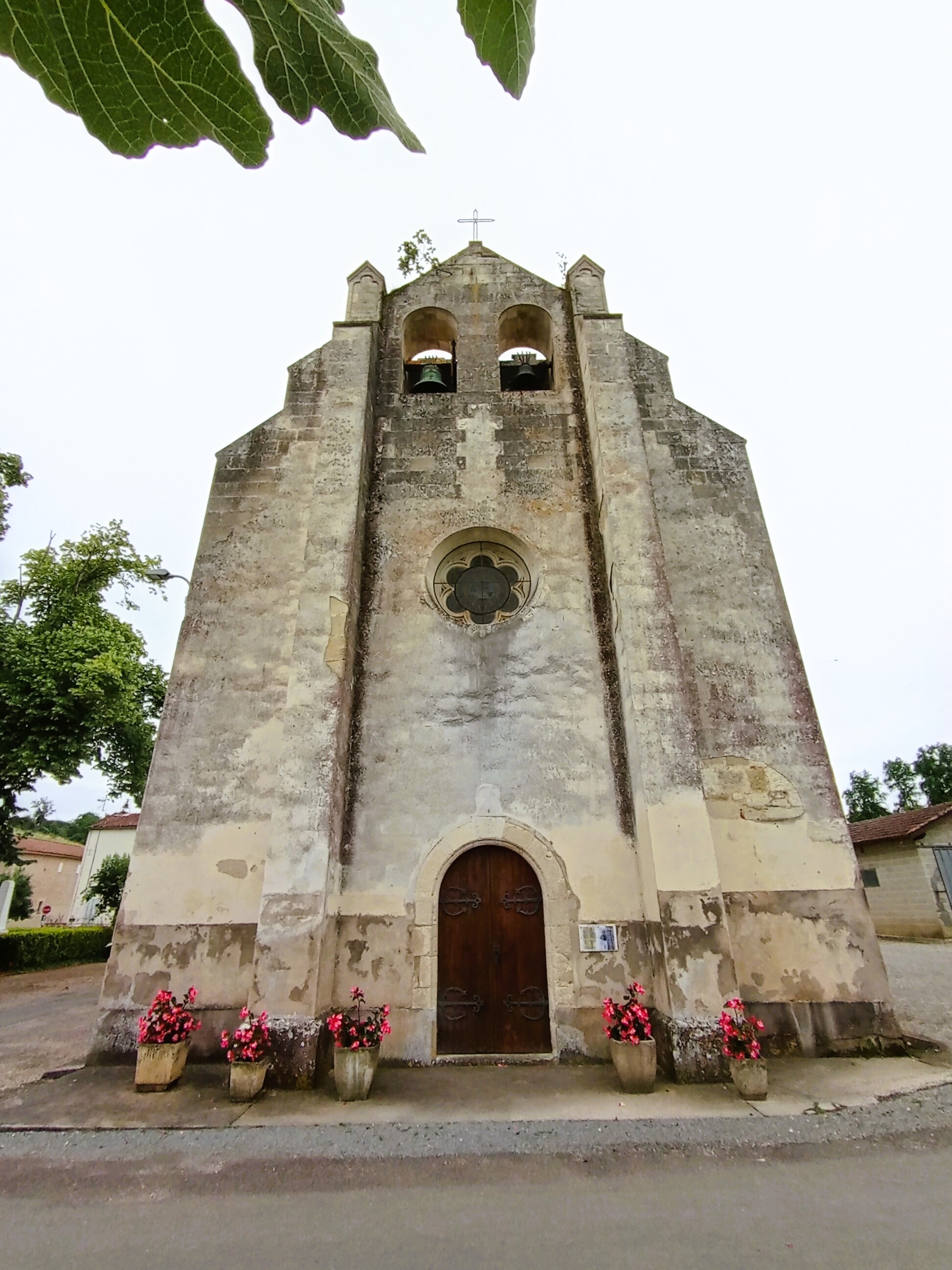
As I have had a long period of free Aires I decided to treat myself to lunch at the canalside restaraunt. The food was good and one could see why it filled up so quickly.
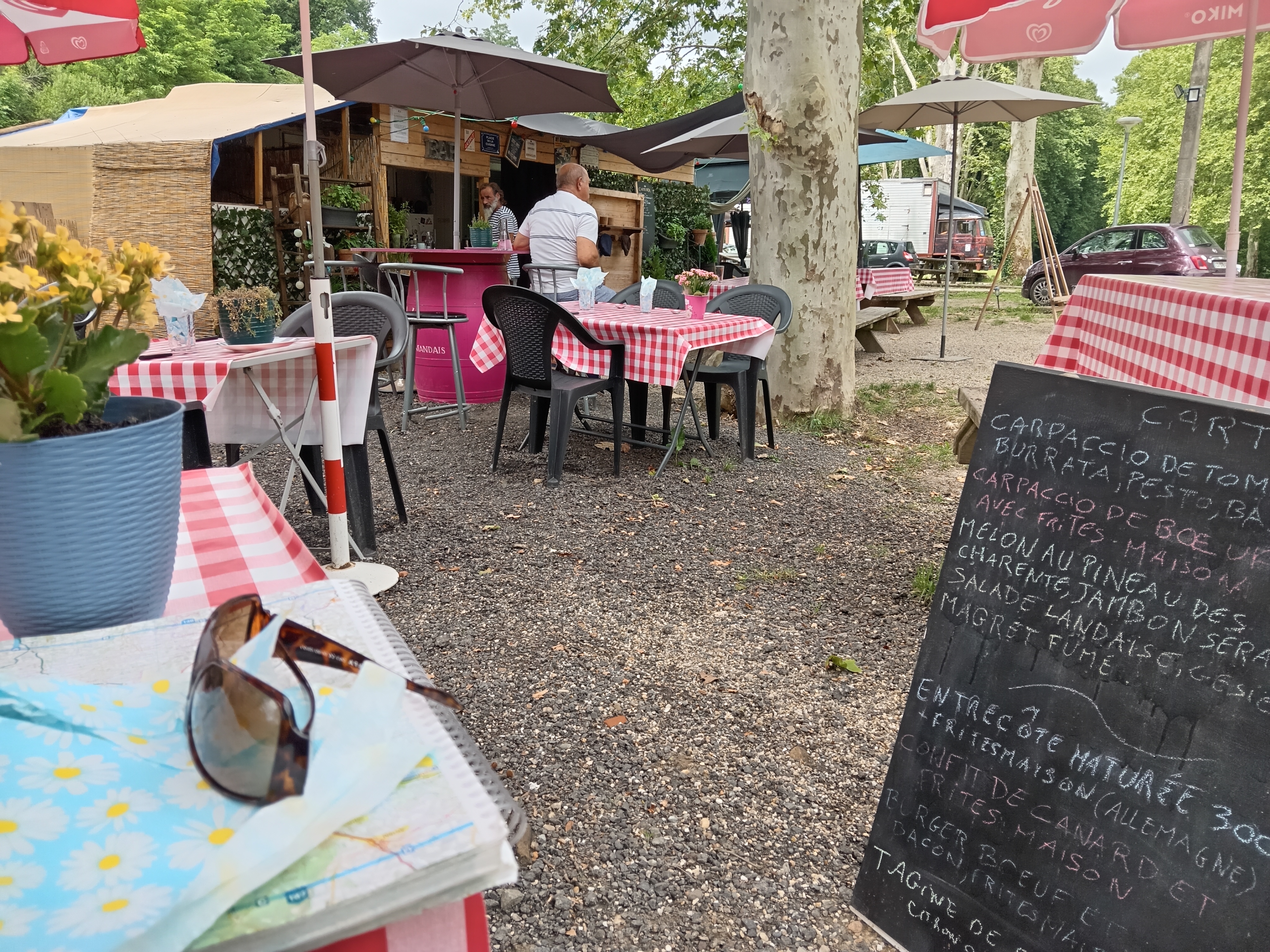
After lunch we walked down one side of the canal to the next vridge, crossed over and walked back along the other side, all under the shade of tall deciduous trees.
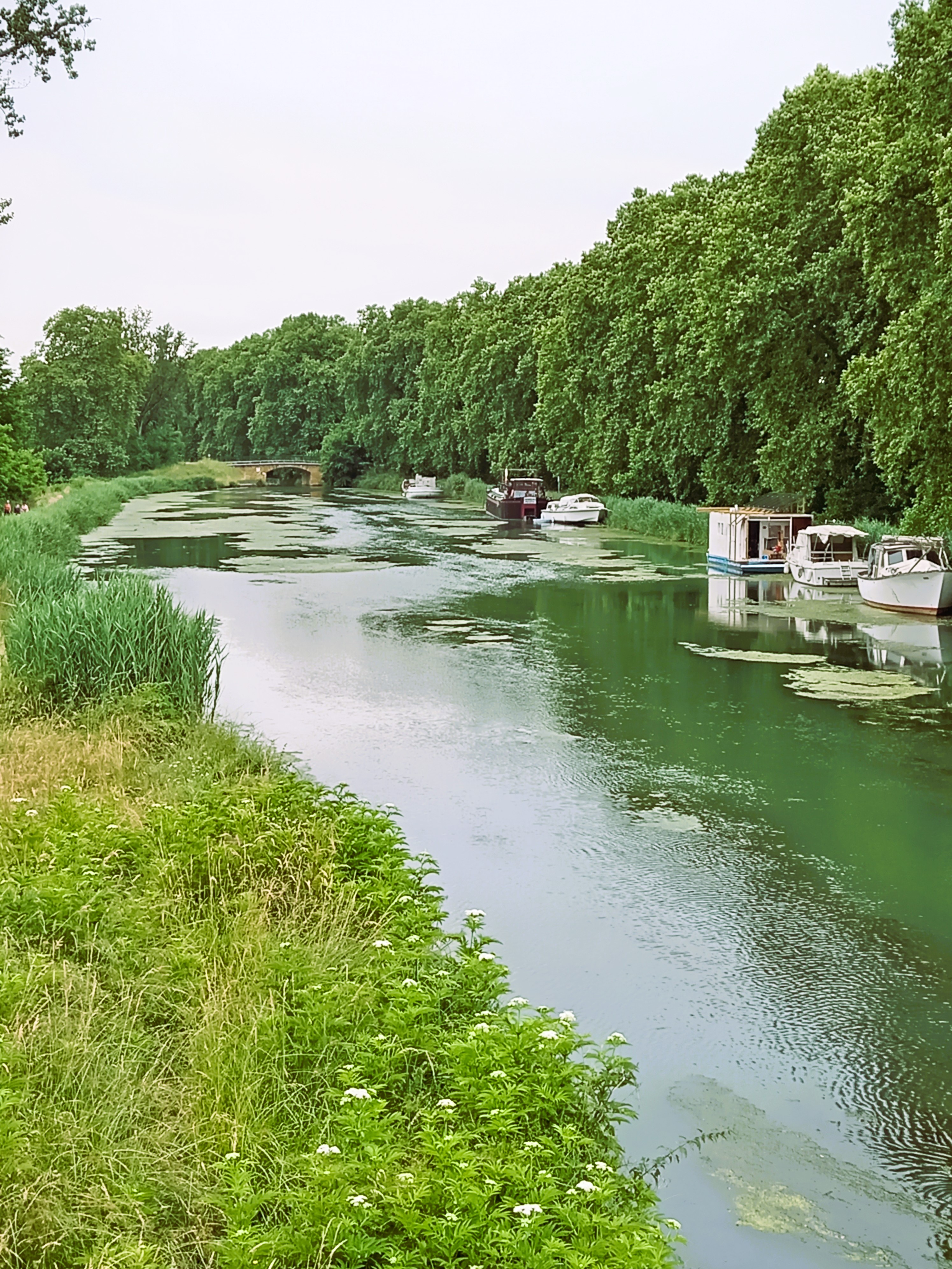
17th. Drove furhter down the canal to Fontet. The Aire is situated at a lovely spot alonside a basin off the canal that as well as welcoming passing traffic also has a contingent of live abosrds. The setting is beautifully landscaped.

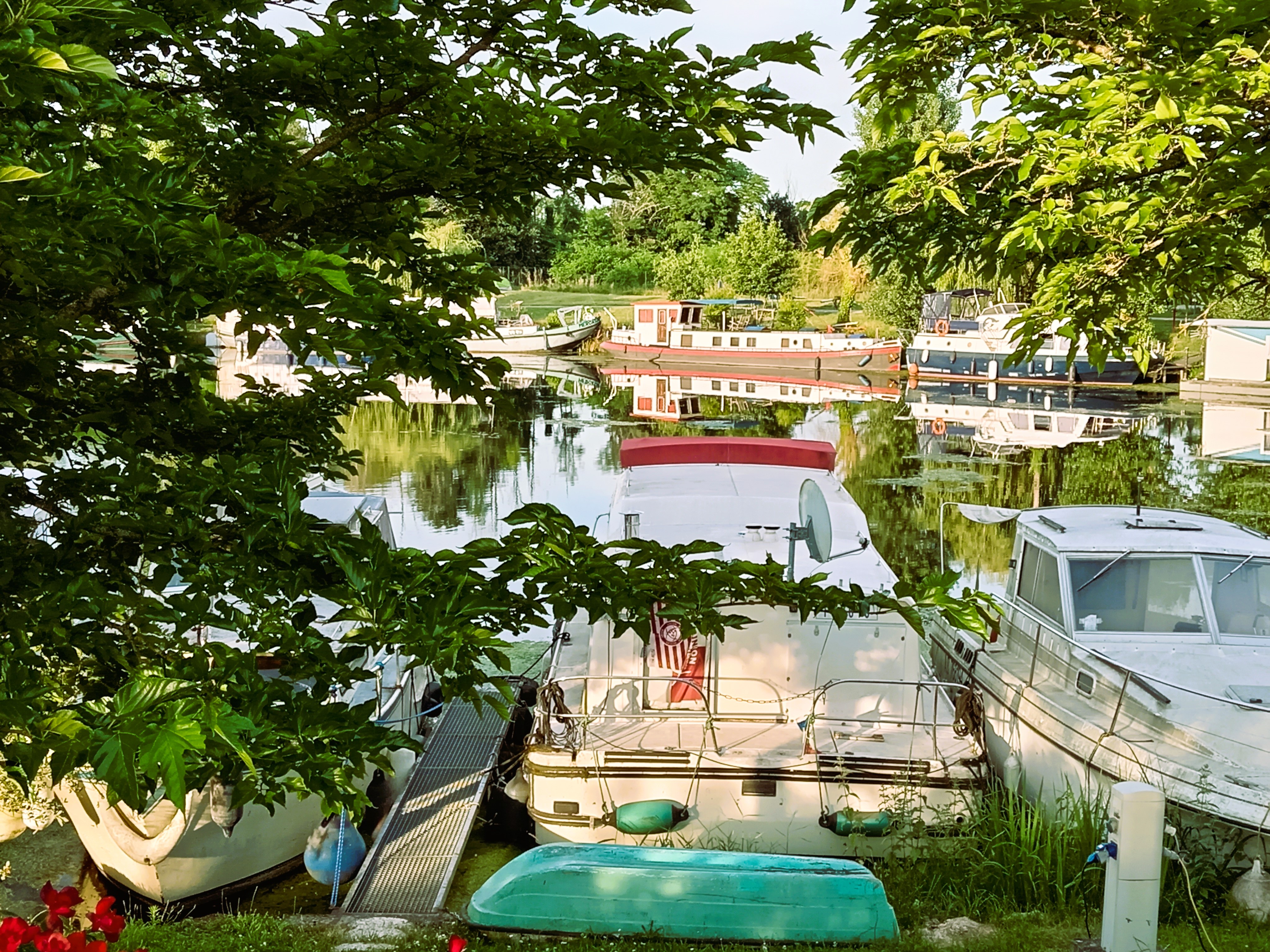
Settled in and had a good walk round the marina and along the canal which is home to some more long term boats . It is very thick with weed, a real bugger for jamming up the prop if you are trying to move anywhere!
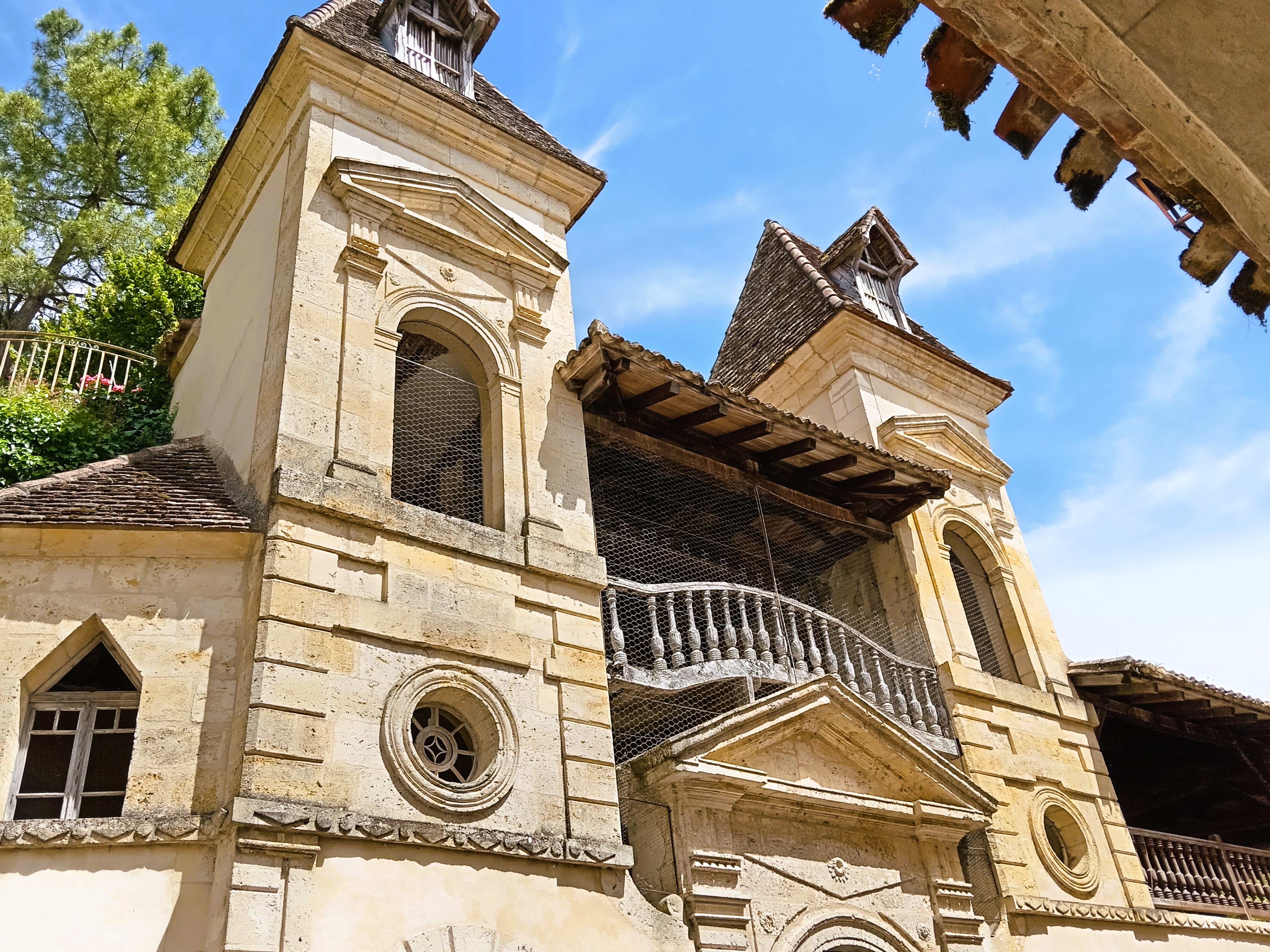
18th. walked into the village this morning. It is a village of two dove cotes or Pigeonniers or Colombiers, how did it get so complicated?
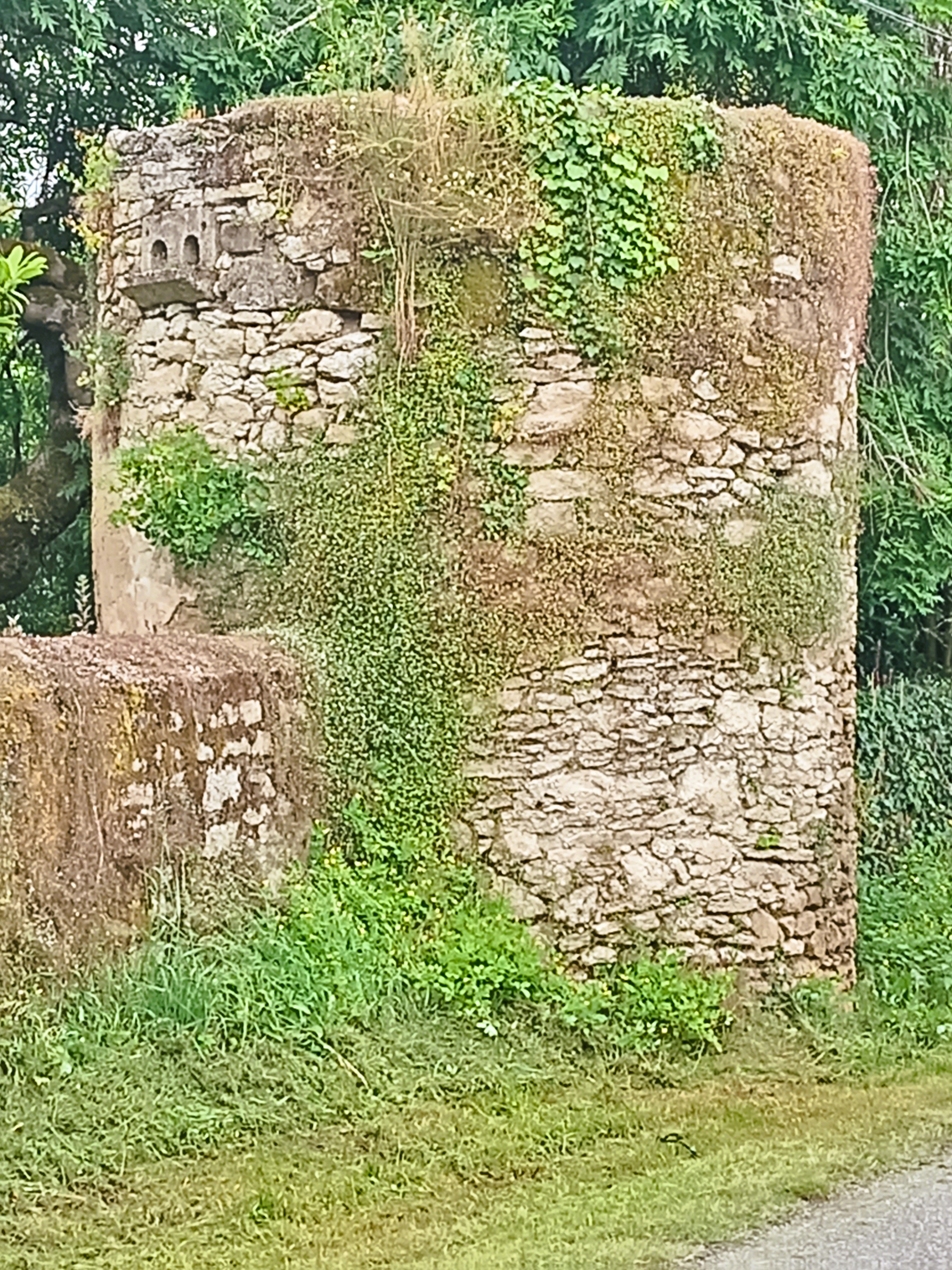
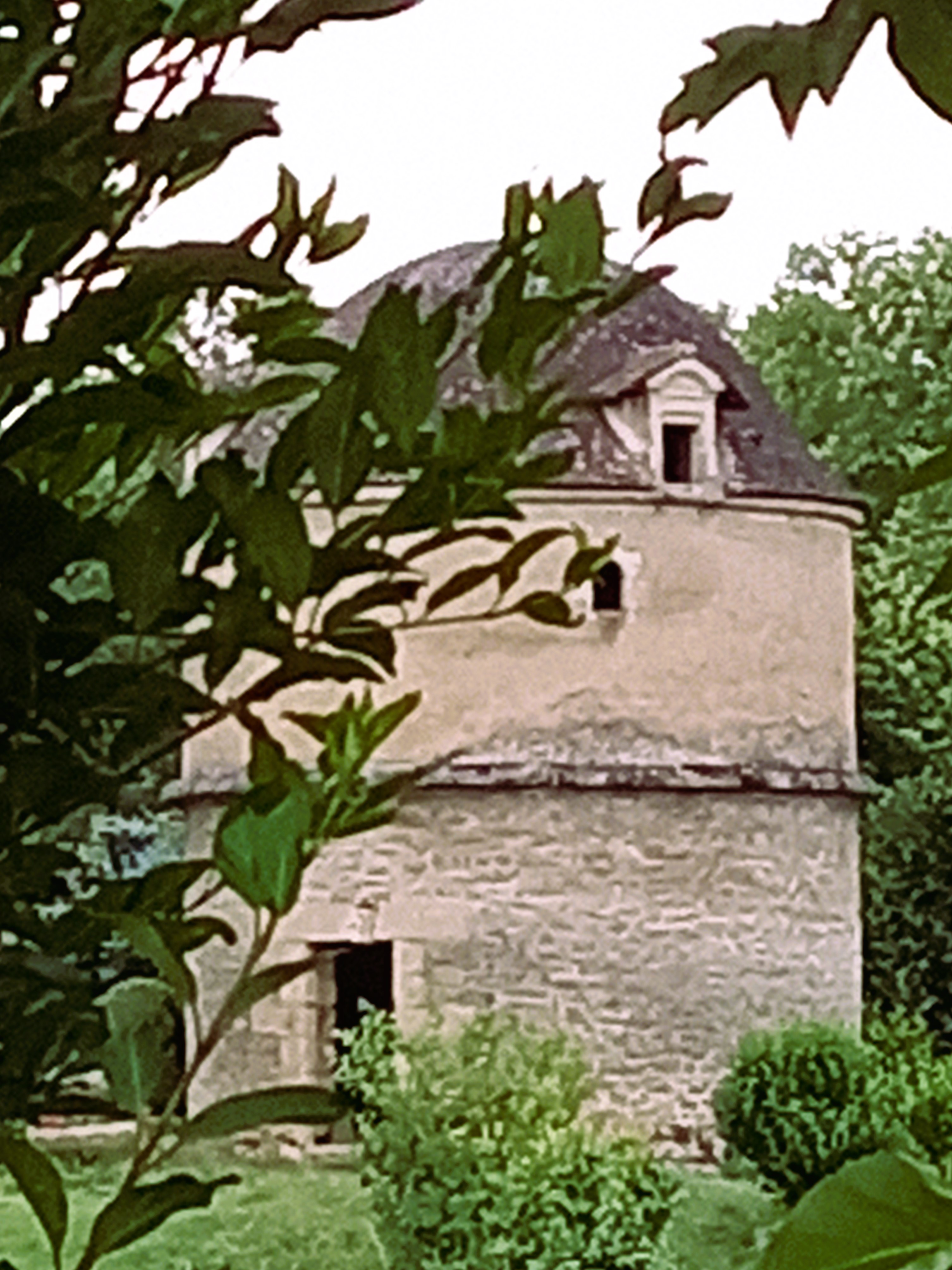
Keeping pigeons for their flesh, eggs and guano goes back to the Roman era. Up till the beginnign of the C14th landowners had the right to construct a pigeonnier also known as colombiers (from the Roman columbarium). The inside of the pigeonnier was filled with boulins, or nesting boxes, each large enough for two adult pigeons. A few pigeonniers were large enough to house several thousand pigeons.
And we complaint about business restring red tape today!
There is an attractive stone church
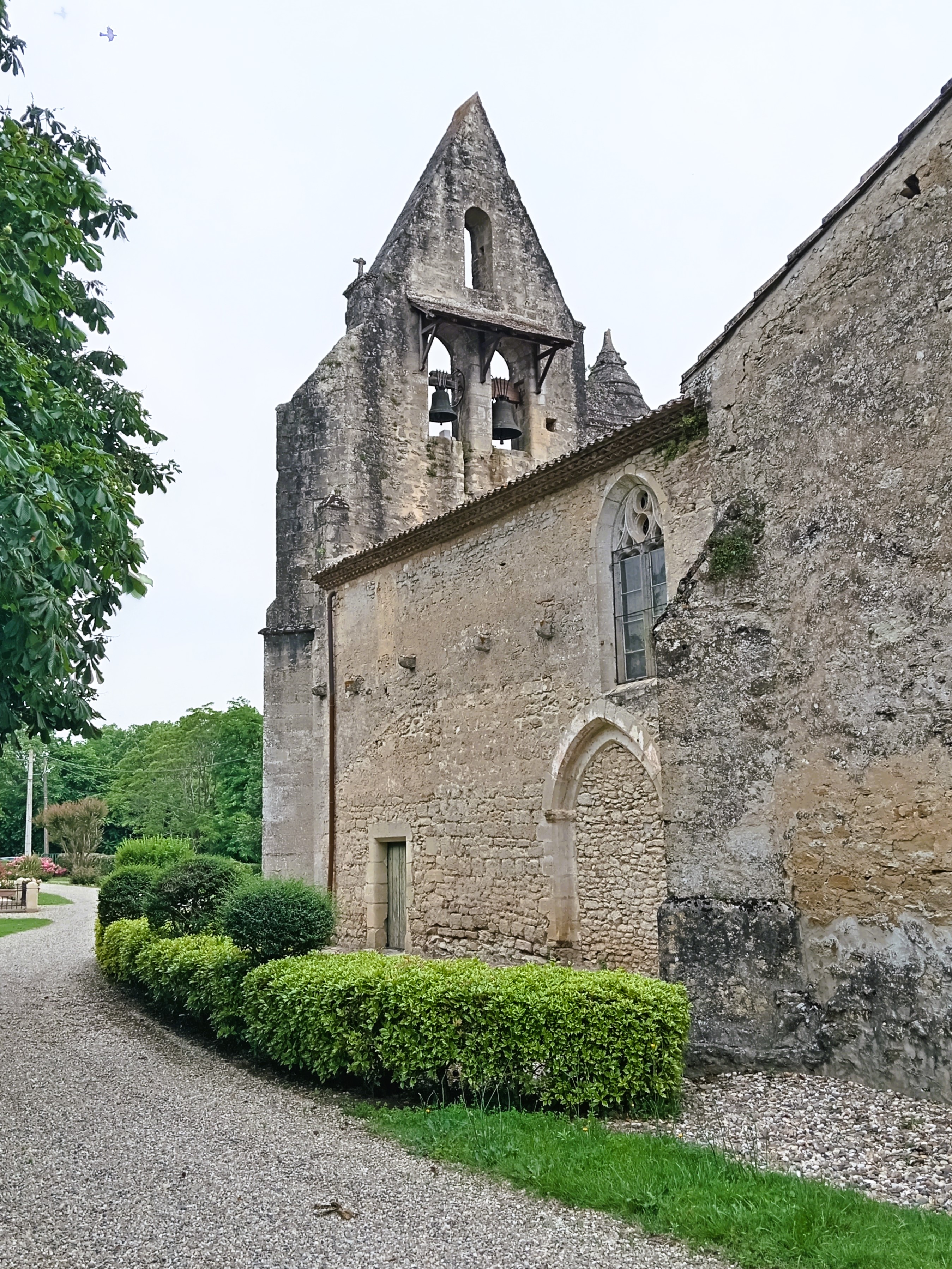
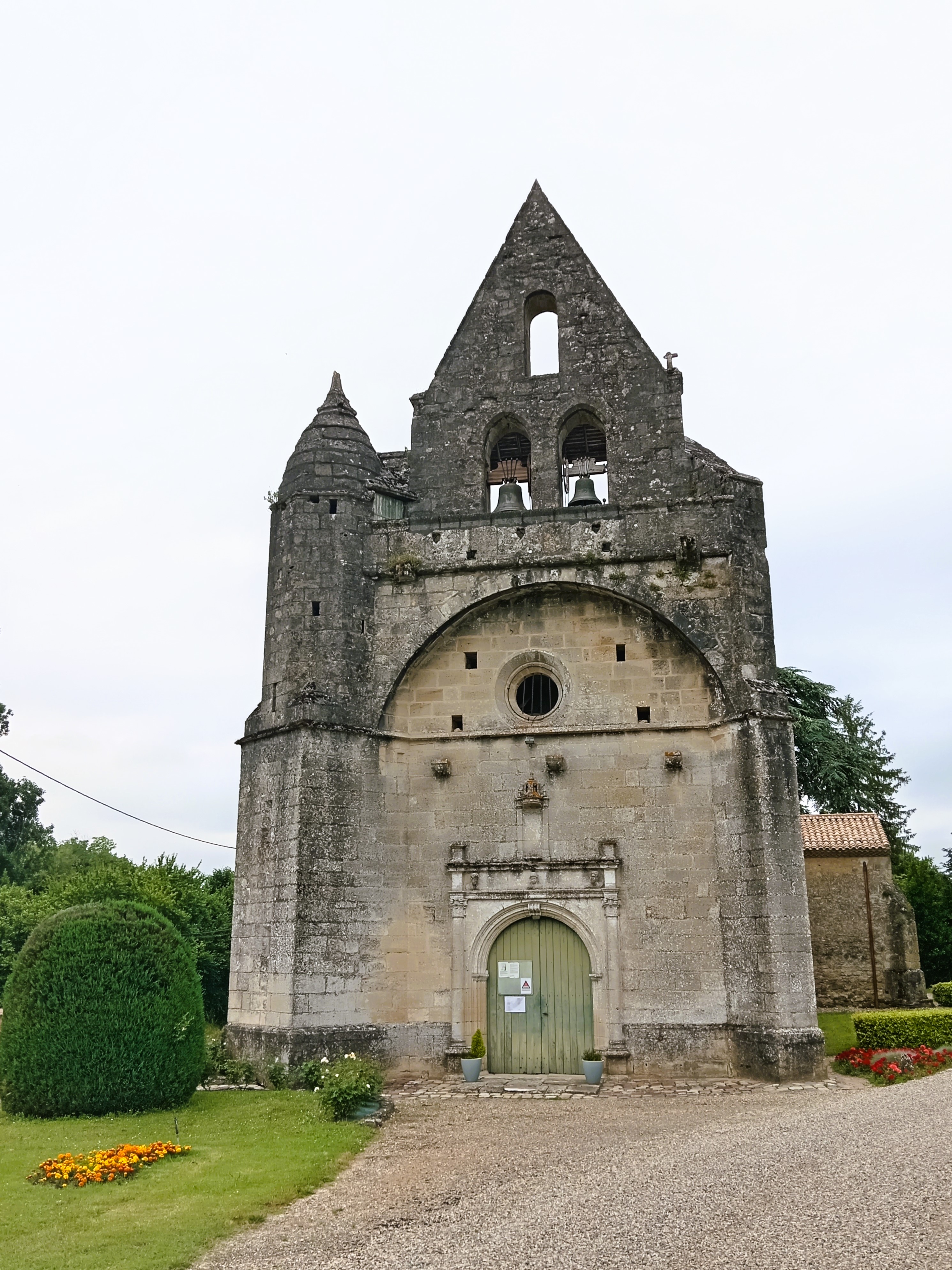
And an well maintained lavoir fed by a healthy spring

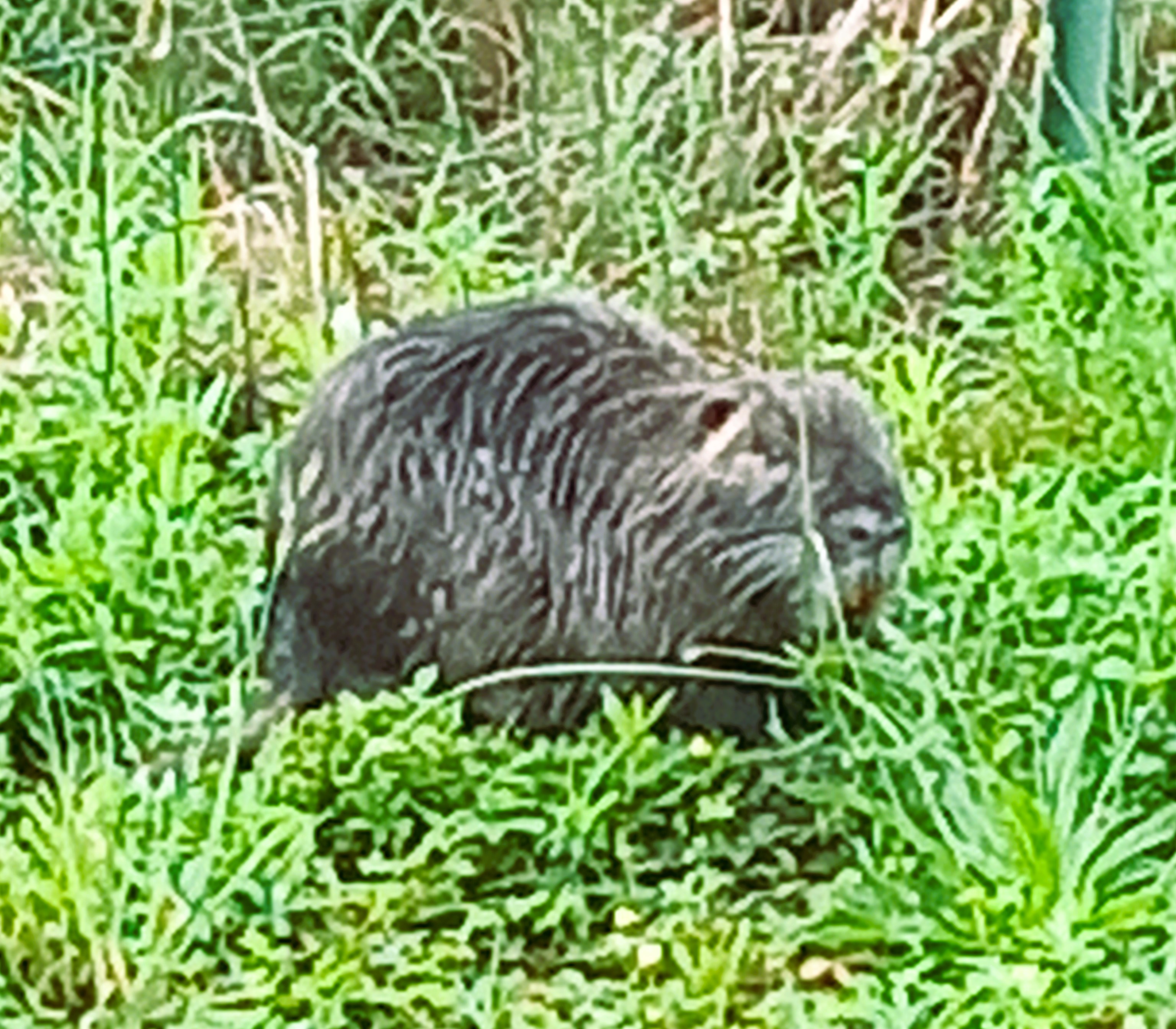
19th. Well it has been a rather nice day. Starting off with a dig walk on which we met a coypu. This is a large rodent from South America introduced for its fur in the C19th and now found all over France. It is abput the size of a large fat cat.
I had a shower in something larger than the cofi n like confines of the cubile in the van – a BIG luxuary. Later I had lunch at the little restaurant nd this evening I shared a bottle of fizz with a couple of English women, Pauline and June, in the van next to mine. I had lovely long chats during the day with various friends and family mambers and a host of whatsapp messages. So all in all not a bad way to celebrate 81 years.
20th. Today I moved on to La Réole, a medieval city perched on a promogtory on a bend in the Garonne river. This height was very important.
The Garonne has its headwaters up in the Malandeta Massif in the Pyremees at the foot of thelargest glaciers in Europe, on its way down it picks up the waters od the Ariége, Tarn, Gers, Baise and Lot rivers. After passing through La Réole it heads for Bordeaux where it joins the Dordogne to form the Gironde Esturay having travelled 500 kilometers, it is not wondert hen that this is the largest estuary in Europe. With this weight of water it is no wonder either that it is liable to flood, fulsomely and ferociously. La Réole became an important port on the way between the Ocean and the hinterland. So the city prospered and expanded from its small iner area to encompass a larger area of land with a second perimeter wall as can be seen in this map of the period.
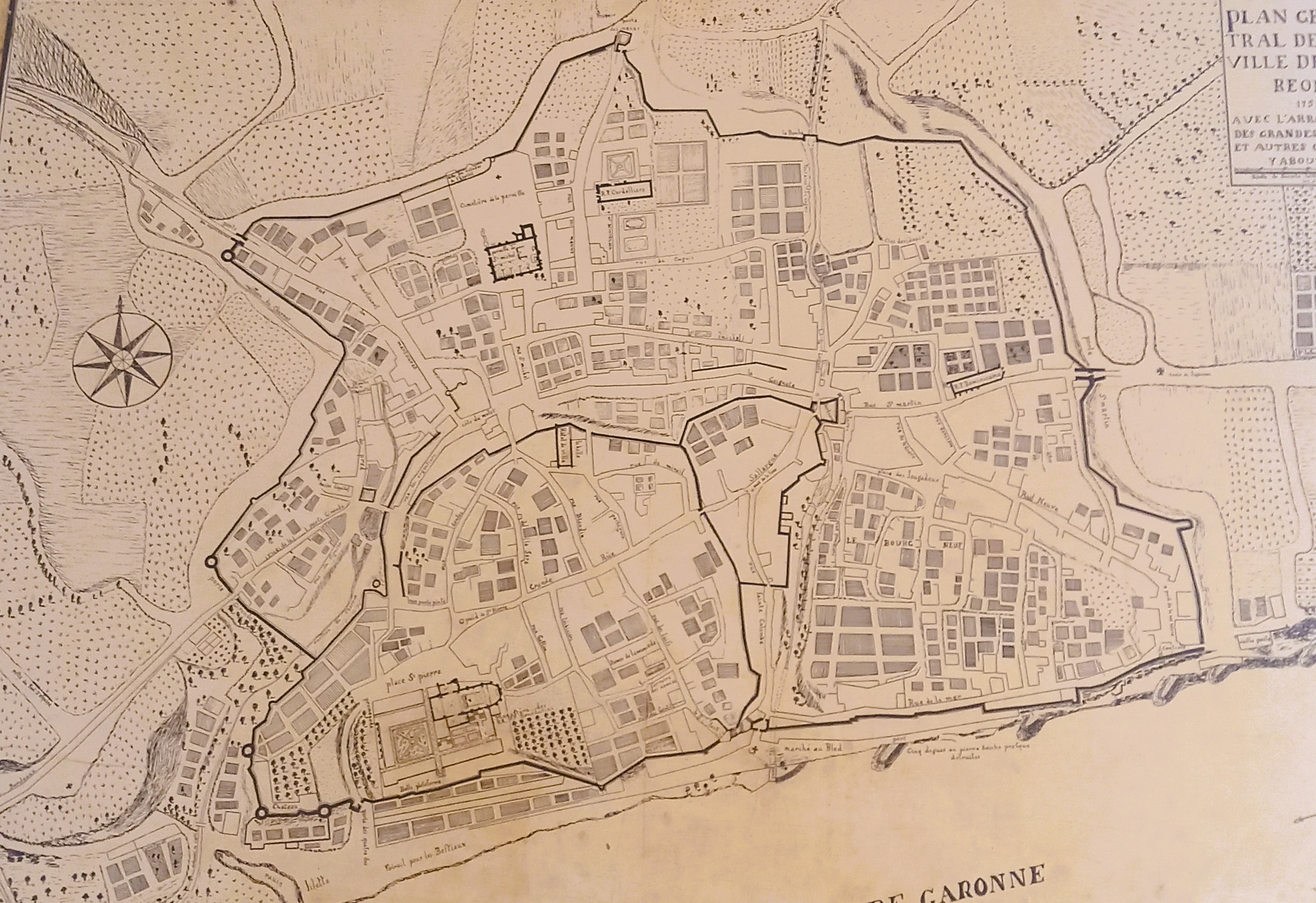
Houses in the lower area close to the river had ladders from their rooftops to higher ground above. There are many iron staireways in existance today, to escape the floods.
Looking down on the river from the Aire

The town has several things for which it is renound. One of them is Rougreue suspension bridge. Completed in 1835 it originally had brick towers but these were replaced in the C19th by Eifle style iron suports.

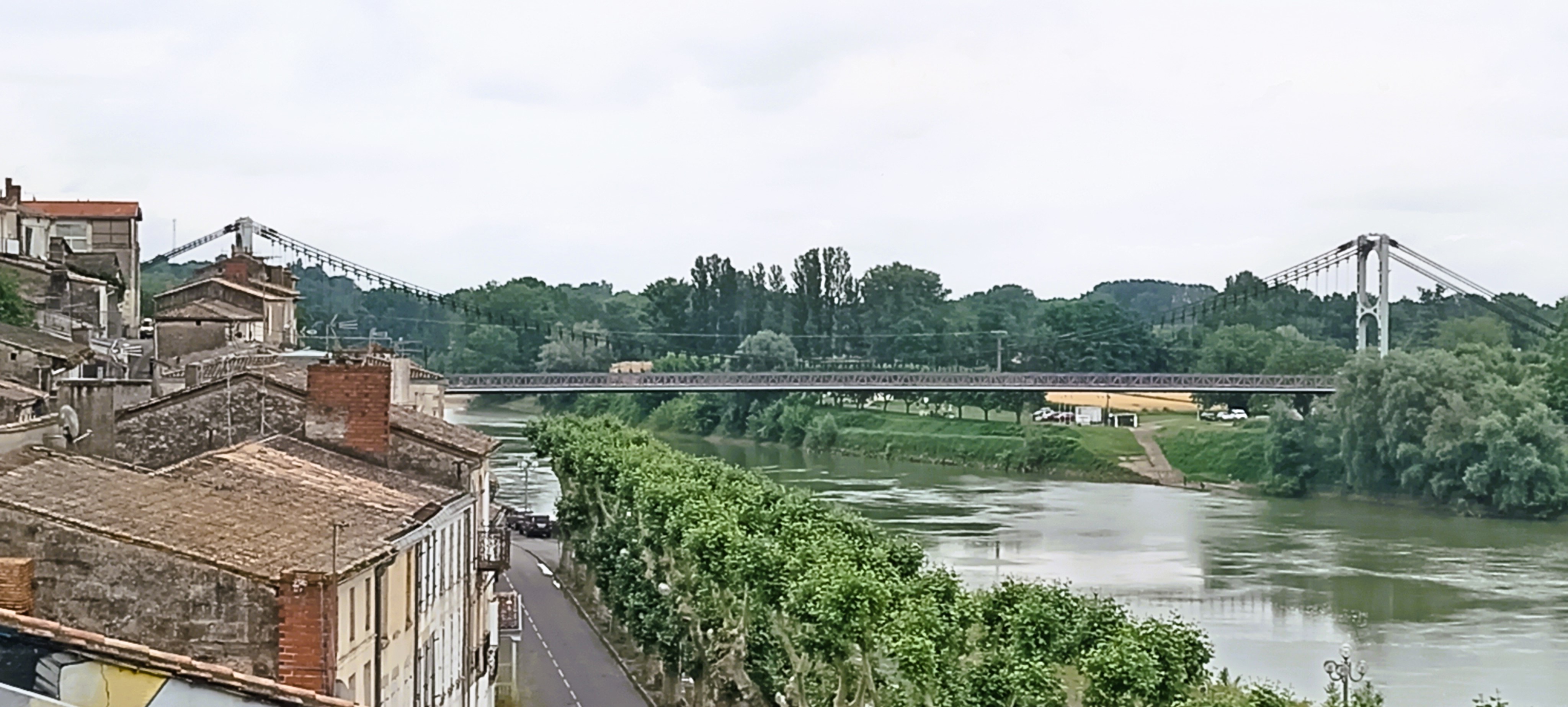
In the middle ages the town had 9 mills, 3 windmills, 2 watermills and and three ship mills located at the edge of the river and using the strength of the current to drive the mill. These were eventually banned following endless disputes with other shipping.

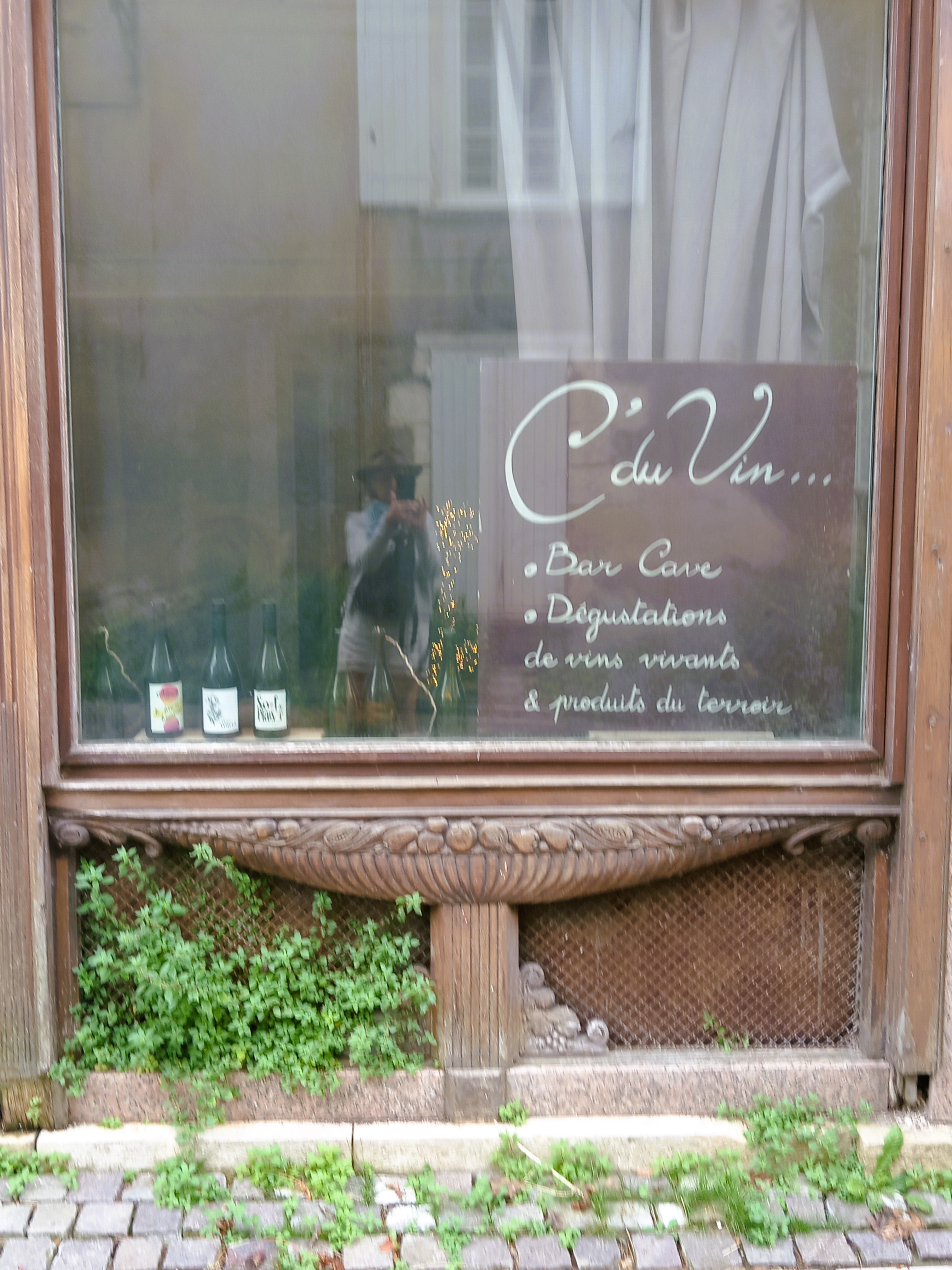
The prettyest part of the city is the higher part where two main streets form the previous commercial area, Rue Armand Caduc and Rue André Benac. They still hold the tourist commerce of bijou shops and cafes. They are cobbled, pedestrianised and lined with planters.

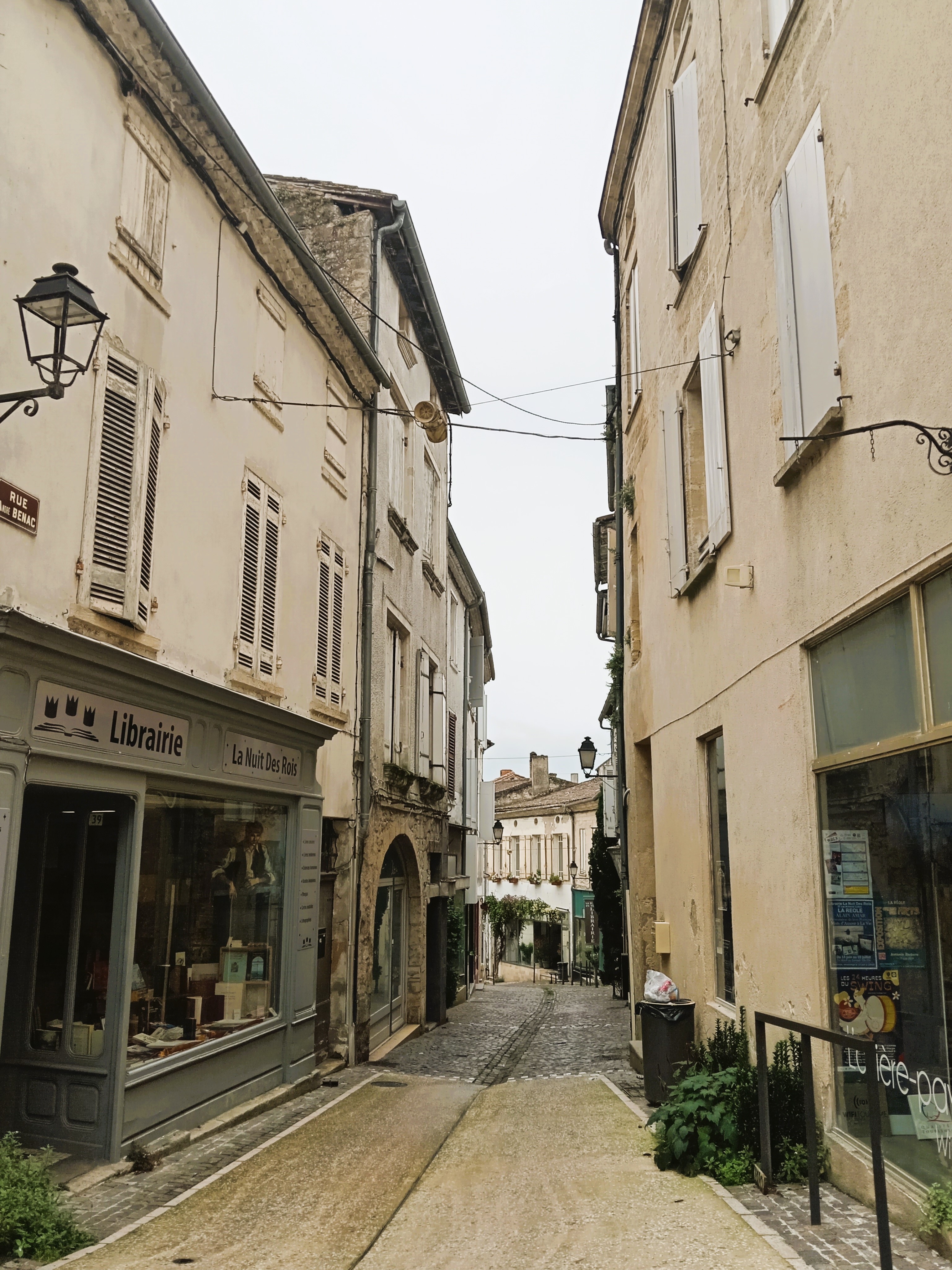
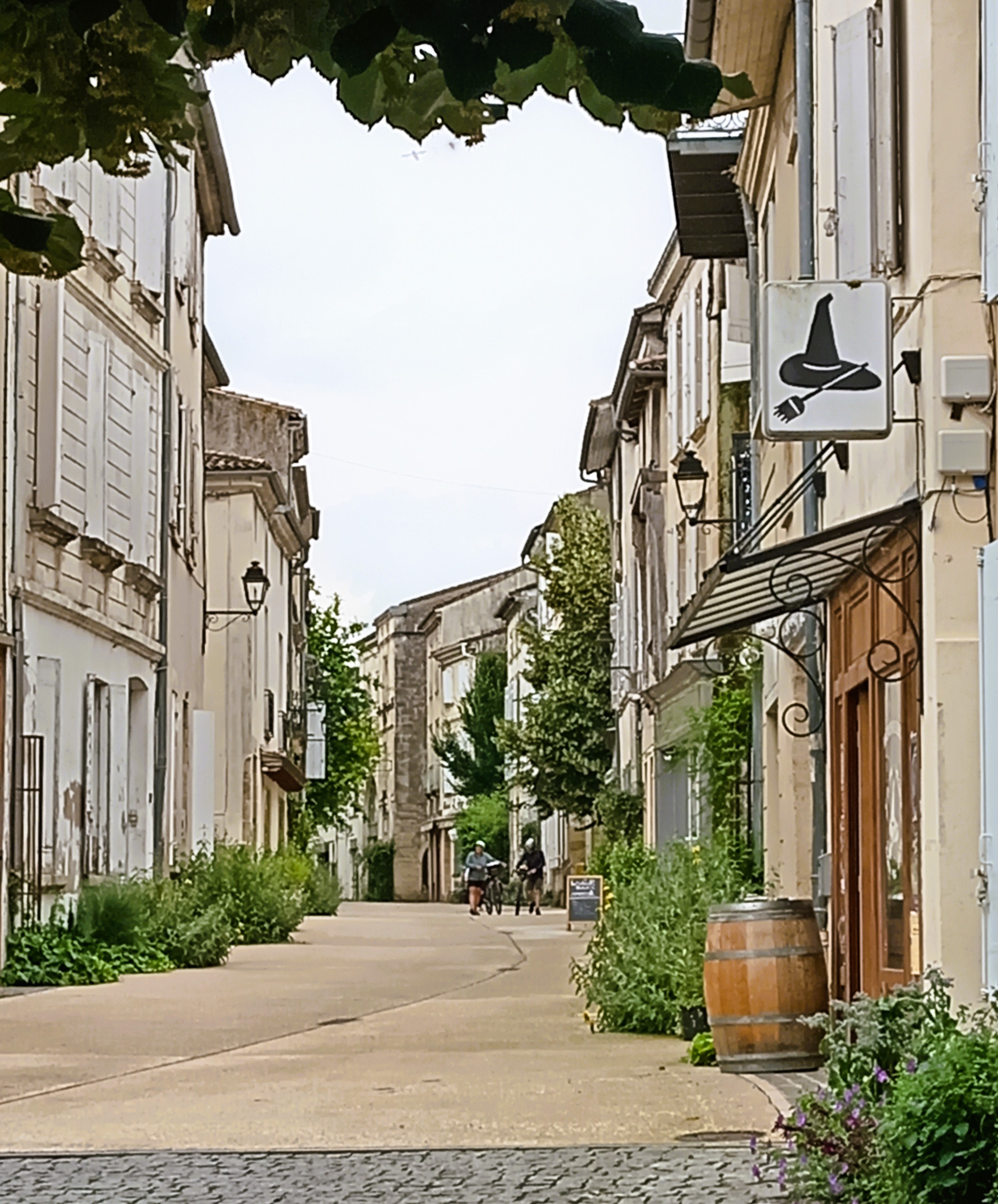
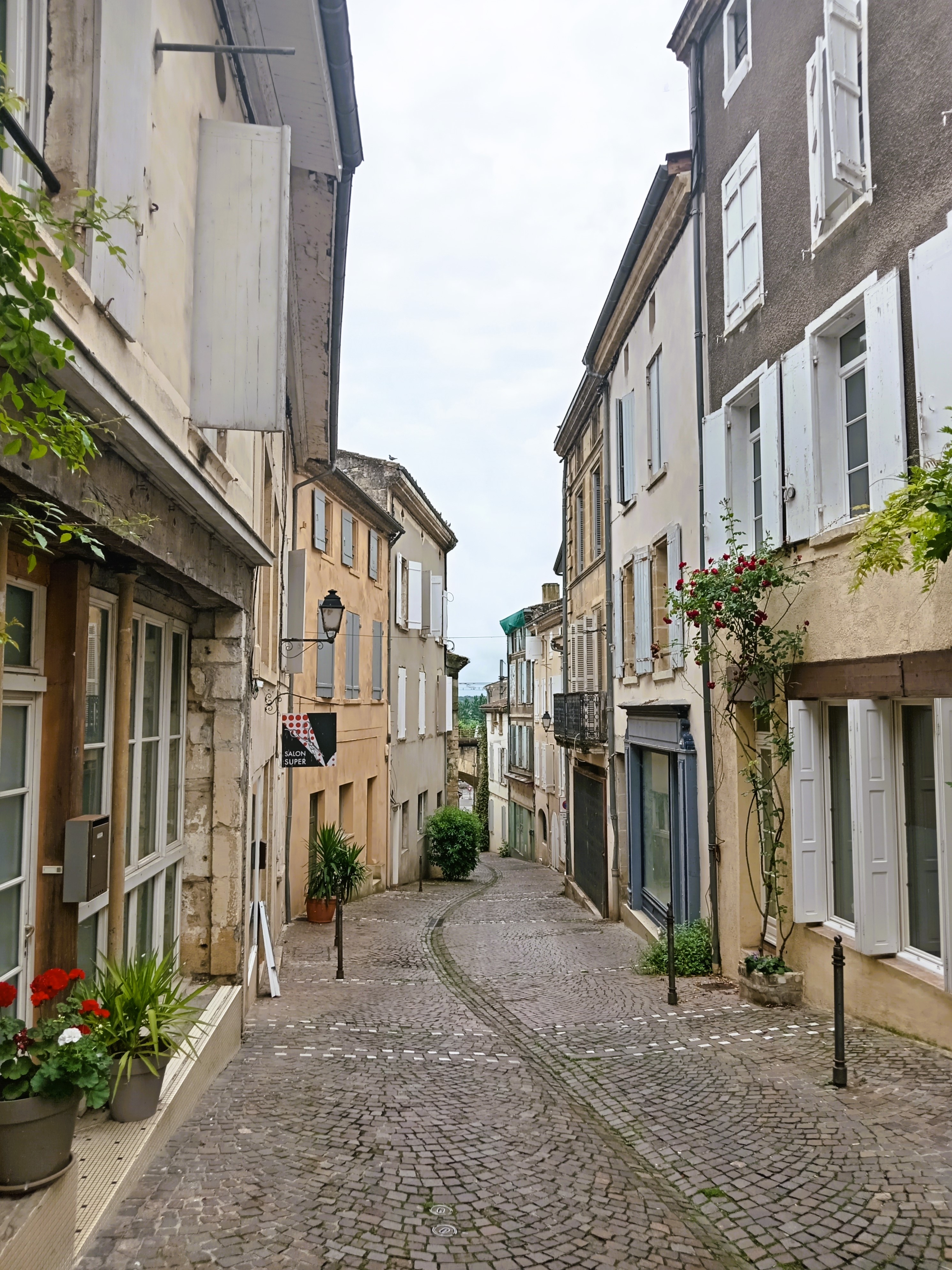
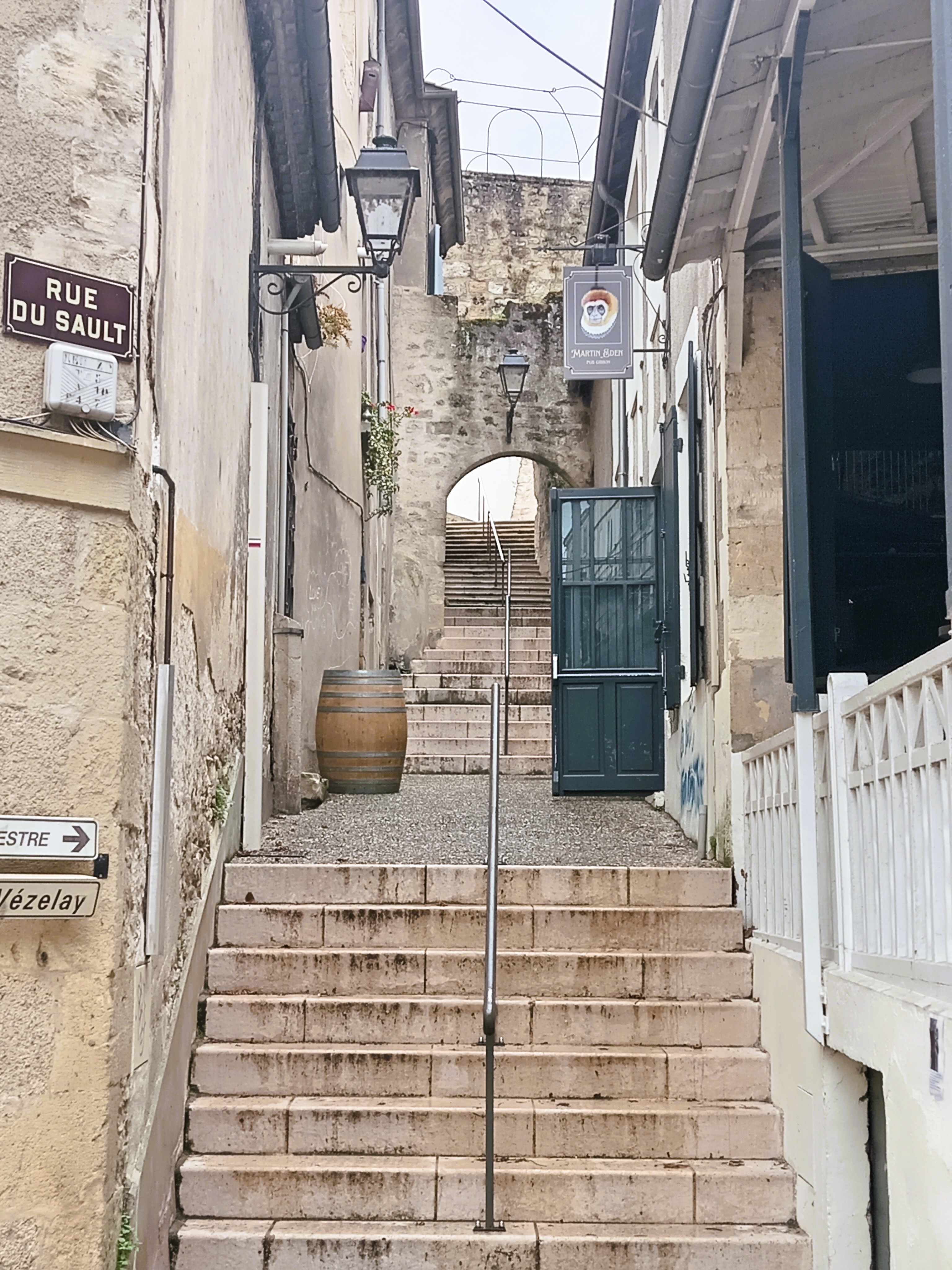
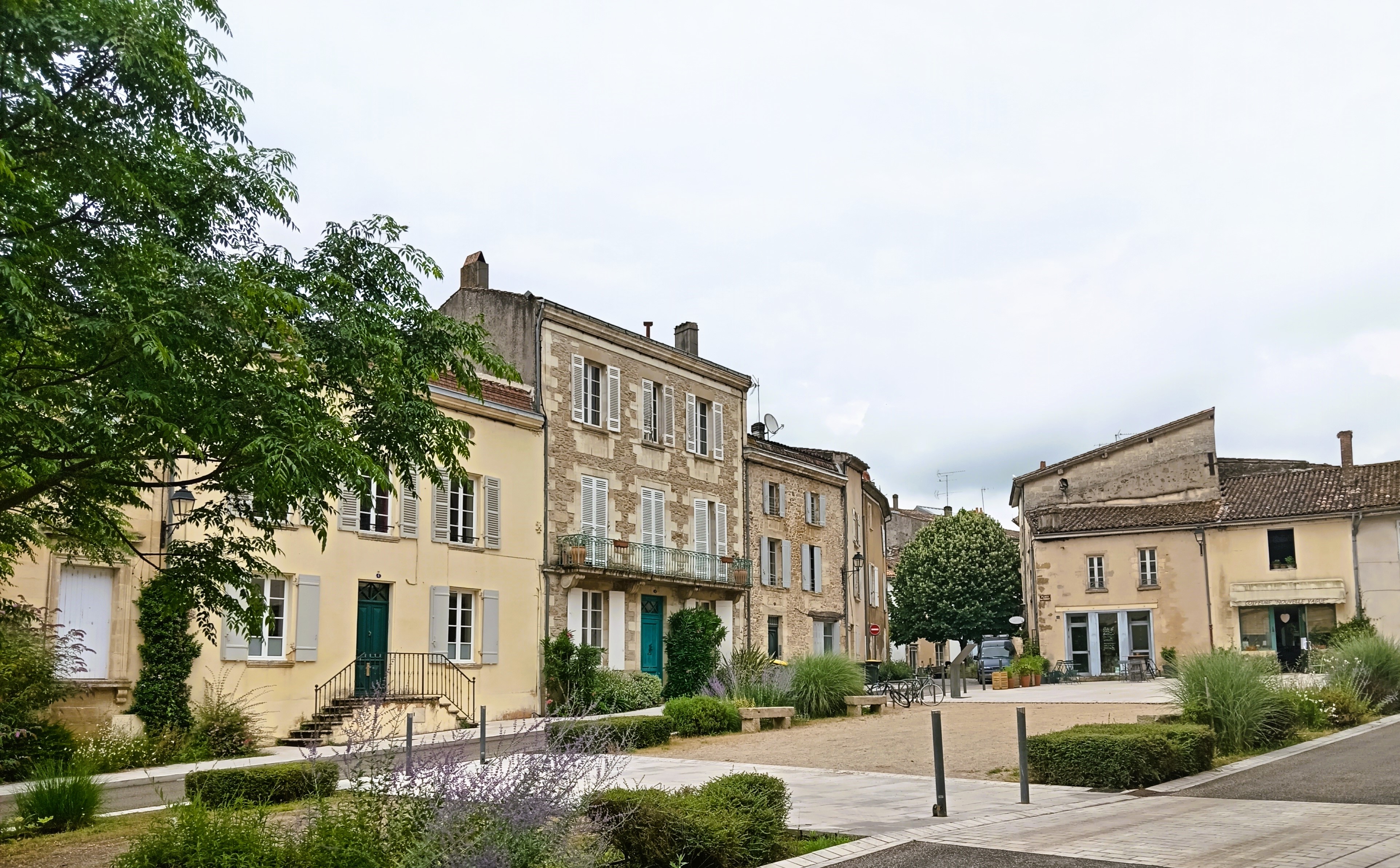
Another attraction is that it is steep and spread over many different levels and has pretty greened open spaces.
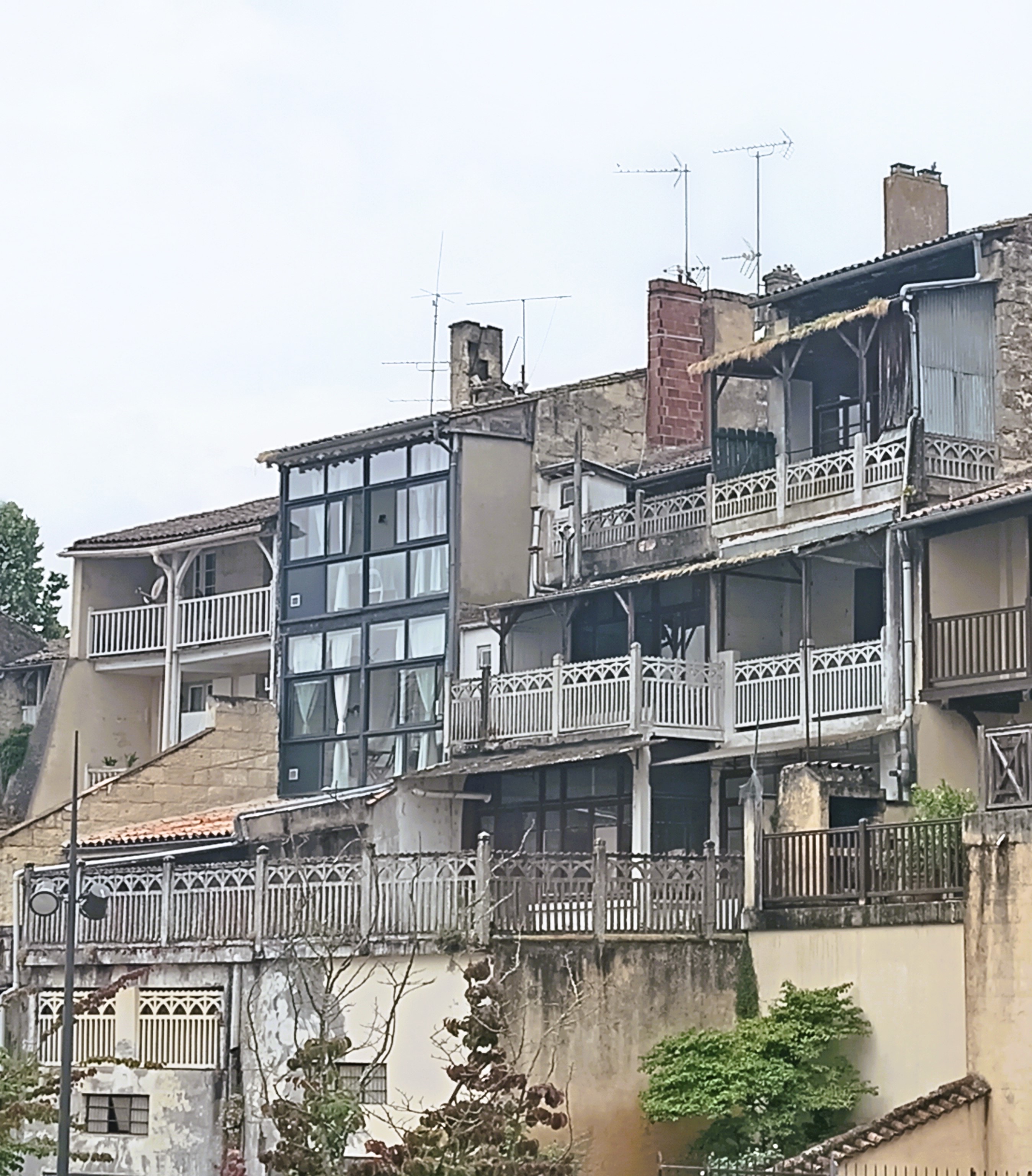
One of the other things that the town is renowned for is its balbonied houses. Interestingly these balcomies are on the back of th houses, their “noble facades” were facing the paralelle street. The Pinpin stream ran , and still does but canalised and underground, beneath the balconies which housed the lavatory overlooking the stream!
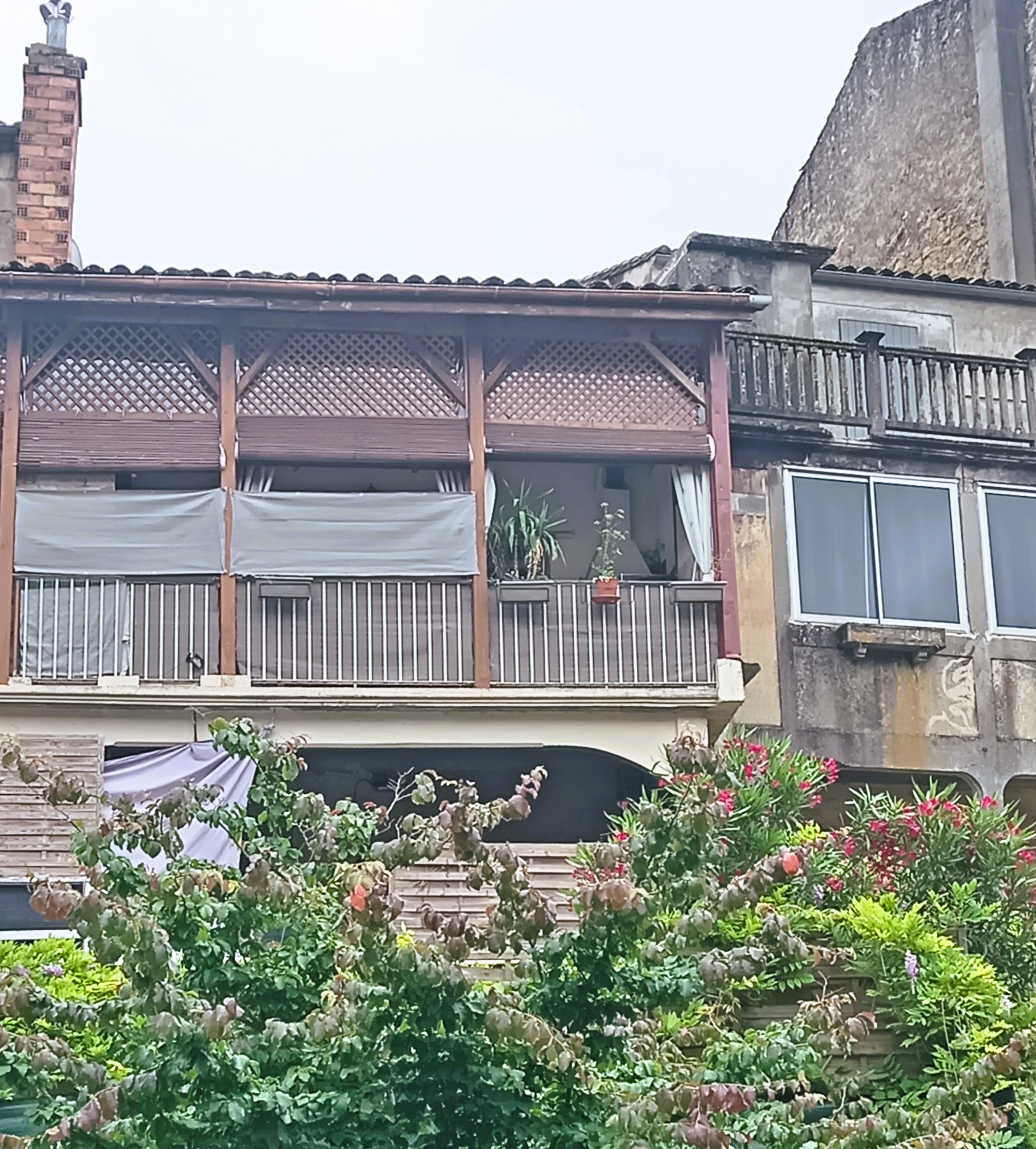
In 1518 a school started up in Rue AndréBenac with daily lessons in philosophy and mathematics. It became very popular along with a second school run by the Sisters of the Annunciation with the weathly parents who wanted to ensure a good education for their childrden thus bringing more wealth to the town.
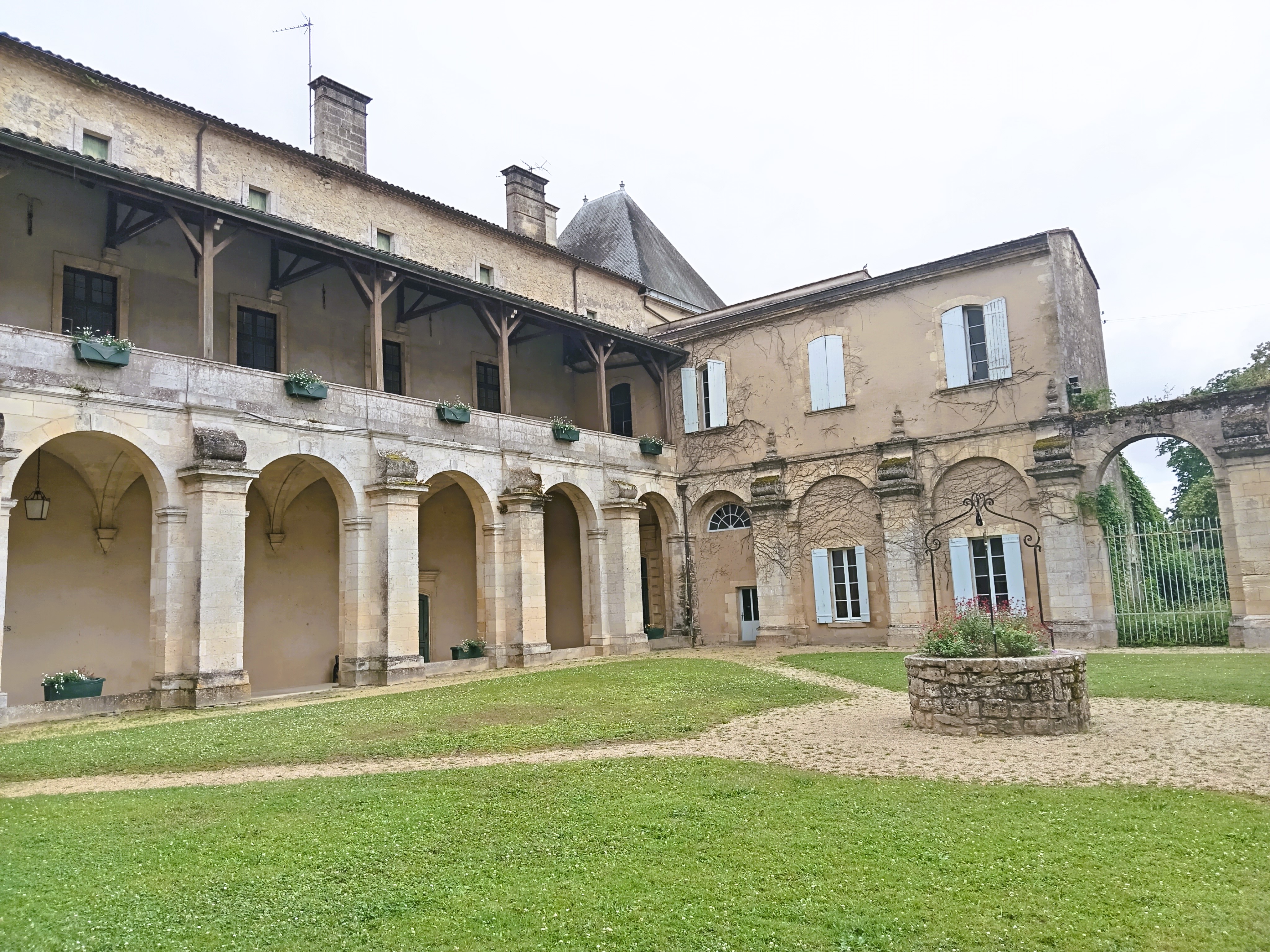
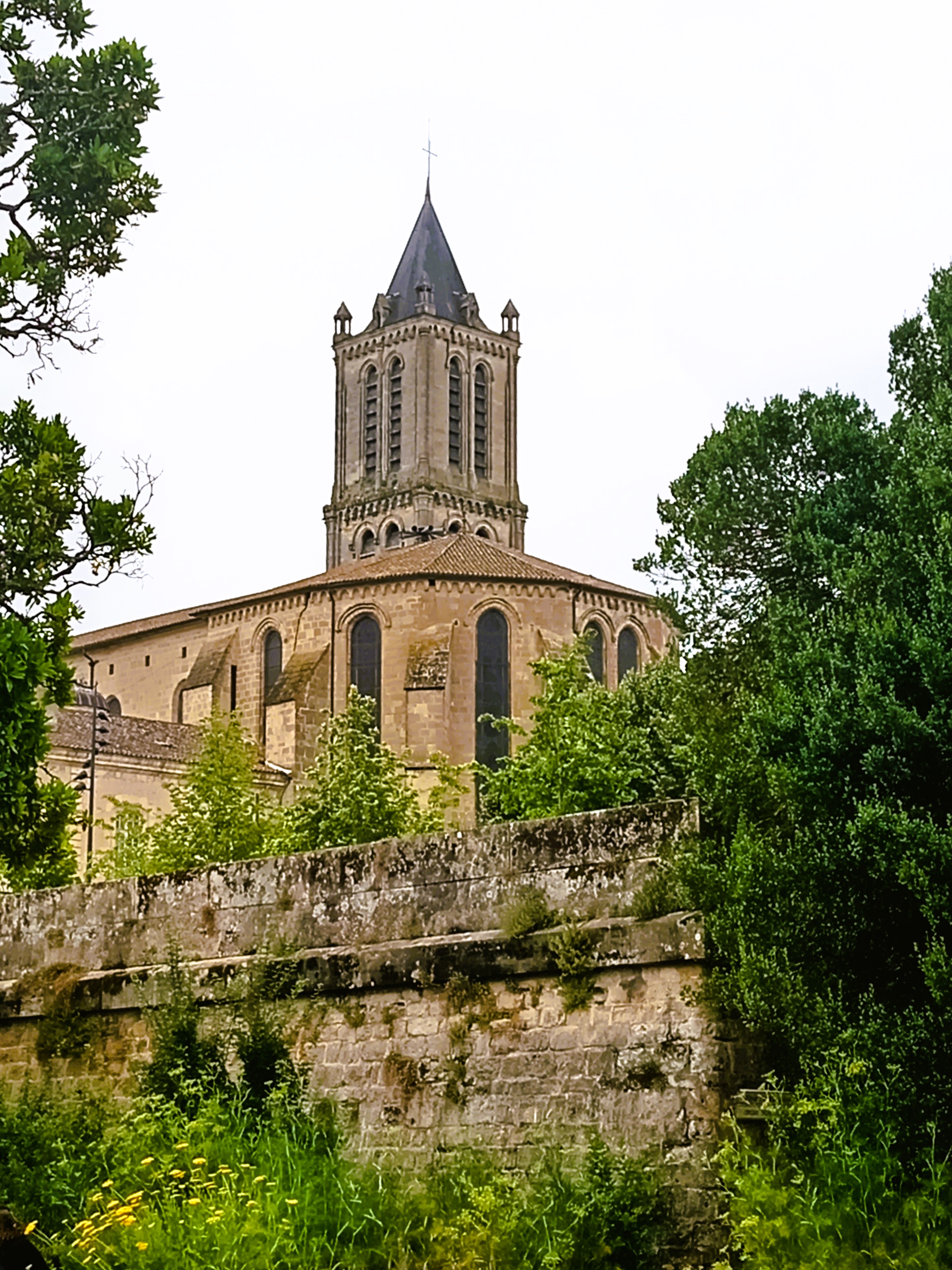
The Benedictine Monastrey we see today was built in the C18th it predicessor having been greatly damaged bu the Huguenots in thr wars of religeon in 1577 but there have been monastries on the site since the C8th. It holds a special position being on the route taken by pilgrims of the way of Vézelay going to Santiago de Compostella. The Benedictine mnks offeres them a place to stay and obtained over the centuaries many privileges from both the French and English mnarchy. These included taxing river traffic and selling salt. It was these sources of accumulated wealth that funded the rebuilding which was completed in 1759. In 1773, Blaise Charlut, from Dijon and therefore whoes work I have seen before, decorated it with magnificent gates and handrails.
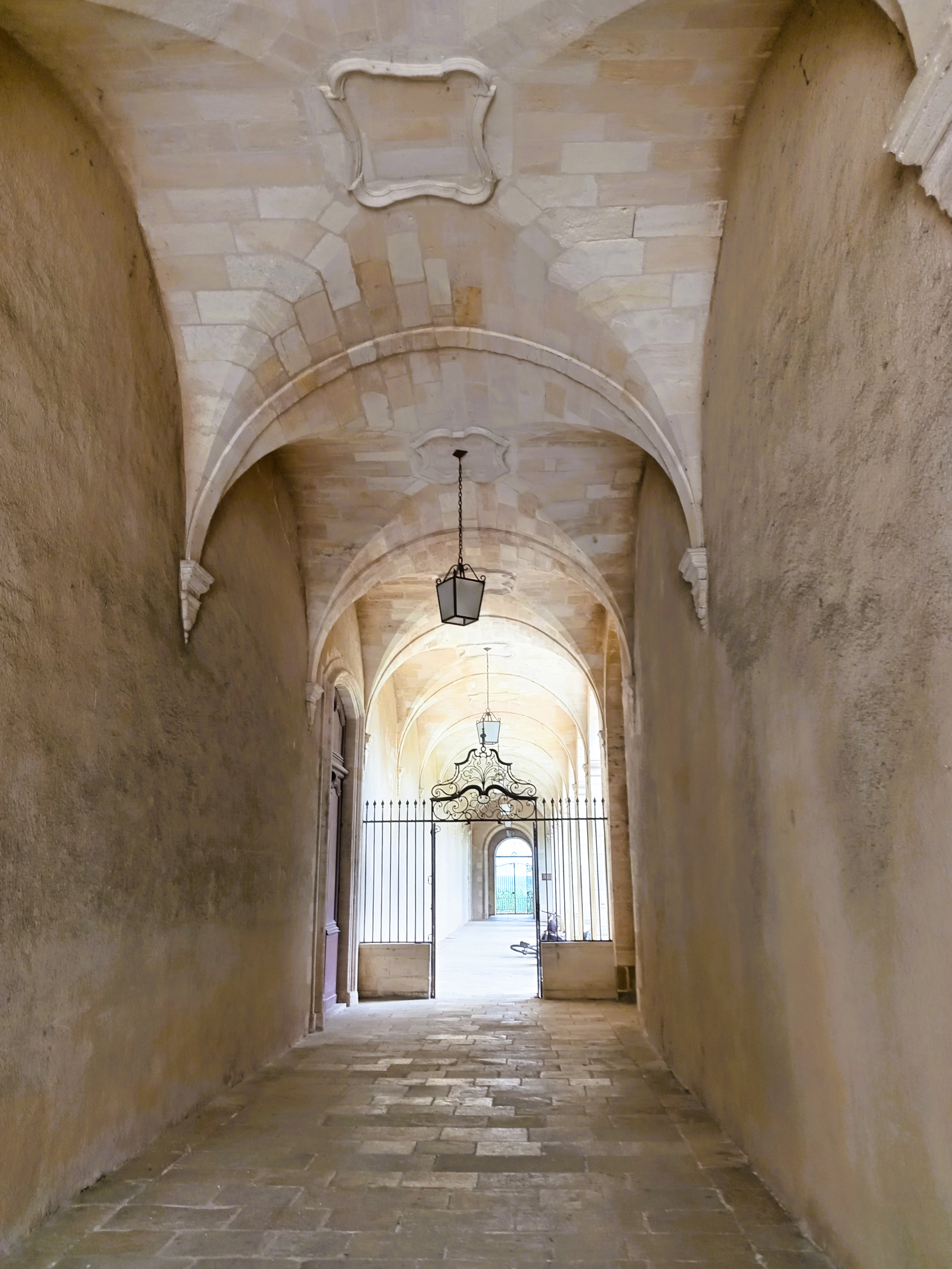
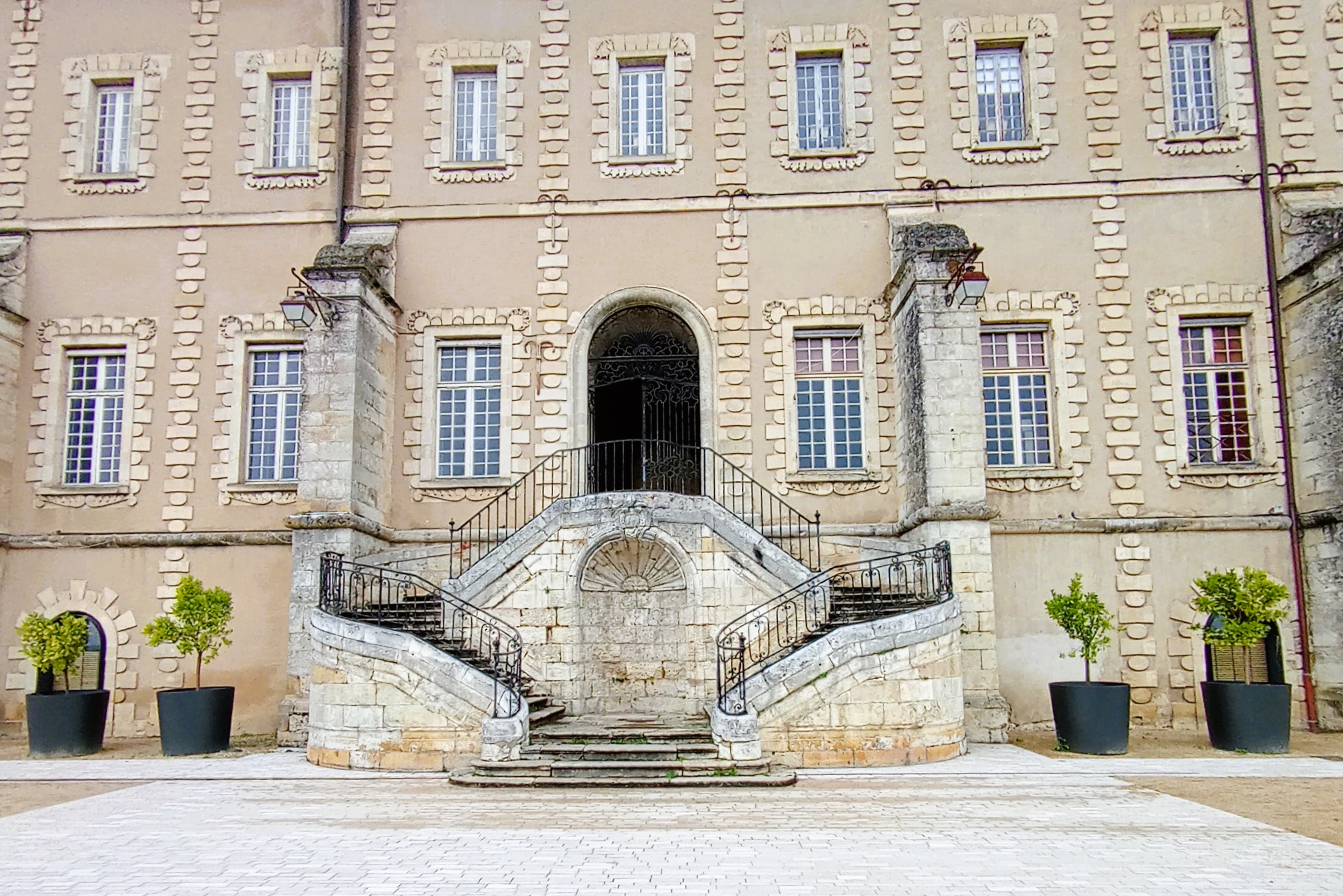
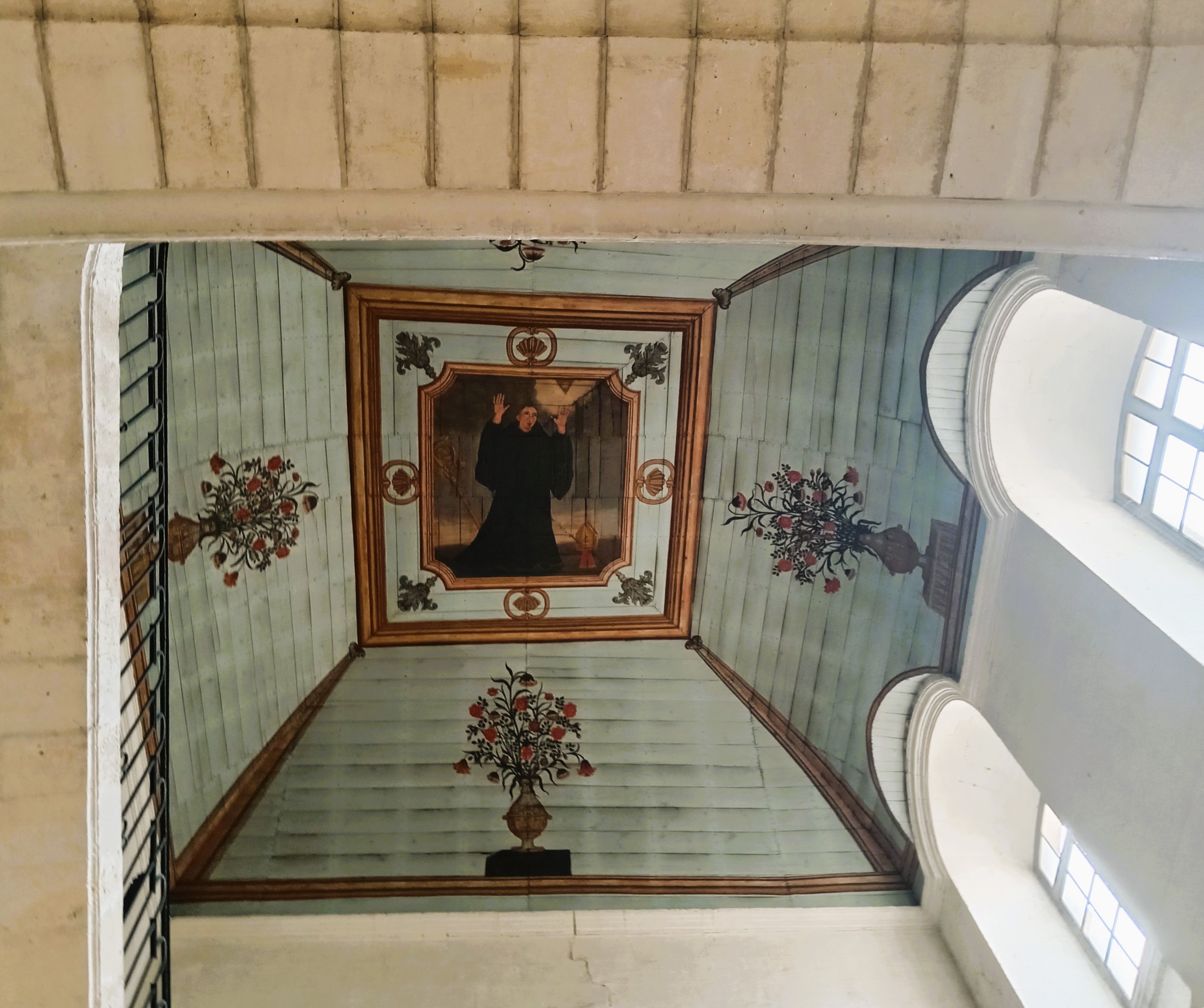

This 100m long building housed just 15 monks!
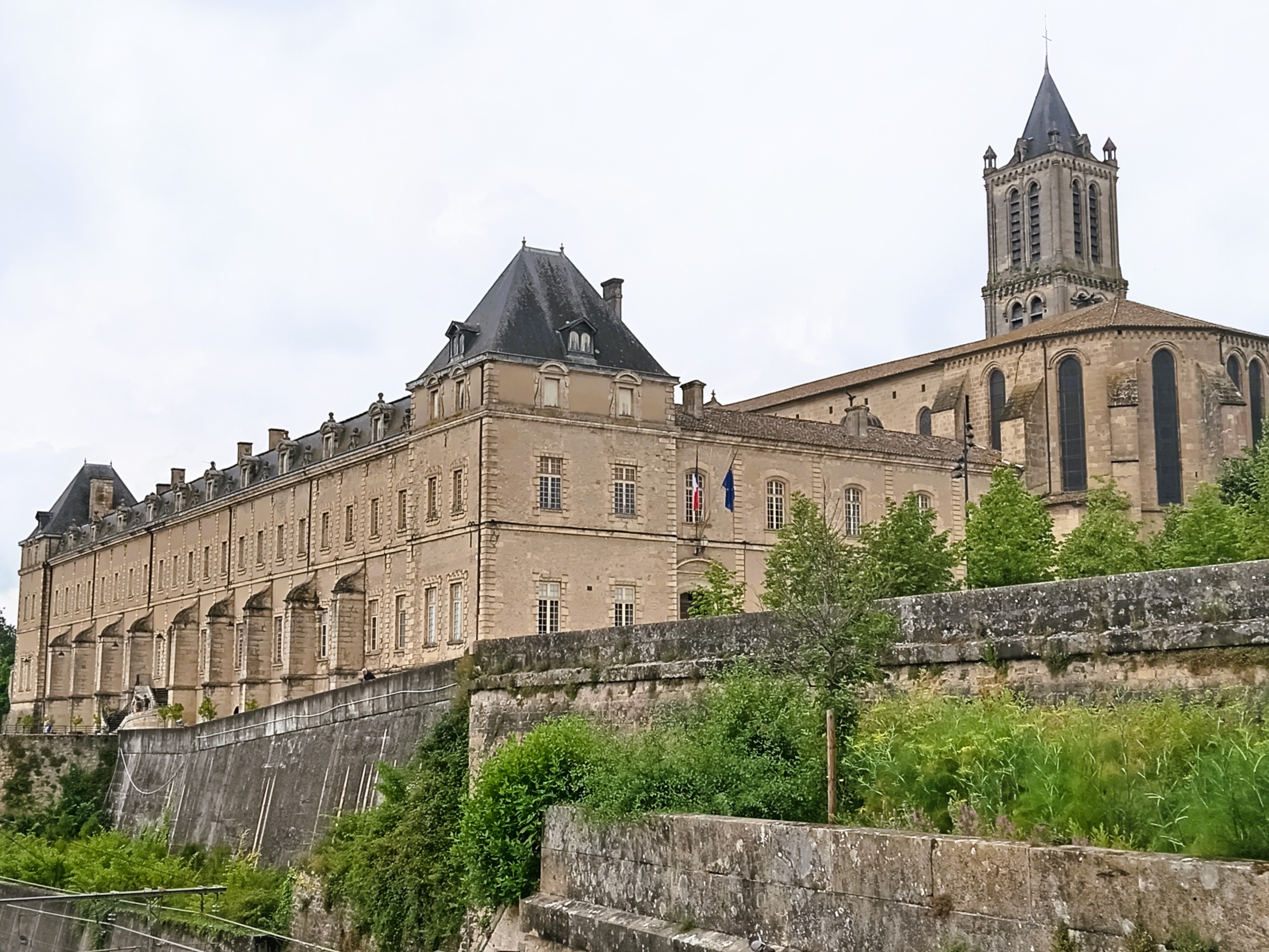
It also features attractive cloisters.

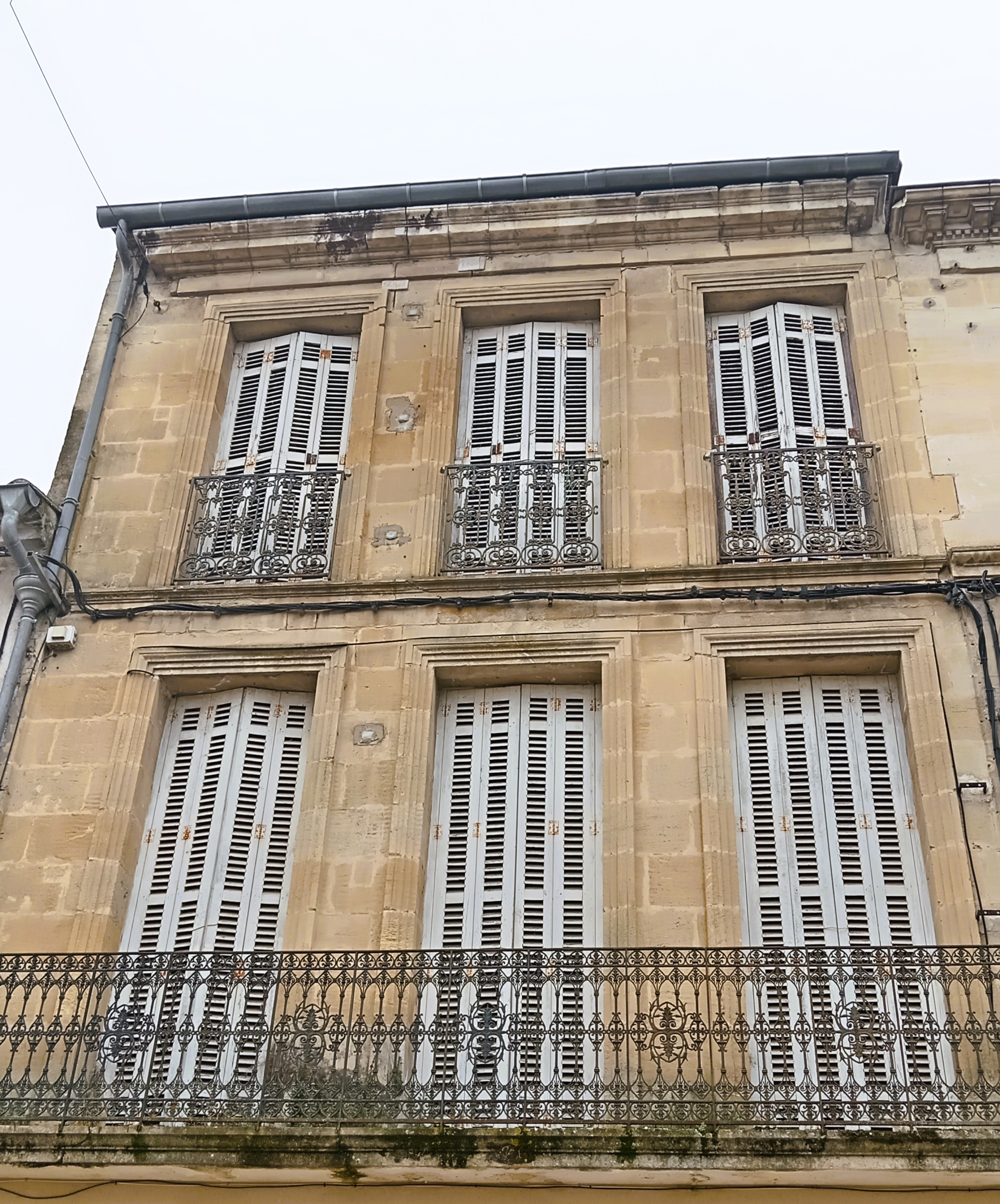
The old town is full of other examples of B;aise Charlut’s work or that of his immitators.
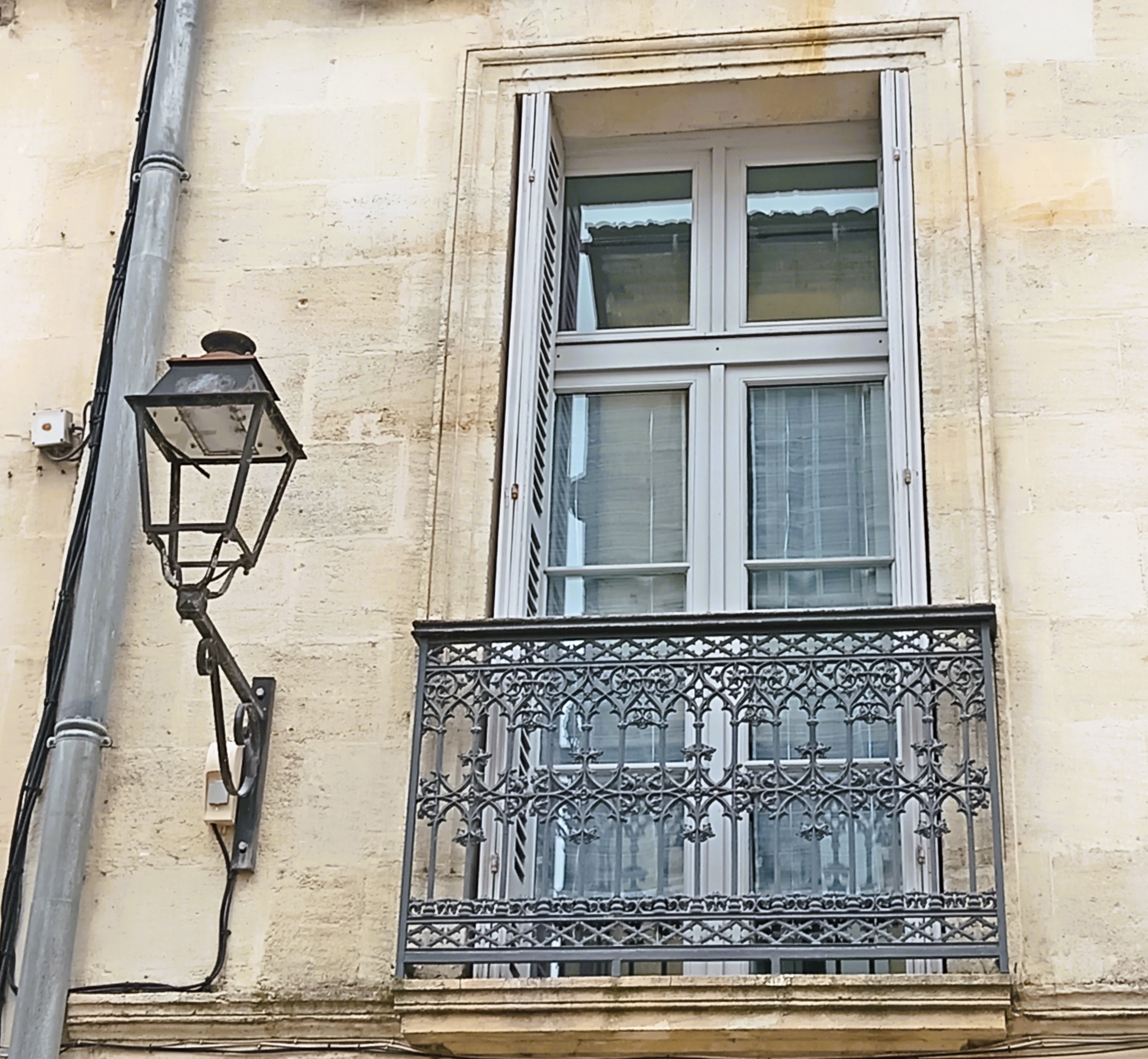
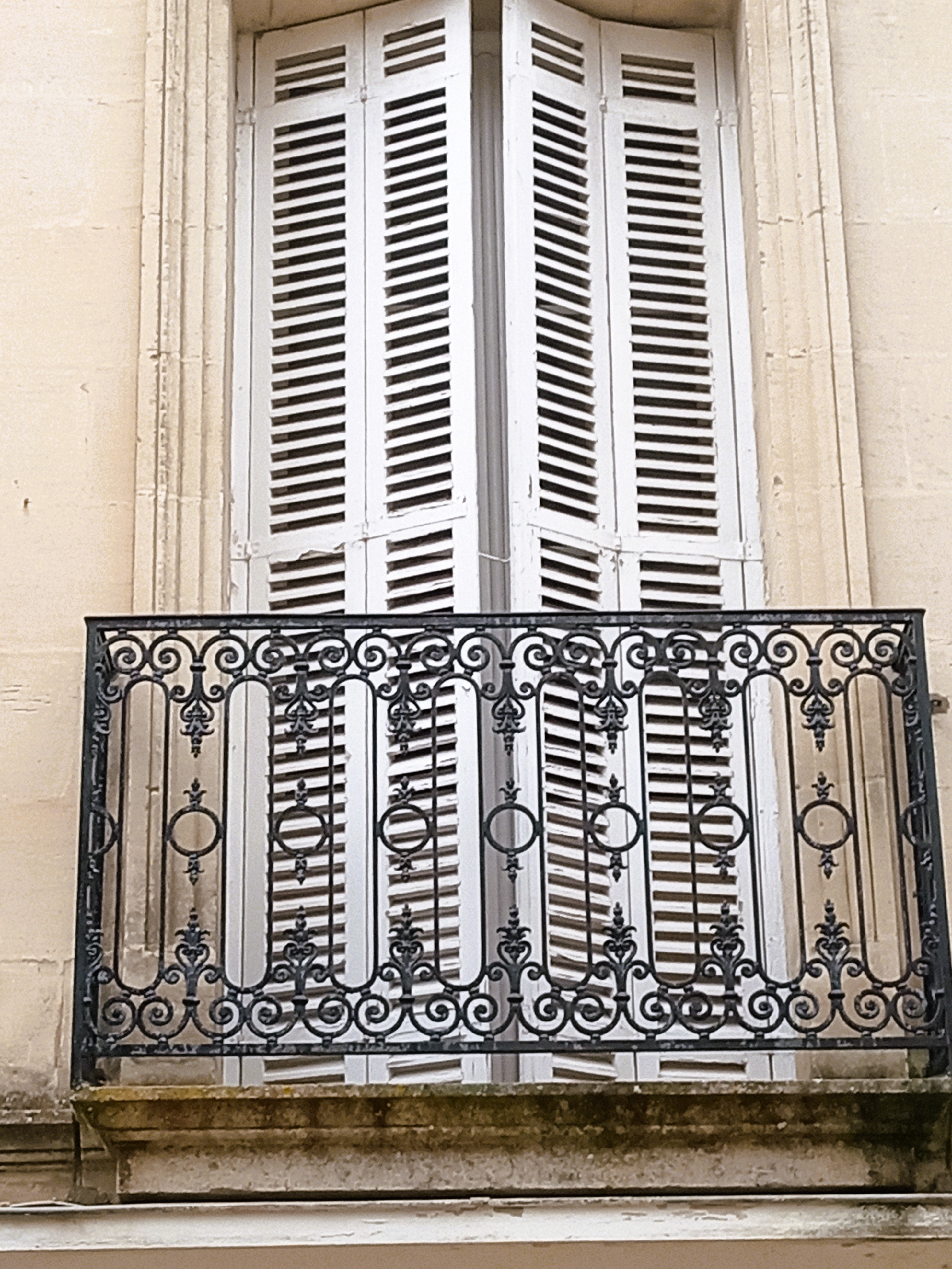
All in all an altogether delightfully quirky town with lots of interesting stories.
21st. Drove to Sauternes today. Small village in the heart of the Sauterne and Graves wine area. The Aire is right next to the church so I do hope that they turn the chimes off st some point in the evening! It is quite a grand affair with inlaid slabs of red and green marble round the door.

Also next to the Aire is a nice little lavoir
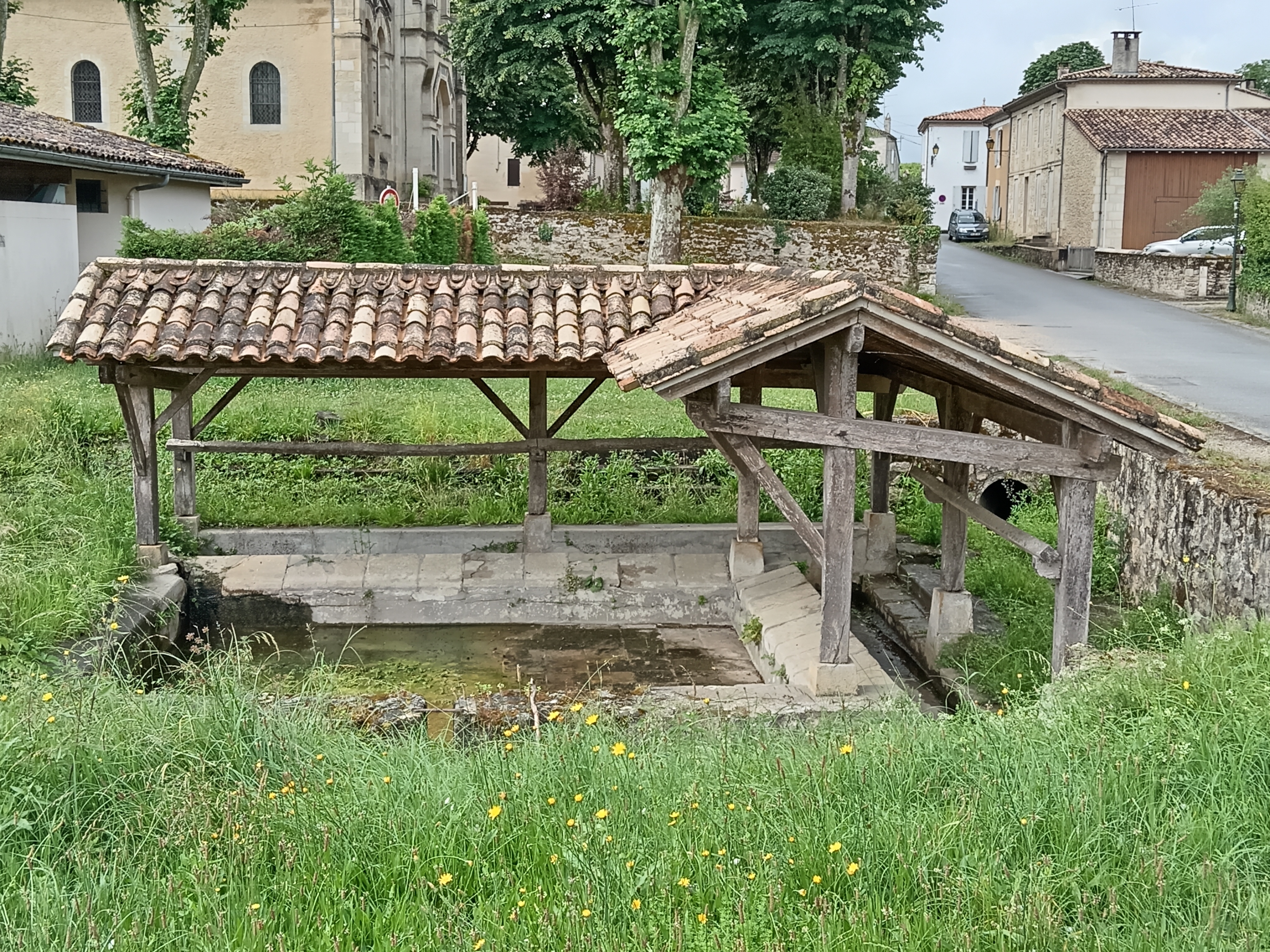
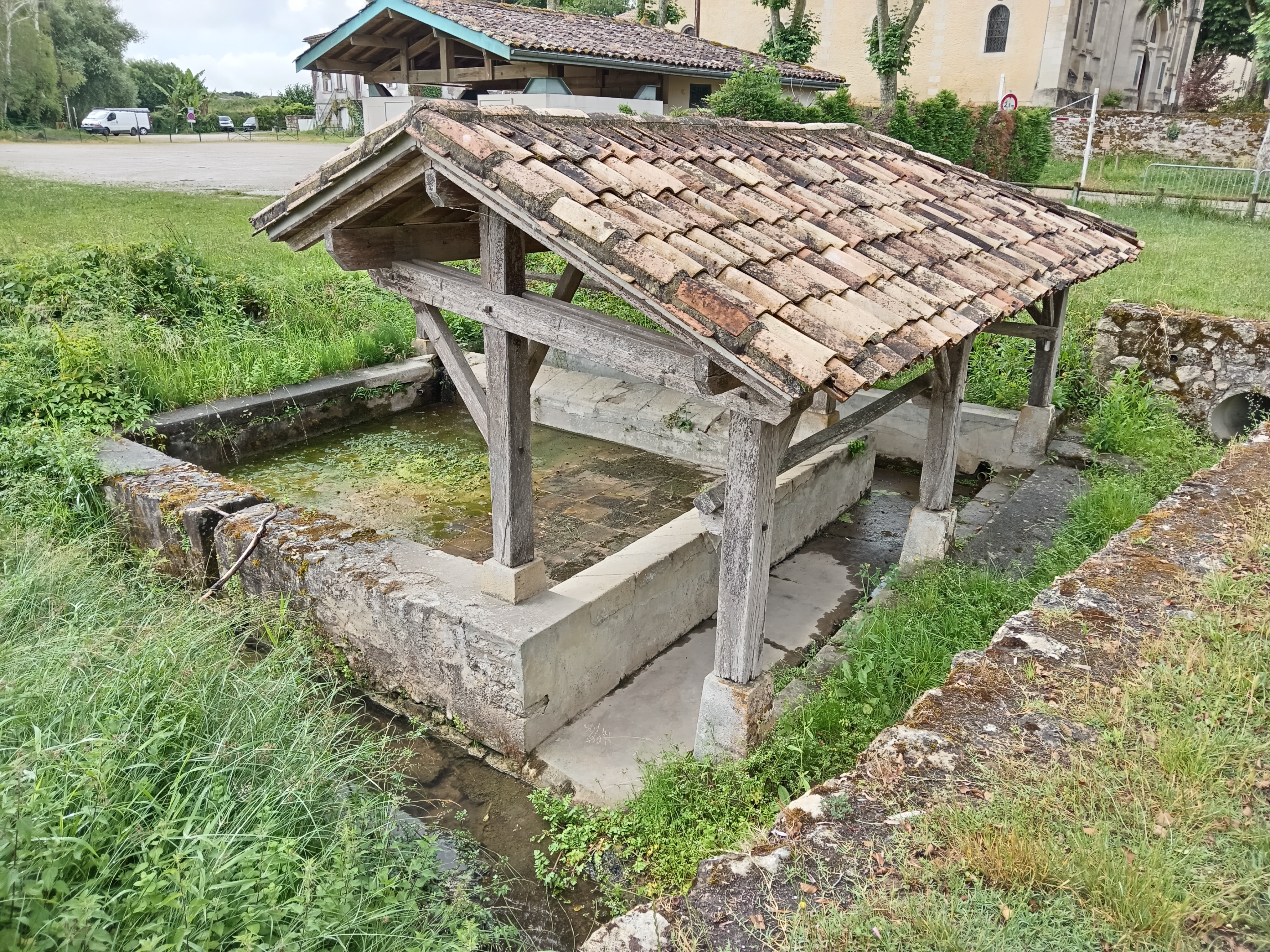
It really is all about the wine. In the village there are half a dozen different tasteing venues and an equal number of places to stay and places to eat.
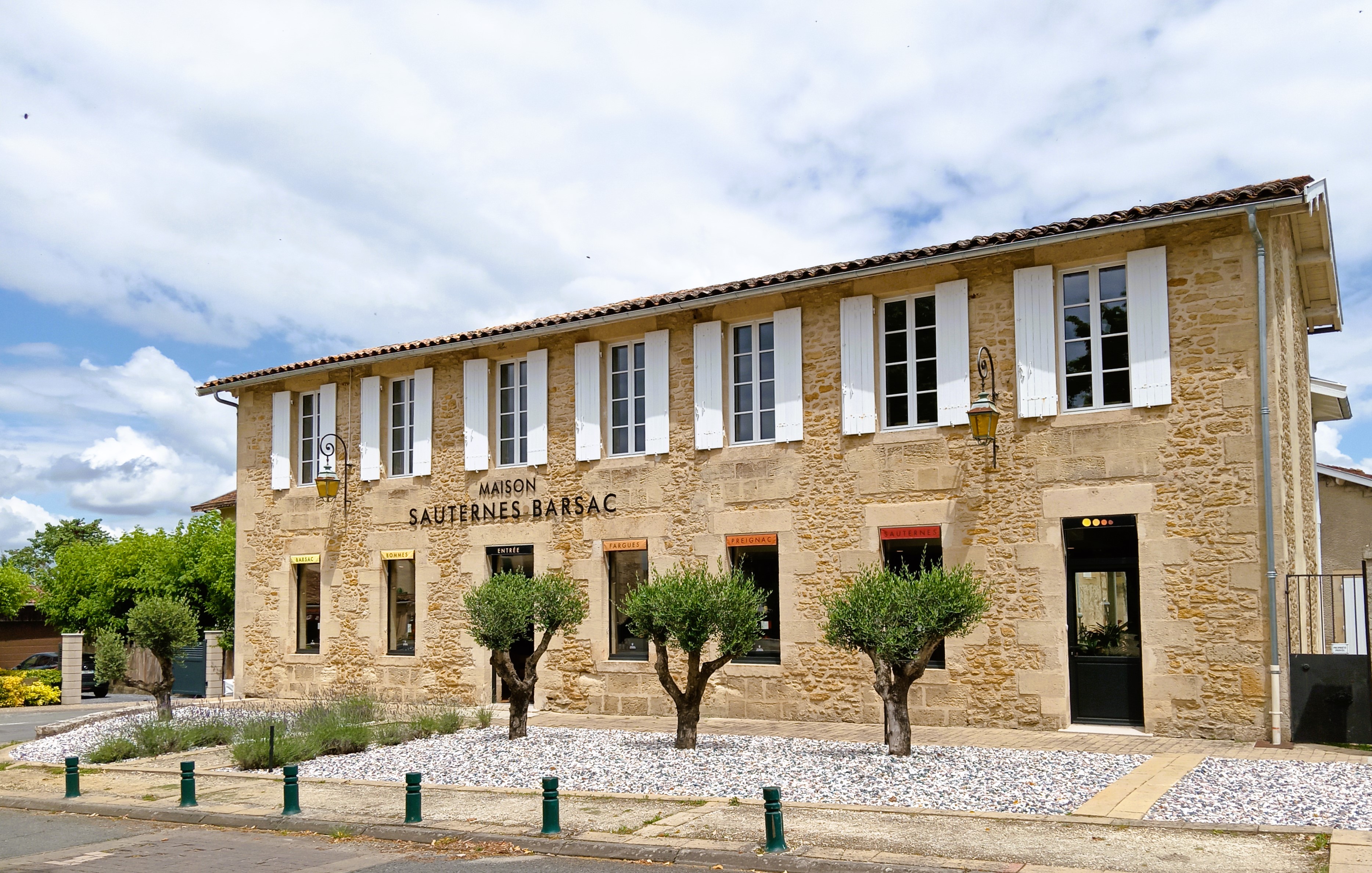
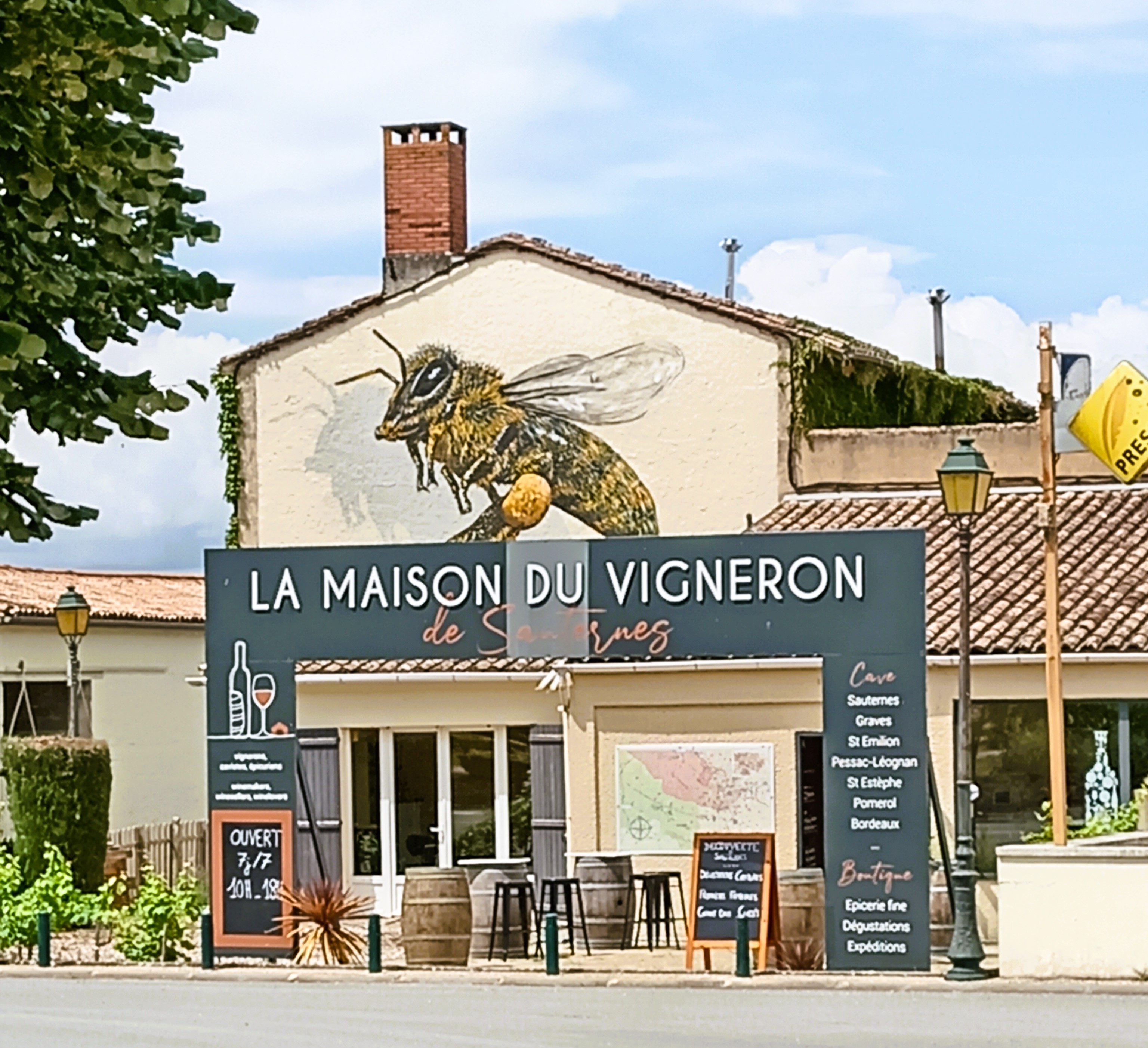
There i a pleasant shady garden in the village centre.

All very nice, obviously no shortage of cash. I am not tempted to try the wines as they will be predominately wites and I prefer reds. I will move on tomorrow.
22nd. I moved on to Sauveterre de Guyenne this morning with no greater expectation than it would be an overnight stay that would shorten the drive to Blaye on Sunday. In fact it turned out to be a Bastide with its entrance gates intact but not its walls.
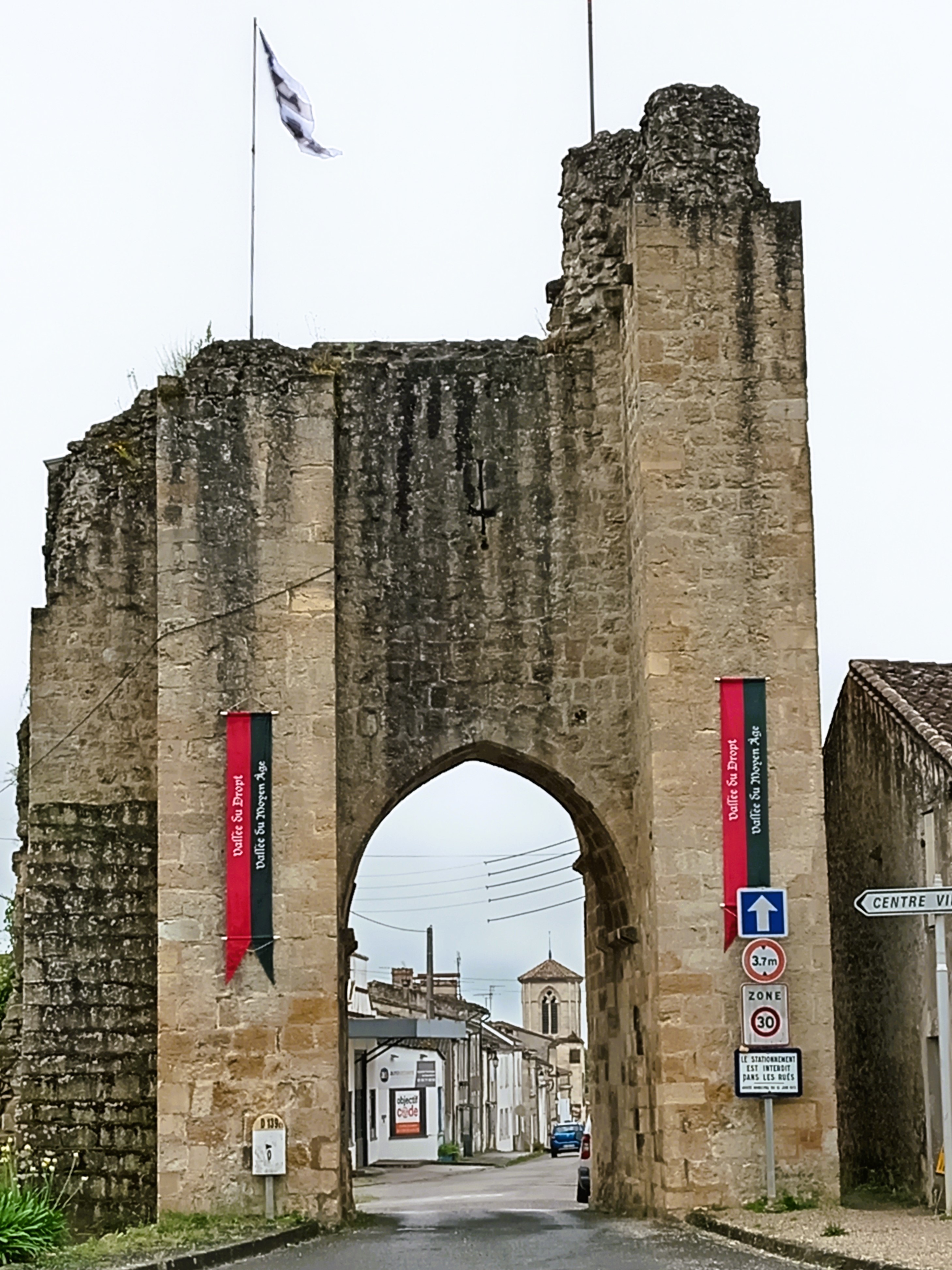
It had a church which was originally founded in 1281 by Edward 1st, King of England and Duke of Aquitaine. Only th apse remains of the original church.
As usual there is a central square with arcades all round.
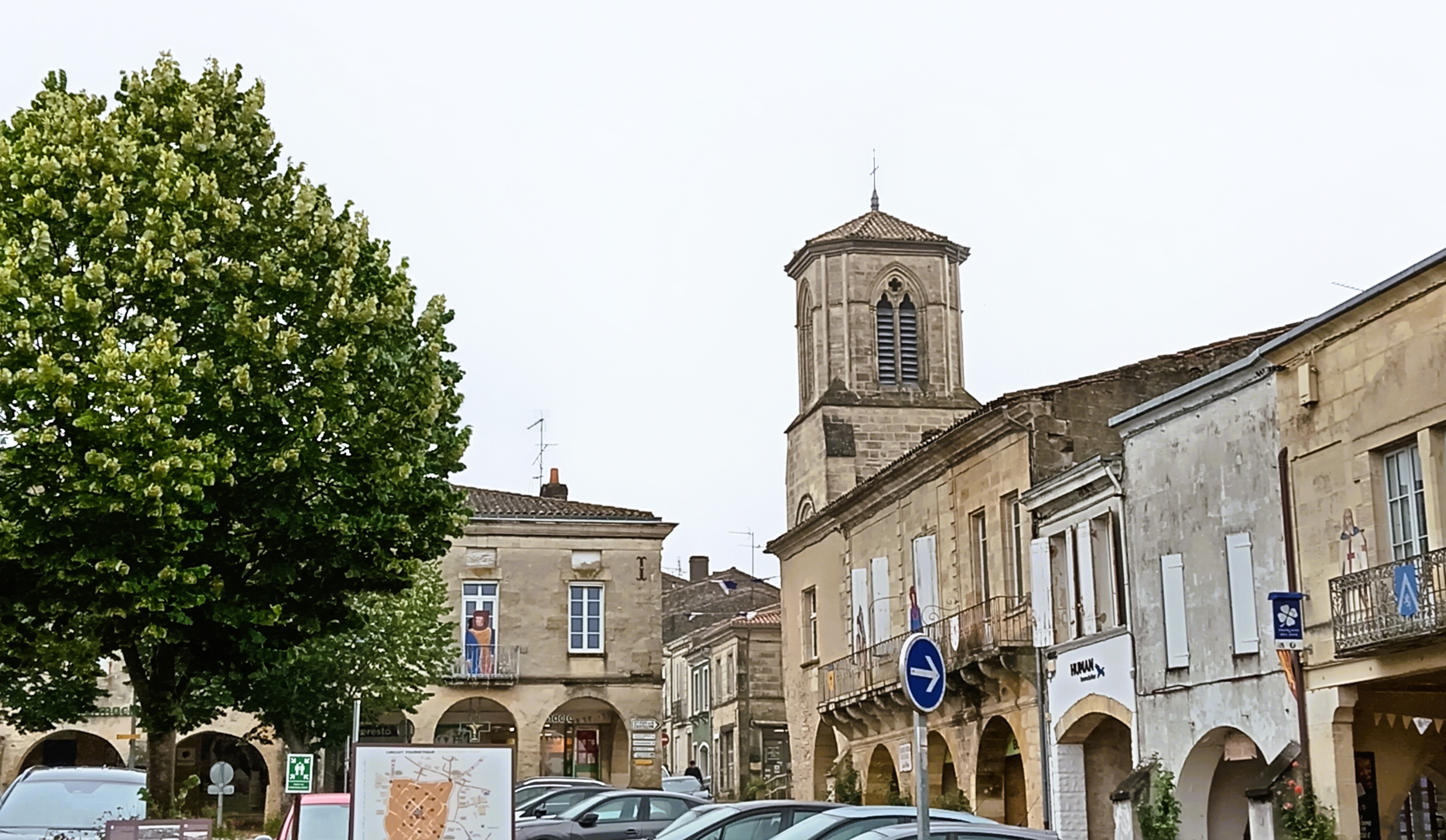
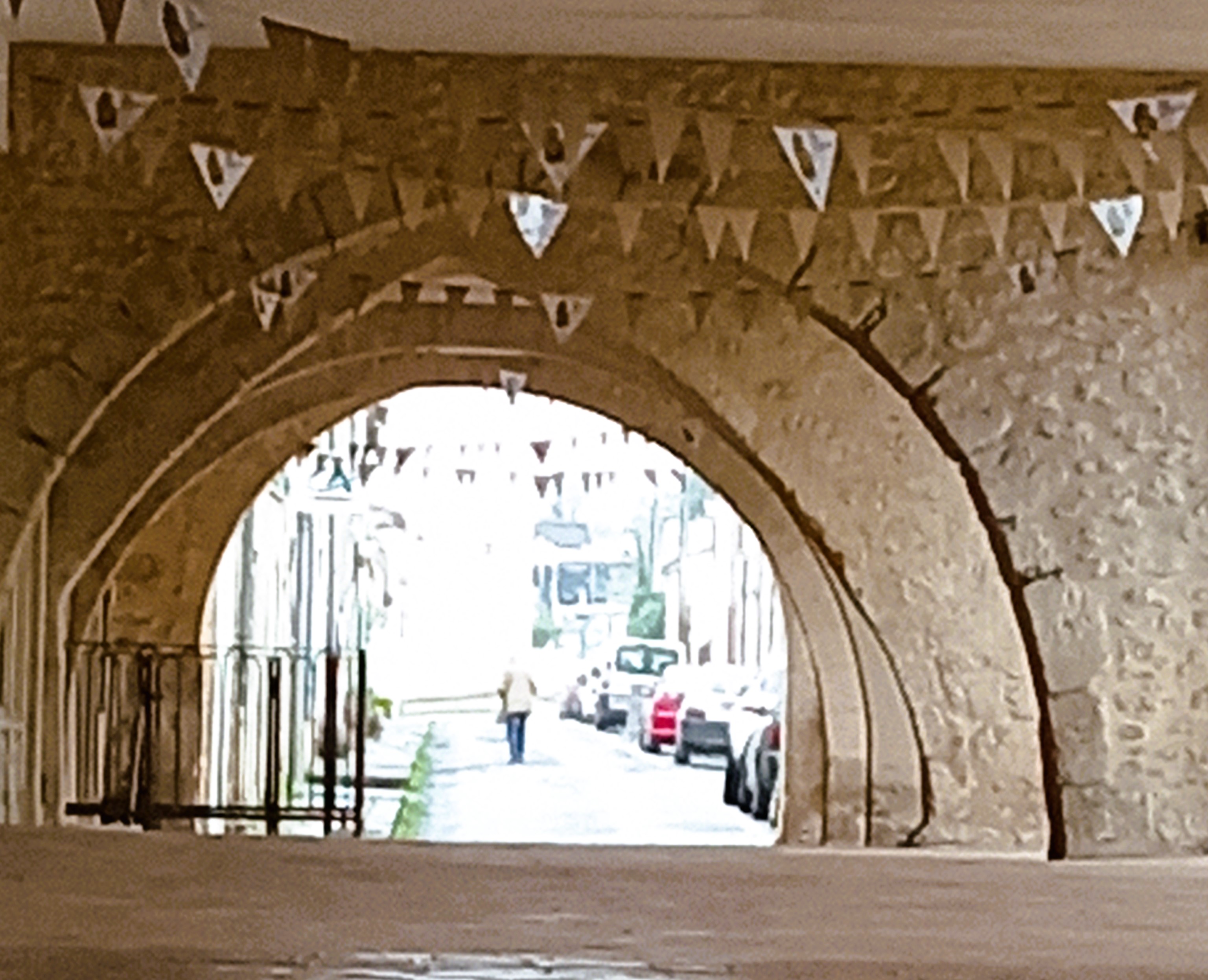
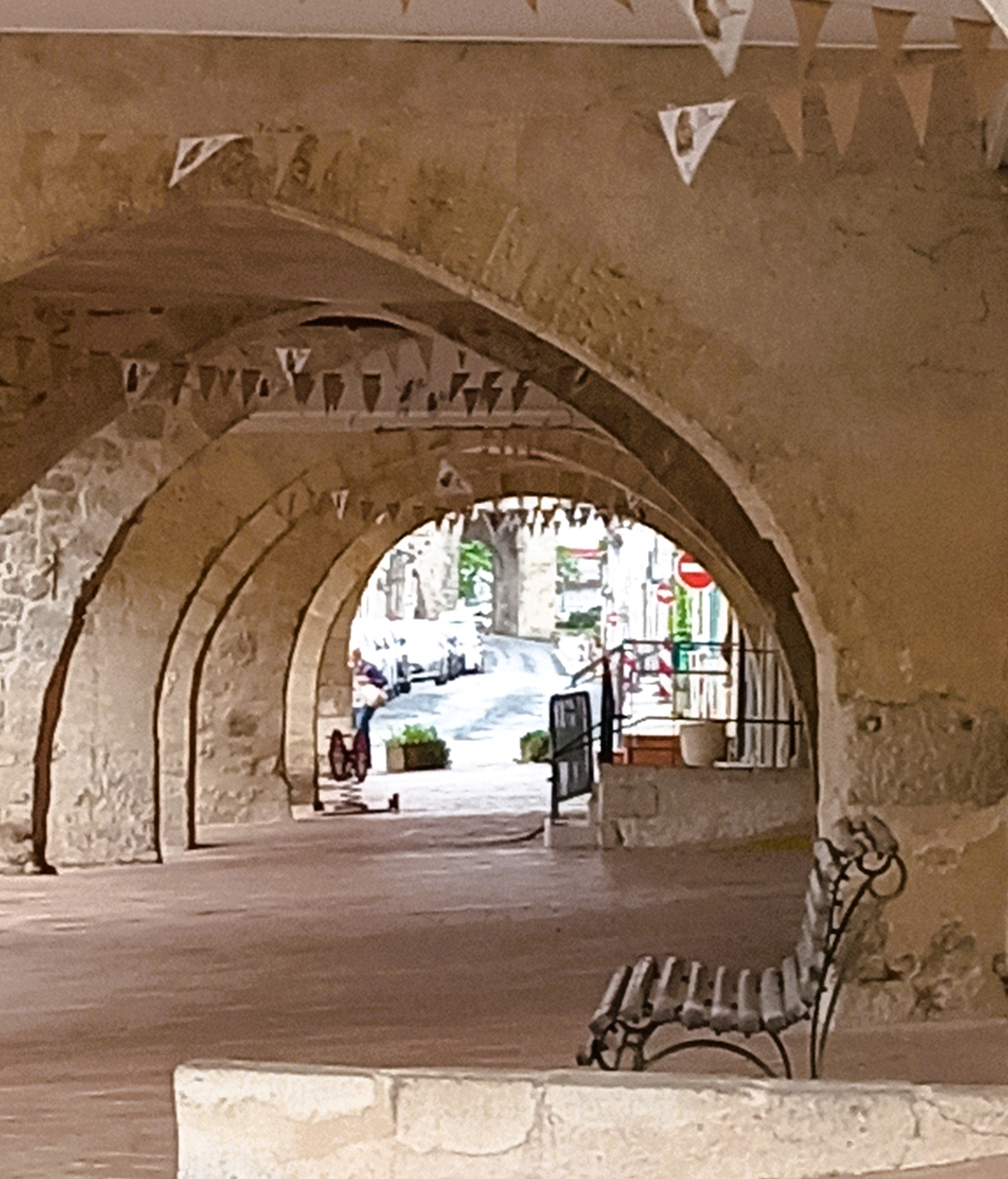
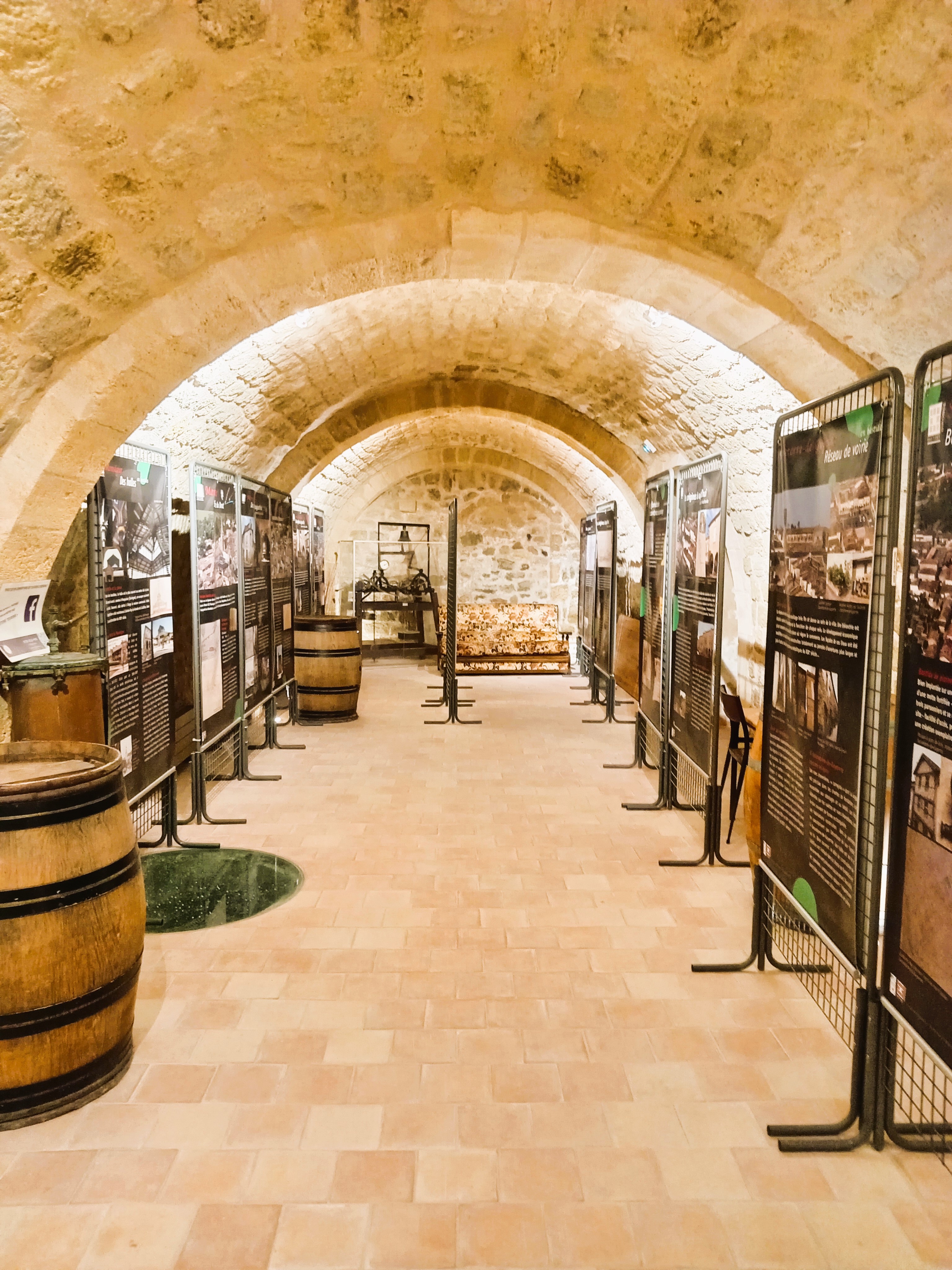
Under the arcades there are C13th cellars with a tunel leading to the central well. Part of one is accessible and features a small museum.
The straight streets are laid out in a grid pattern with the intersections at right angles
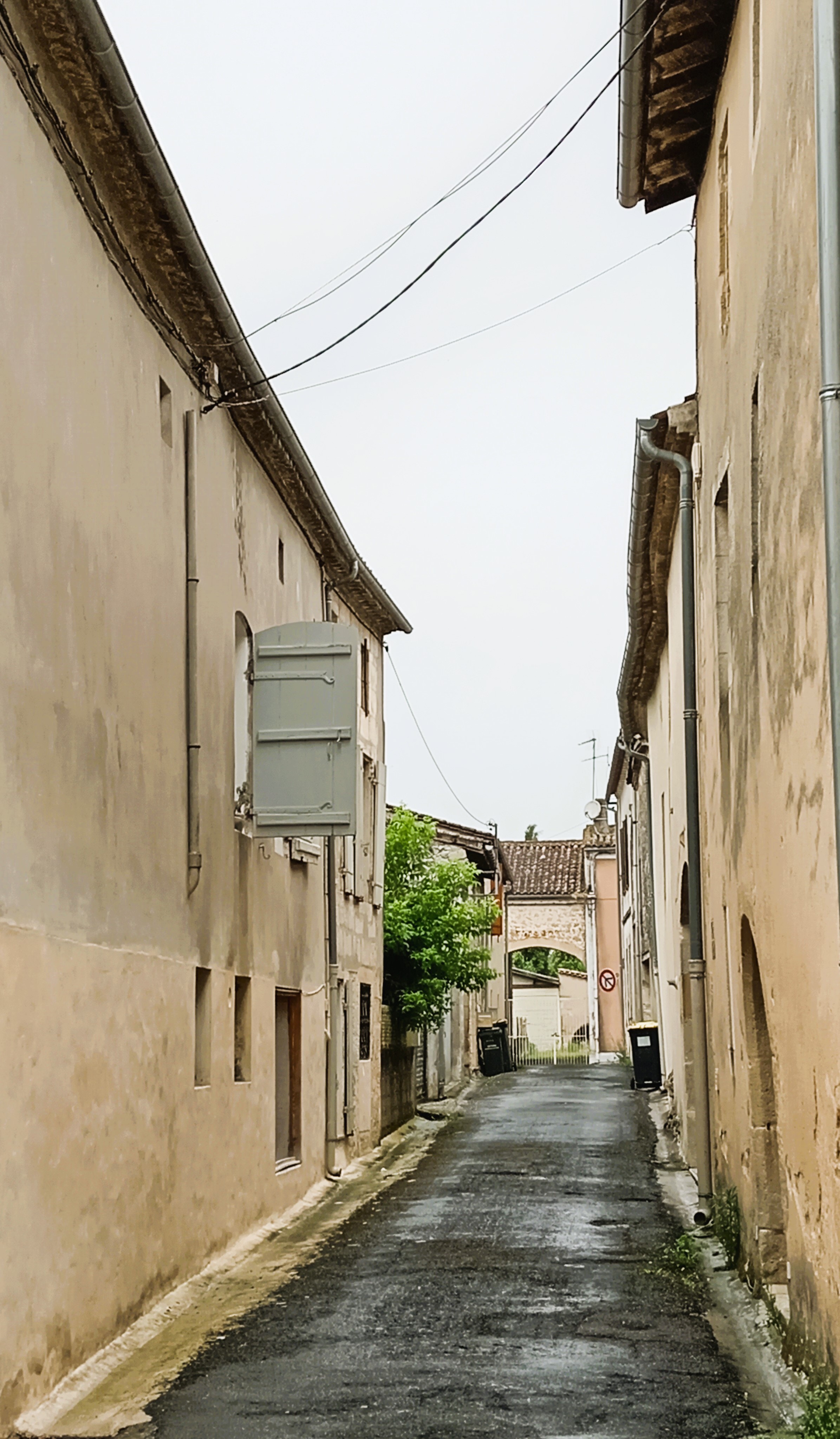
Between the houses there were “ruettes” or smsll streets, 30 – 60 cms and open to the sky. Their prupose was to carry away th waste water and rain water and to gaurd against fire passing froim house to house. There were also “carreyrous” which were about 2m wade and designed to give access to the backs of the houses.
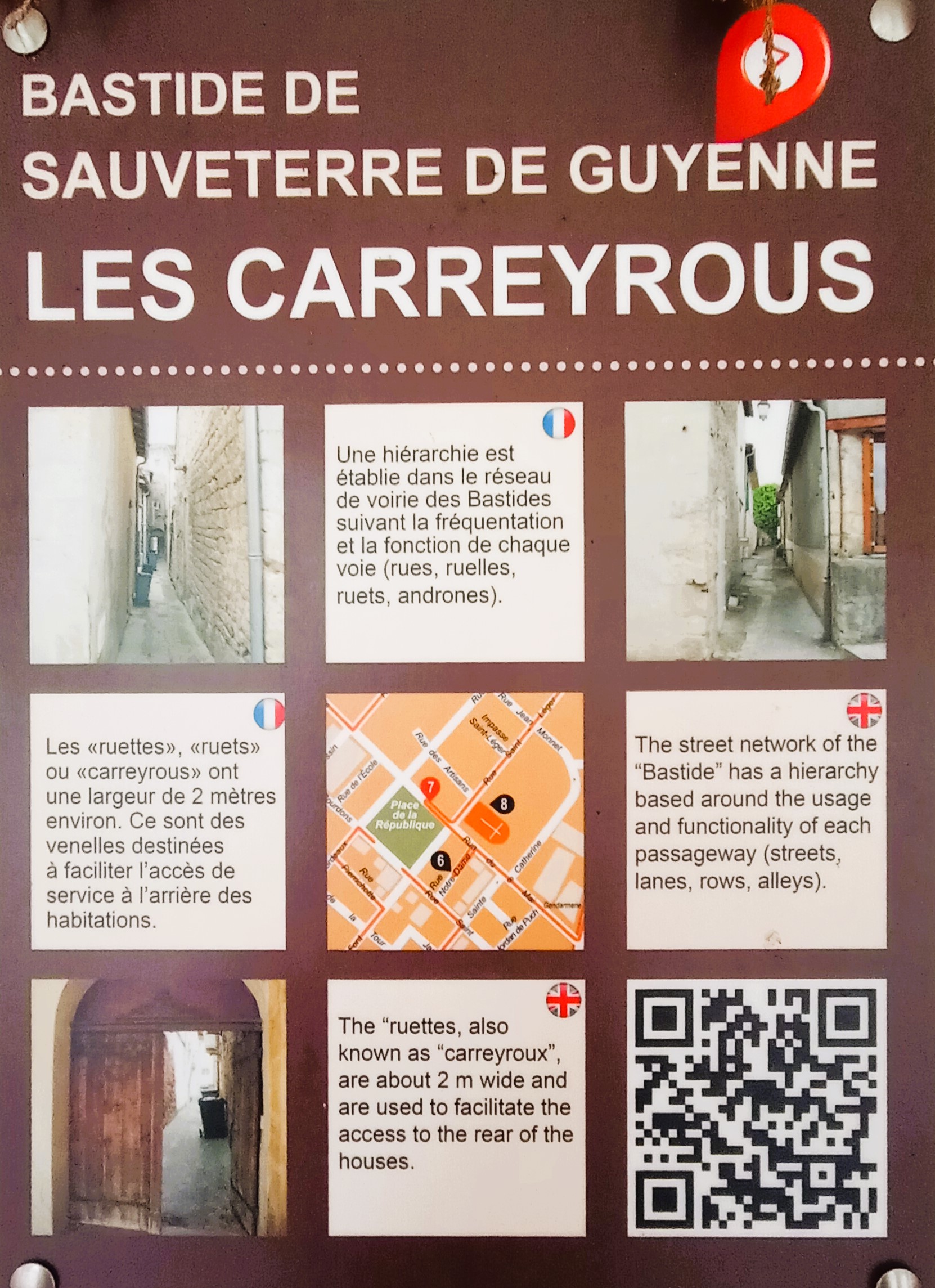

Now-a-days they are a handy place to hide the dustbins!
All the houses would have been of the half timbered veriety in the middle ages. I had not realised before that the timber frames were put together on the ground and then hoisted into place!
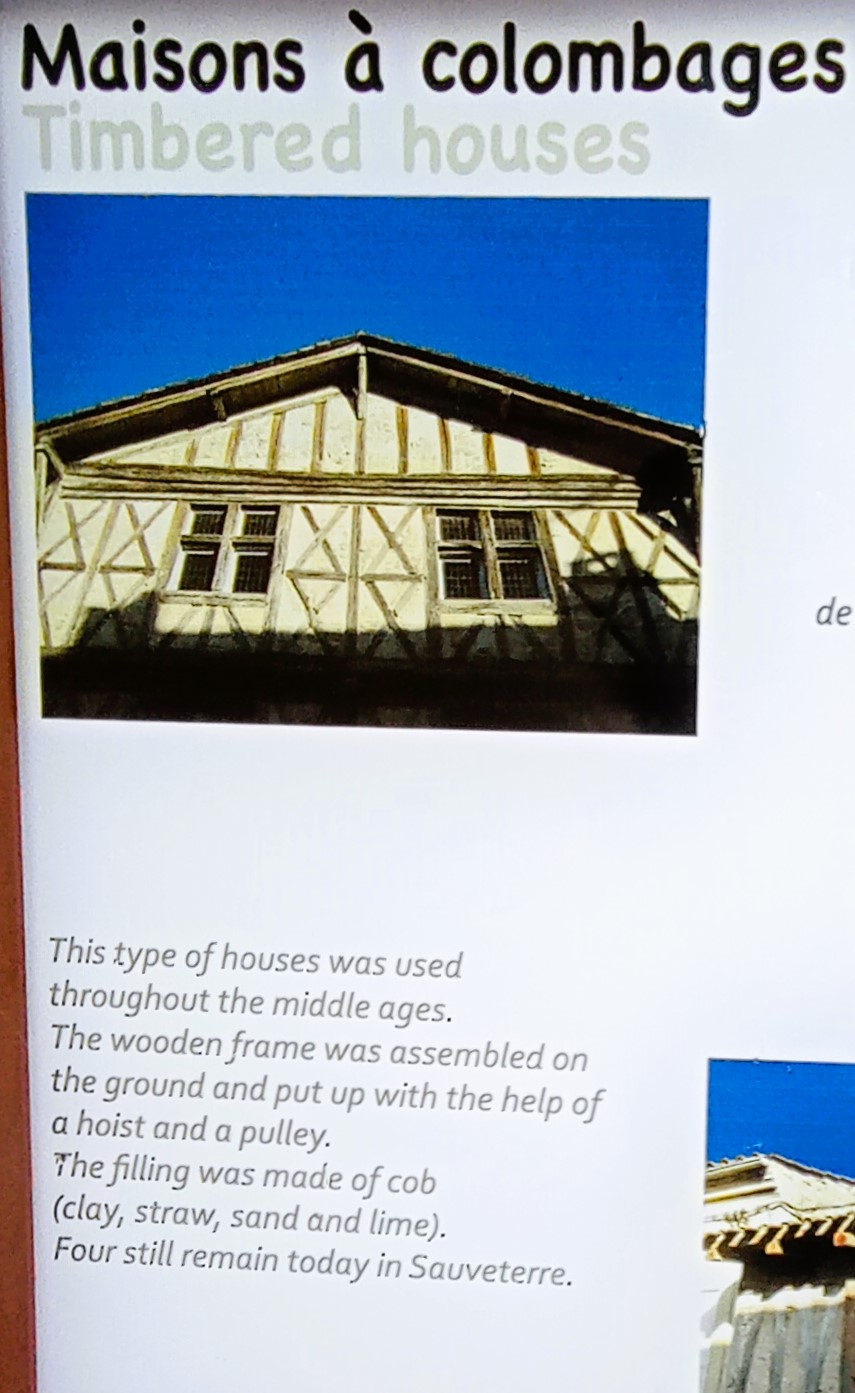
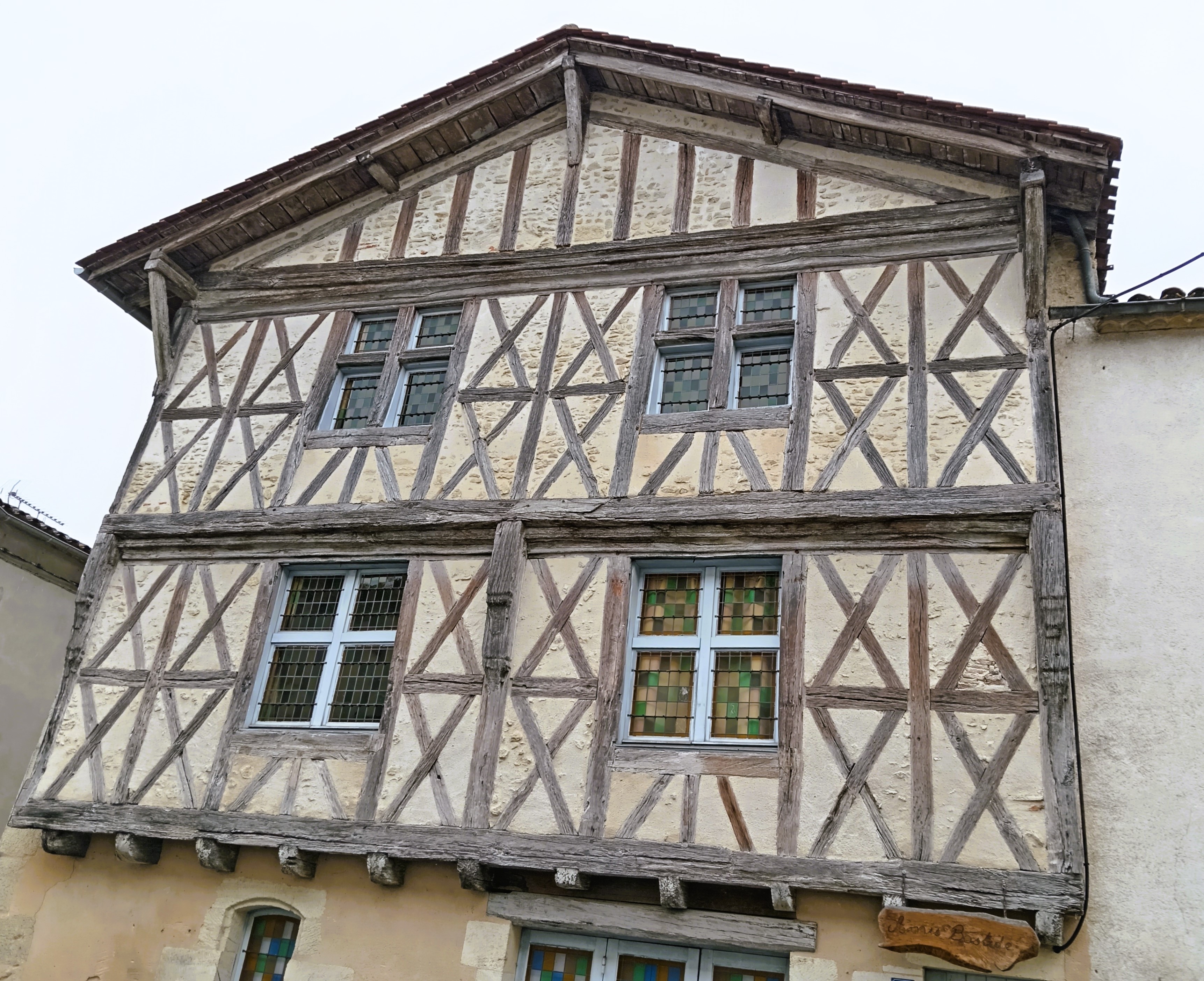
So all in all a pleasant surprise dispite the foul weather and as I keep saving, I learn something new every day.
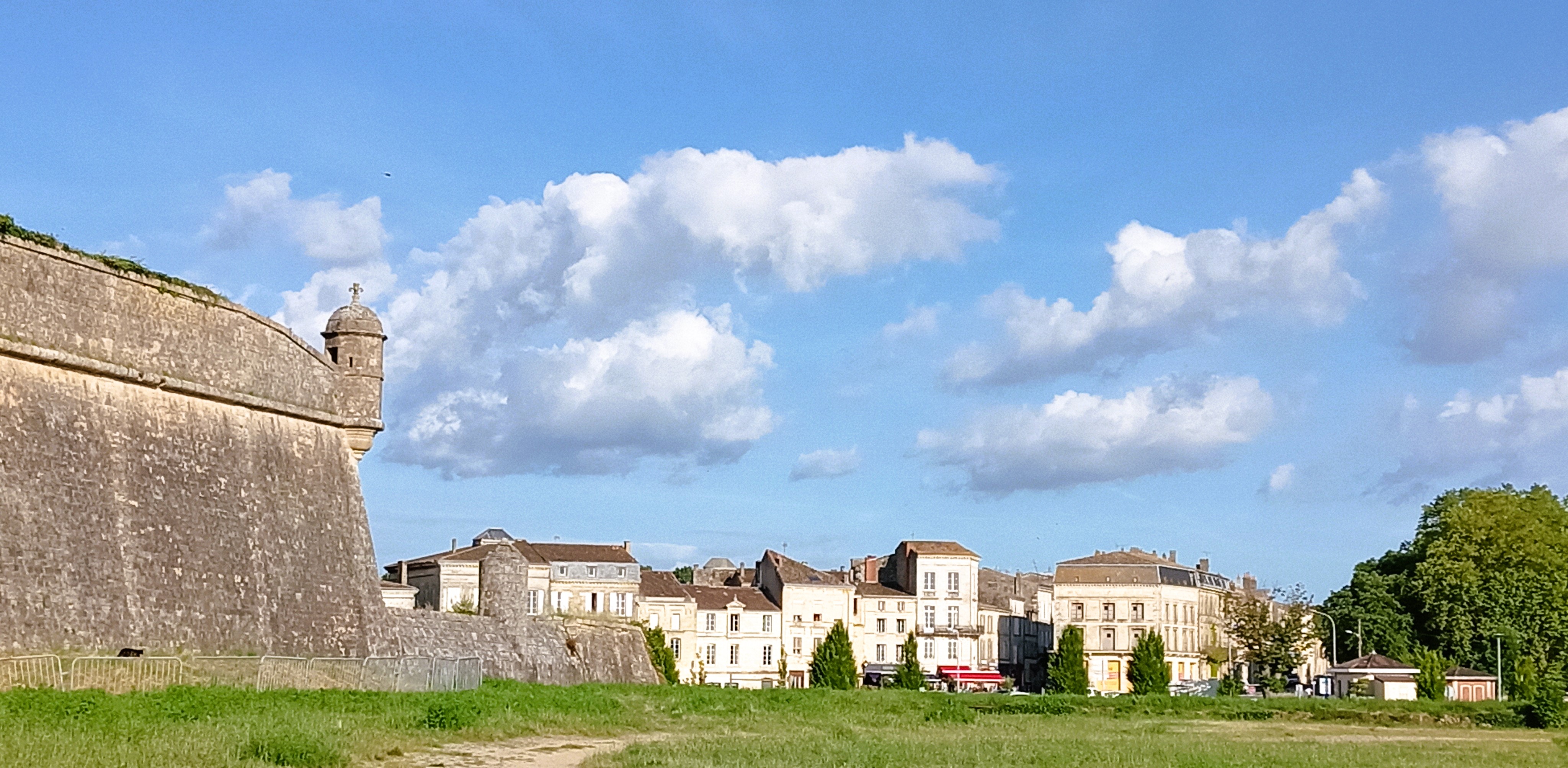
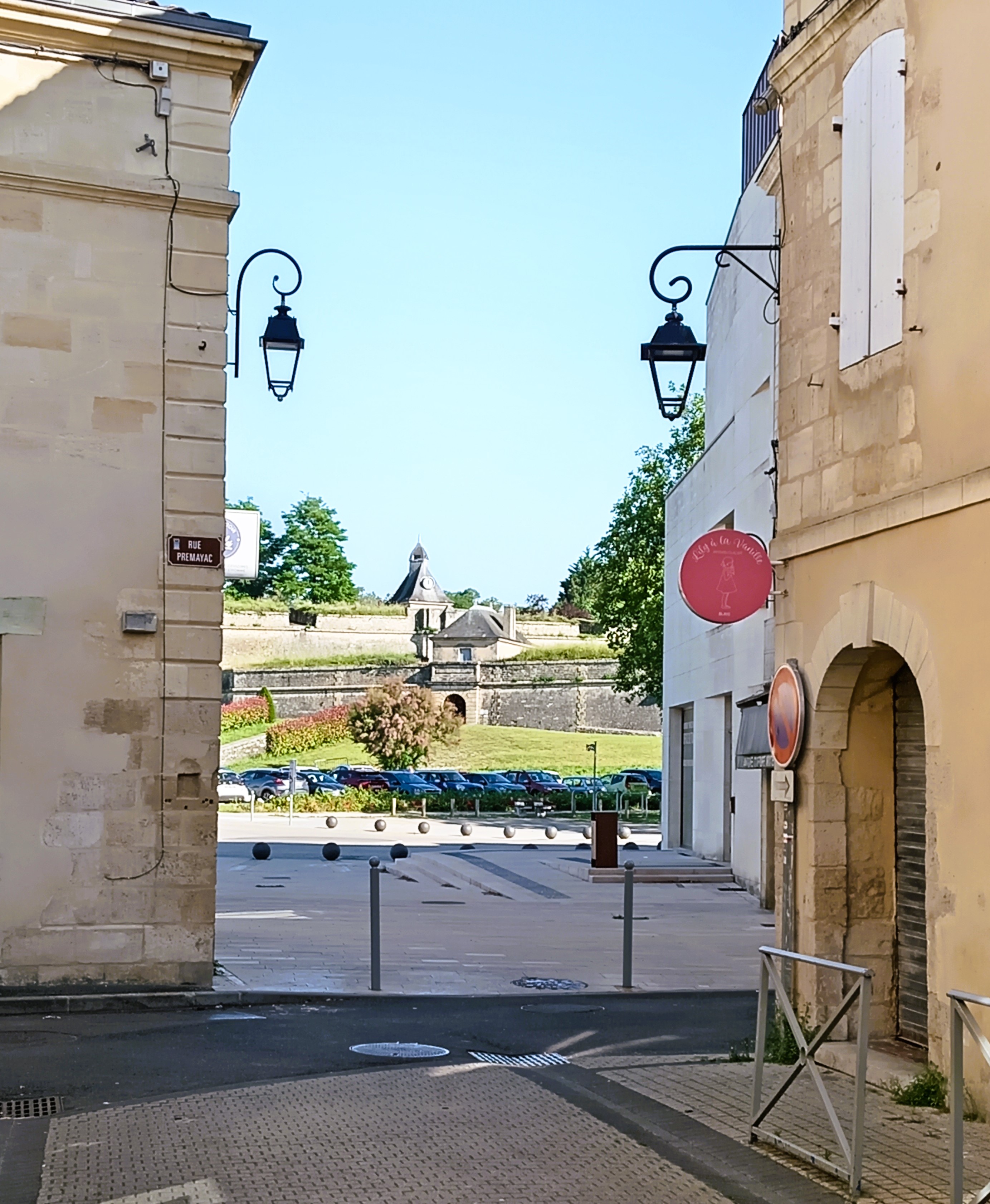
23rd. It really does feel like coming full circle on arriving here in Blaye just across the river from Bordeaux where I picked Vicki up on th 18th April. How very appropriate that I am spending, what will be my penaltimate nights on this trip, in an Aire at a vineyard. Much as Vicky and I did early on in her time with me. And just to put the cherry on the cake, the Chateau in question is that of The Marquis de Vauban, the engineer to Louis XIV whoes forts have been enchanting me throughout the journey.
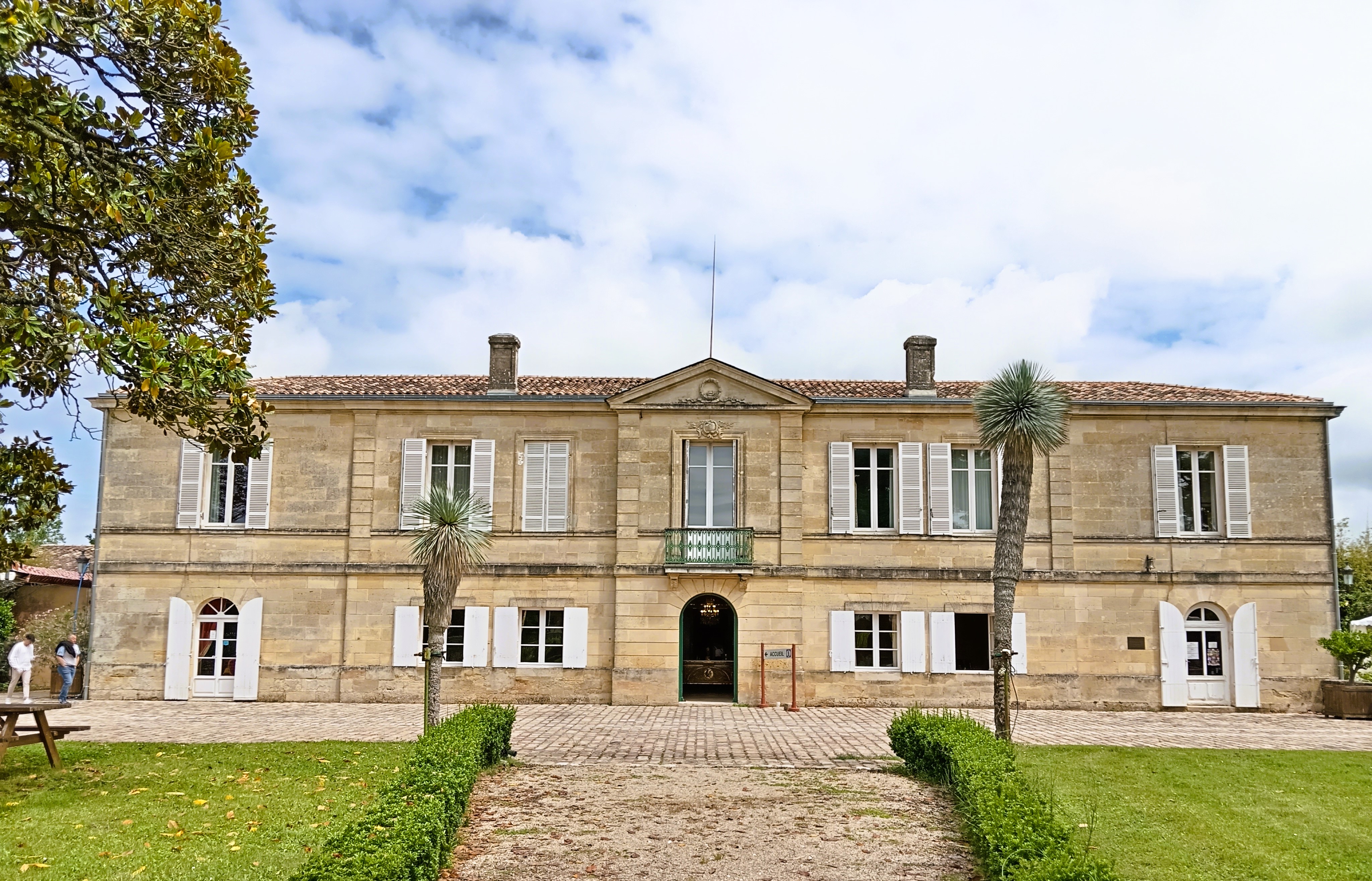
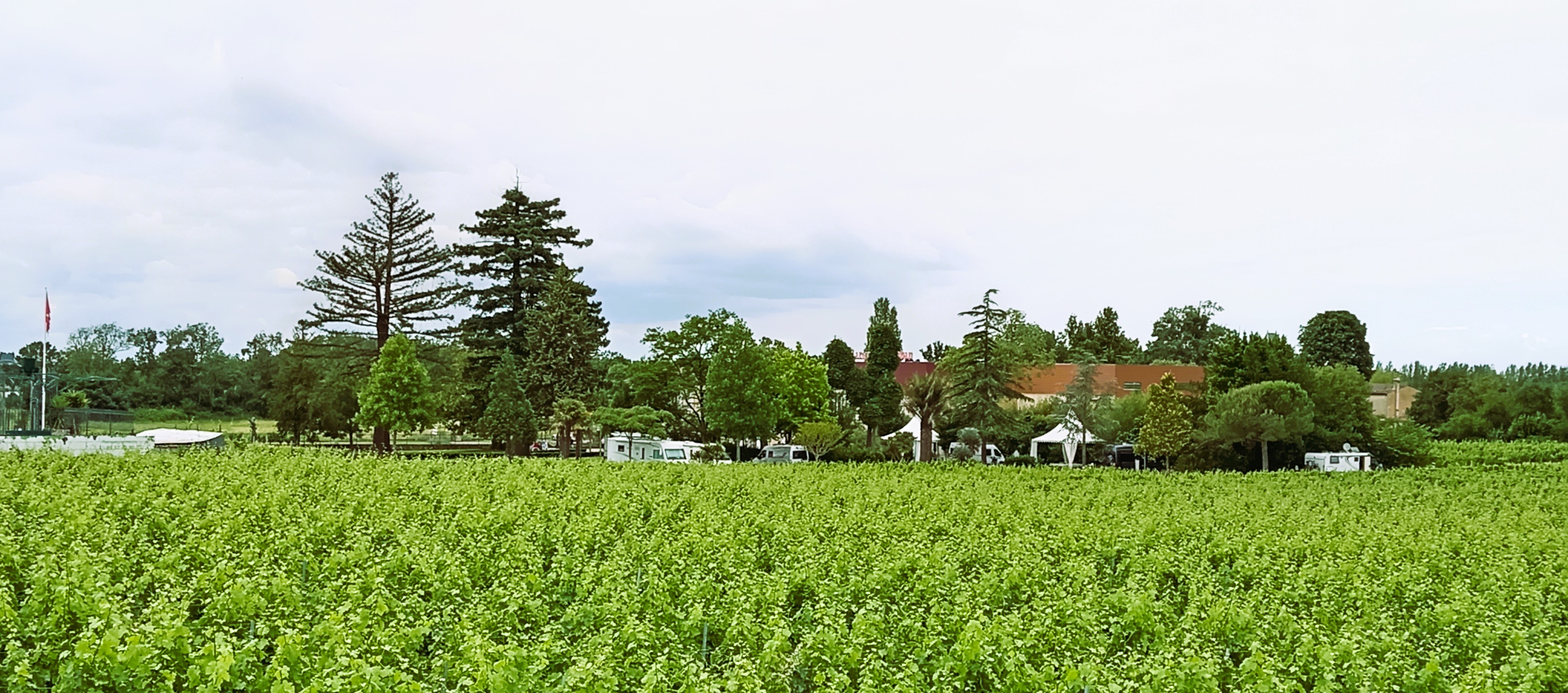
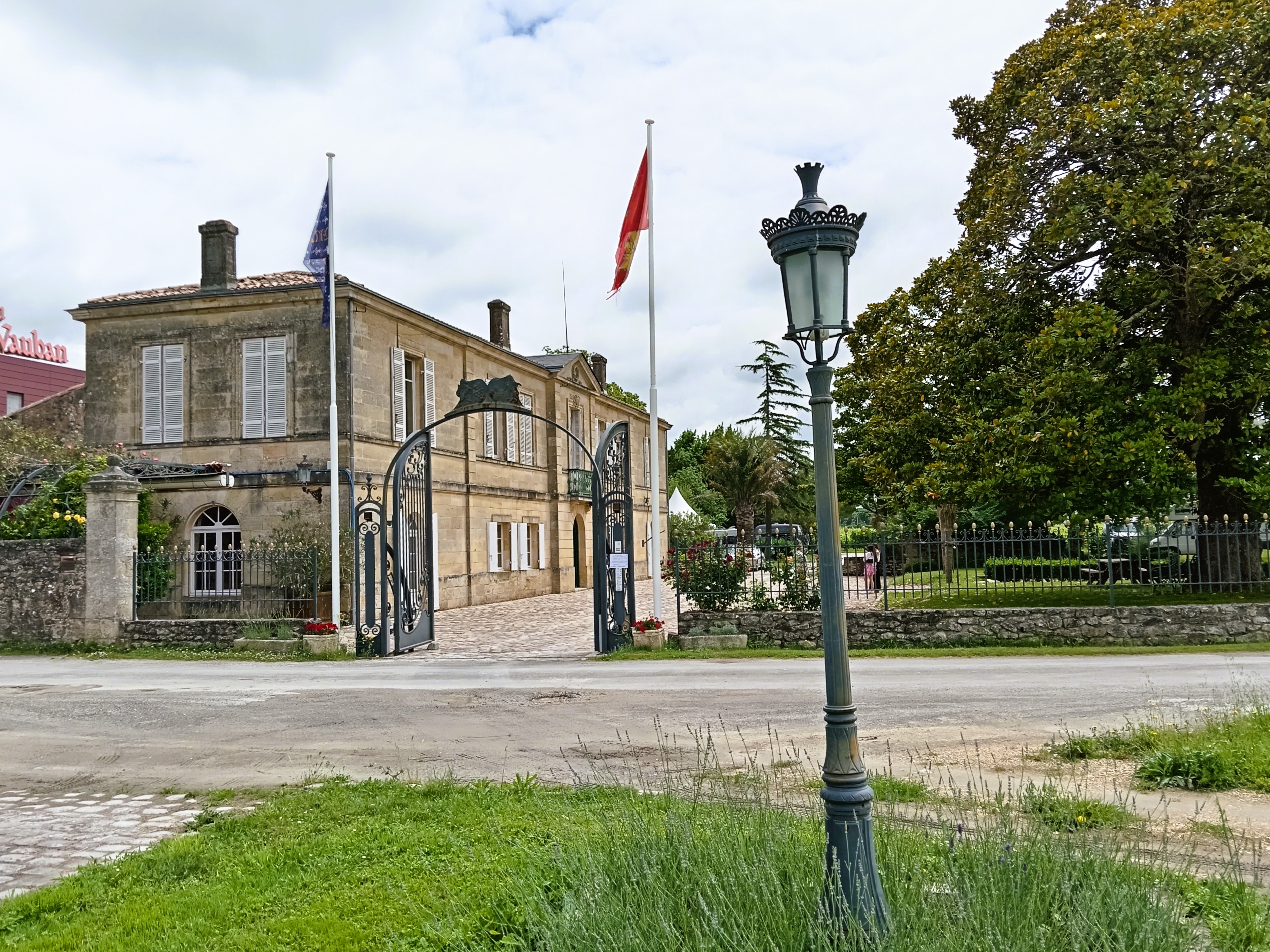
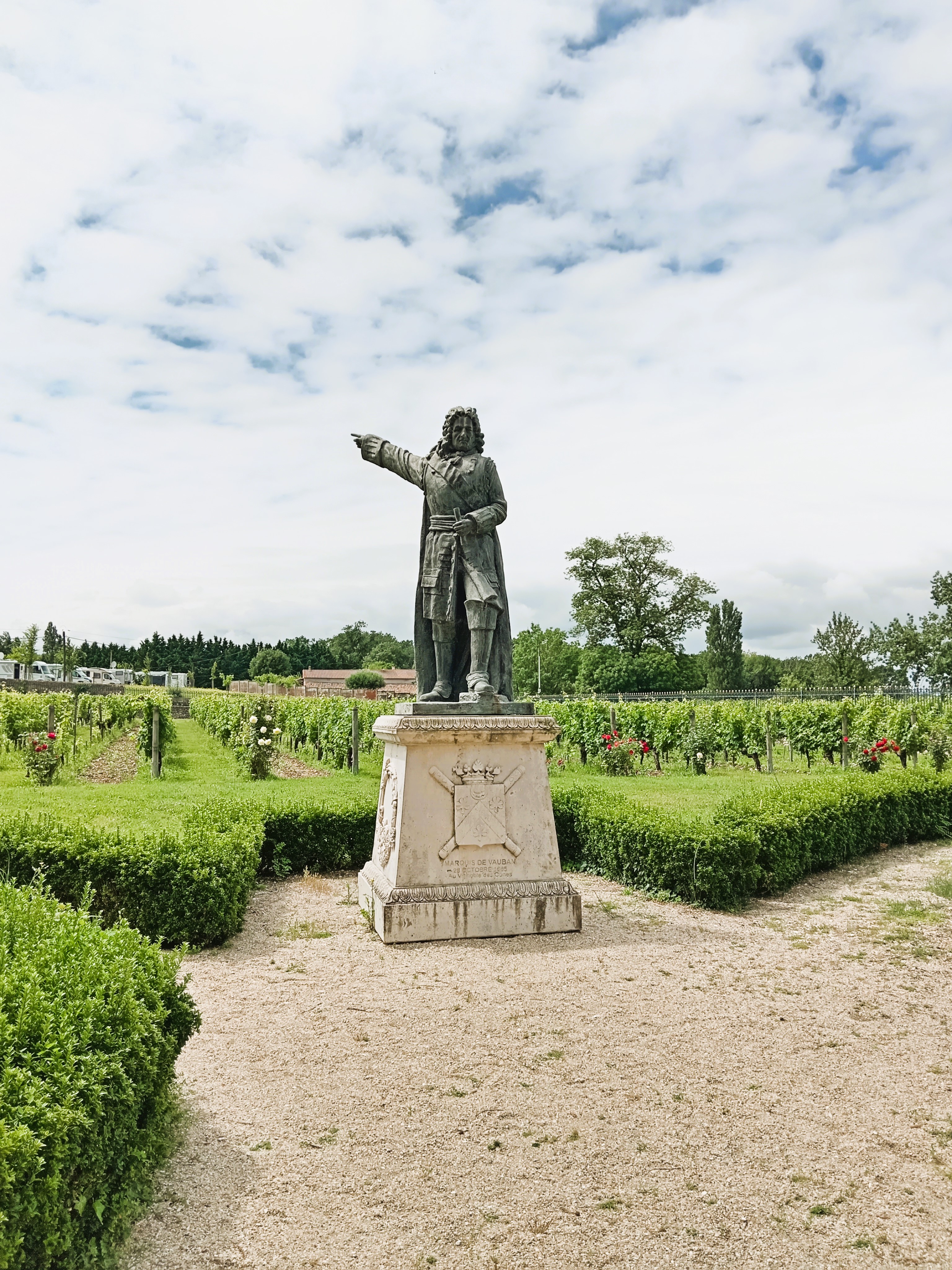
After lunch we walked to the fort about half a kilometer away. From this end the outer defences are followed by a series of entrance gates each enclosing yet another line of defence. There are three of them in all, the second of which is a good ten meters thick.
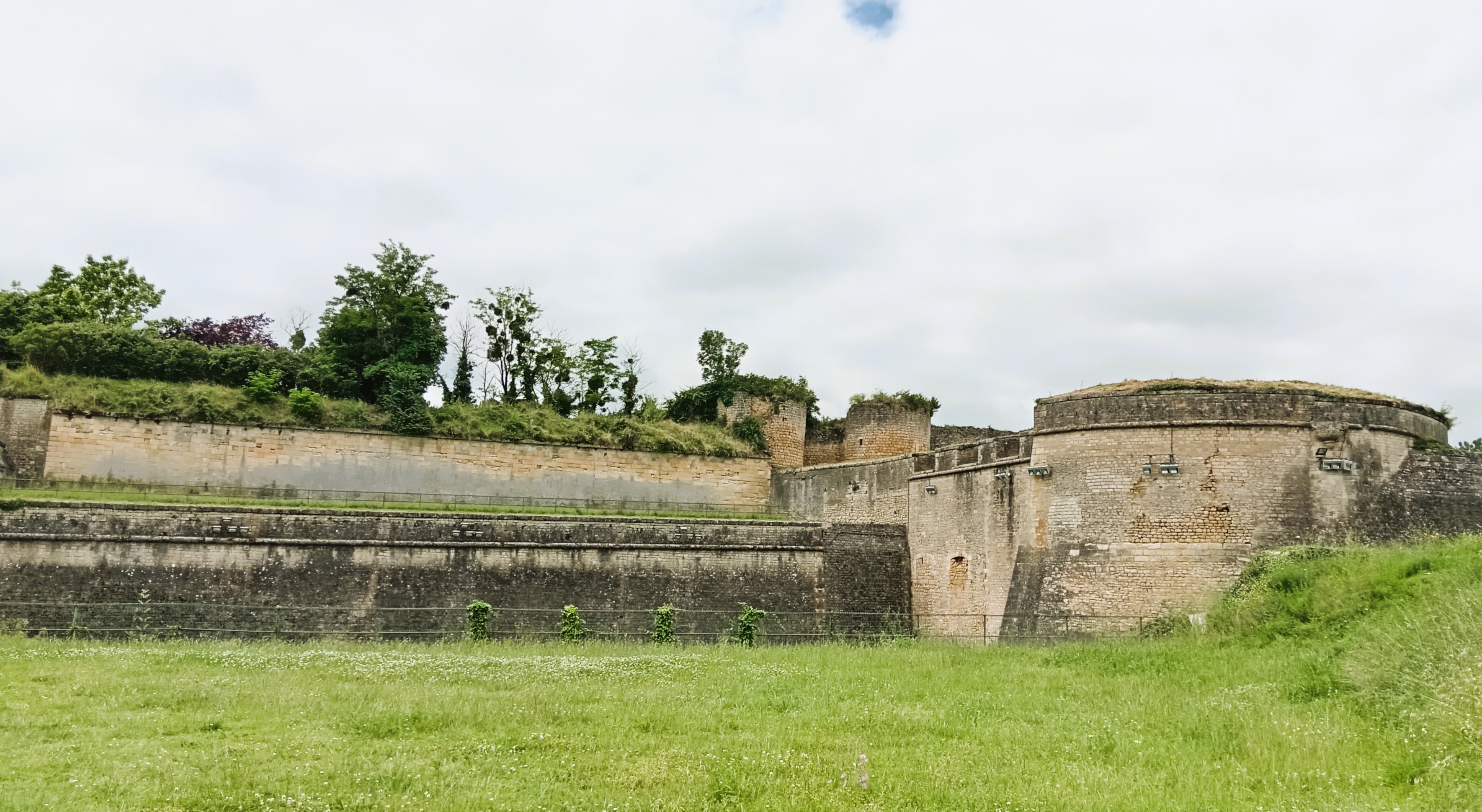
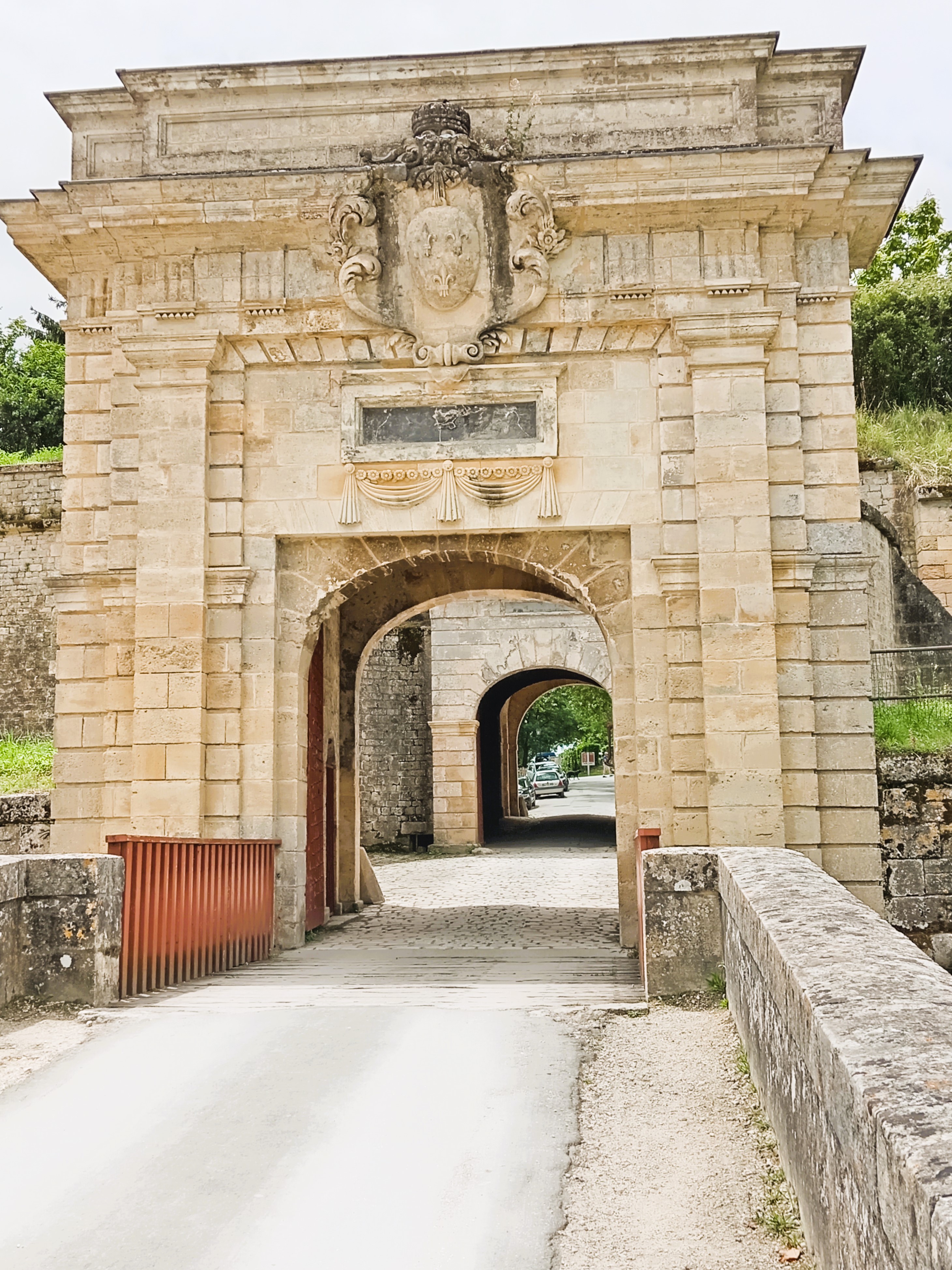
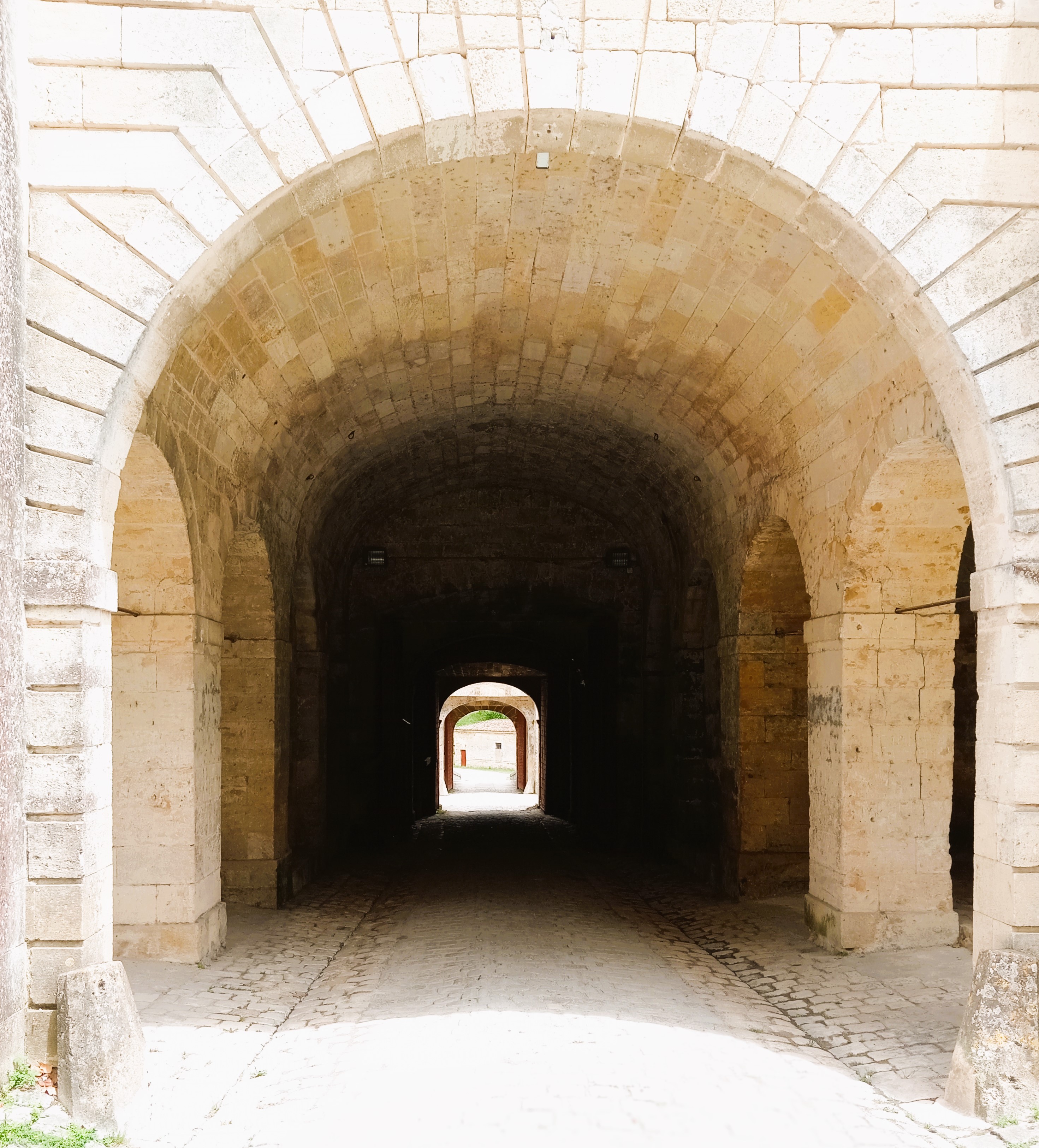

There are a number of buildings that are within the fort but which pre-date it, like this one.
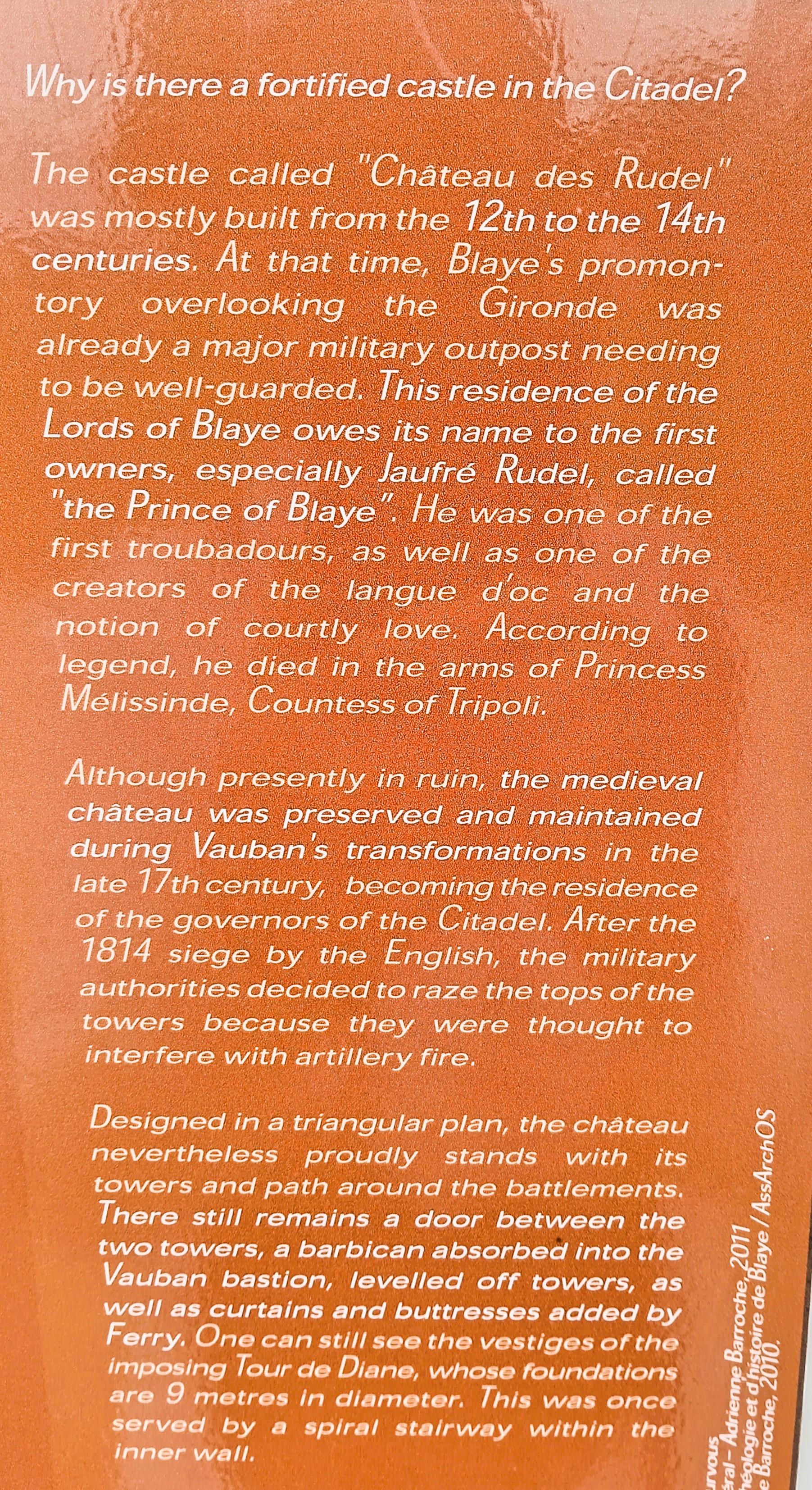
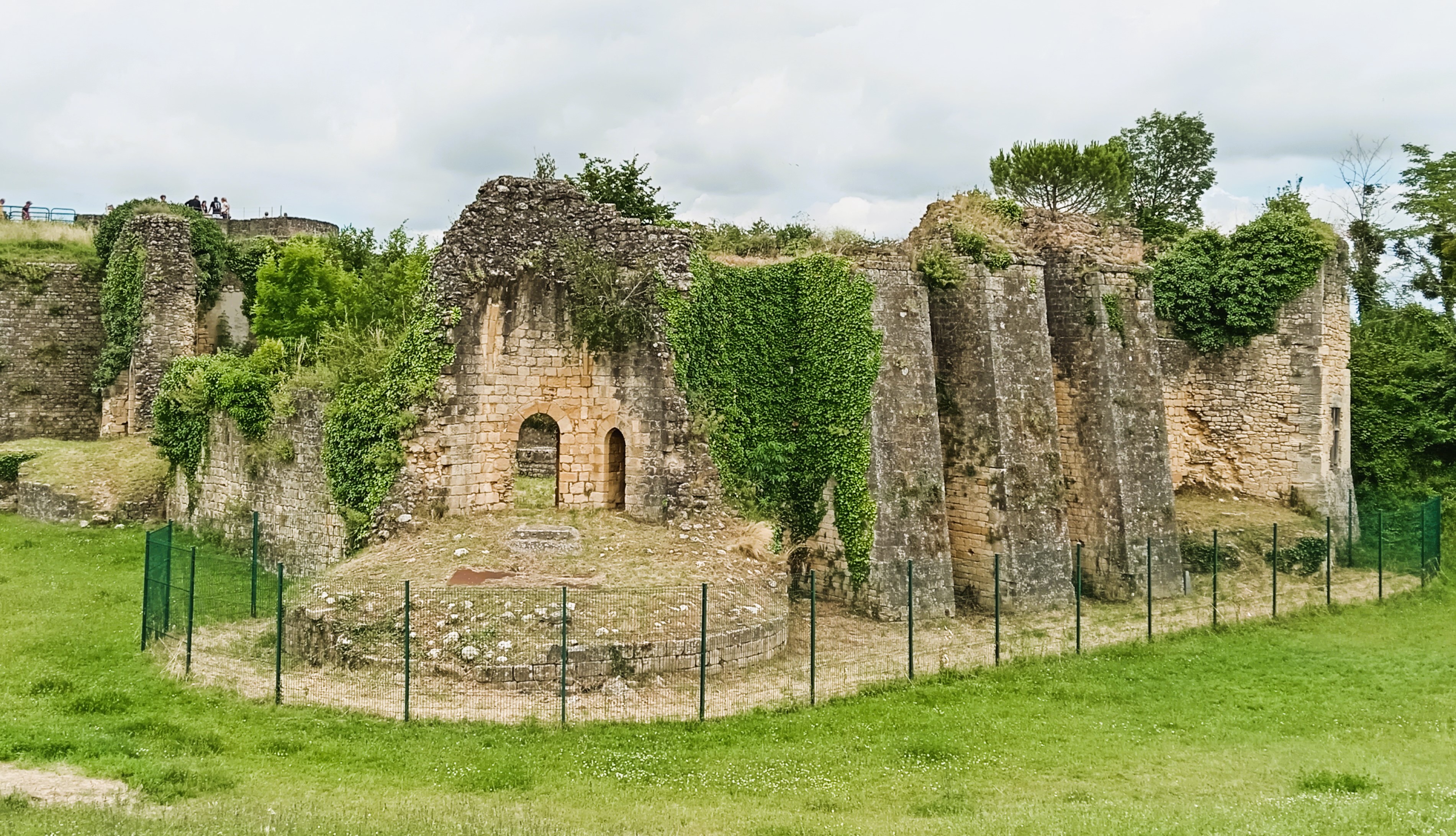
And there are a number of museums, boutiqus, an hotel and several places to eat, but it doesn’t have a “lived in” feel like Mont Louis and some of the others.
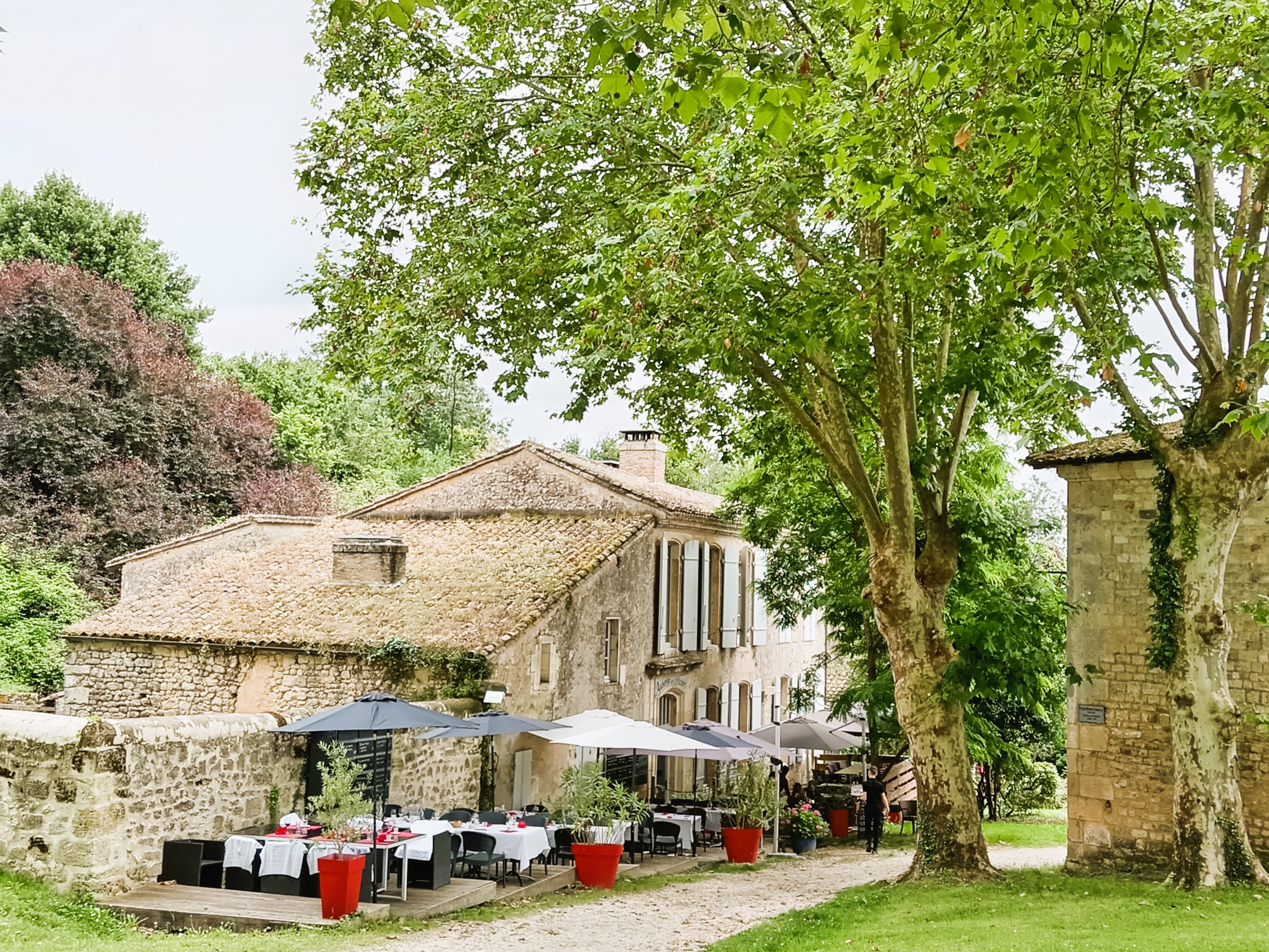

This fort is known as La Citadelle de Blaye and defends this side of the river and entrance to the larger estuary while Forrt Medoc fullfills the same role on the opposite bank. Between the two, on what is now a small Island, it the Fort de Paté. Also designed by Vauban it completed the security against a feared English sea inv asion.
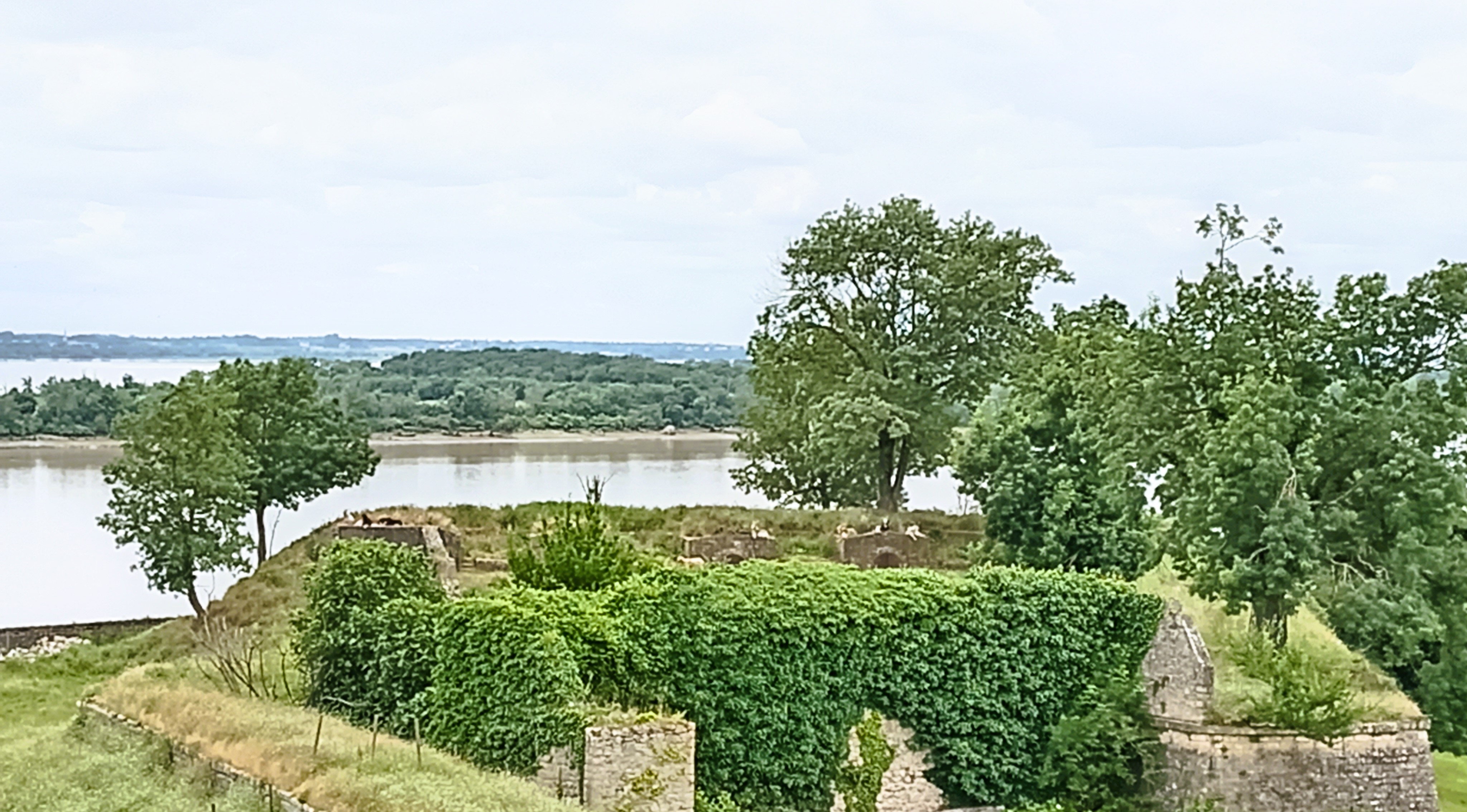

Back at the Chateau, a really nice touch is that they offer a free appero to all the campingcarist in the foyer at 17.30
The Aperos were served in large reception room behind the foyer. There were only three of us which was a bit of a surprise. We started with the Apero drink which was a destilation of one of the red wines. There followed a tasteing of three of the estate wines. This was accompanied by a potted history of Blaye, the citadelle and Vaub an and a discussion of the wines. This makess the €10 camping fee really good value as they charge €6 for just the tasteing of 3 of threir wines.

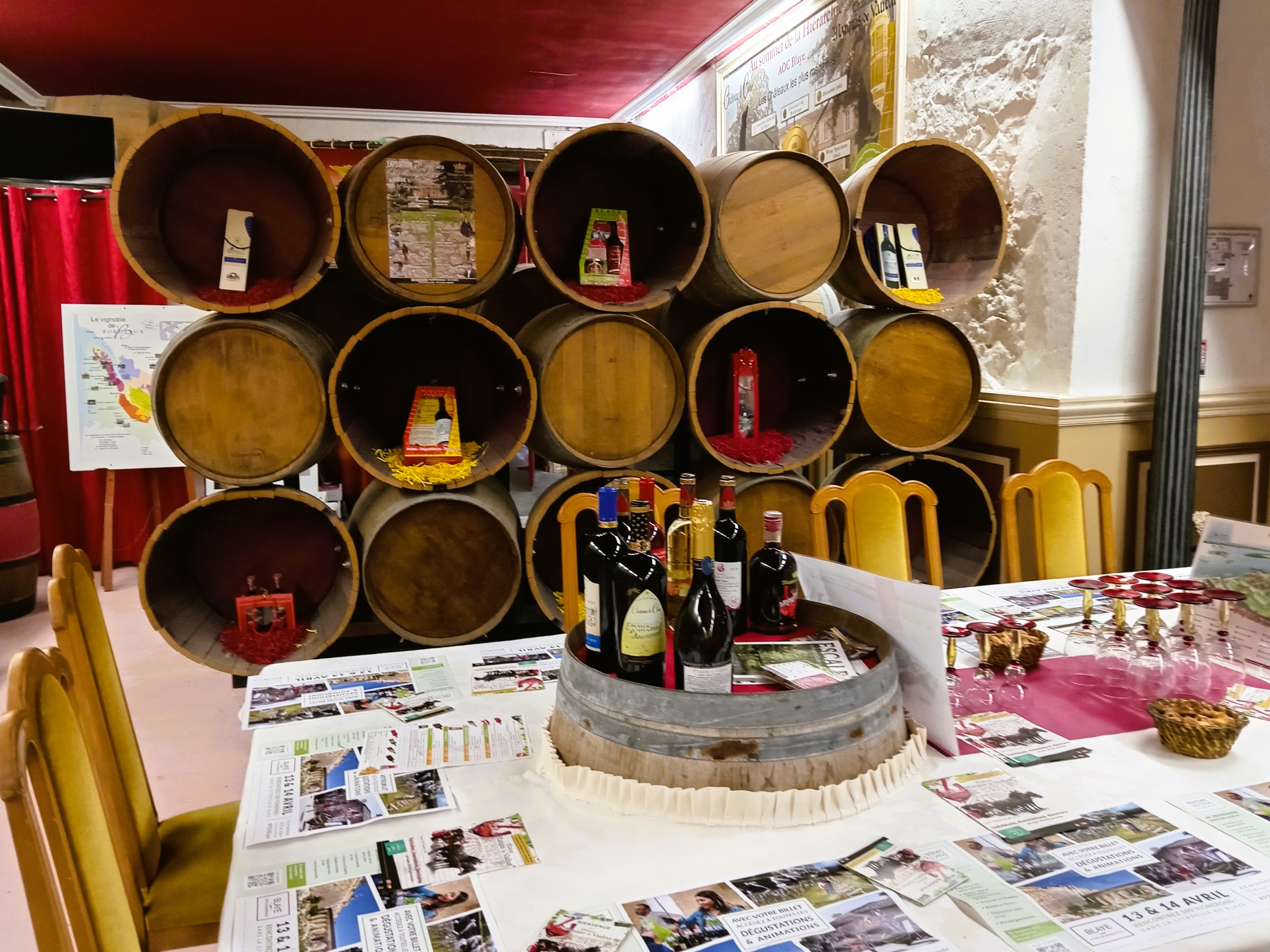
Our hostess recommended a walk along the estuary path in the evening which I took.

As you come level with the citadelle it becomes evident what a good choice the location was and how well protected it is from an aproach from the sea.
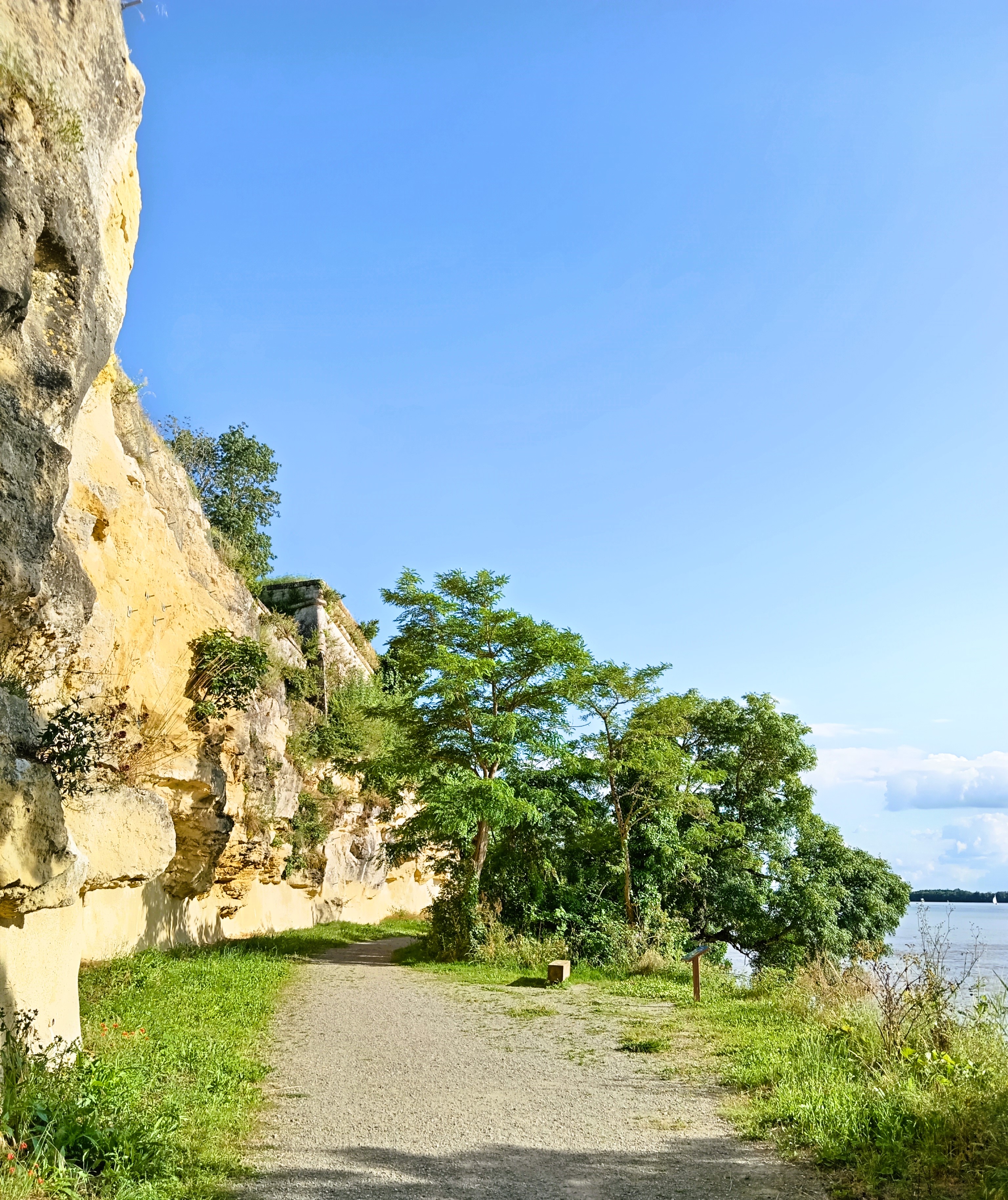

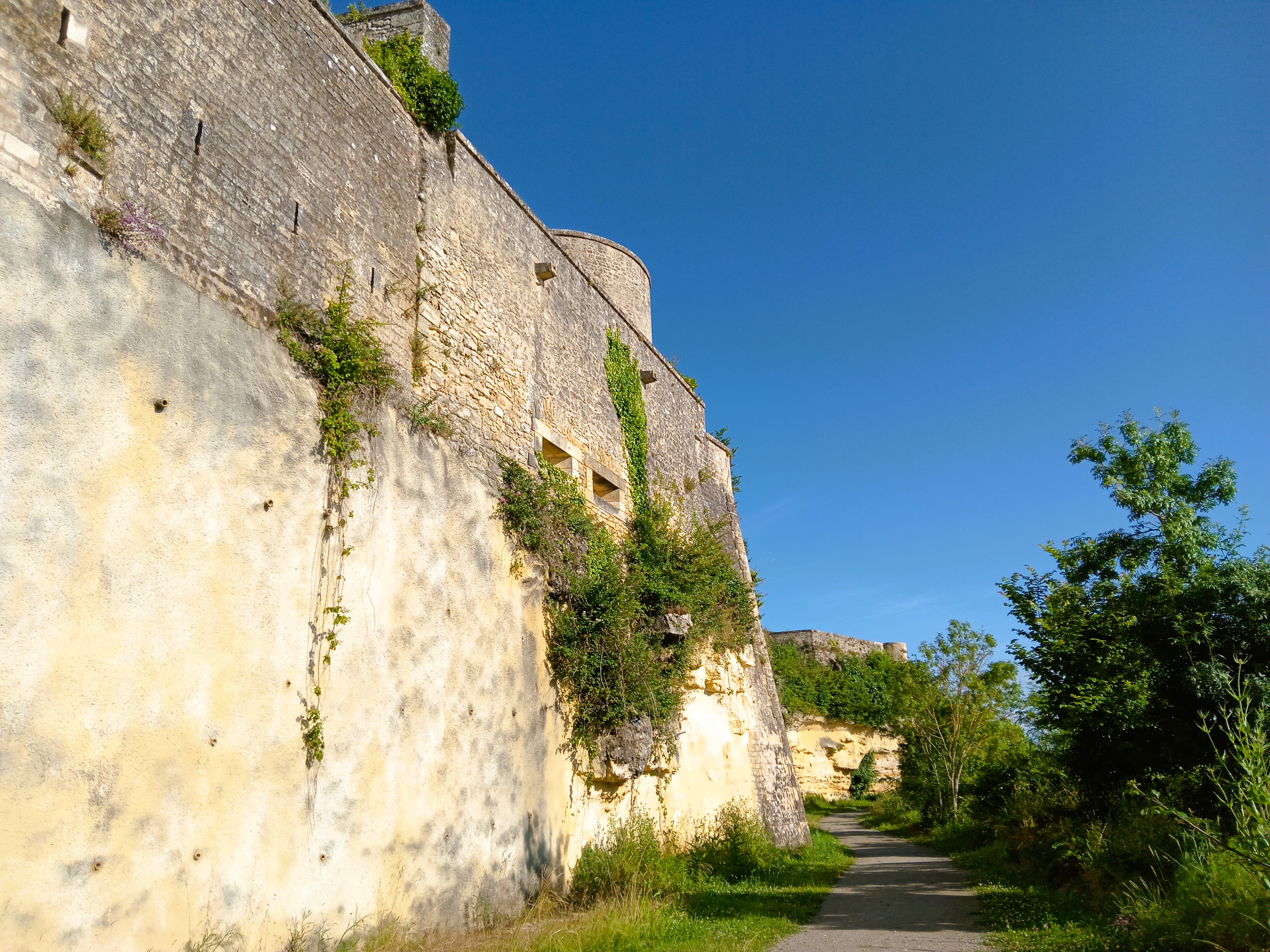
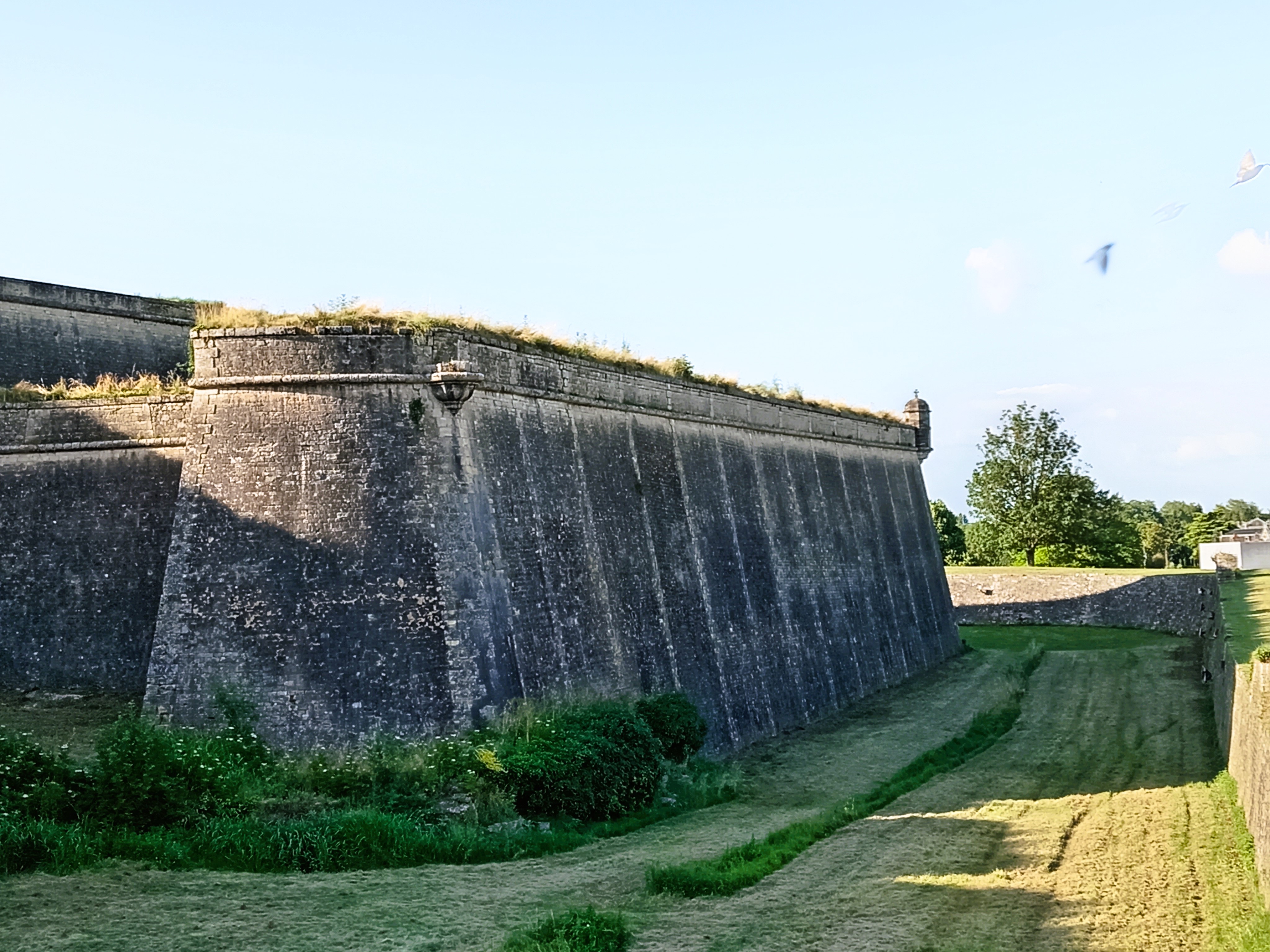
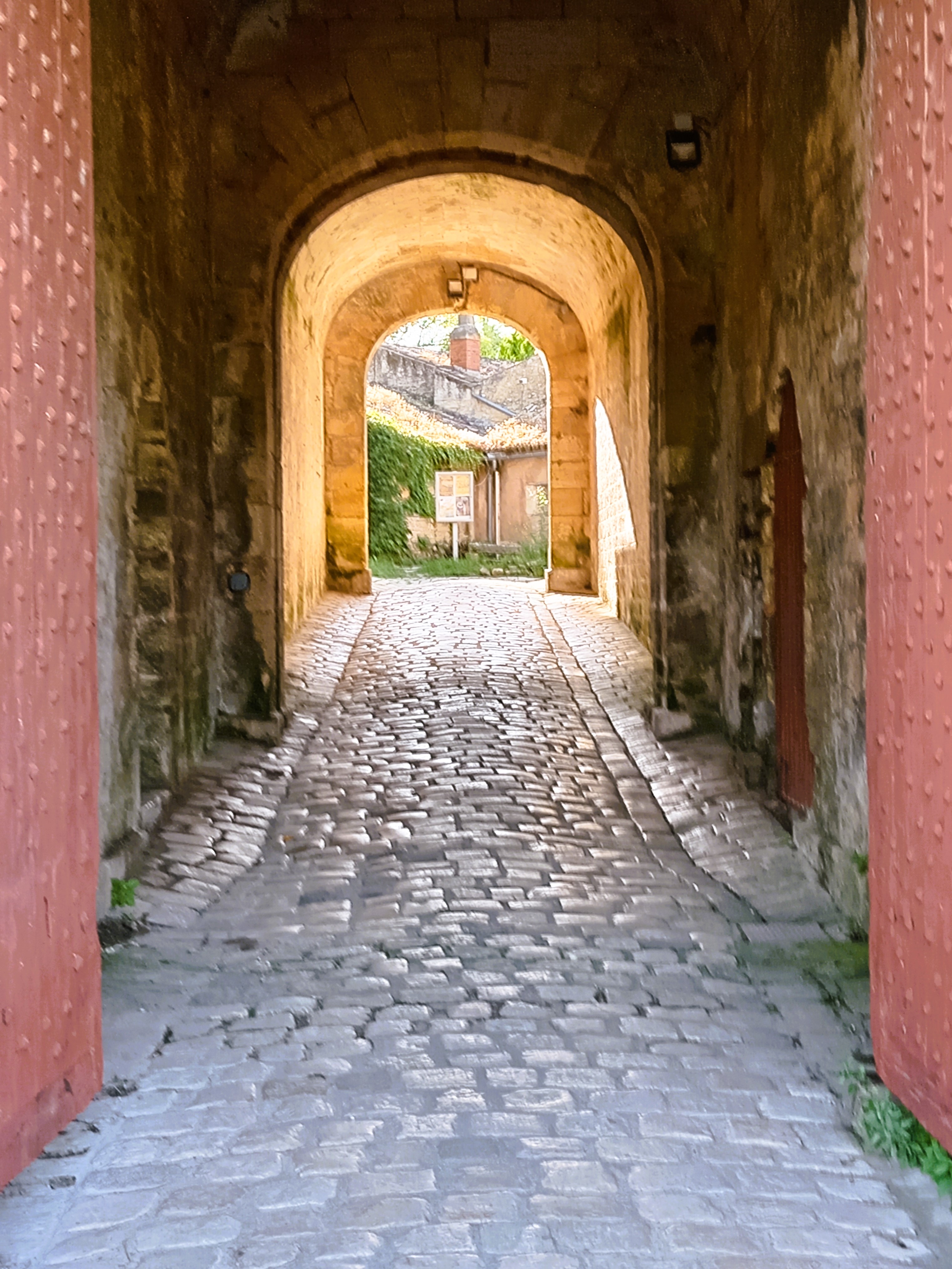
The entry gate from this side is just as impressive as the other one and the apmostphere was much nicer without all he tourists!

The sun was lighting up the facades of the river front properties as I headed b ack to the van.
24th. An early walk into town as it promisses to be a hot one. main aim coffee/croisant!
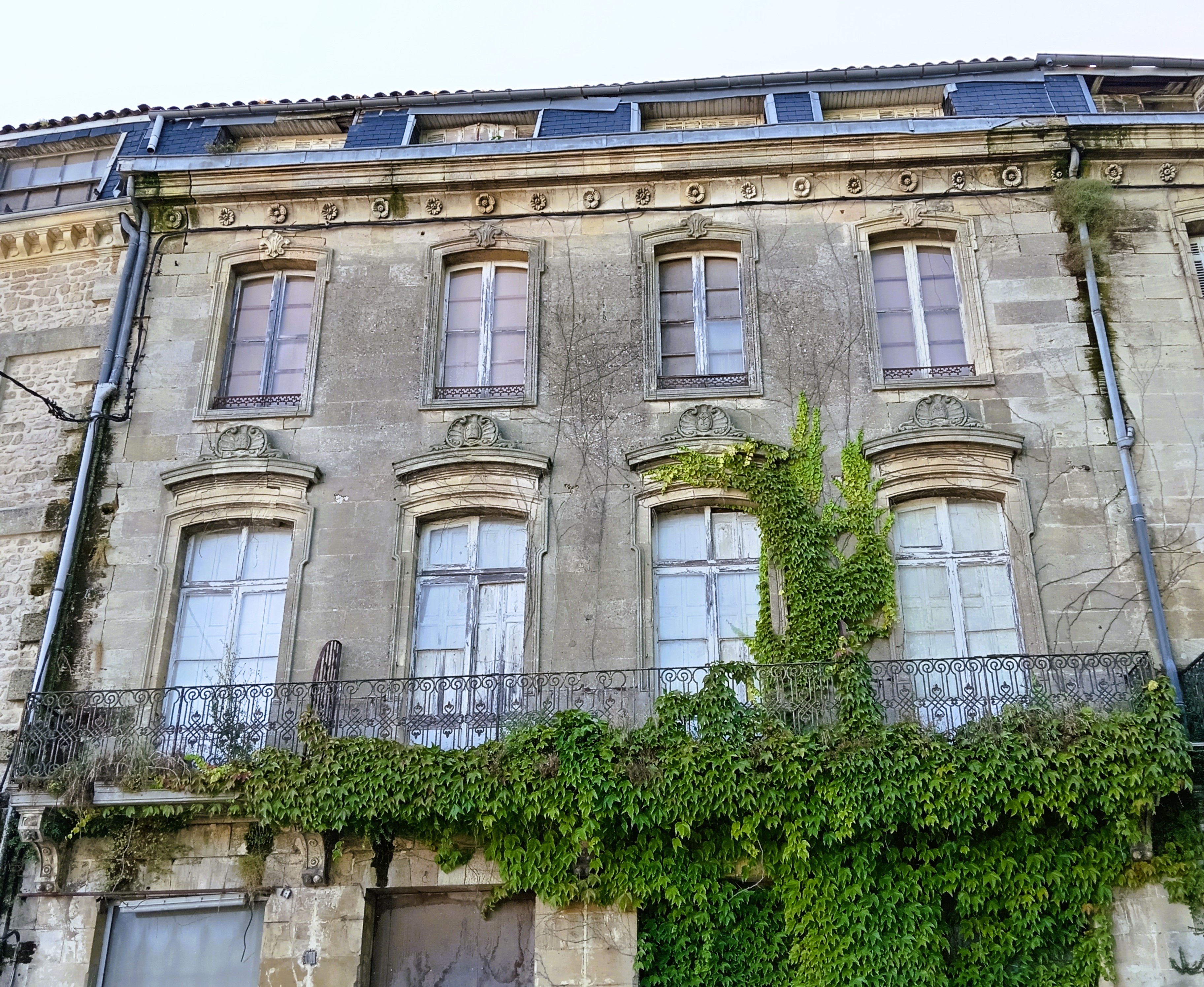
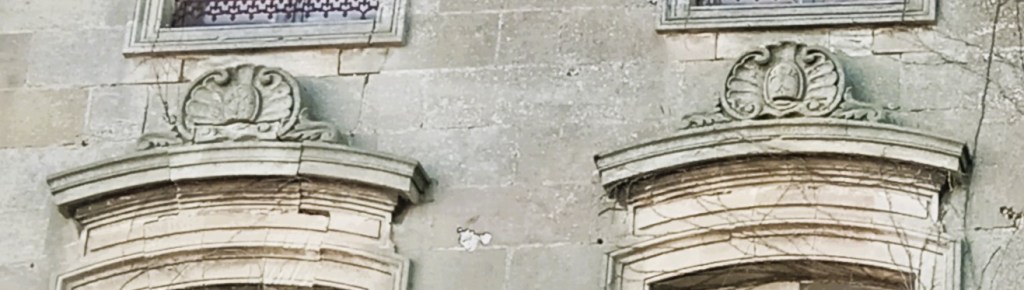
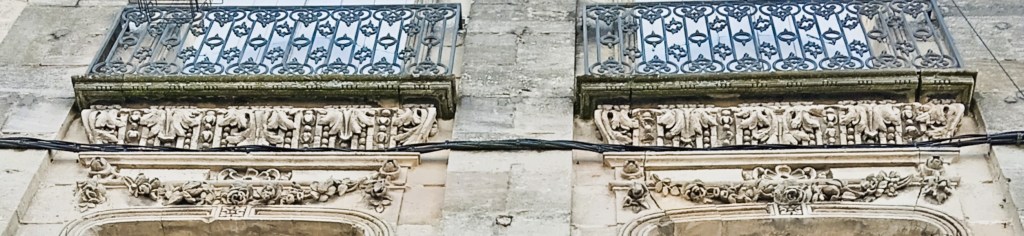
The most striking aspect of Blaye was the size and oreatness, in terms of wroght Iron wnbelishment and carved stone decoration, of it late C17th / early C18th river facing town houses. Following the building of the Citadelle and the other forts the security that they bought obviously caused an economic blossoming resulting in the display of wealth and stability.



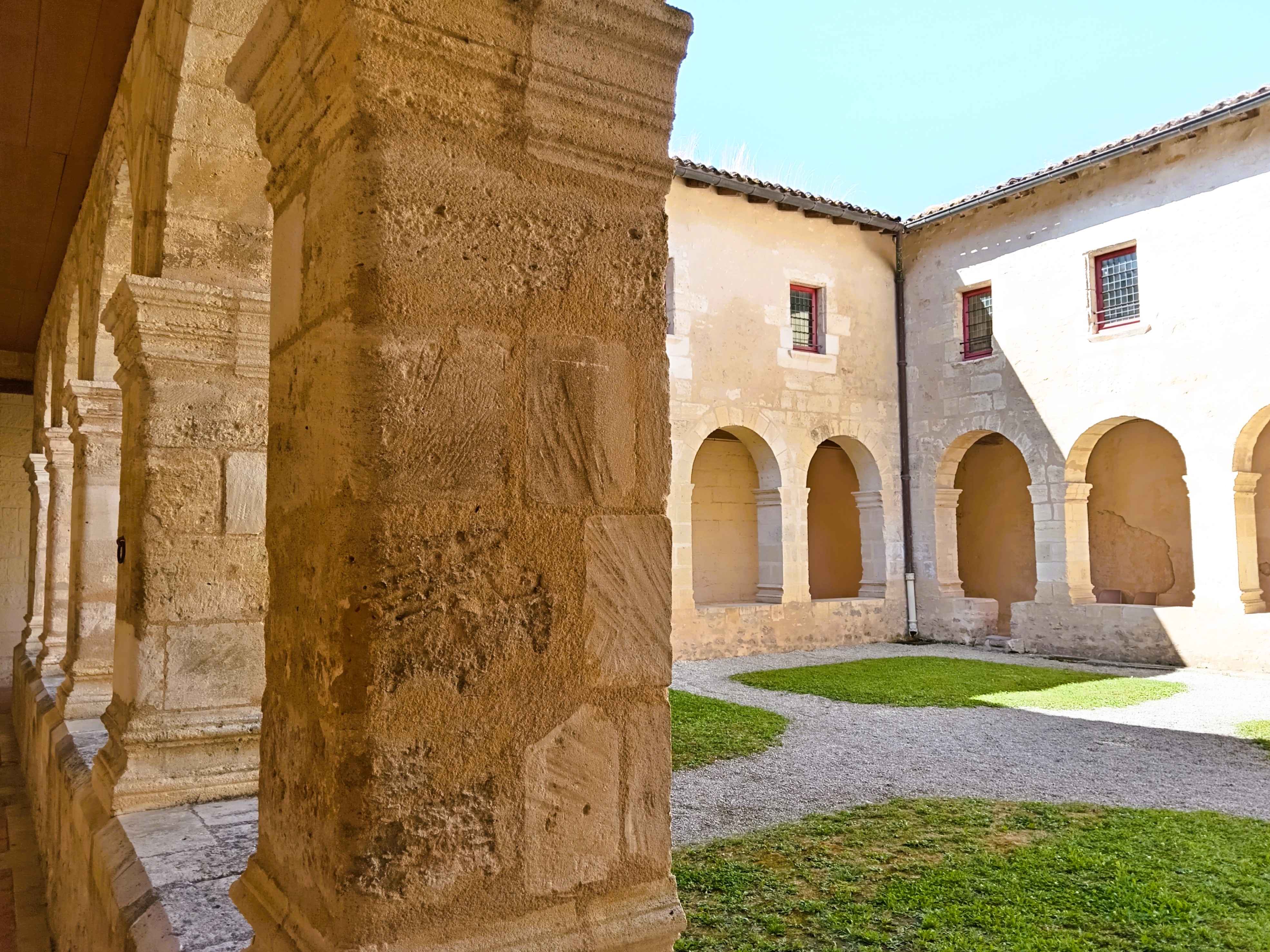
On my way back through the Citadelle I popped my nose ino the cloister of the convent, now part of the hotel.
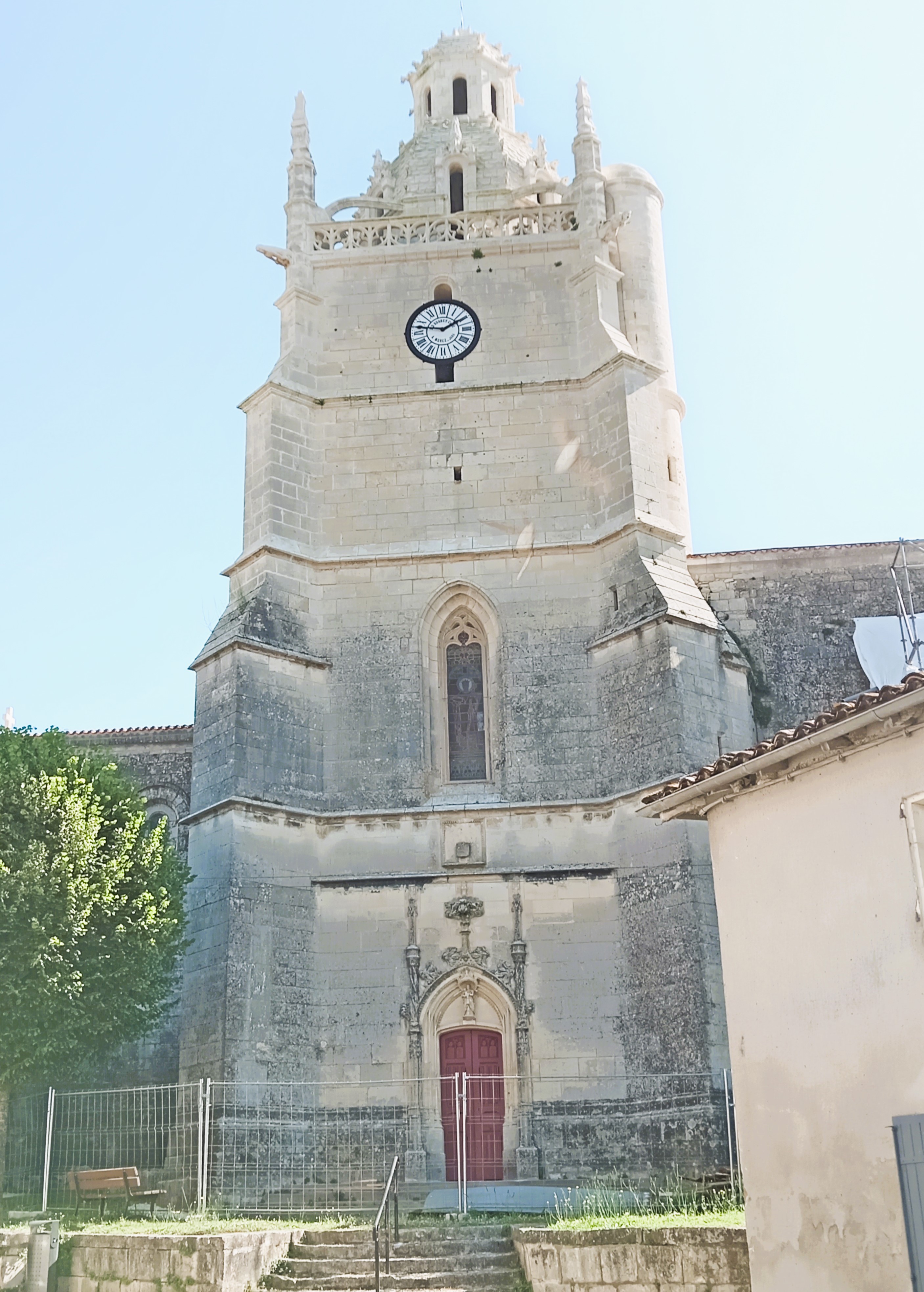
25th. Took the back roads through to Mortagne purposely passing through St Fort sur Gironde where I have made an appointment for next Aptril with a new cardiologist. I was amazed by the well staffed and comprehensive medical centre given the imsignificance of the village and eqqually amazed by the church the cleaned portion of which is blindingly white. But at least I know where I can park when I come back in April.
 capetocarpe