The main event this month is that the roads in my development are starting to be tarred. Such good news there is already evidence of less dust! Photos will follow on my return. For now……
On Sunday 11th there was a brocante at Talmond and the quality of the goodies on offer were in keeping with the 13th centruary fortified village founded by King Edward 1st of England
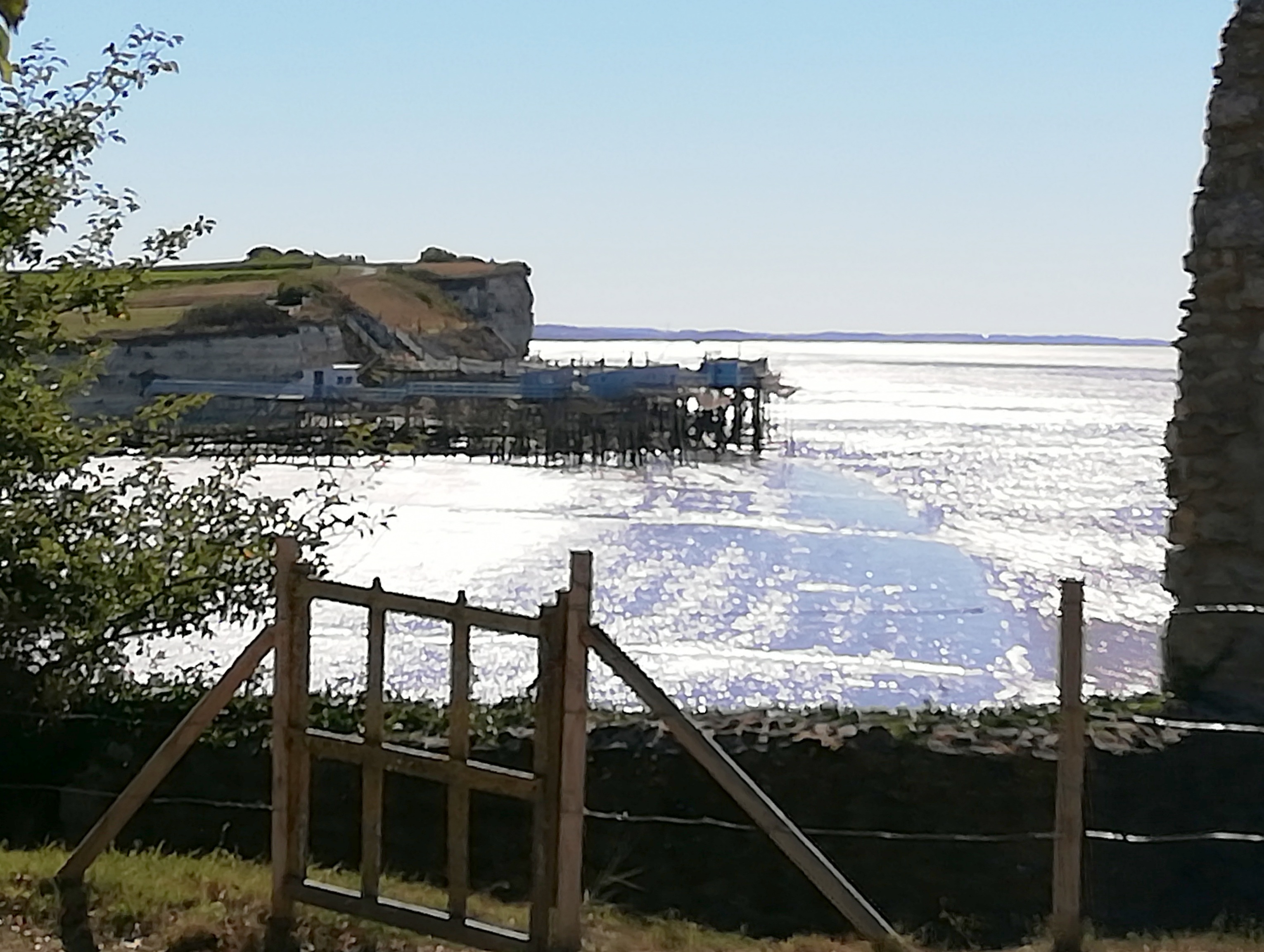
14th I set of at mid day to fill up the van (Ouch!), visit my friend Patti in Le Gau and continue of via St Savinien (where my boat enjoyed its last mooring during my ownership) to Tonnay-Boutonne. I am in search of a good place to park up and do some kayaking. The river at Saujon is but a feeble and muddy stream, most unappetizing.
St Savinien is certainly an option as the Aire is right on the river. The only problem being that there are NO services, no electricity, water, sanitary etc. It is FREE!!!
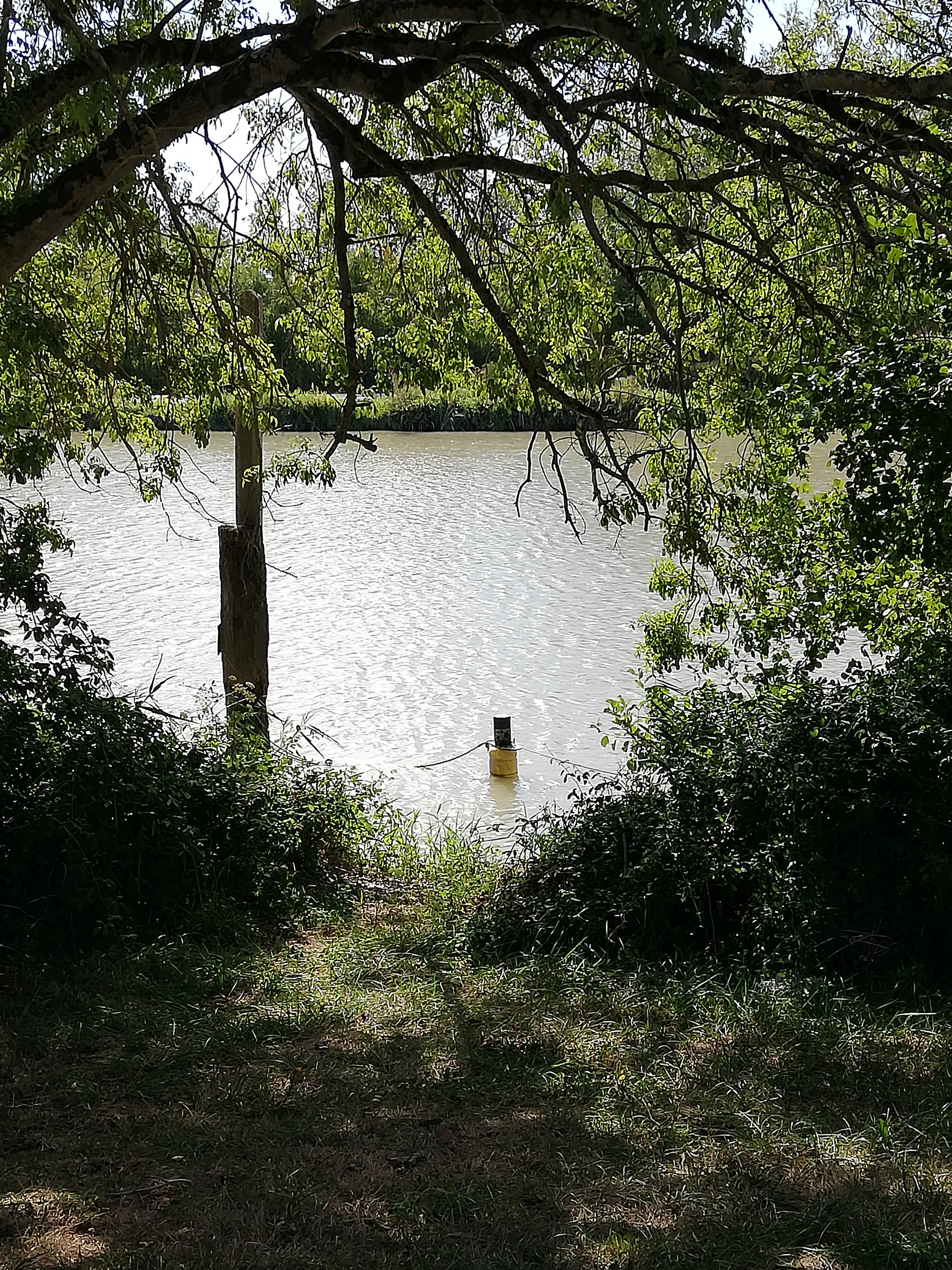
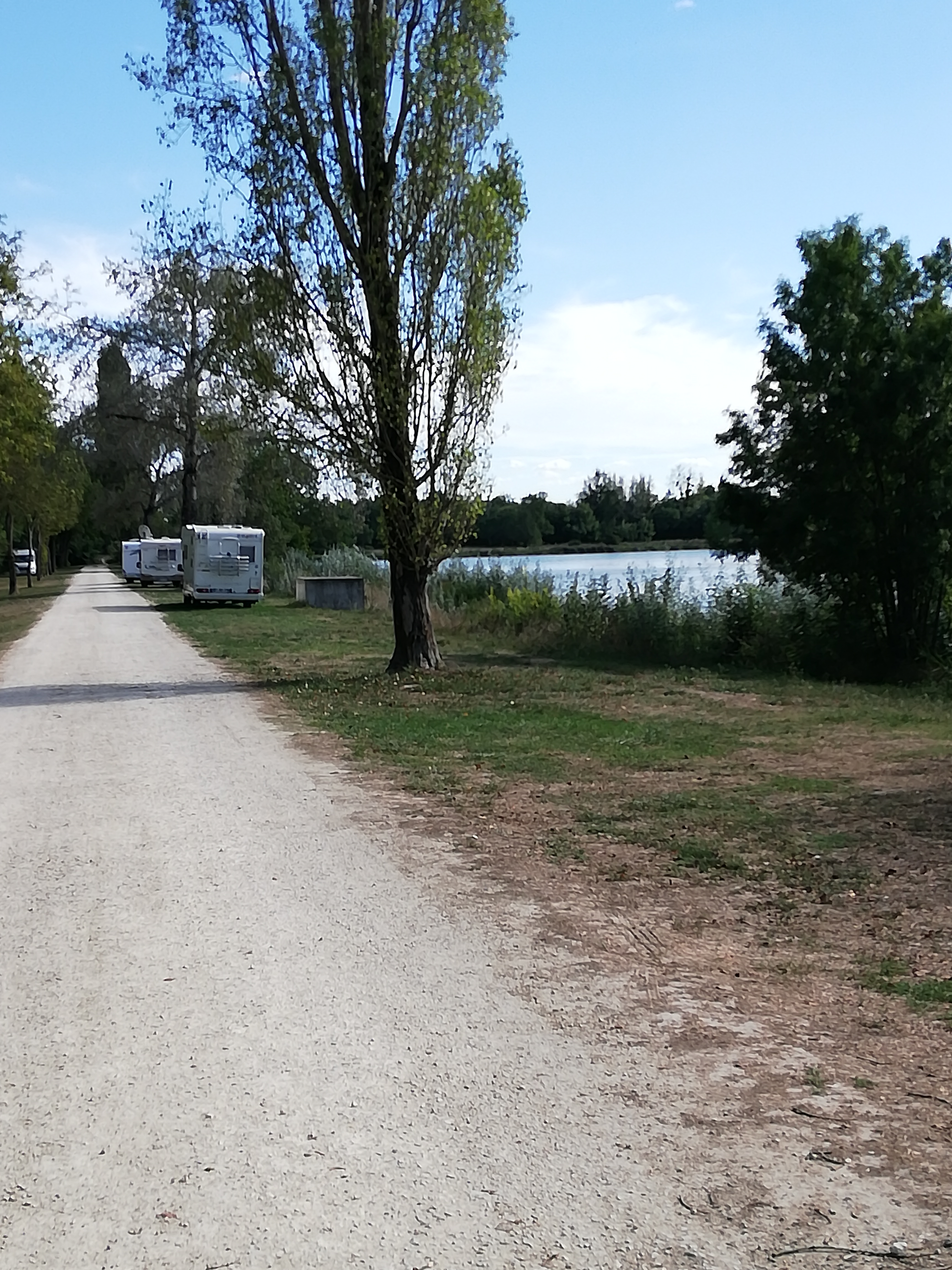
On to Tonnay-Boutonne where the river has a healthy amount of water in it. There is a new commercial Aire where I am spending the night. It is brand new, has both shaded and sunny pitches but not much else to recommend it. There is the necessity to haul the kayak over roughish terraine for a good 100 meters before you reach the river.
However just down the way is the Municipal campsite, cheaper and closer to the river it also has showers and loos (Super)
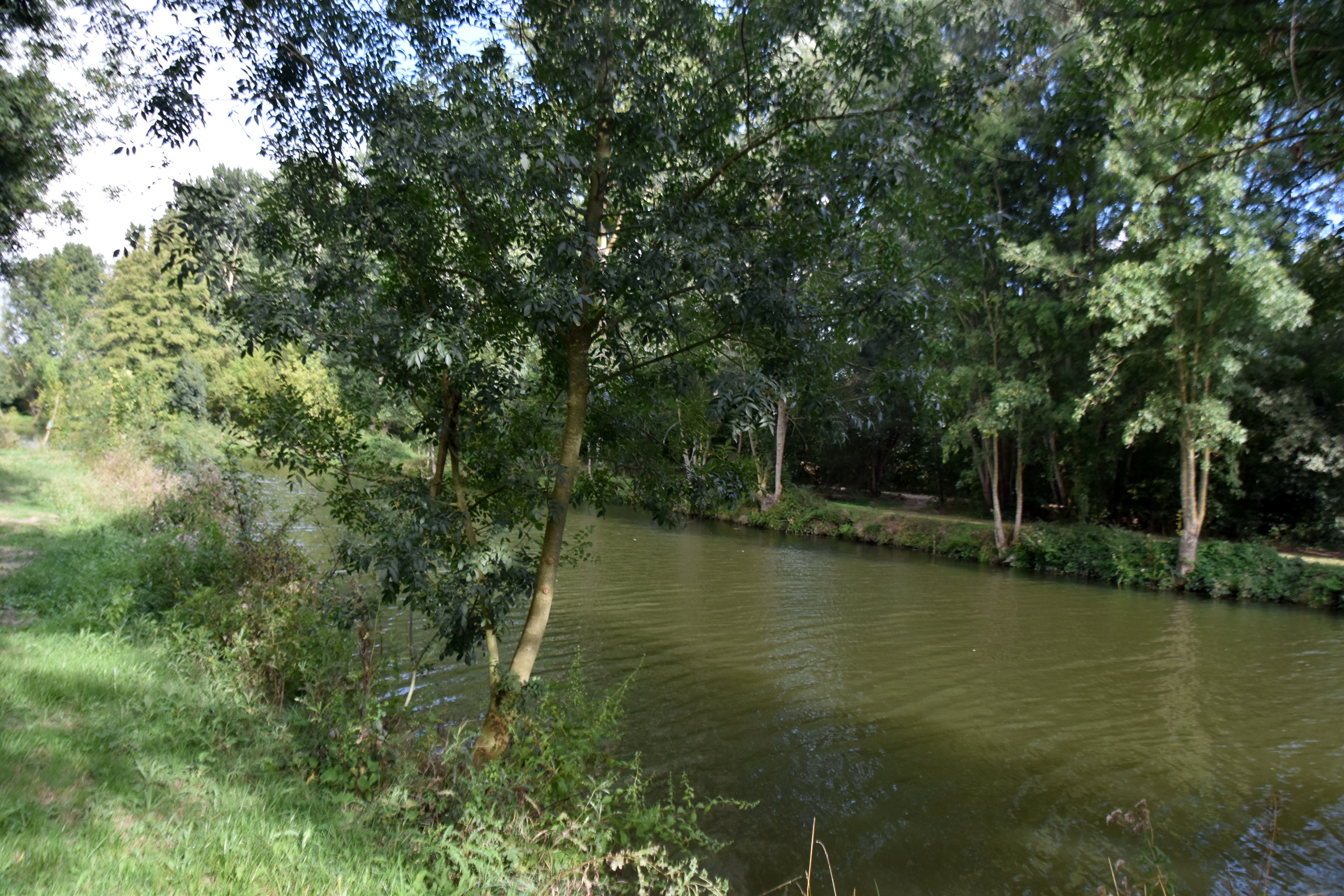
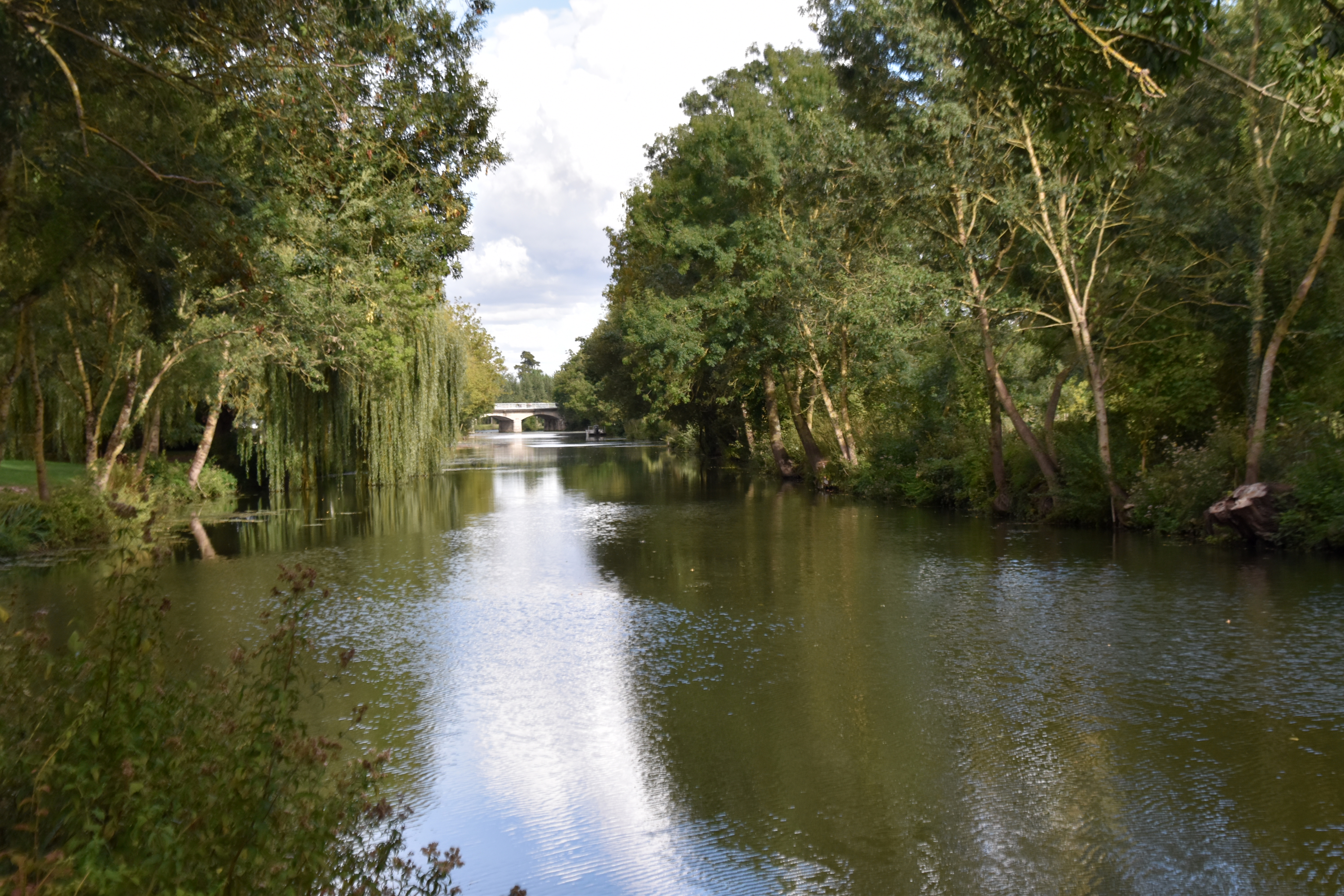

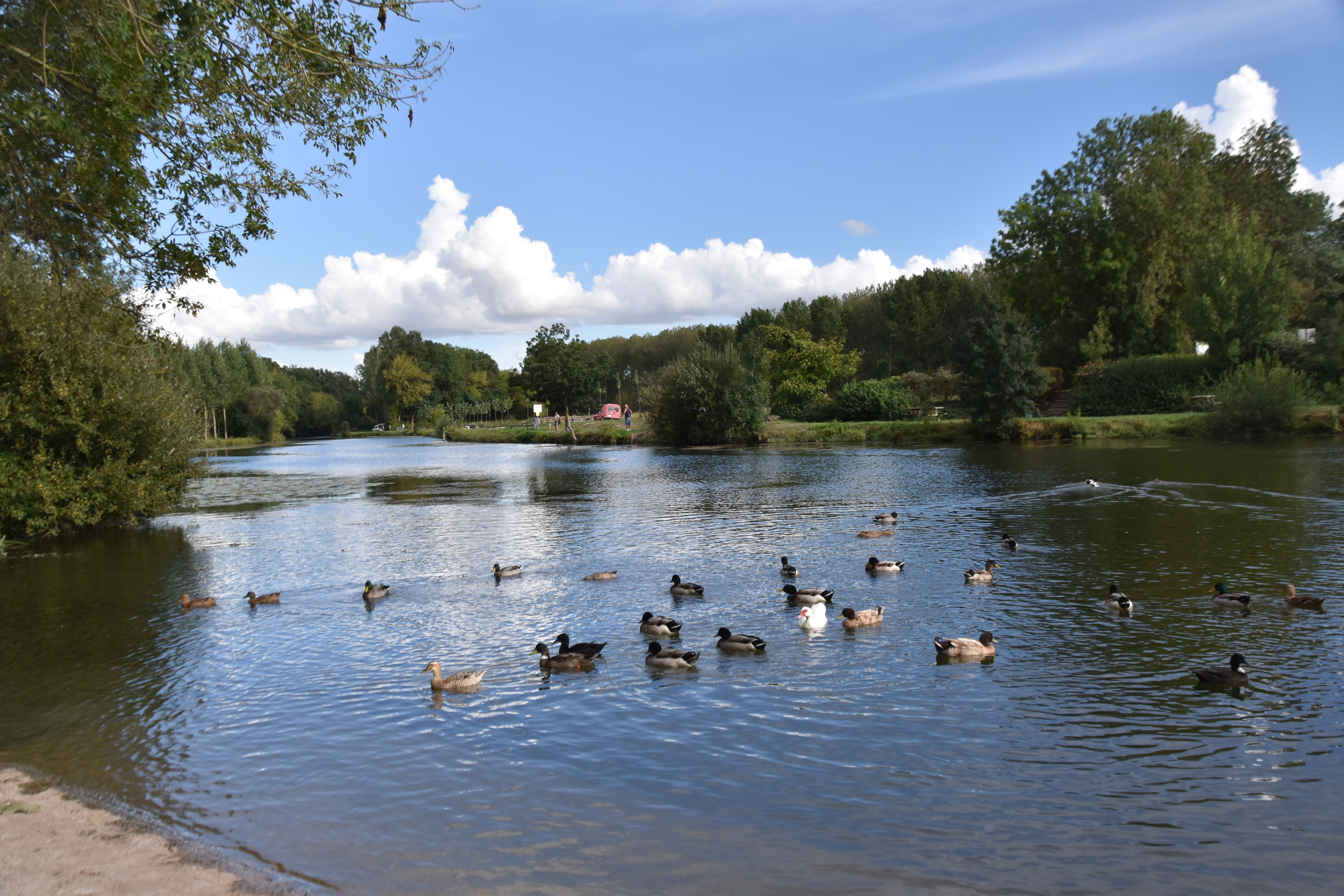
15th. On an overcast morning we took a long walk along the river bank to the Barrage and Lock, L’Houmée.
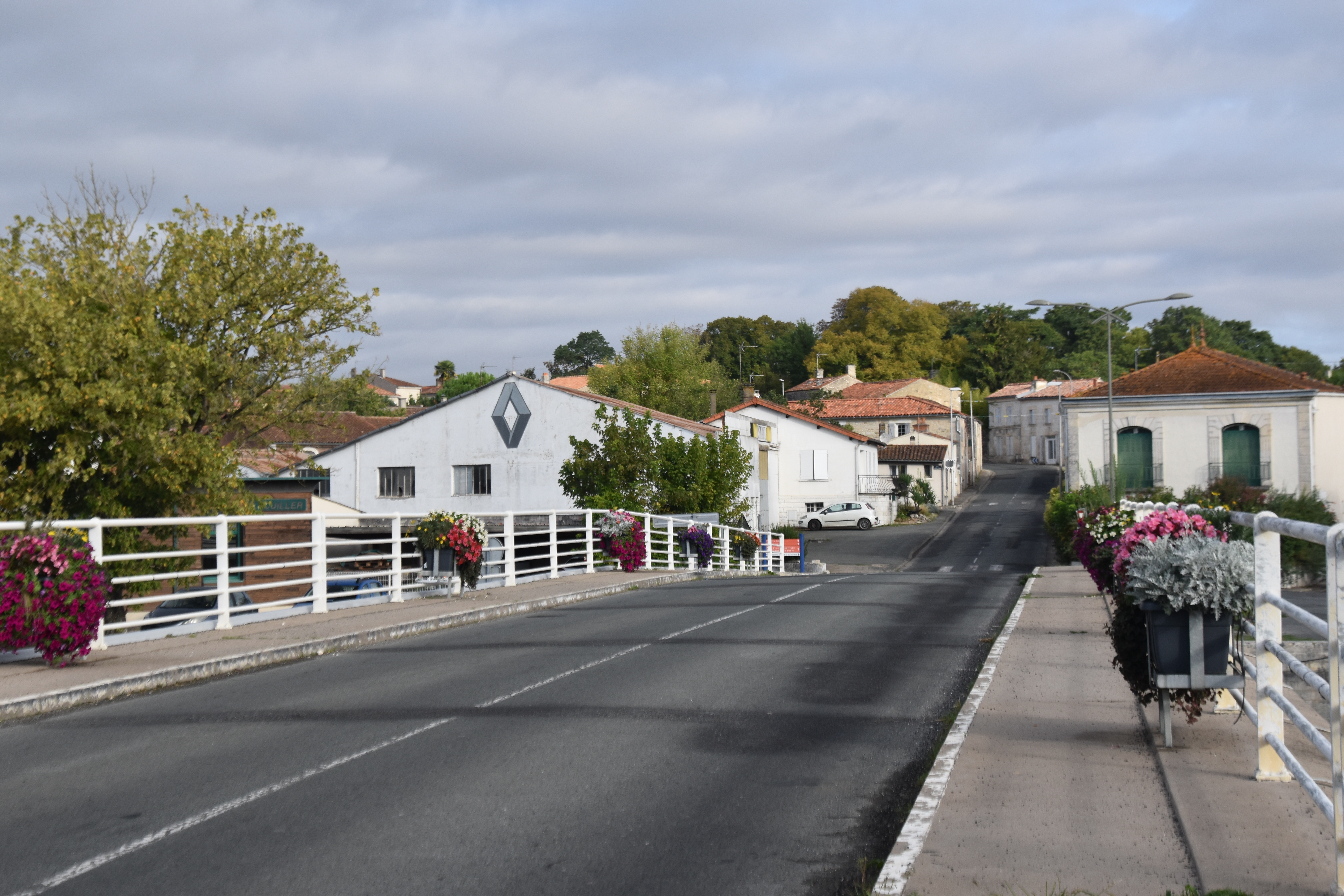

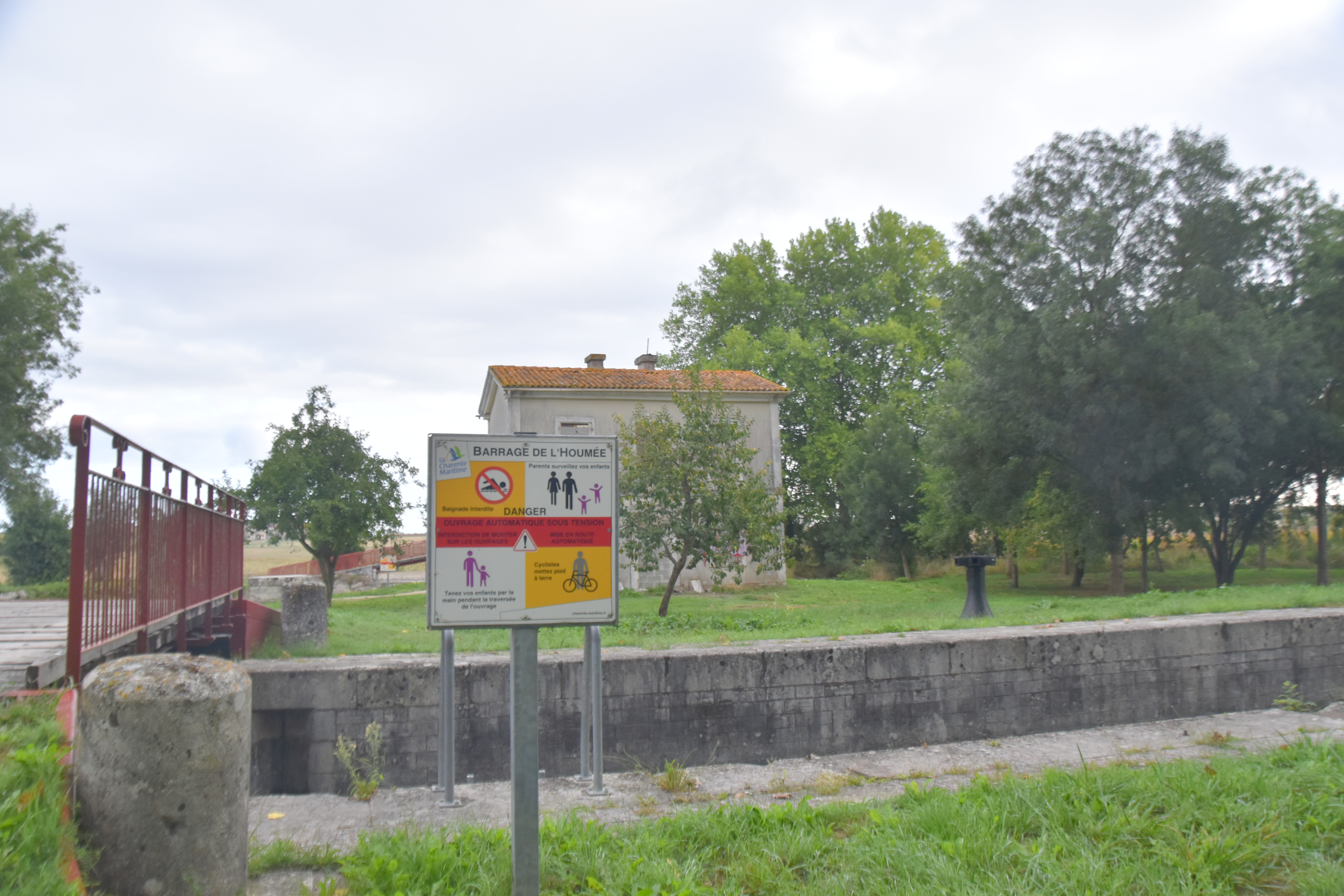
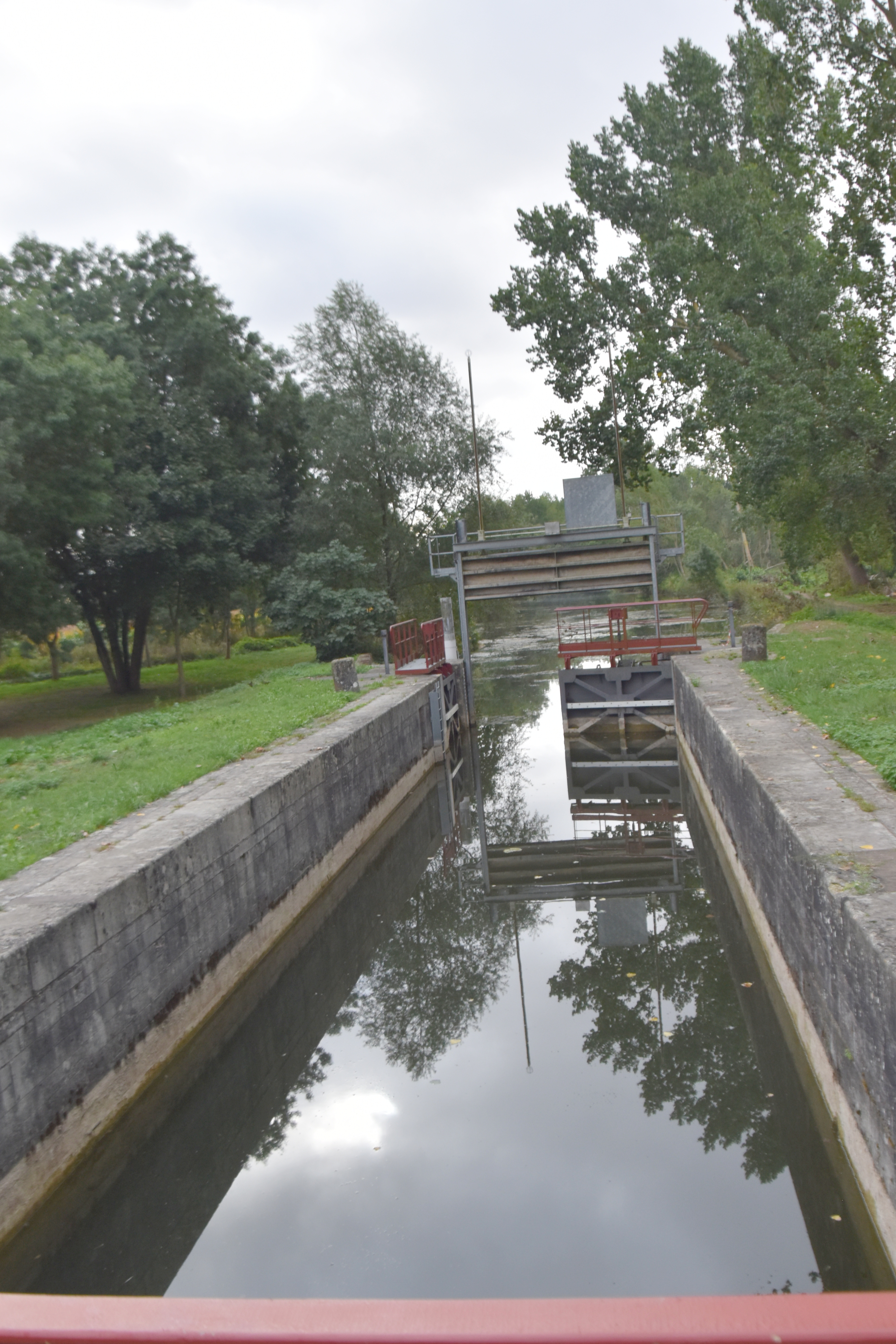

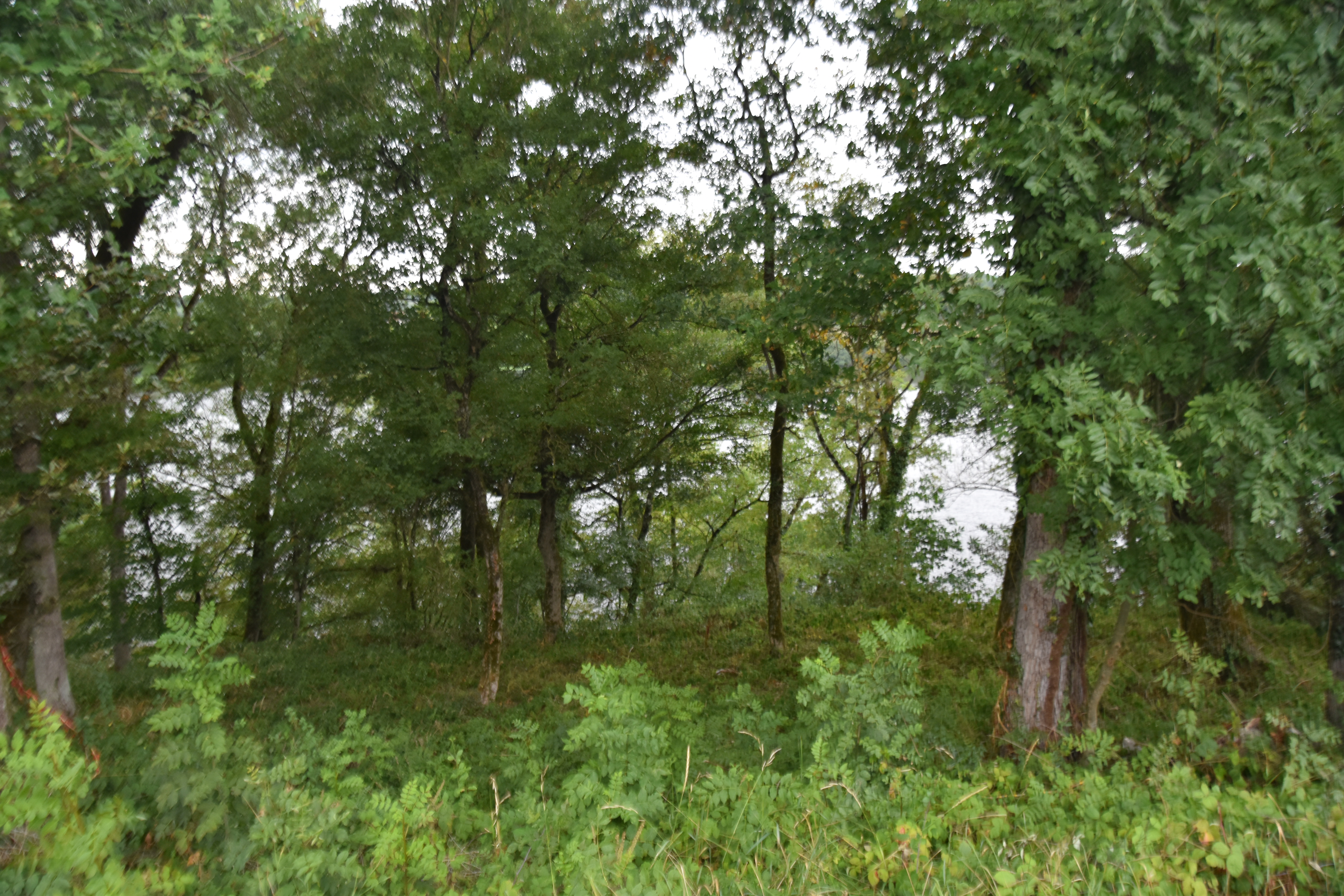
In the afternoon we set off for L’Isle Jourdaine. The Aire was on the hill above the lake so no easy access from there to the water. This is the tree obstructed view from my pitch!
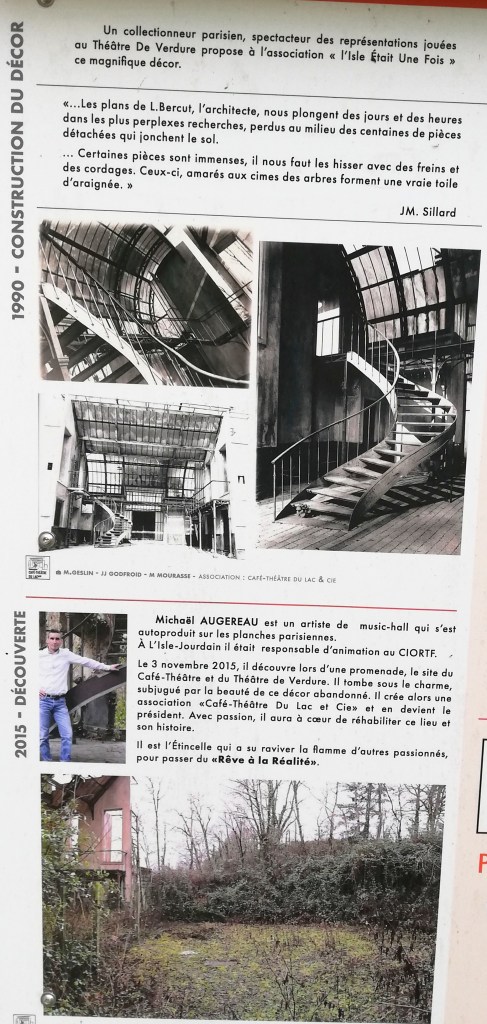
An afternoon walk revealed story boards of the history of a Cafe/Theatre that was “discovered” in November 2015 as an abandoned ruin. Money was raised (Euro 9650) volunteers were recruited, work was undertaken and the facility was opened. It must has burned brightly as a lively spot for a brief period. No doubt killed off by Covid it has now gone full circle and reverted to nature.
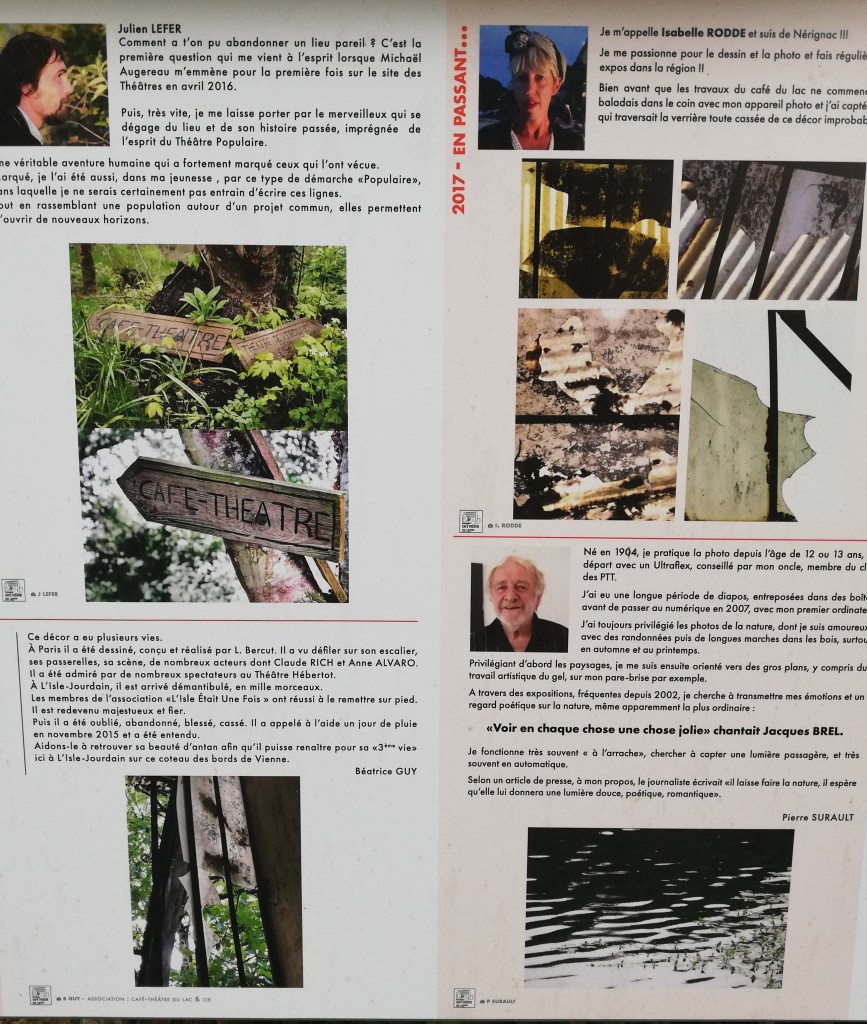
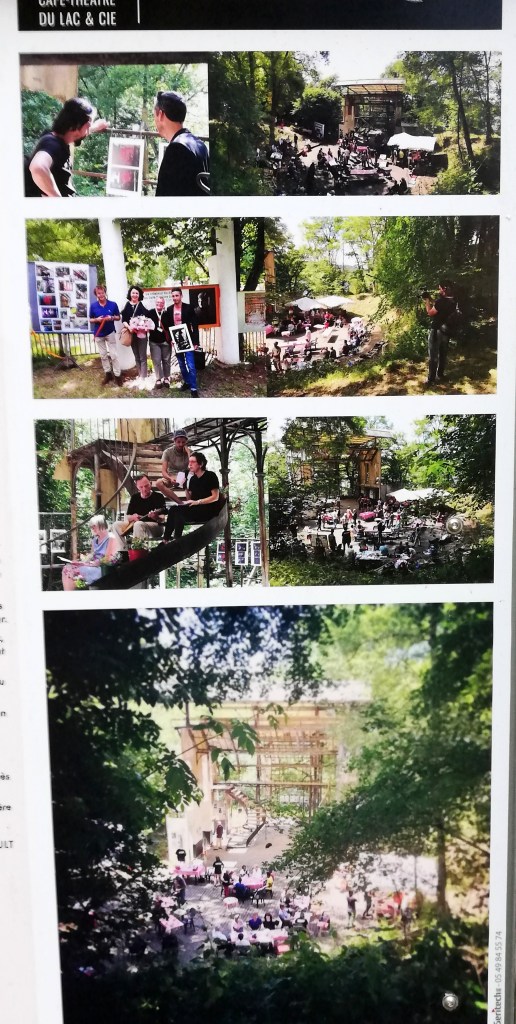
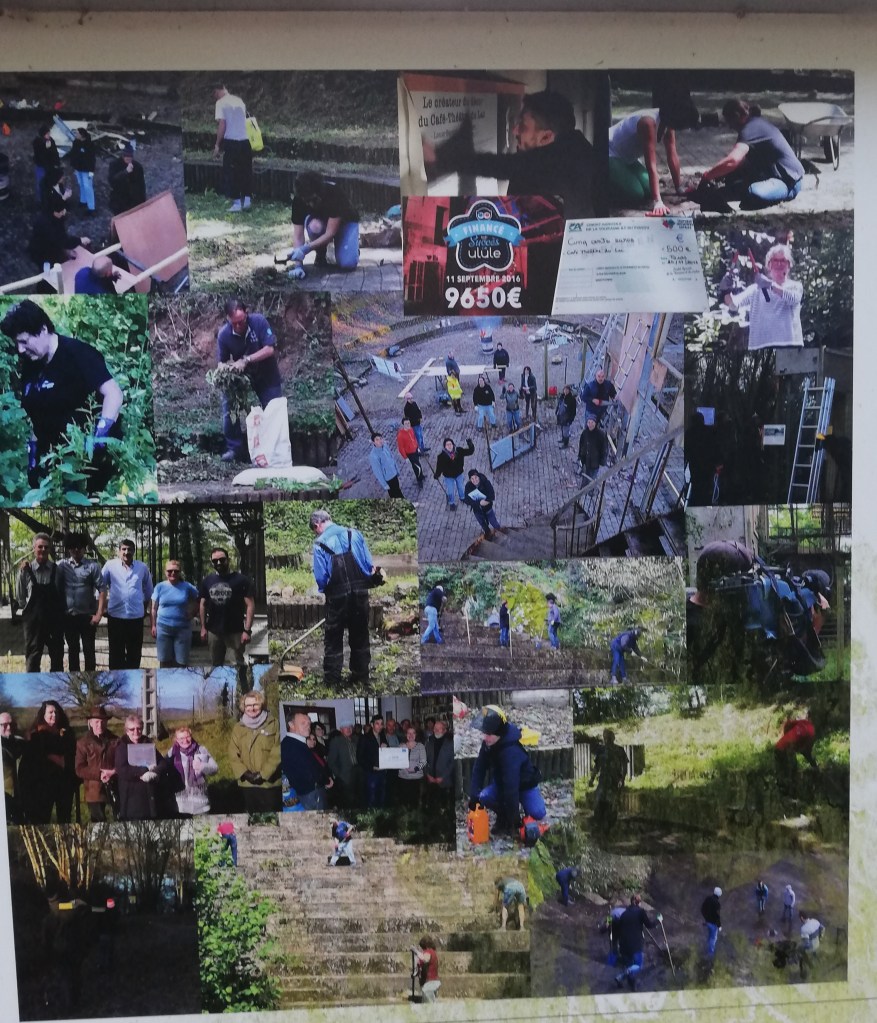

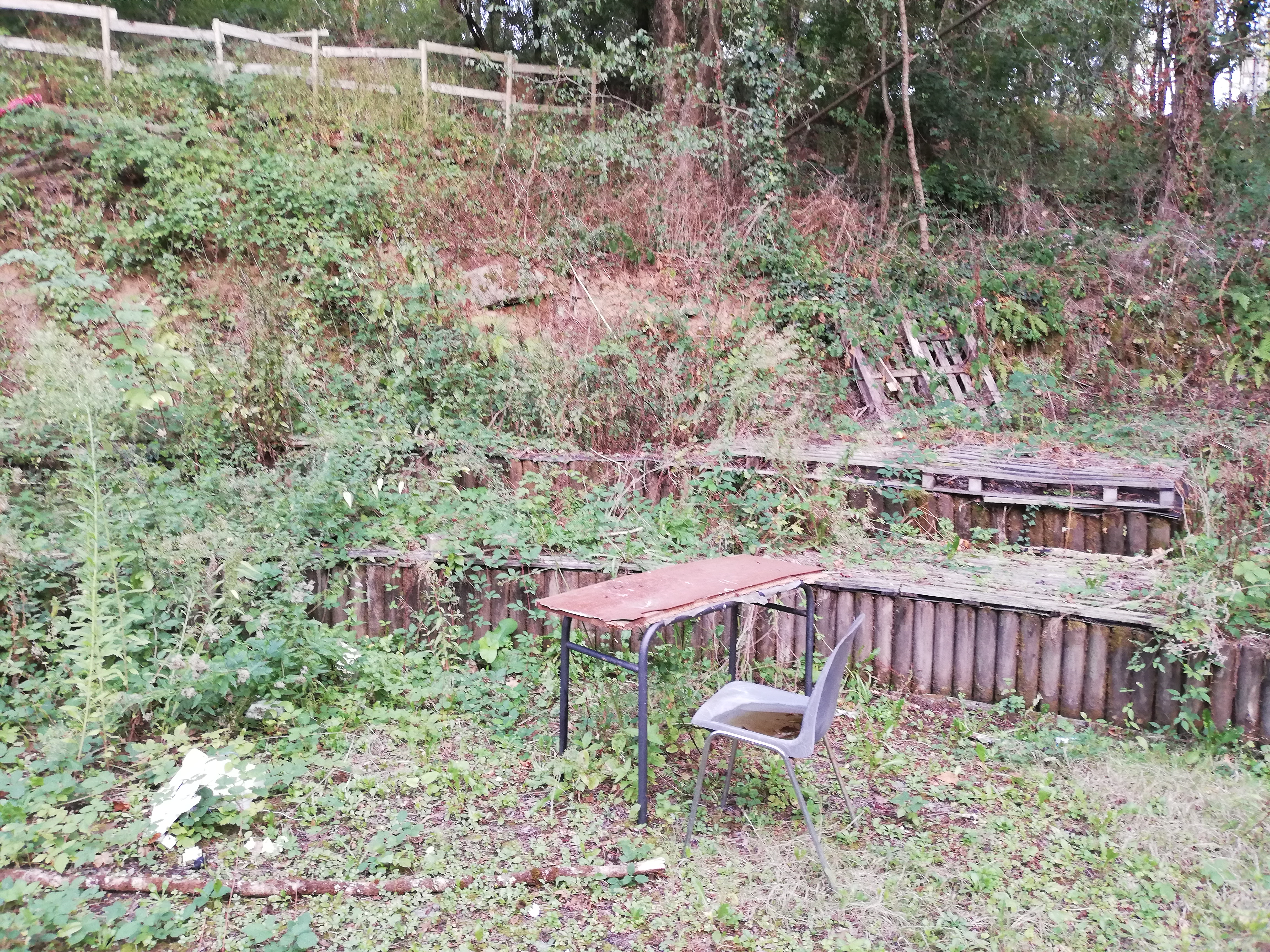
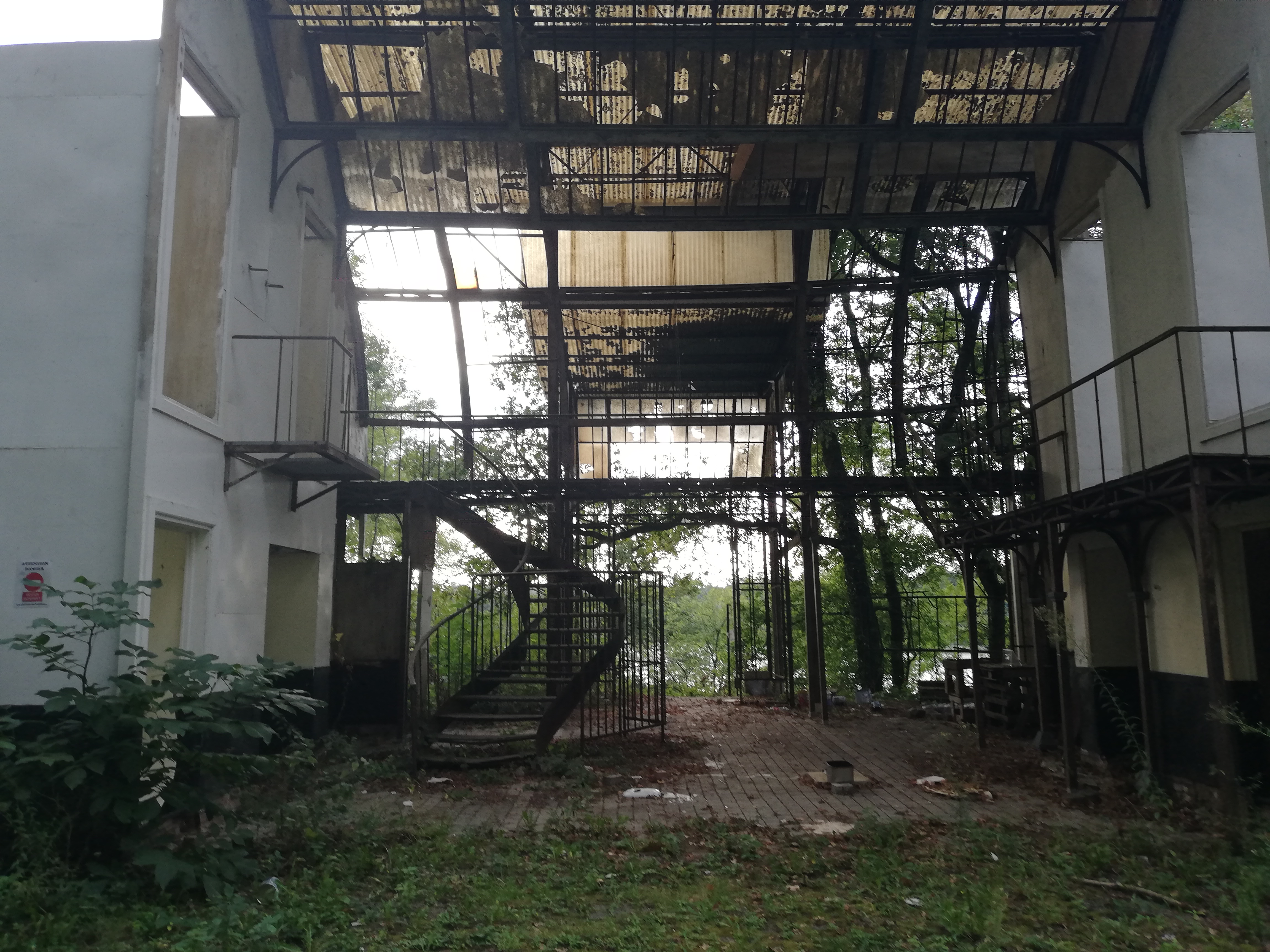
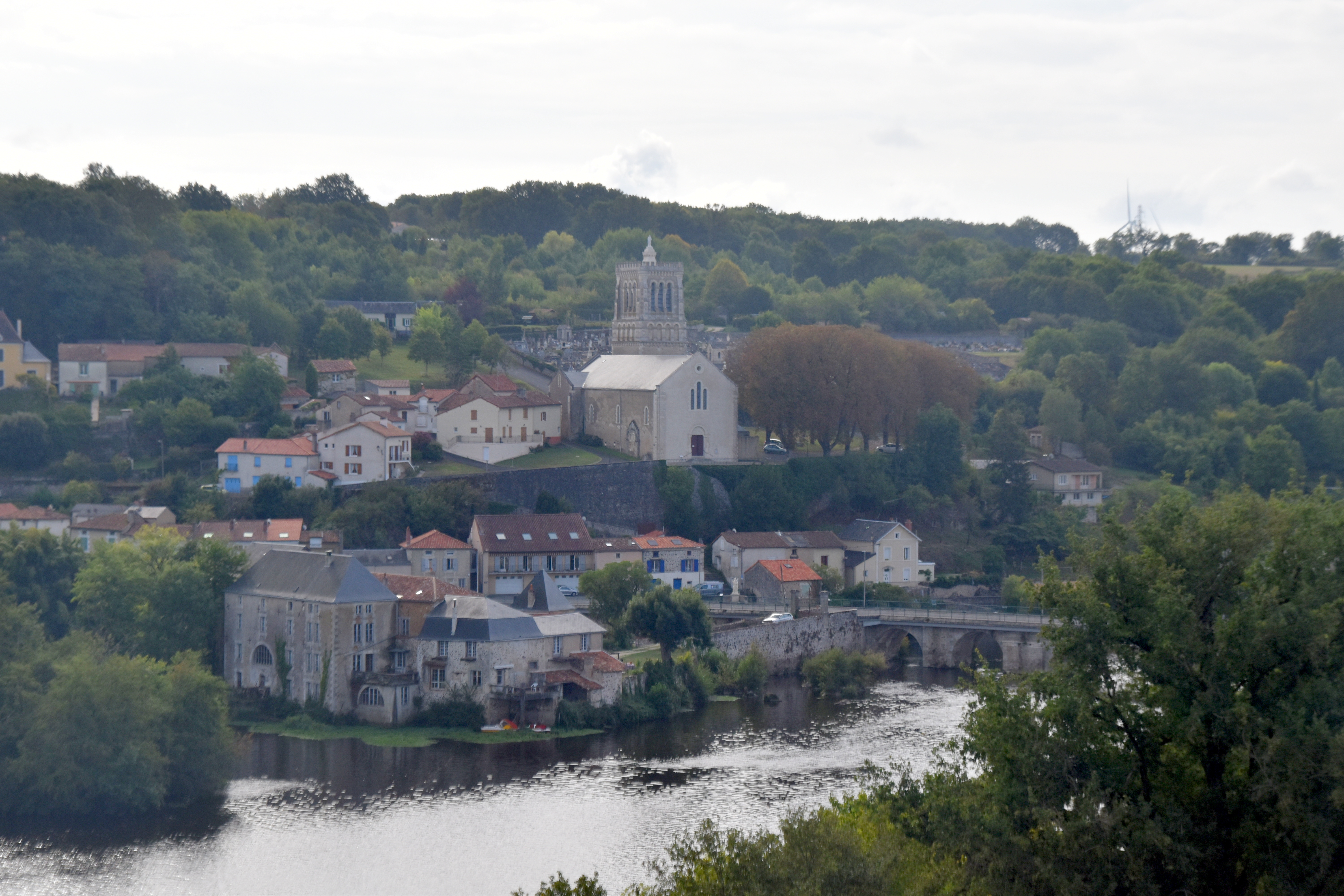
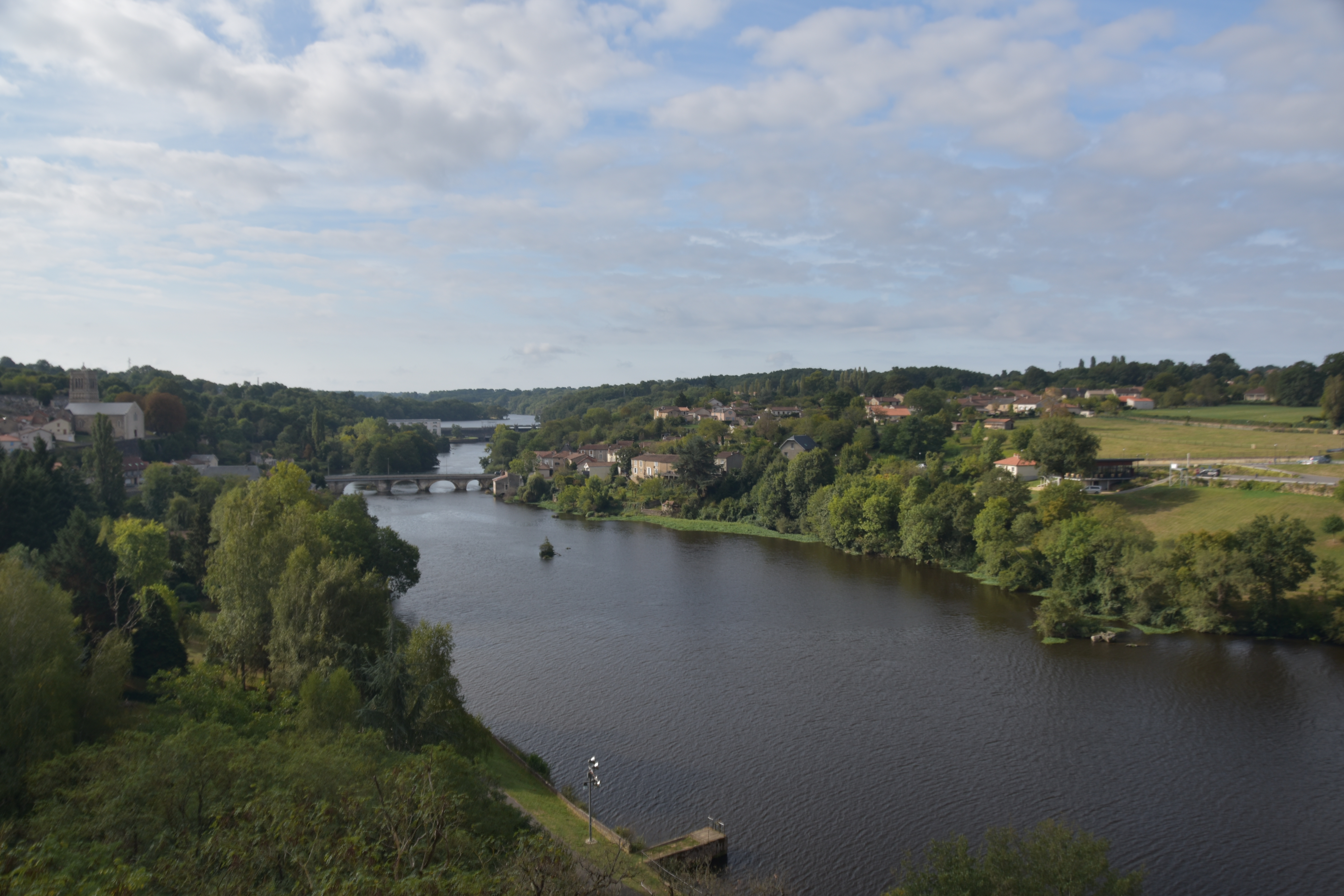
Past the Theatre, further down the slope there are views of the lake and the hydro barrage.
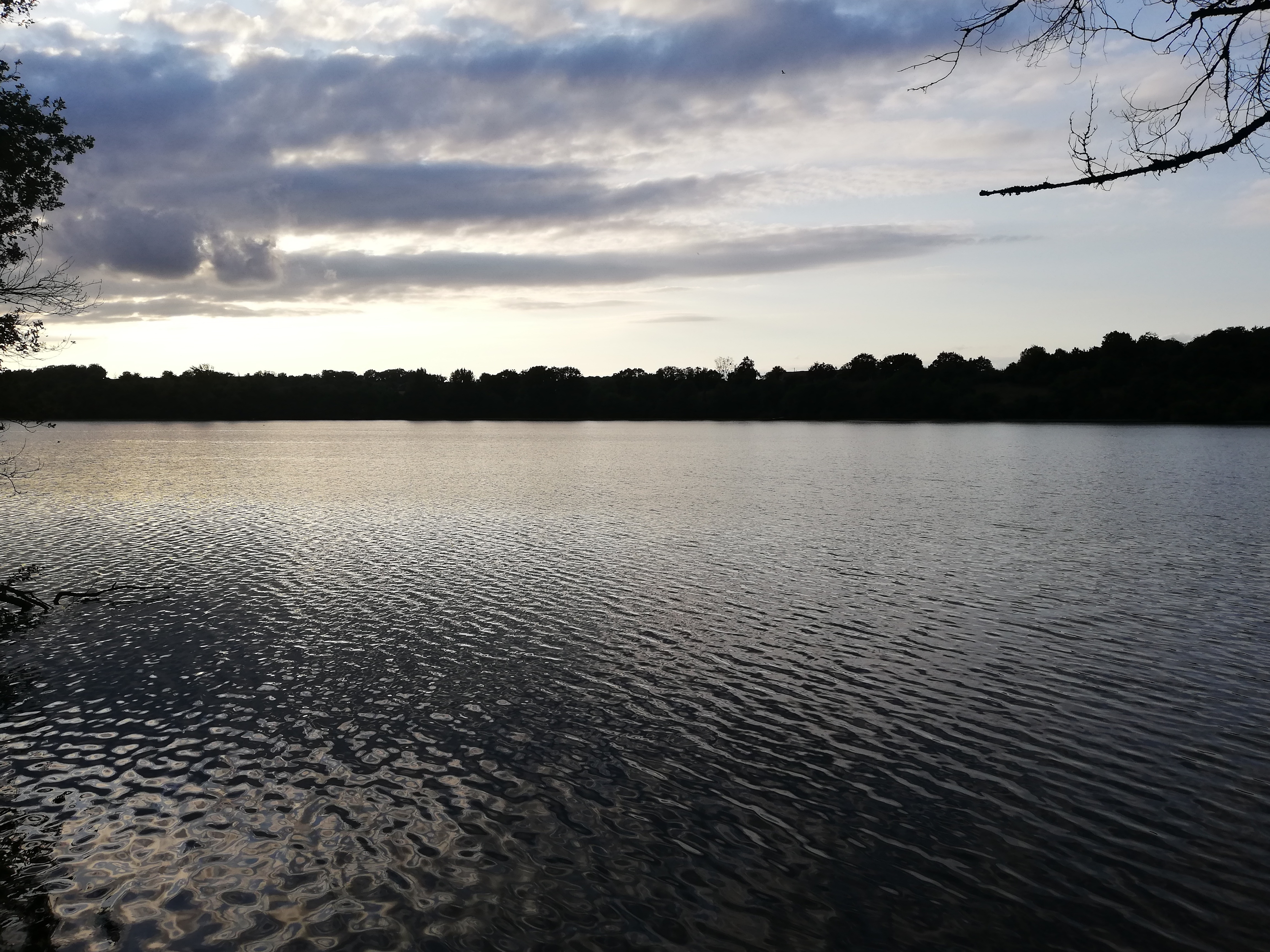

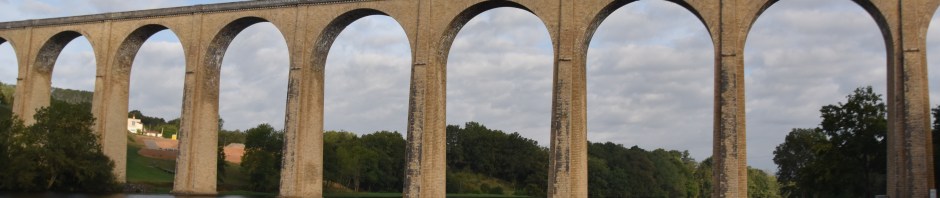
16th. This morning we walked along the lake into town with superb views of the viaduct.
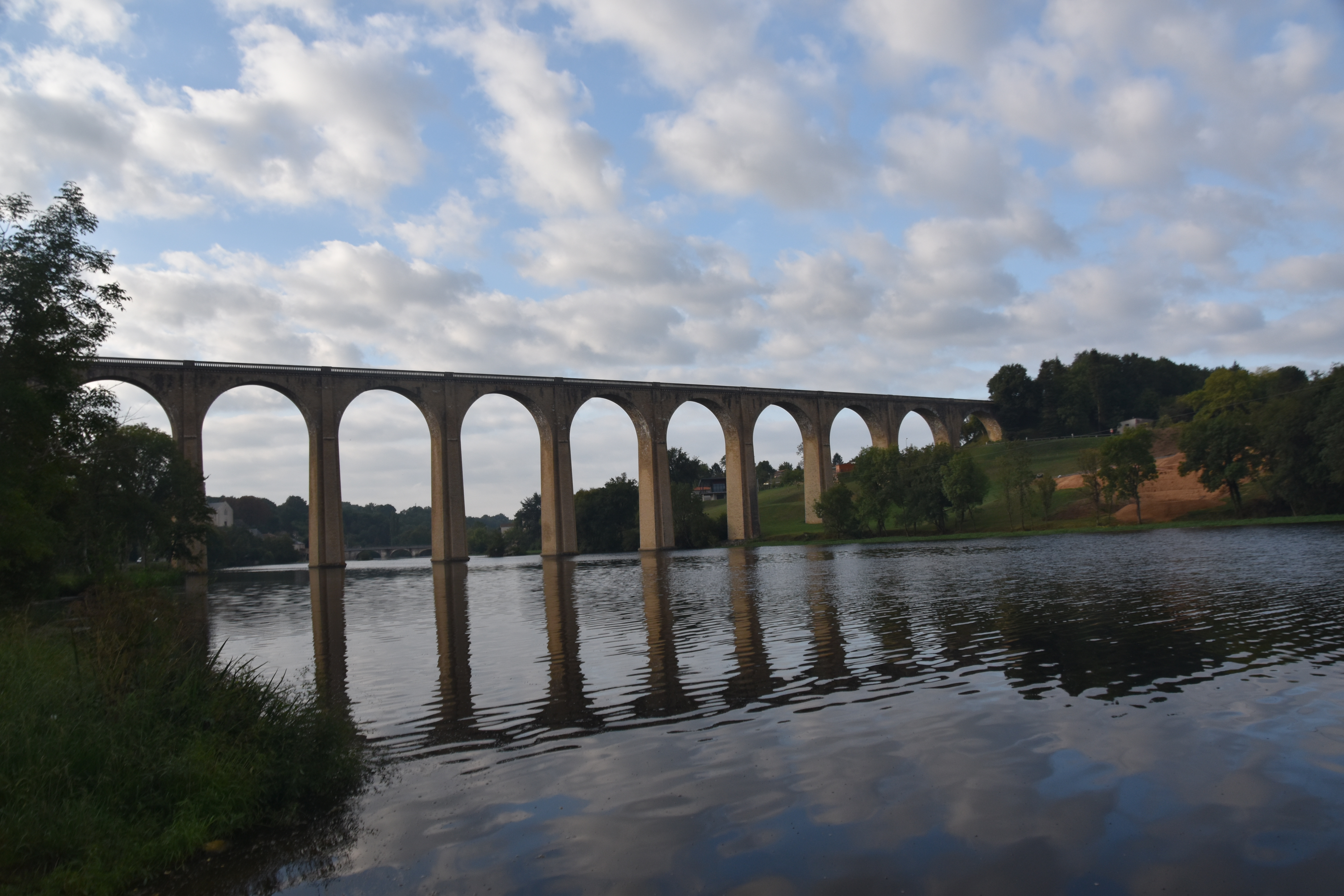
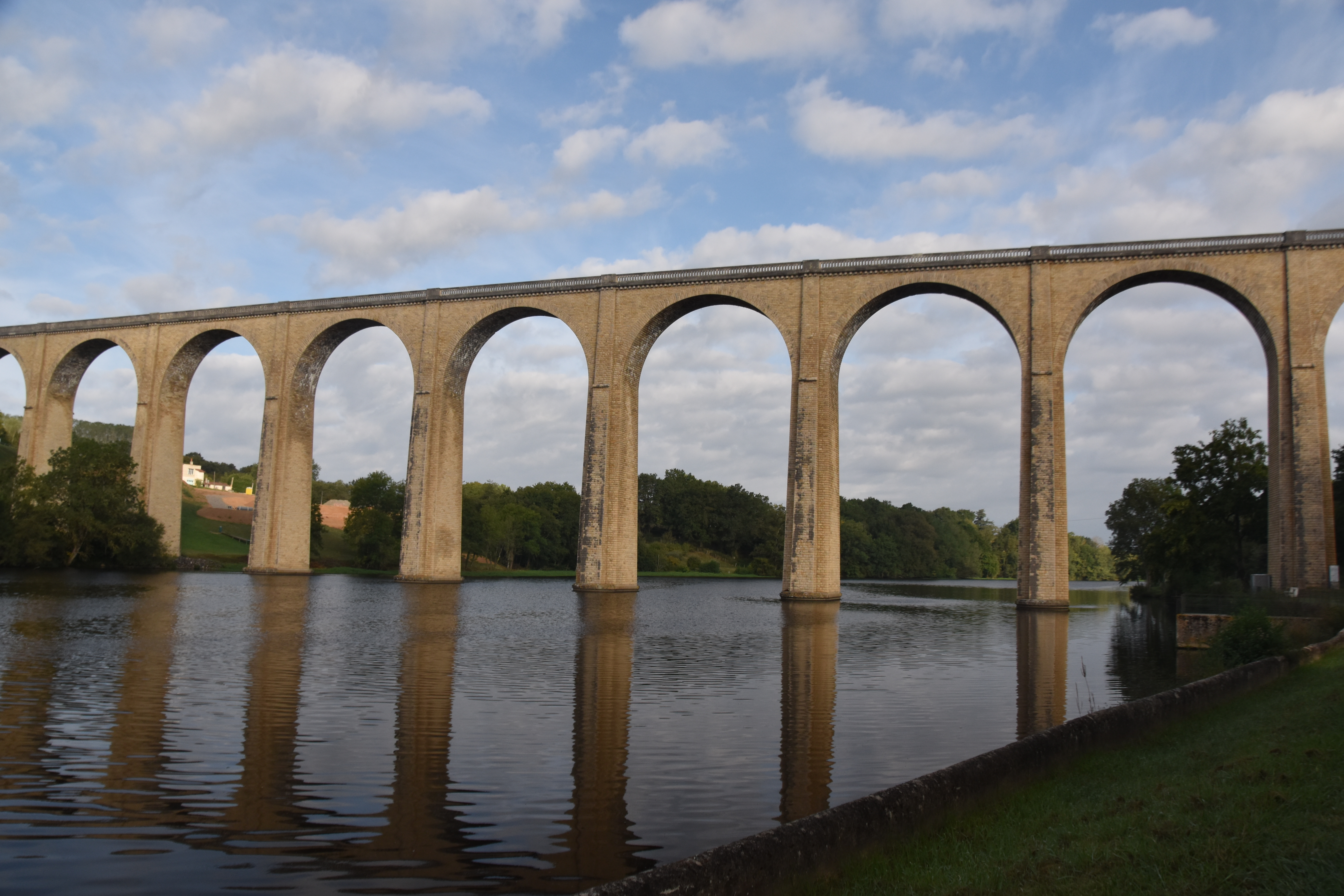
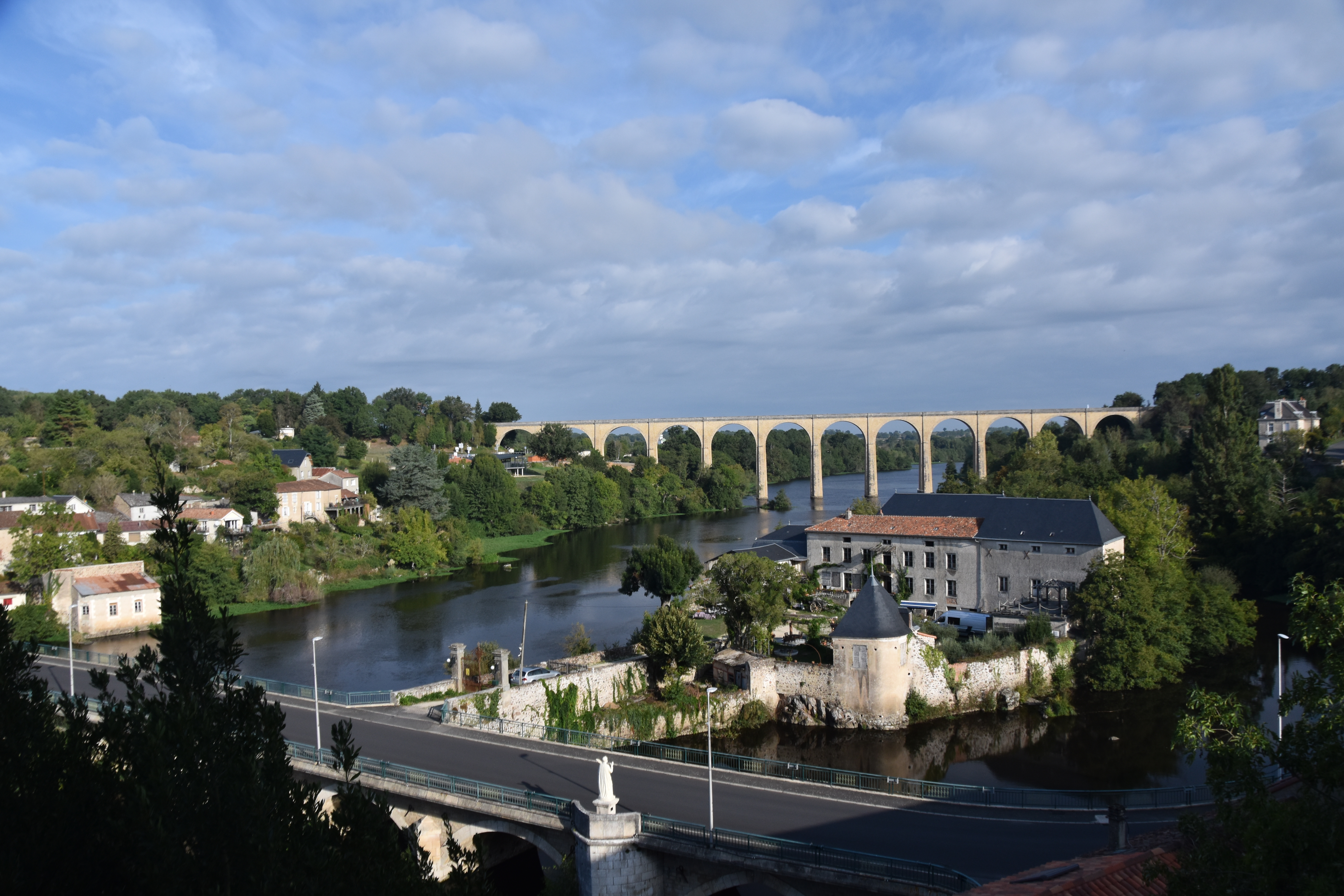
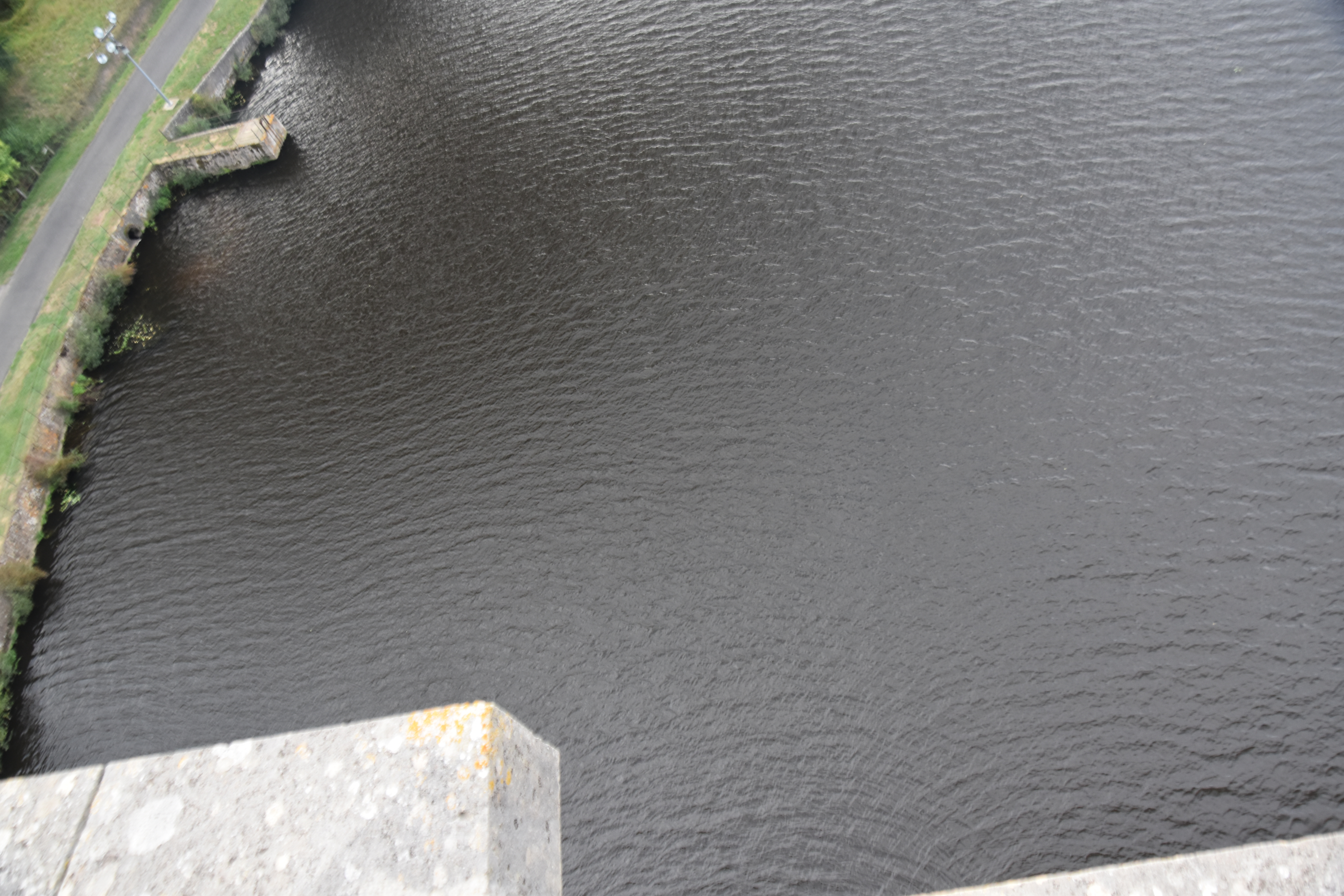
It is possible to walk across the viaduct which hosts bungee jumping in the season and has a couple of zip wires running across the river and under it. From the top there are good views in All directions, including down!


It has turned cooler today and I have decided to stay put as I will be up dating portfolios tomorrow.
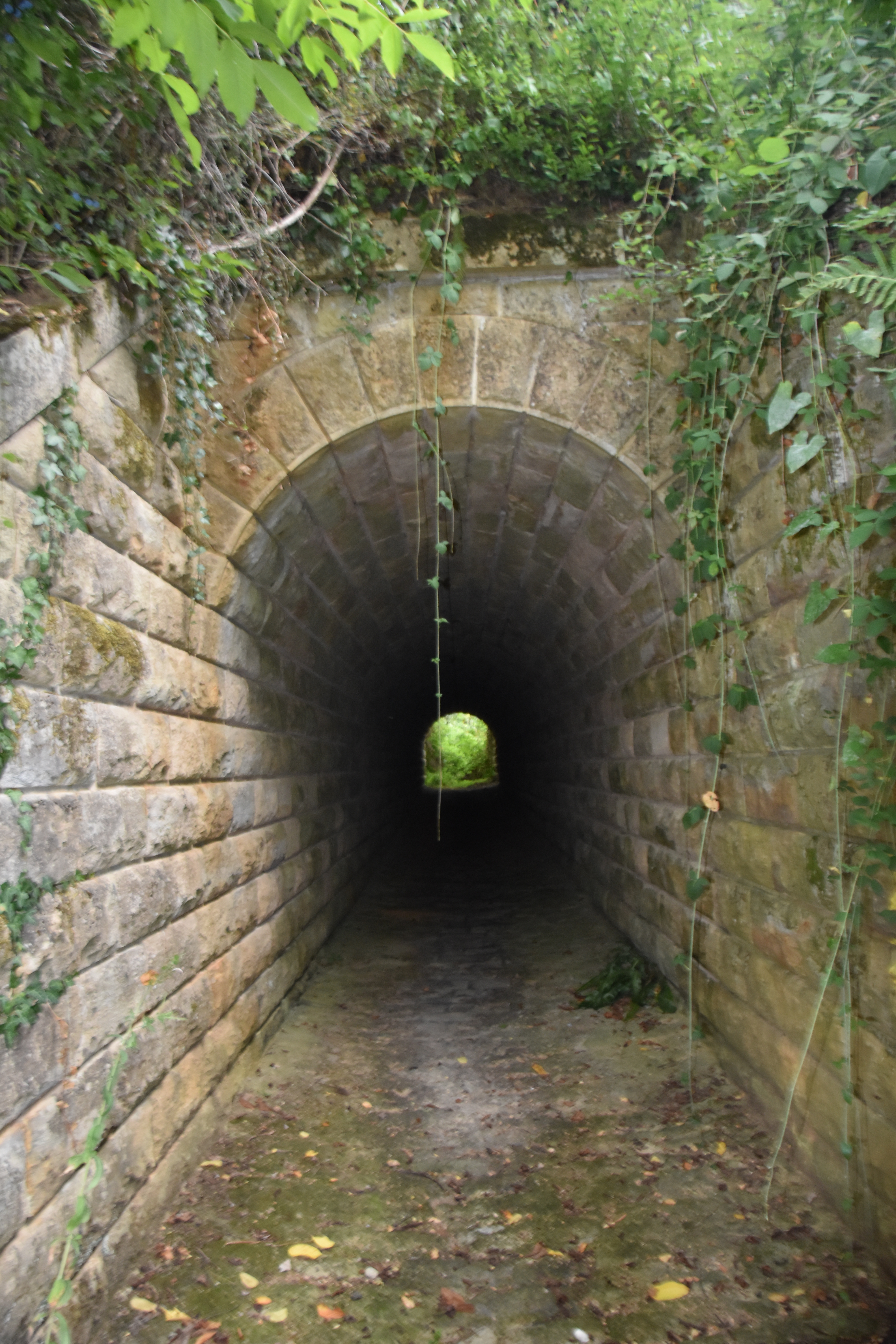
This afternoon’s walk revealed a possible platform and a definite stone tunnel of the size to accommodate a single railway line. Further evidence of the historic presence of a railway in the area. France evidently had their own “Beacham”
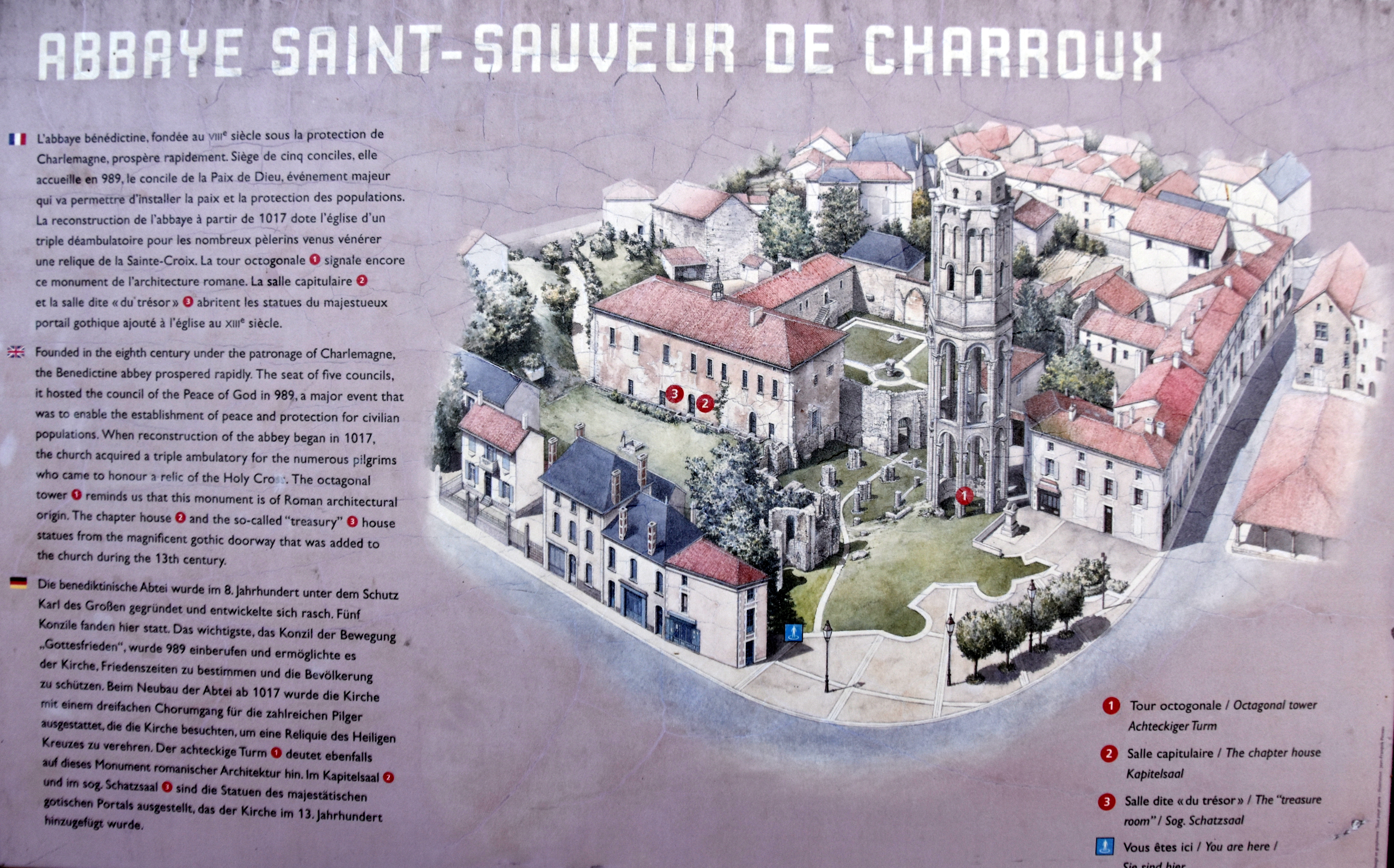
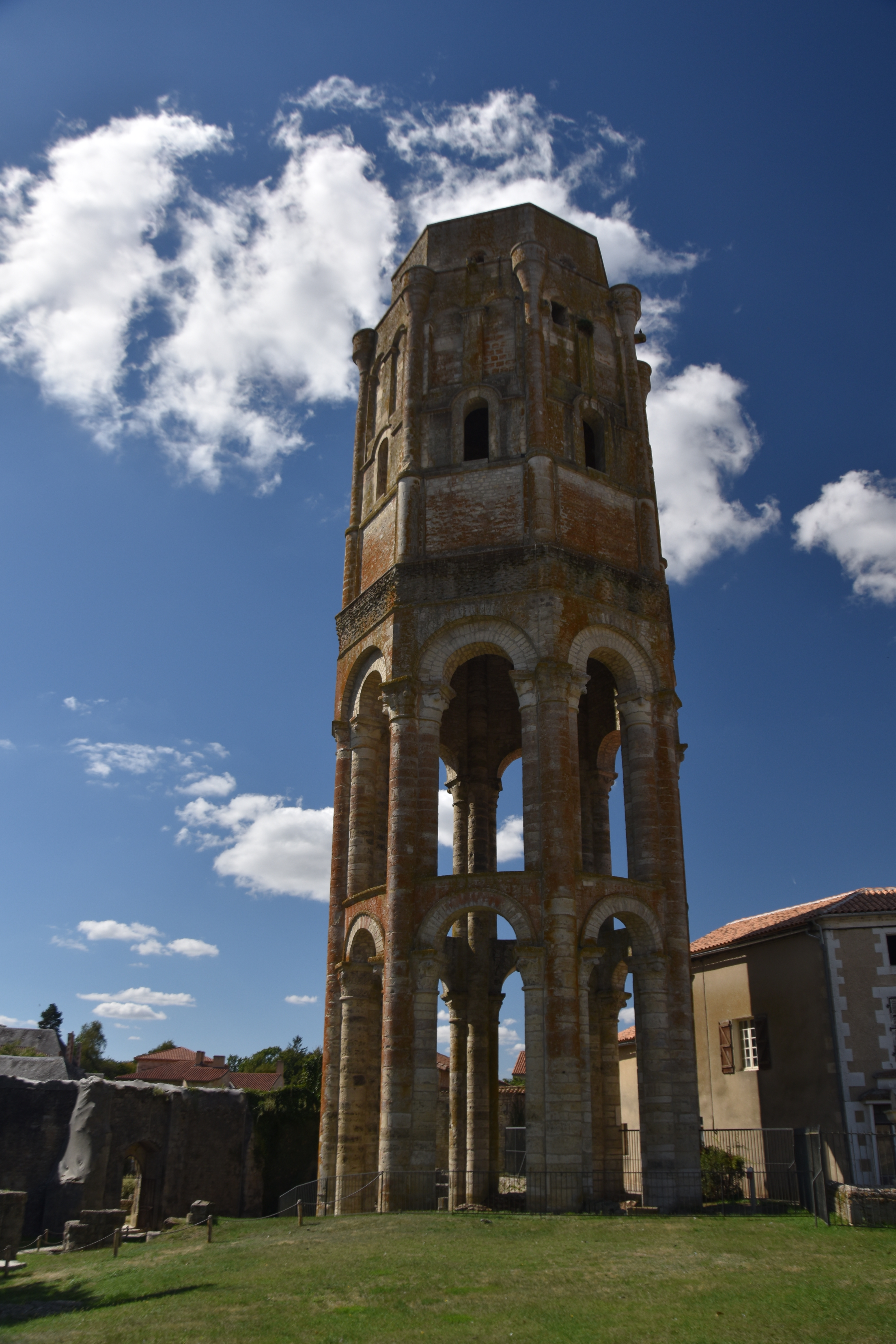
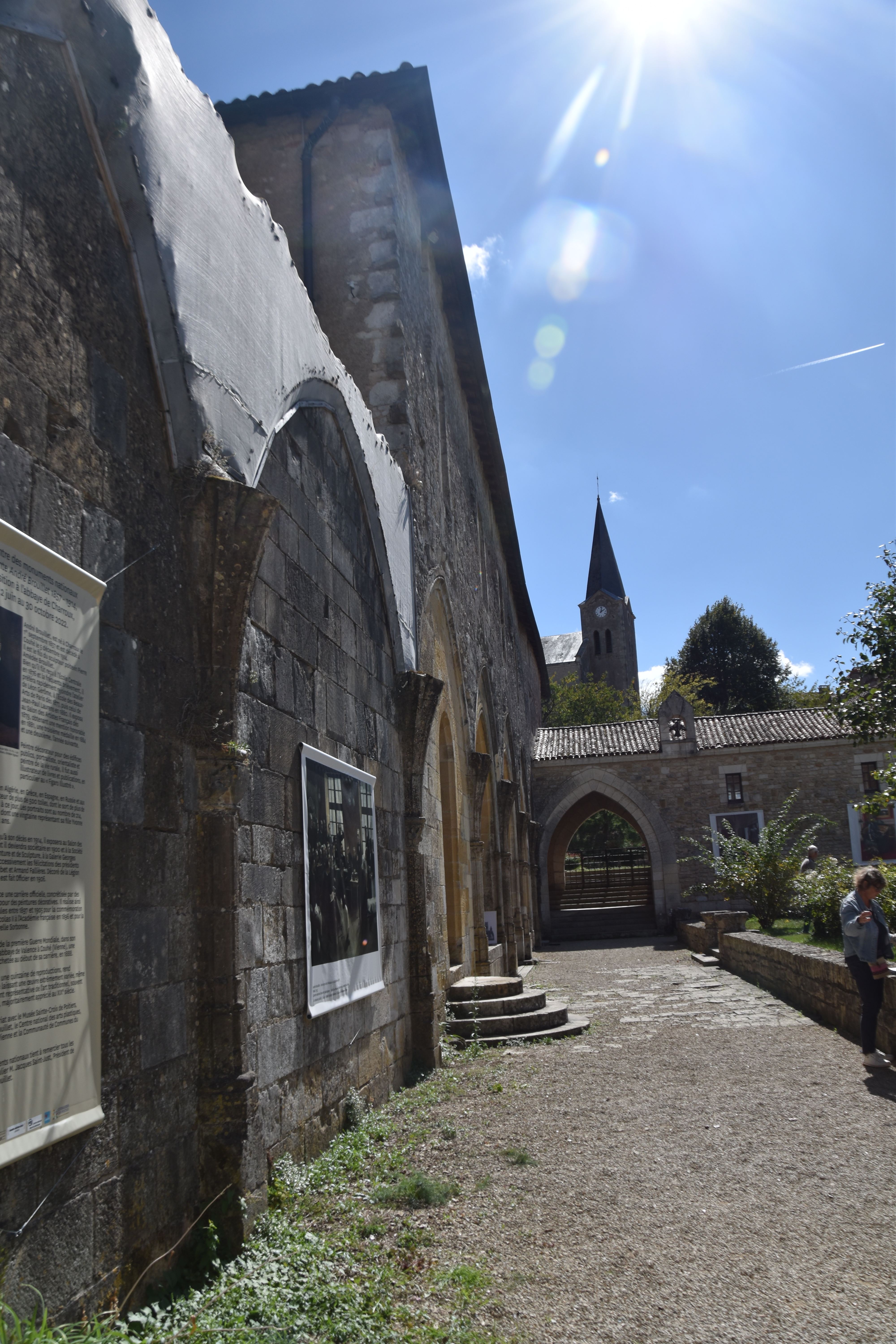
17th After catching up on a bit of work in the morning we moved out around mid day with a brief stop at Charroux to view the C10th Abbay and Charlemagne tower. The Abbay is a complete ruin and only the feet of the missing columns give a sense of its previous grandeur. There is also a large medieval covered market.

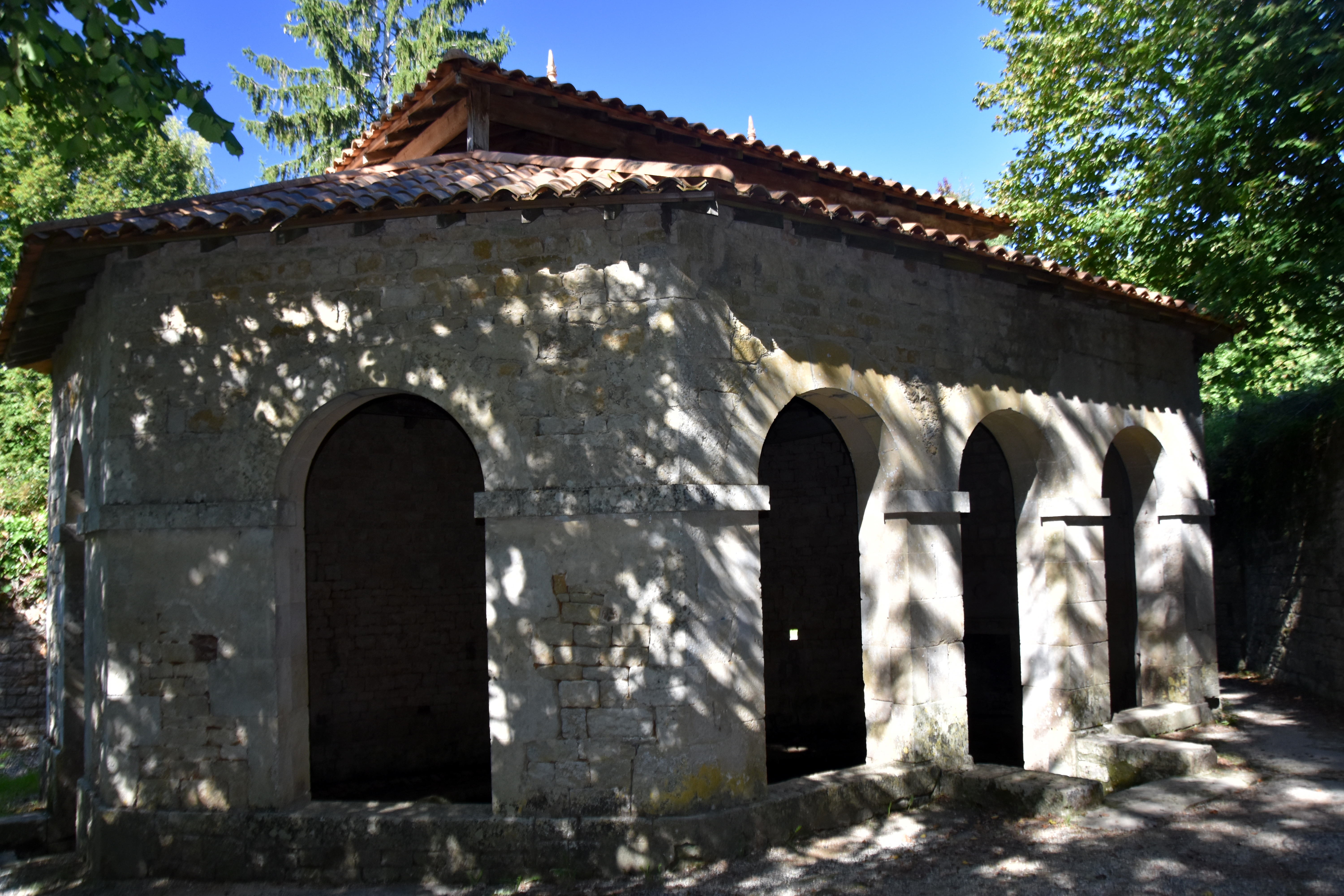
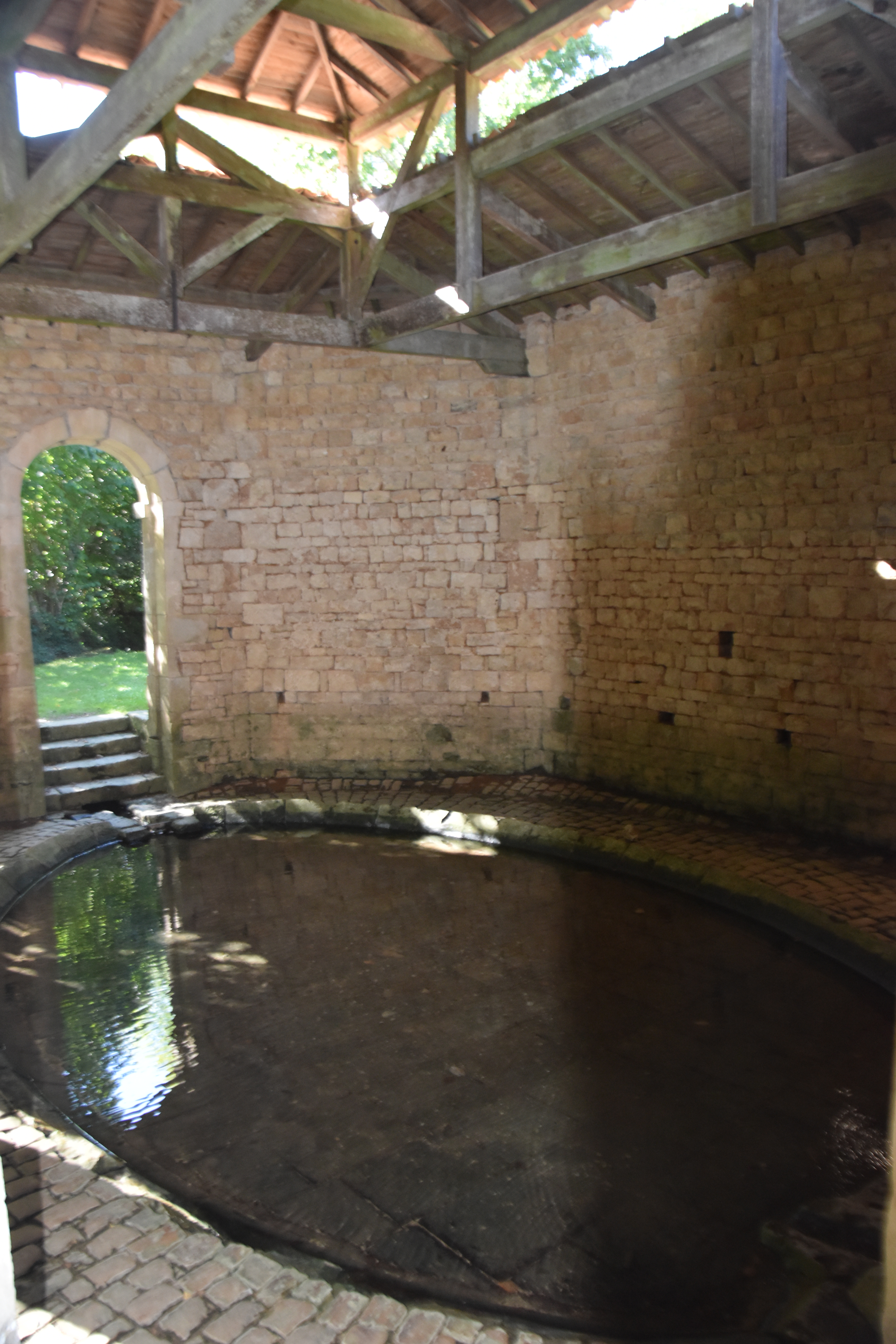
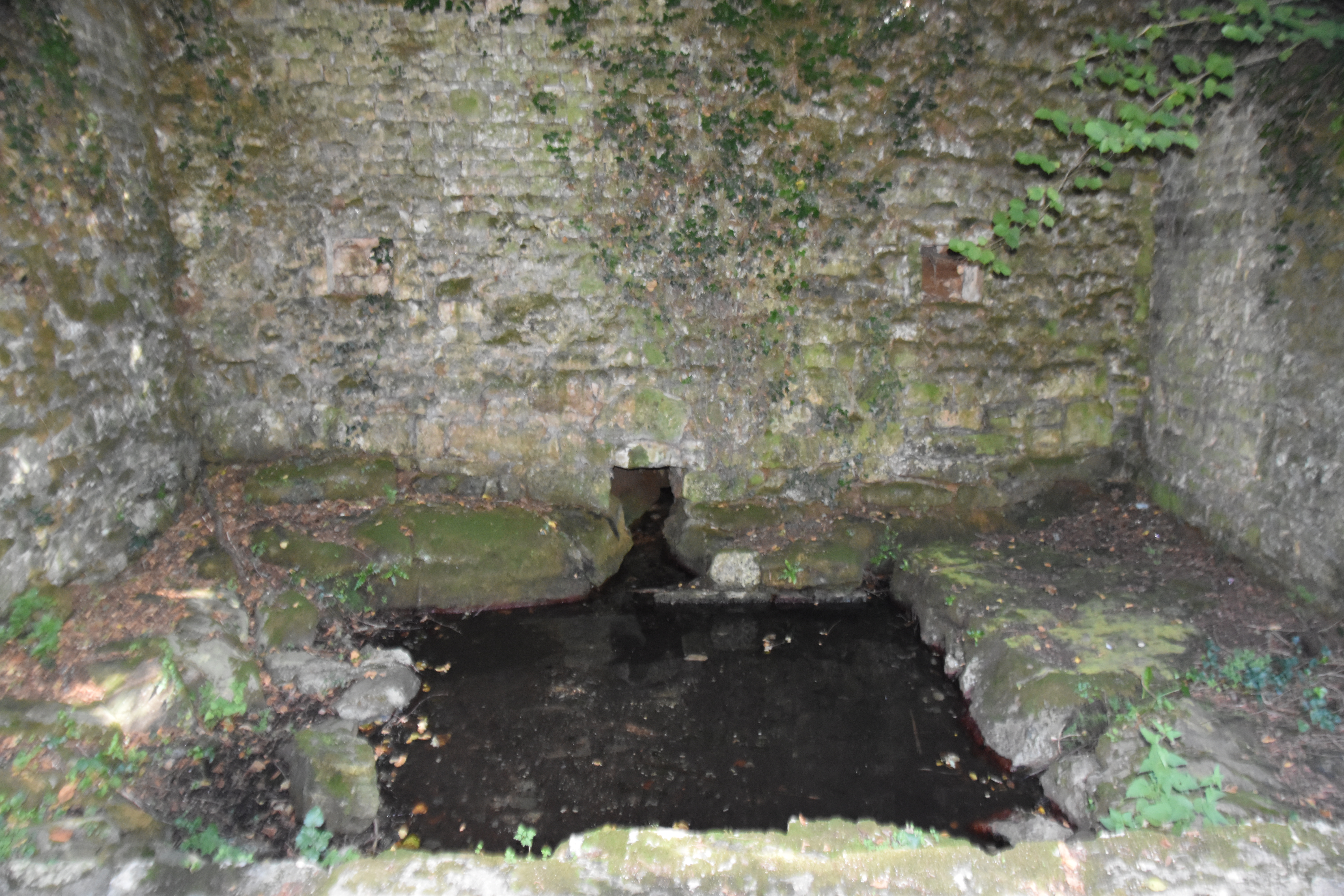
From the new Aire at Melle there is a discovery trail/Arboretum that circumnavigates the town and dips into it from tine to time to visit sites. There are many exotic and interesting trees along the way and the path is mostly shady and pleasant and for a good stretch runs along a river. We walked a section of it. The first stop was a rather grand Lavoir “Lavoir de Villiers”. For South African friends the name “de Villiers” will be recognizable as having come to the Cape with the fleeing protestants. This area of France was a stronghold pf the Protestant faith for a long time. There is a “Temple” in town, the name given to protestant churches, as there is in many towns in the region.

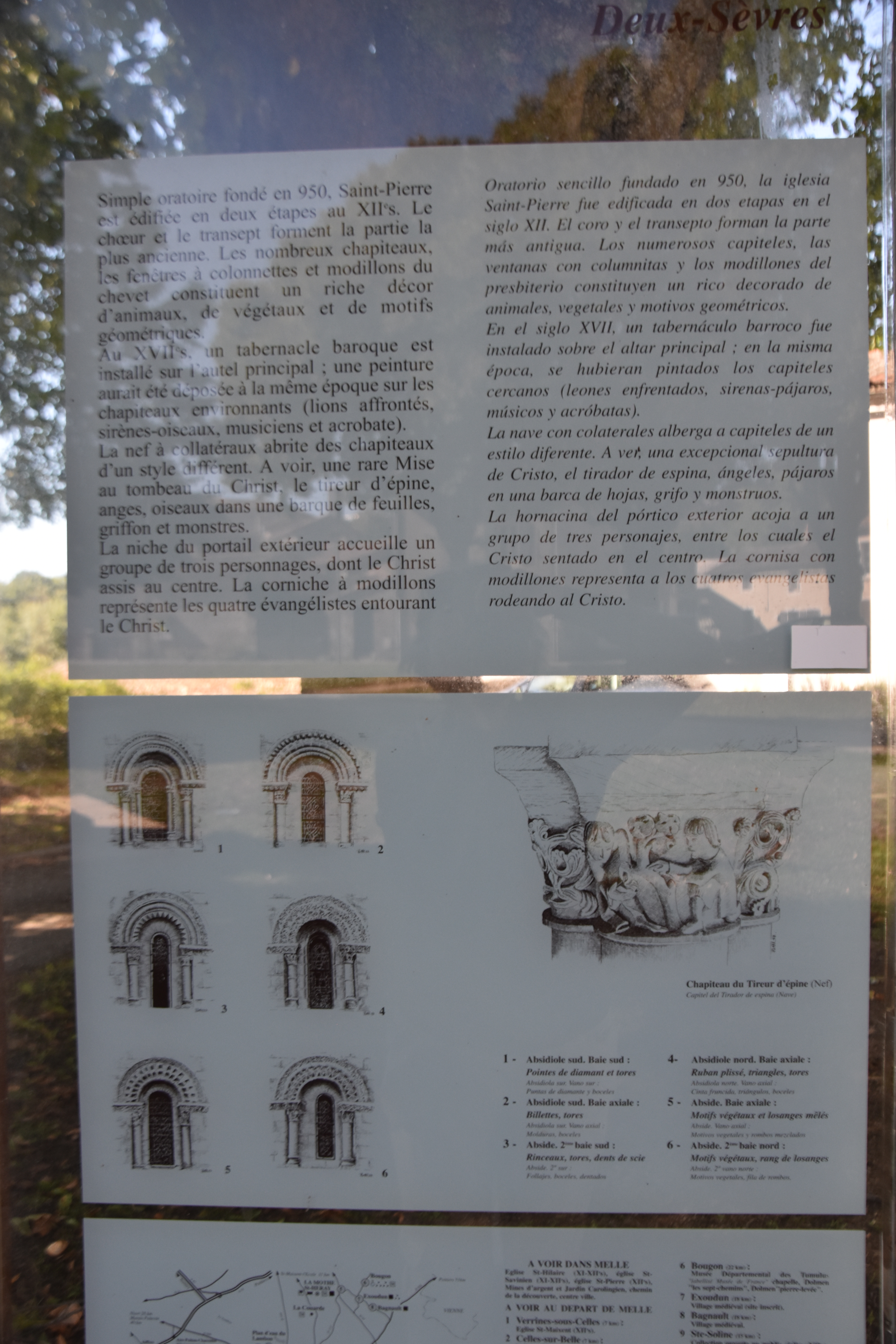
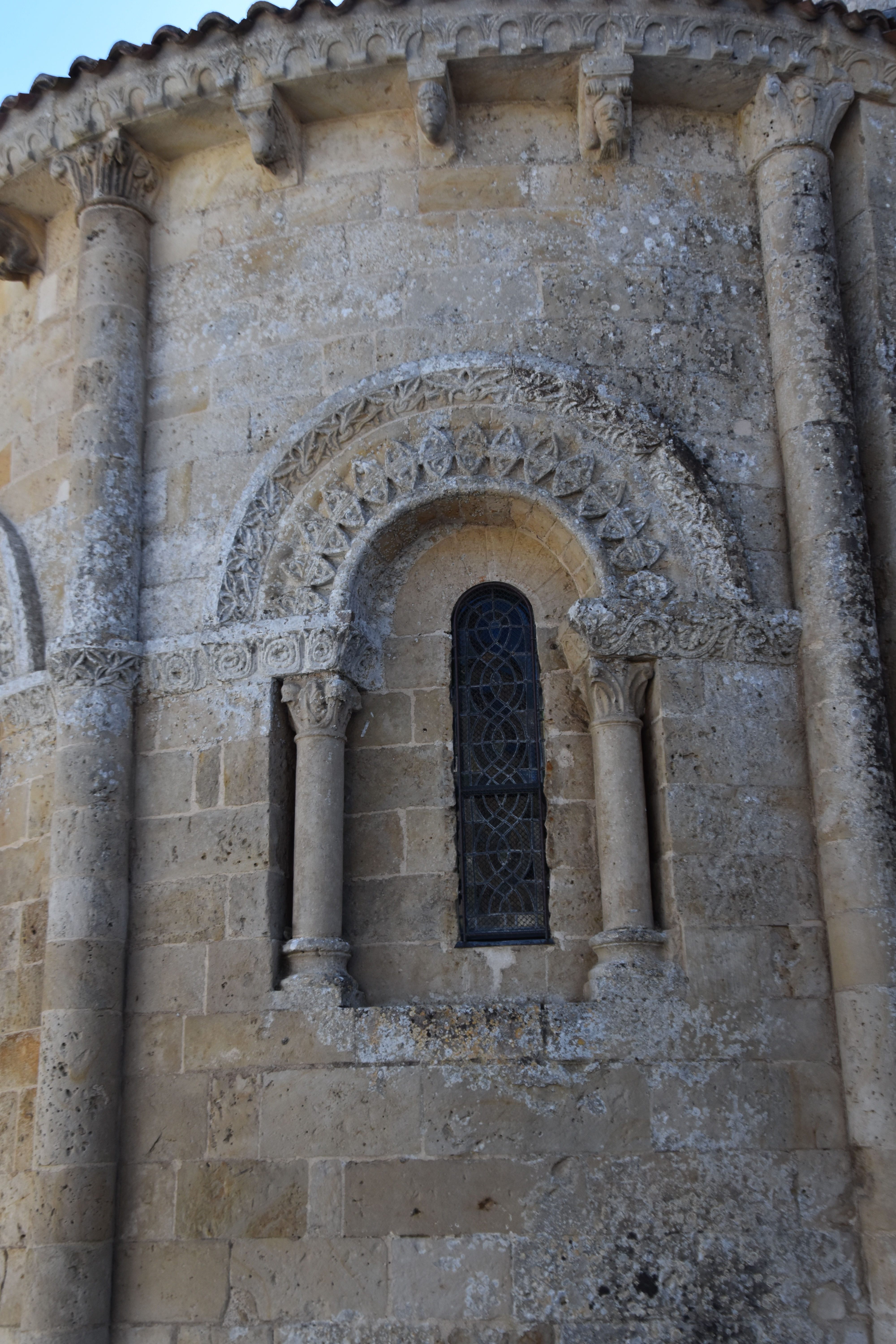
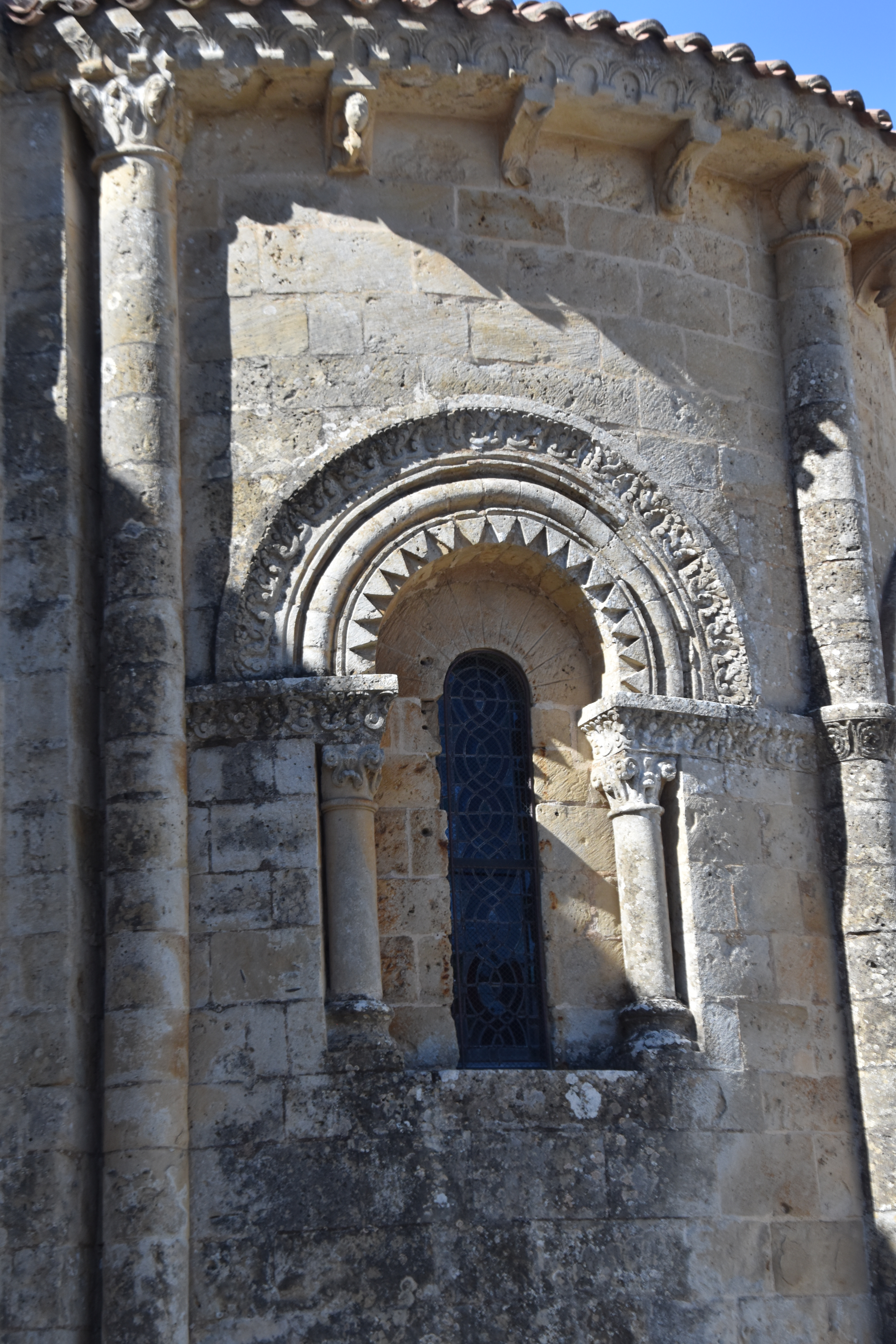
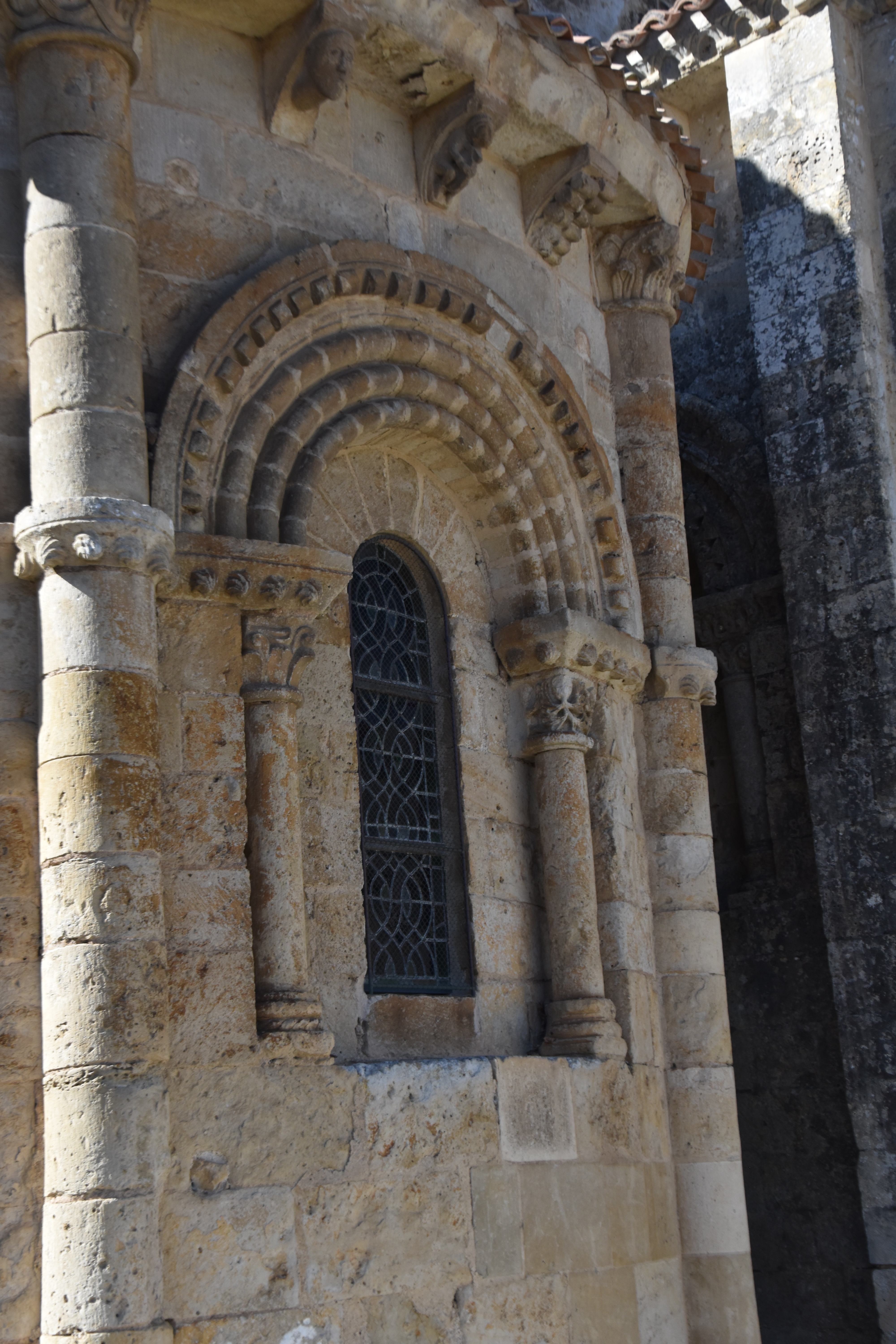
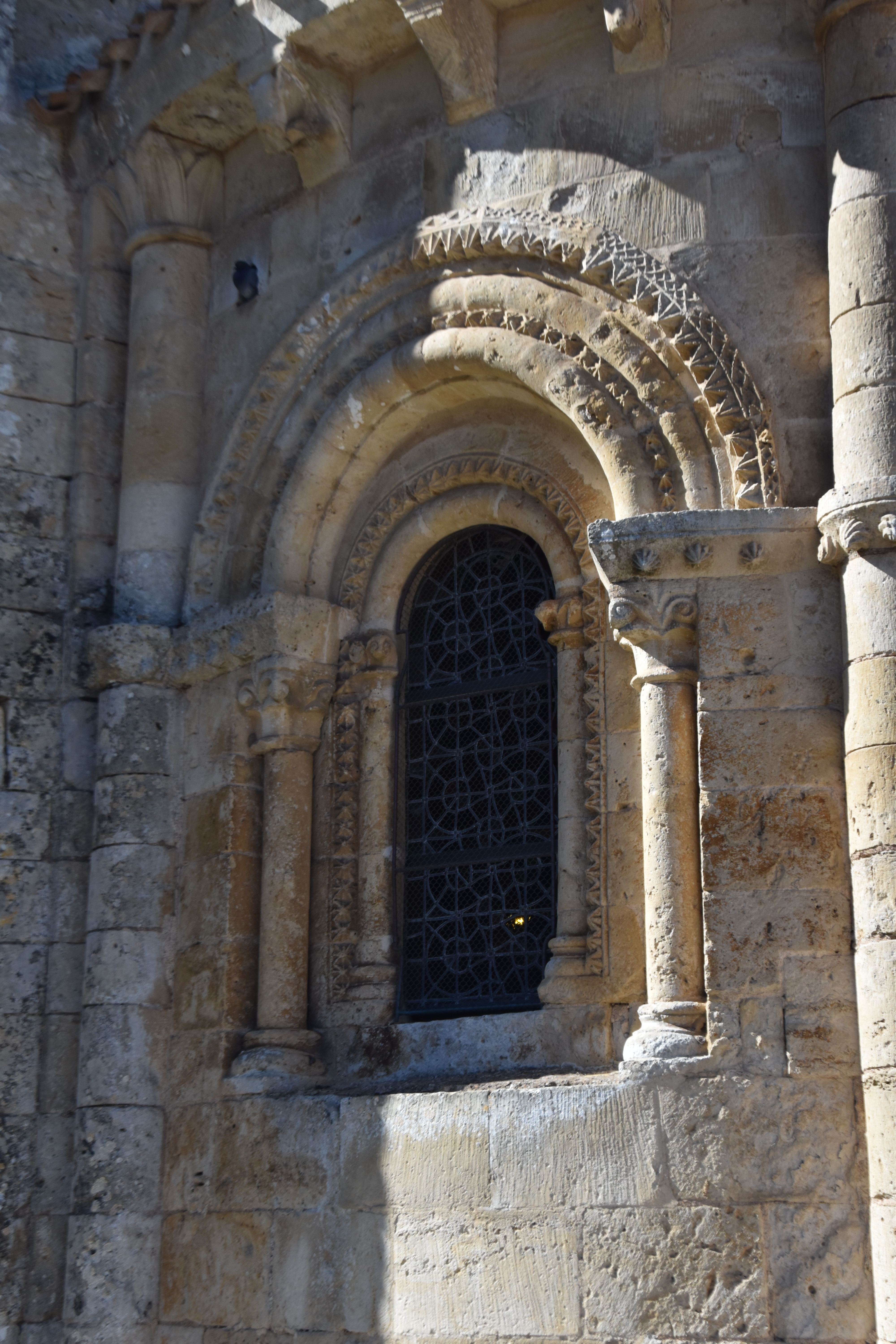
The second stop was at the C12th Romanesque church of Saint-Pierre. What struck me most was the decoration surrounding the windows and on the adjacent capitals, different in each case.

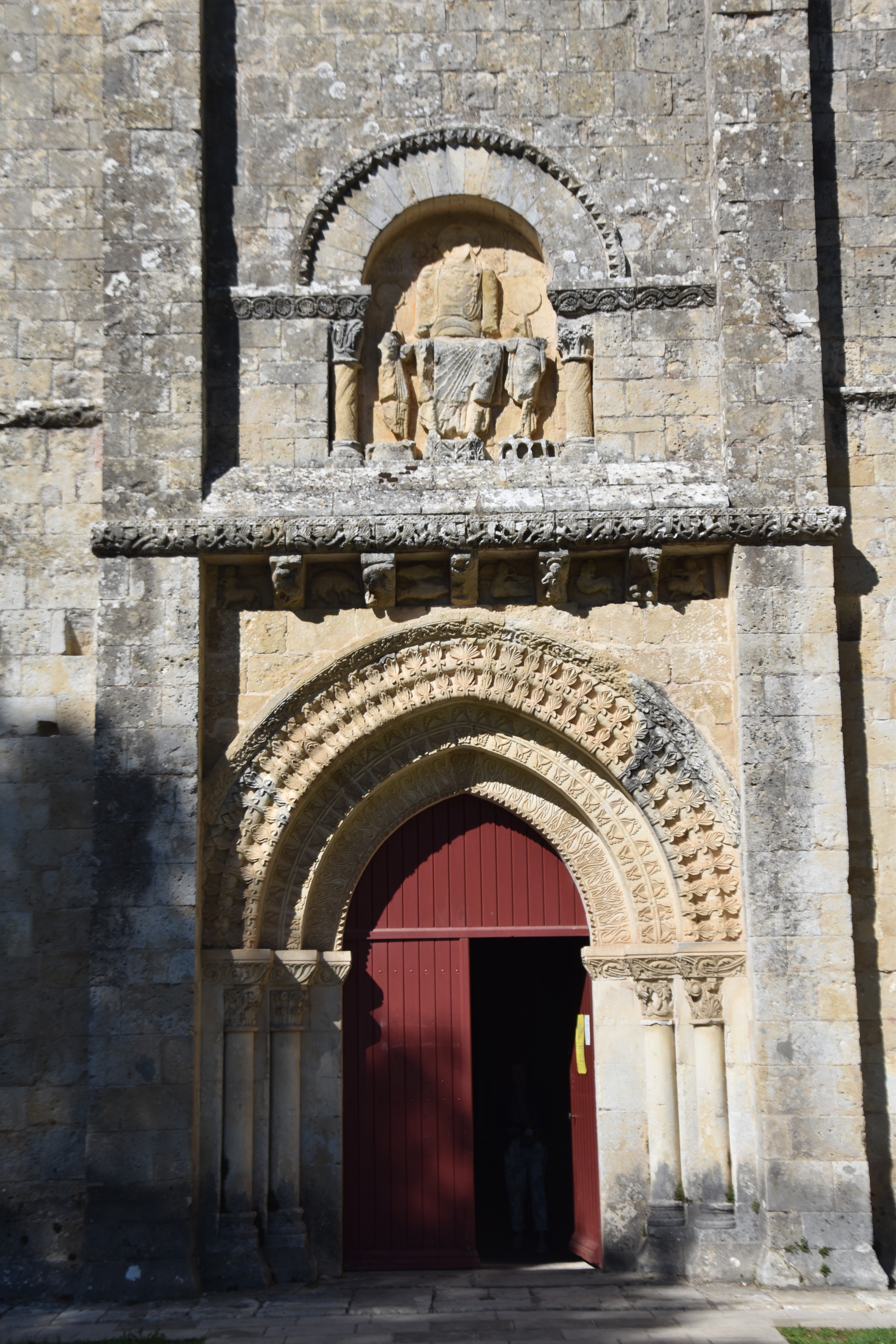

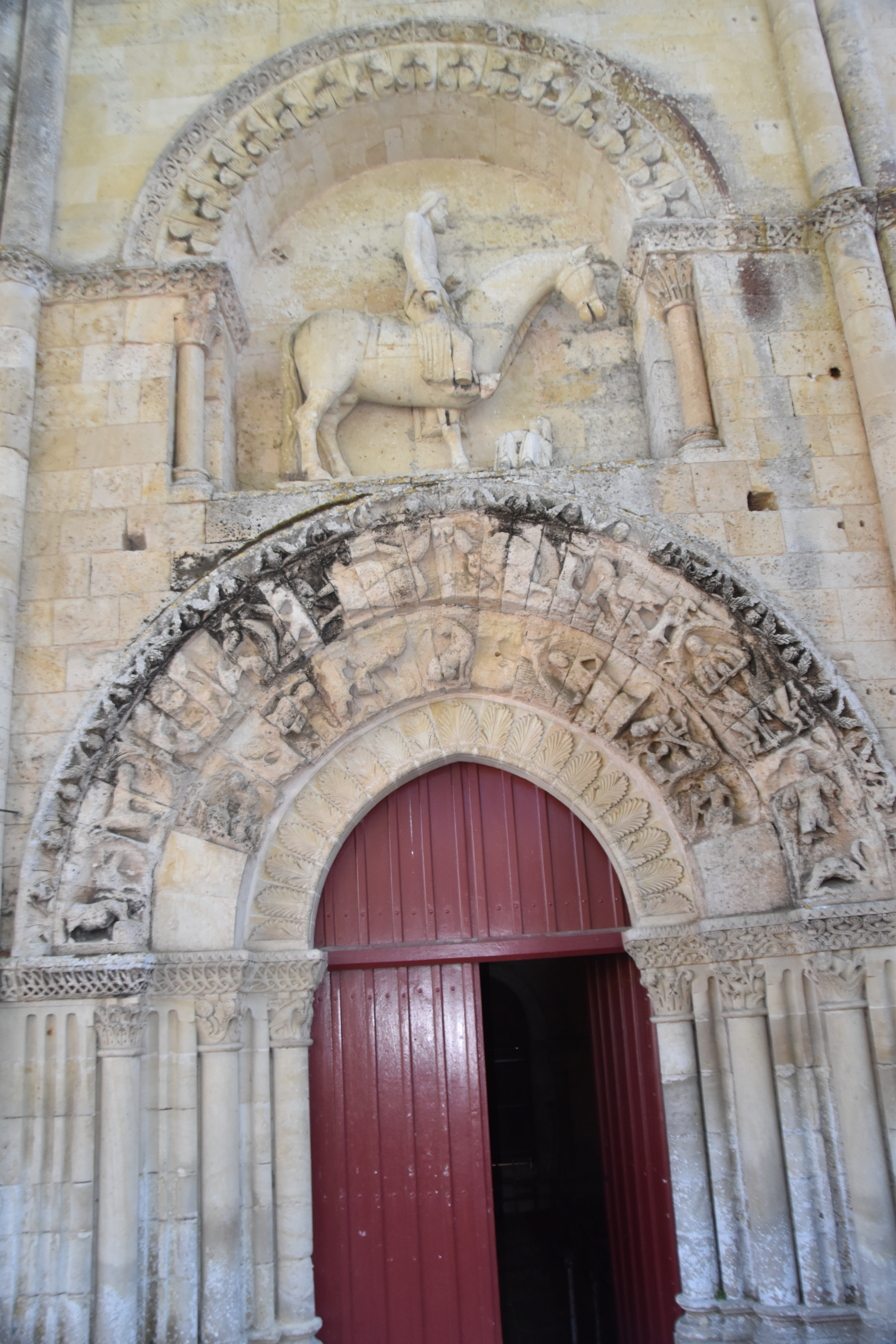
The next stop was another church of the C11-C12th era, Saint-Hilaire,it is delightfully set in tranquil gardens with the small river running through. The sculpture over the door represents the christian Roman emperor Constantine 1st, whose mother was instrumental in putting together what was to become the modern bible.


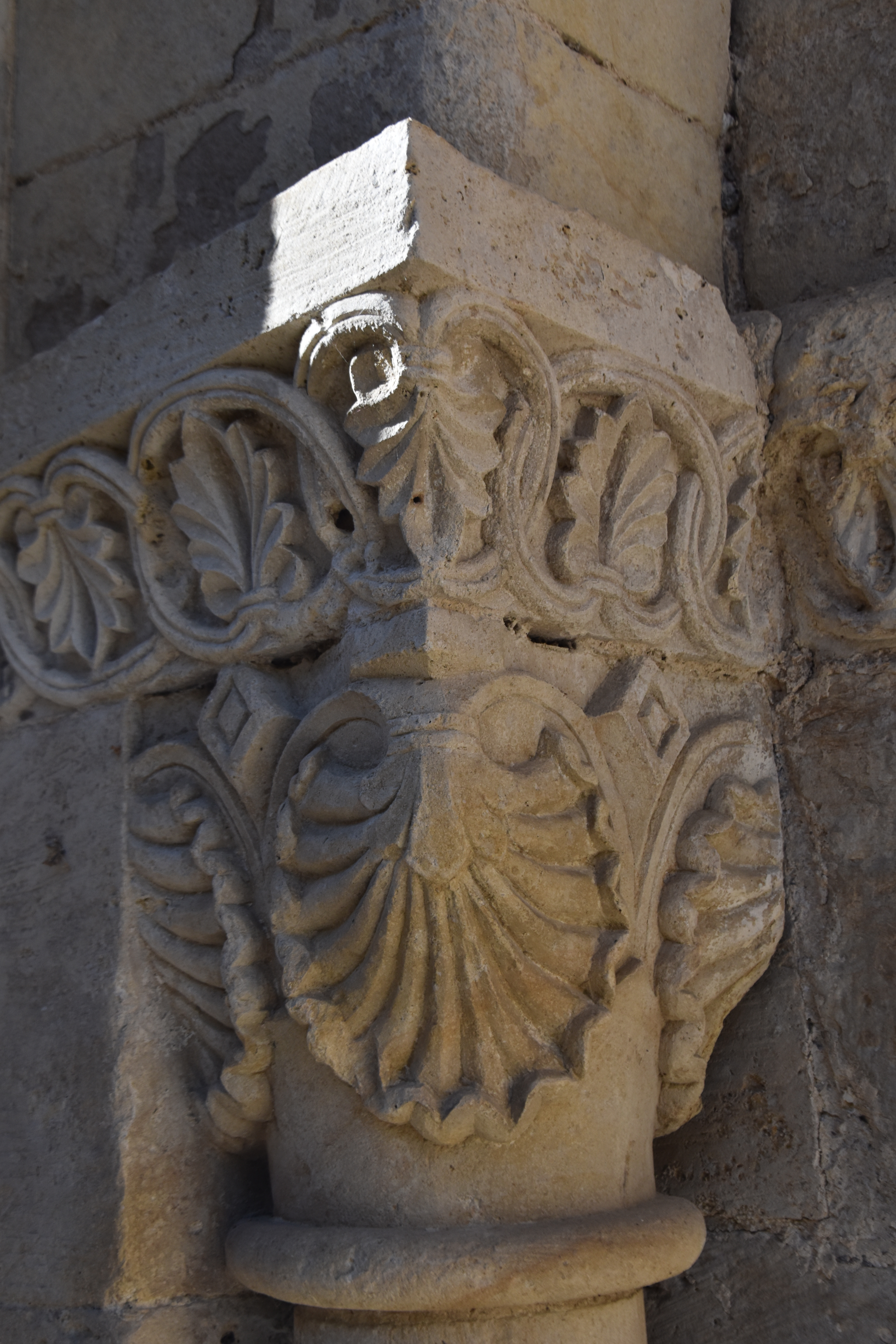
The church has been awarded World Heritage status by UNESCO as a station on the Chemin de Compostelle and capitals and other decorations feature the ST Jacques shell.
This town has three churches and a temple, Um!?, counter balance to the worldly riches of the Rois Francis silver mine perhaps!
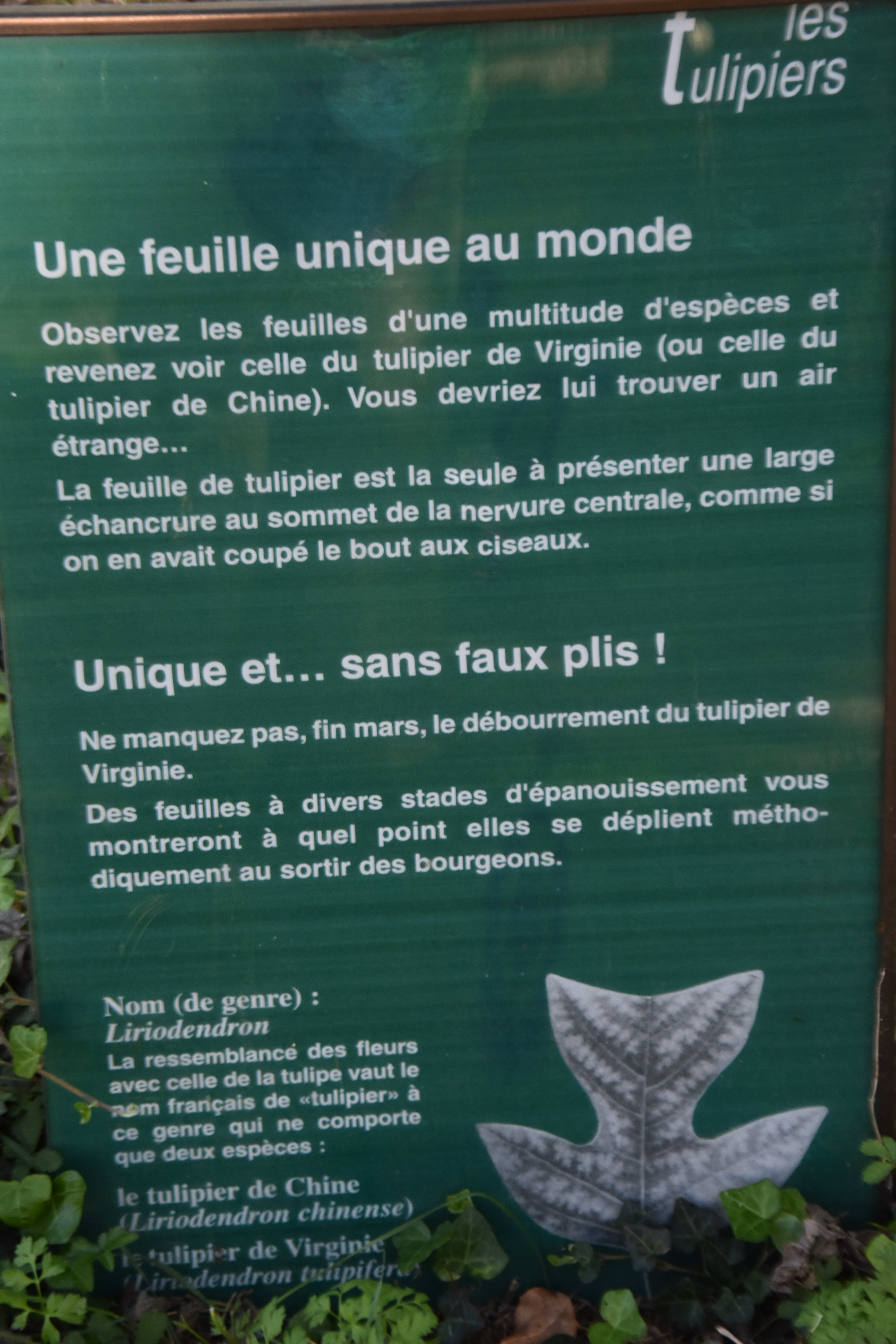
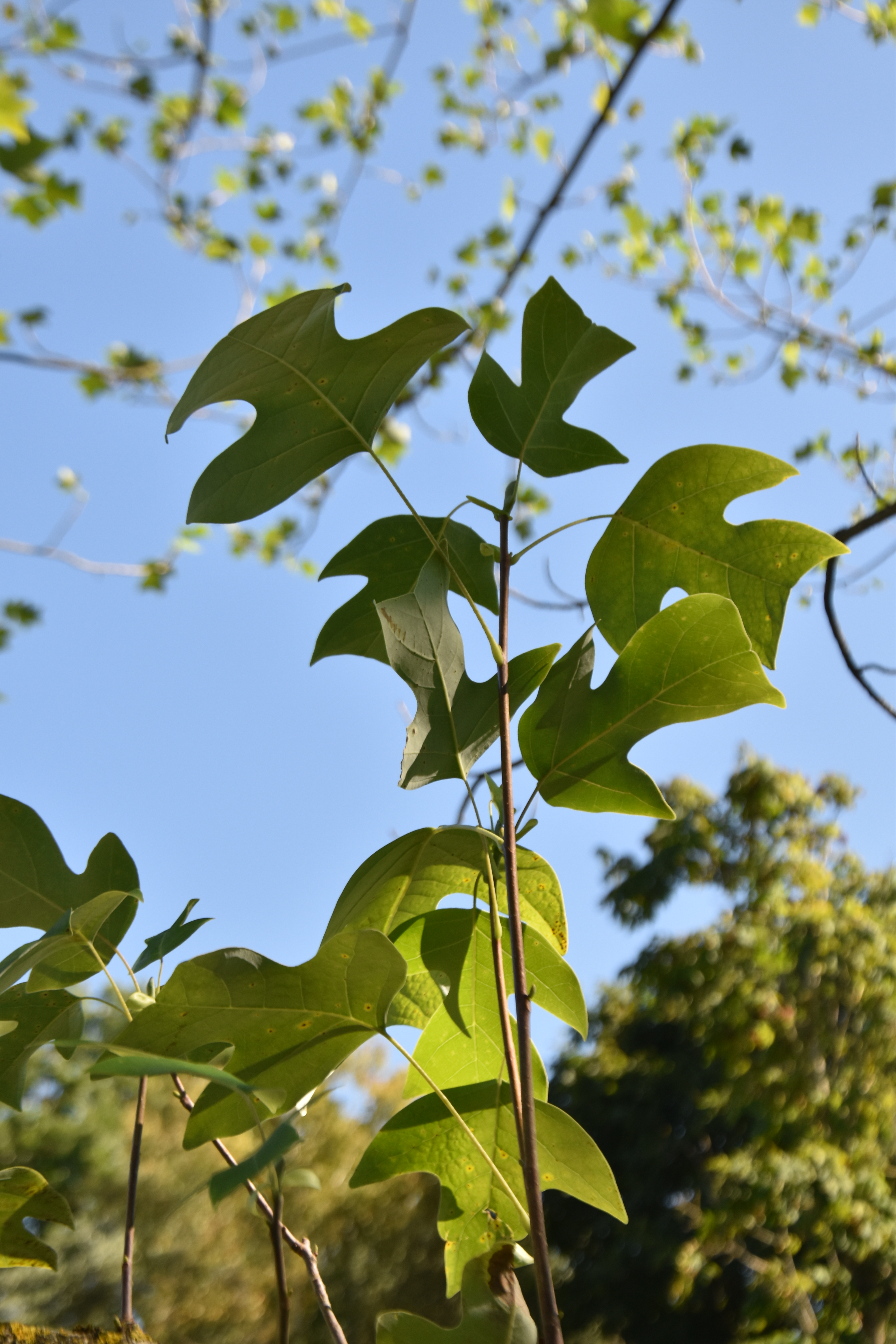
18th. Set out after lunch to do the rest of the “Discovery trail”. As I said yesterday the arboretum side of the trail is excelemt both in the number of different trees and the labeling and explanations. Here is one, as the board says the leaf shape if unique, it looks as though something has chewed the ends off!
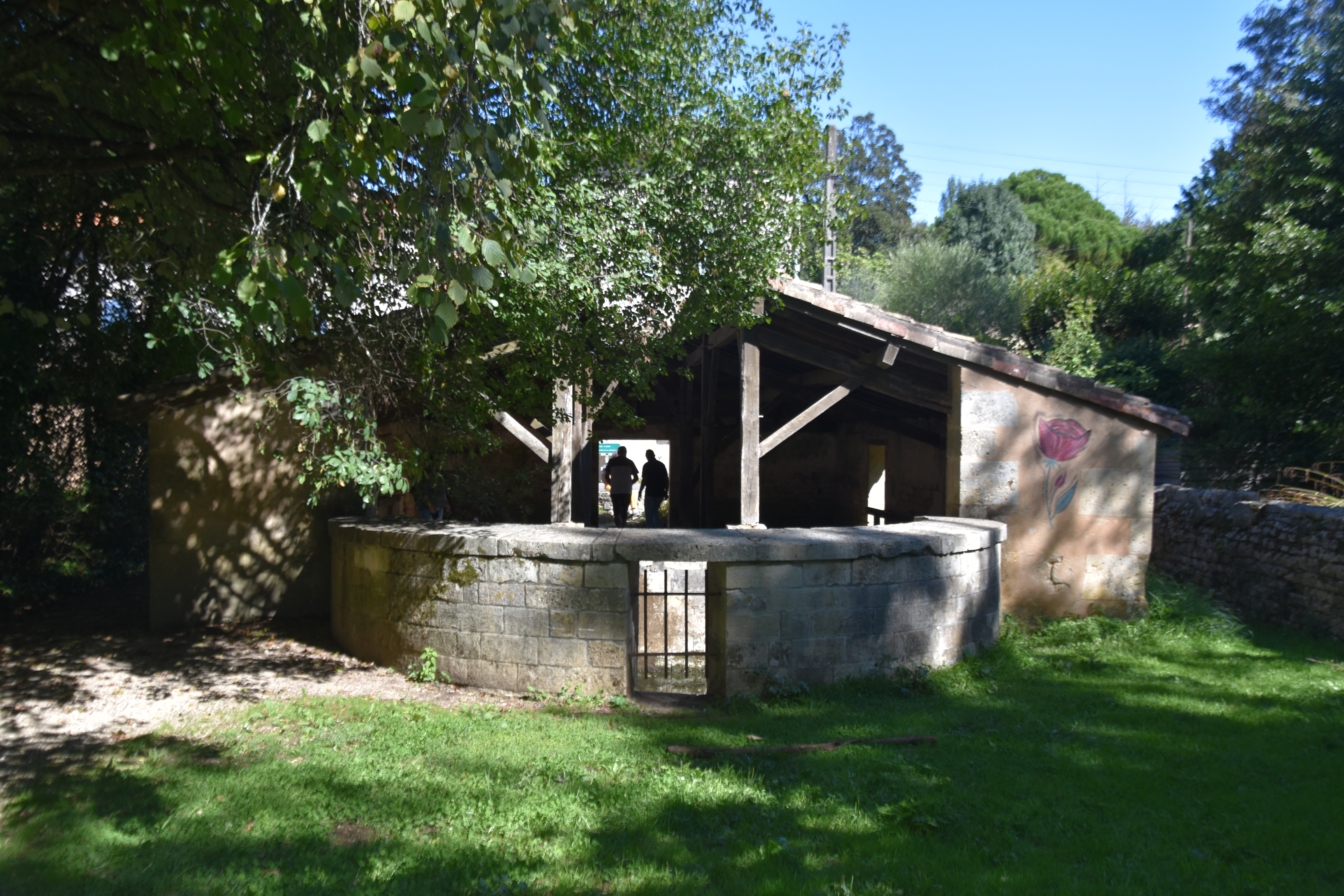
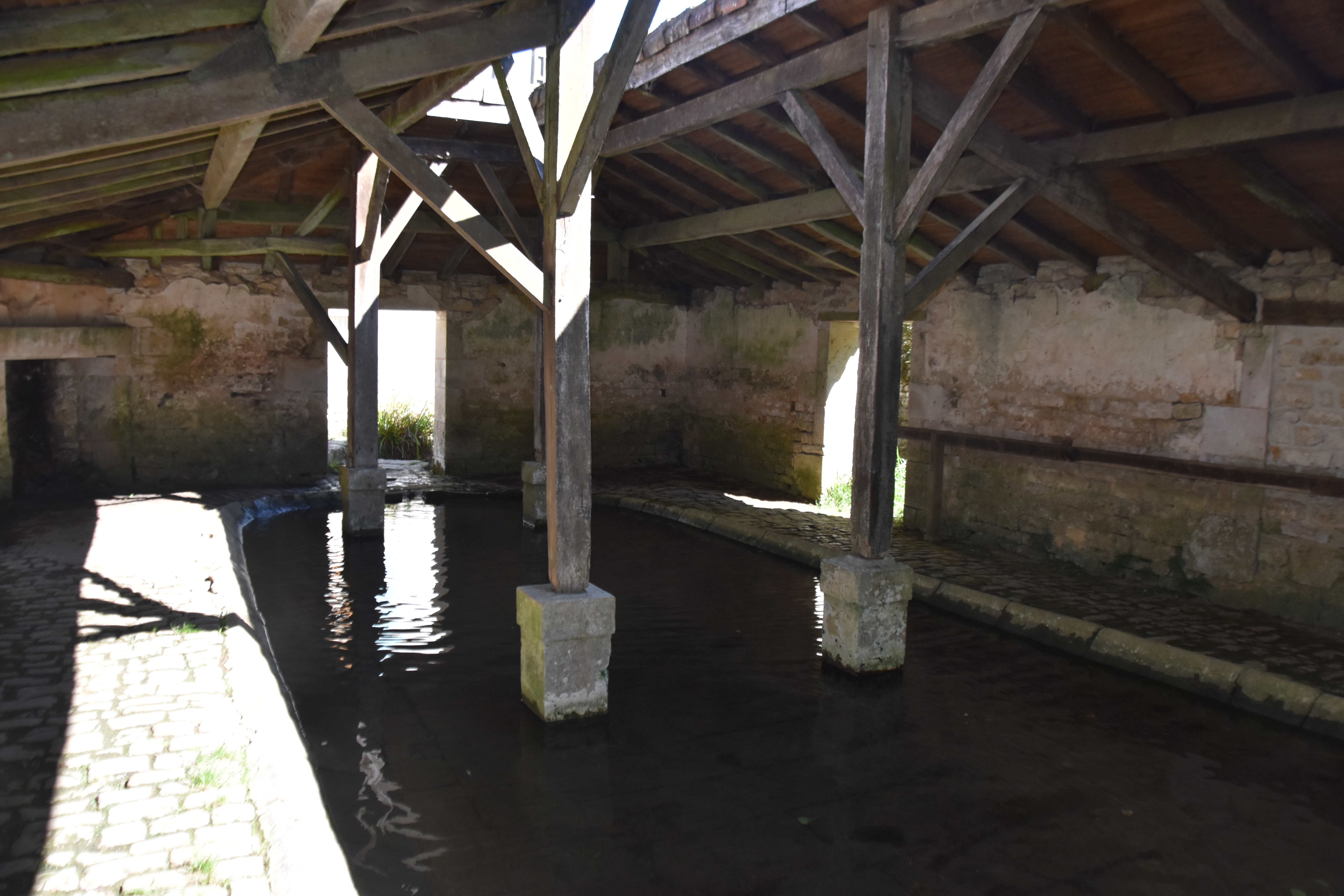
The first item on the path was the second of three marked Lavoirs, Lavoir de Loubeau.
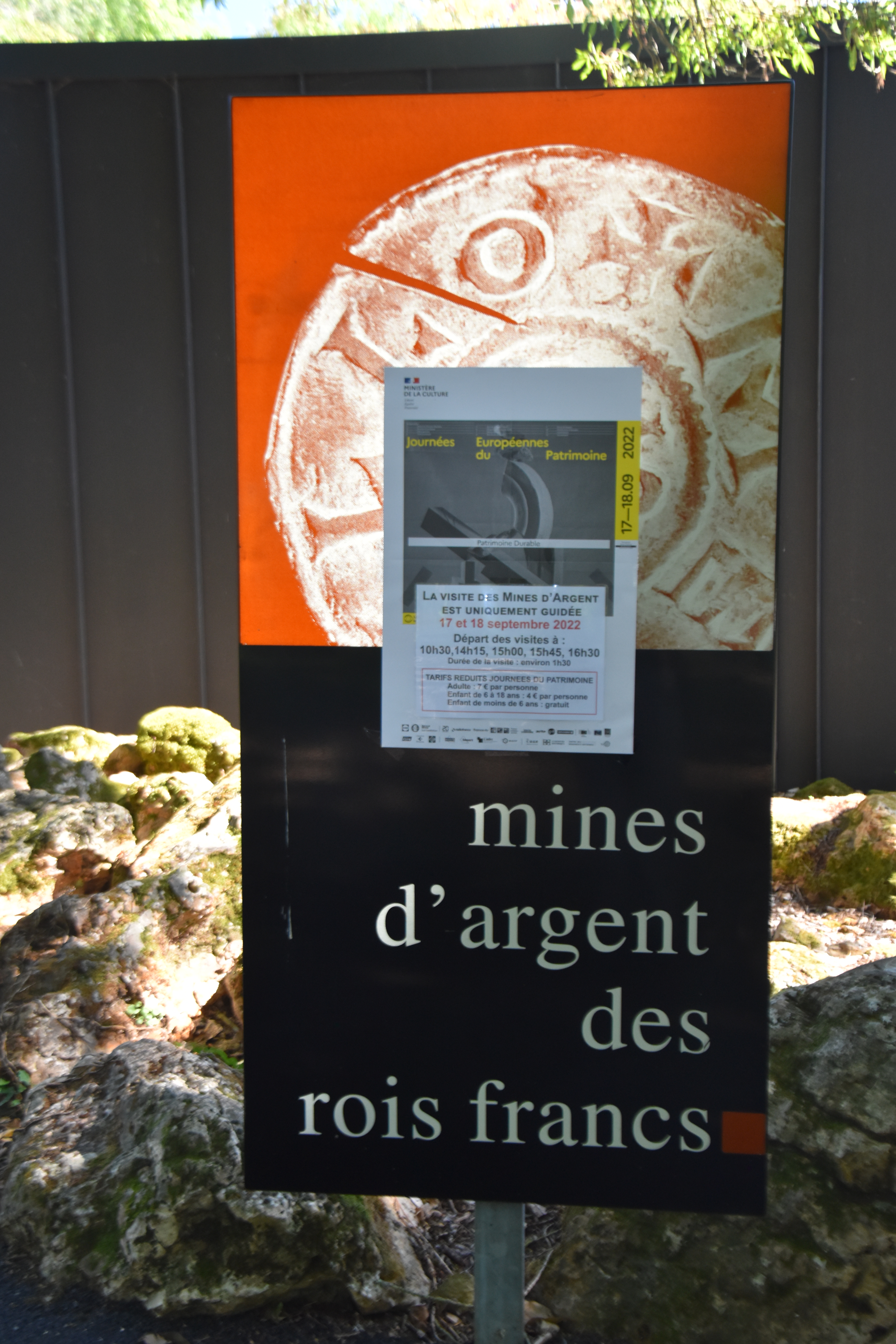
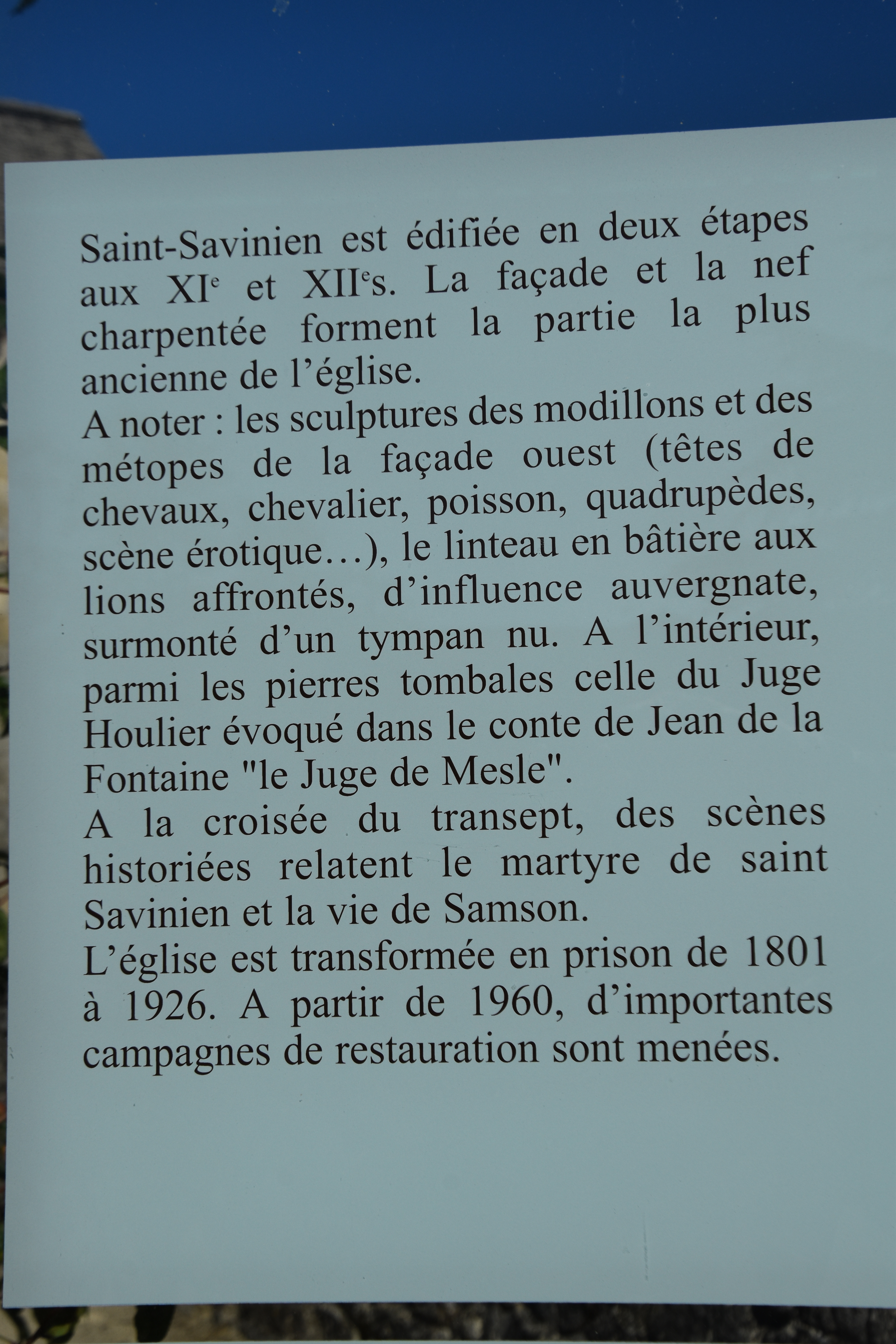
On past the Silvermine entry and museum to the third of the three churches, St Savinien.

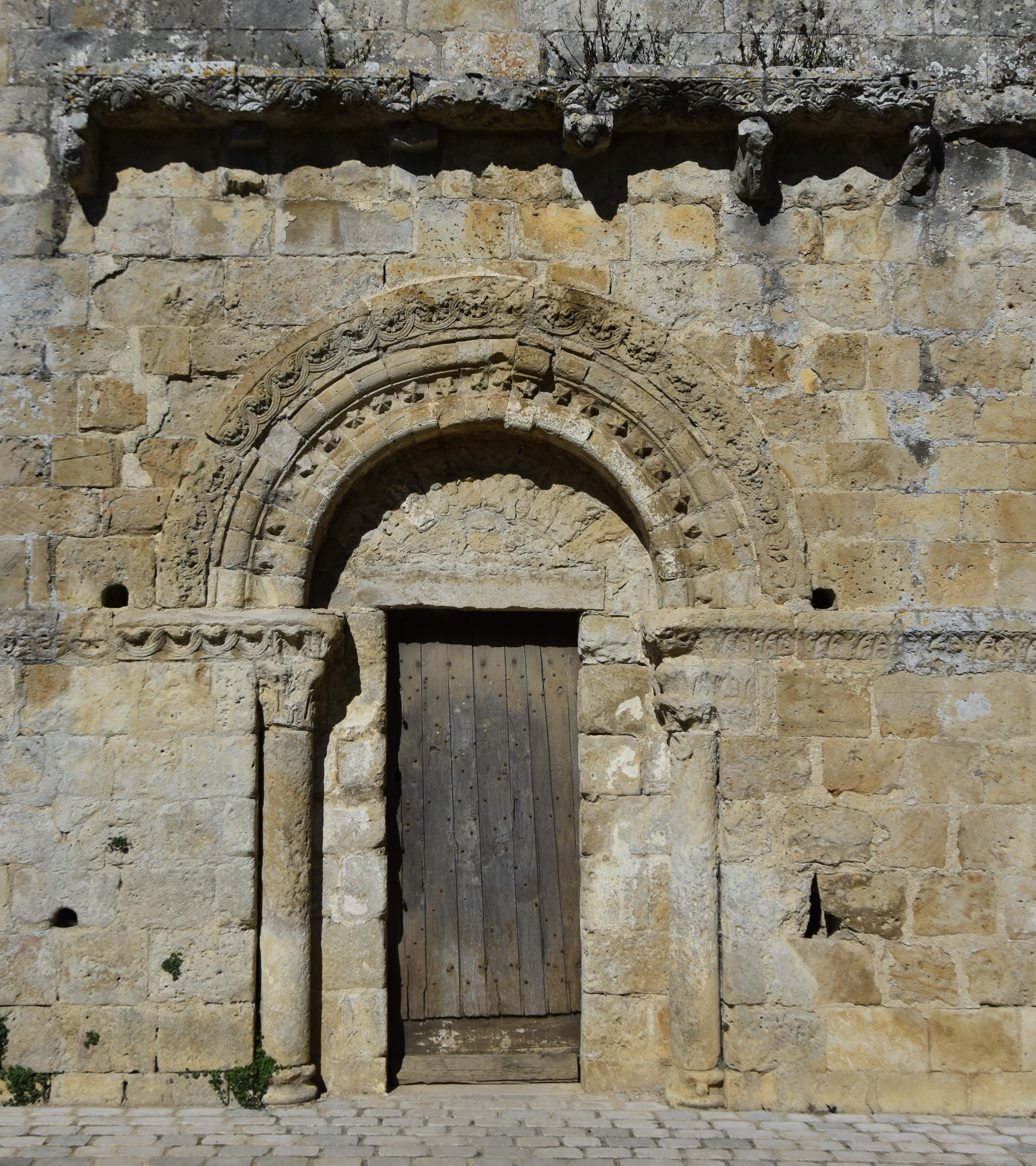

I have been asking myself why such a relatively small town needs three churches and a temple? Even if they felt a need to atone for there afinity for silver! Until one reads the story board for this last church and realise that it spent a fair chunk of its life as a prison.
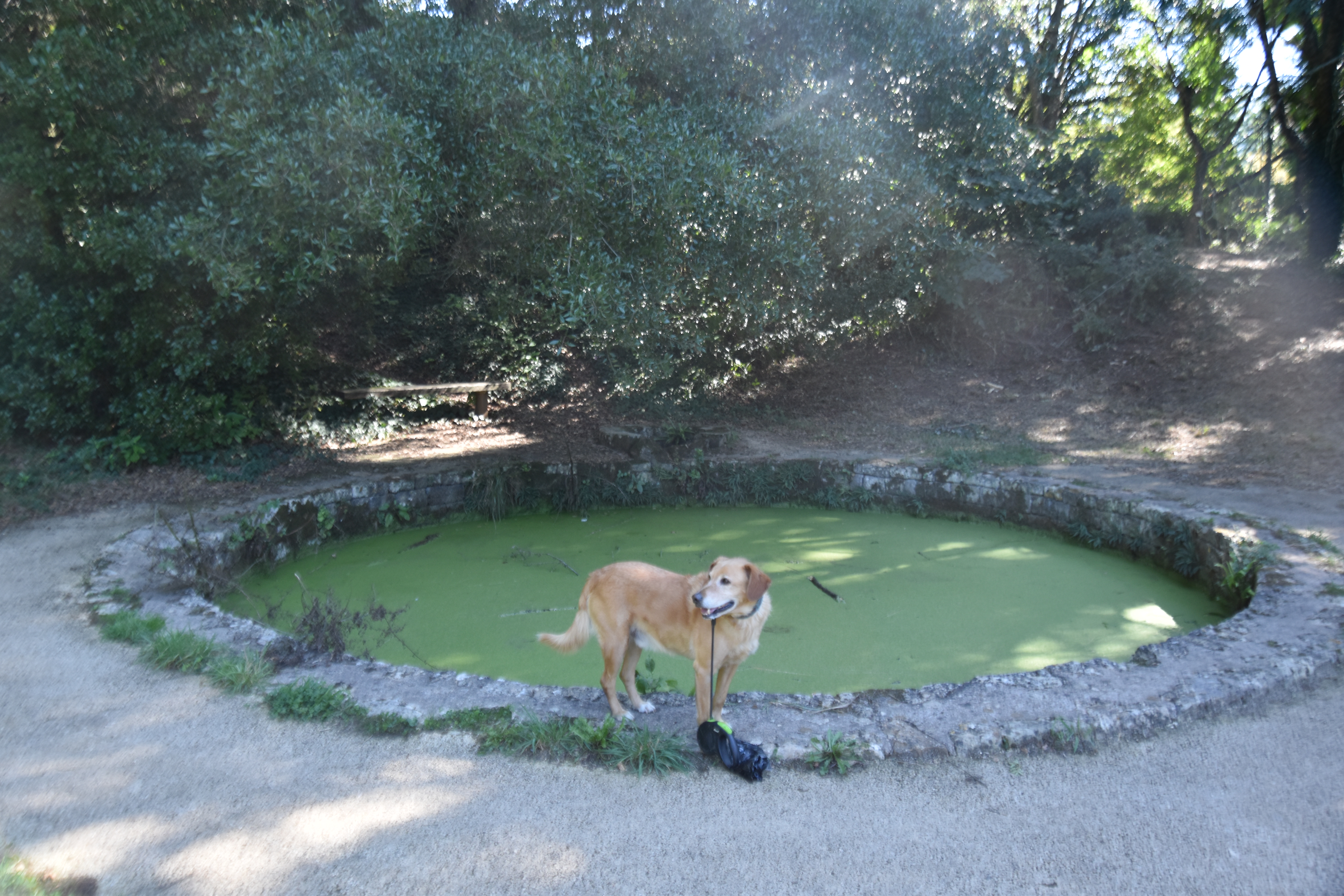
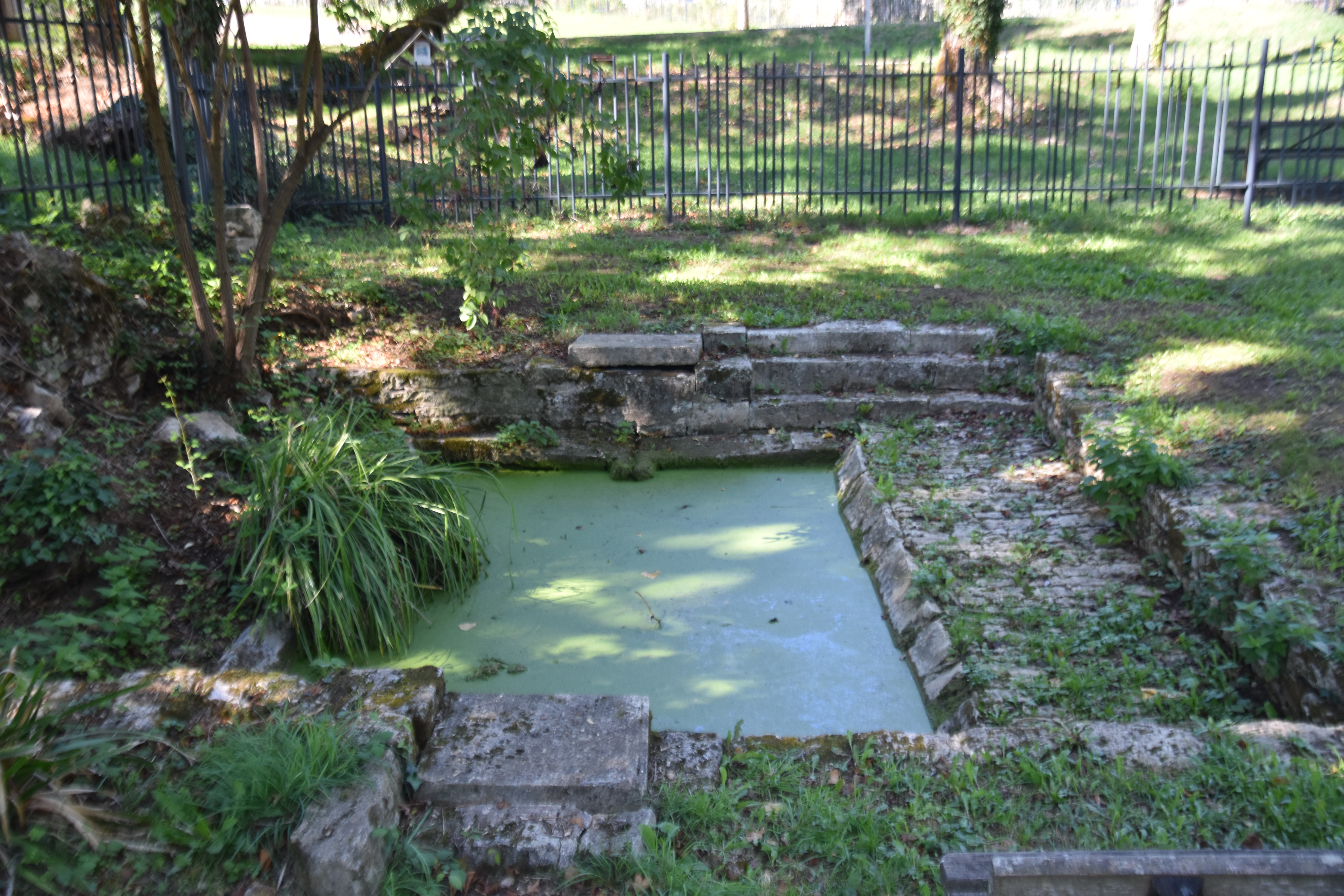
We stopped in the town centre for an Orangina and biscuits and water for Cassidy. Then we picked up the trail again and found the last named fountain, Fountaine aux Lépreux. The Leper community did not merit asnything nearly as fancy as the rest of the people.
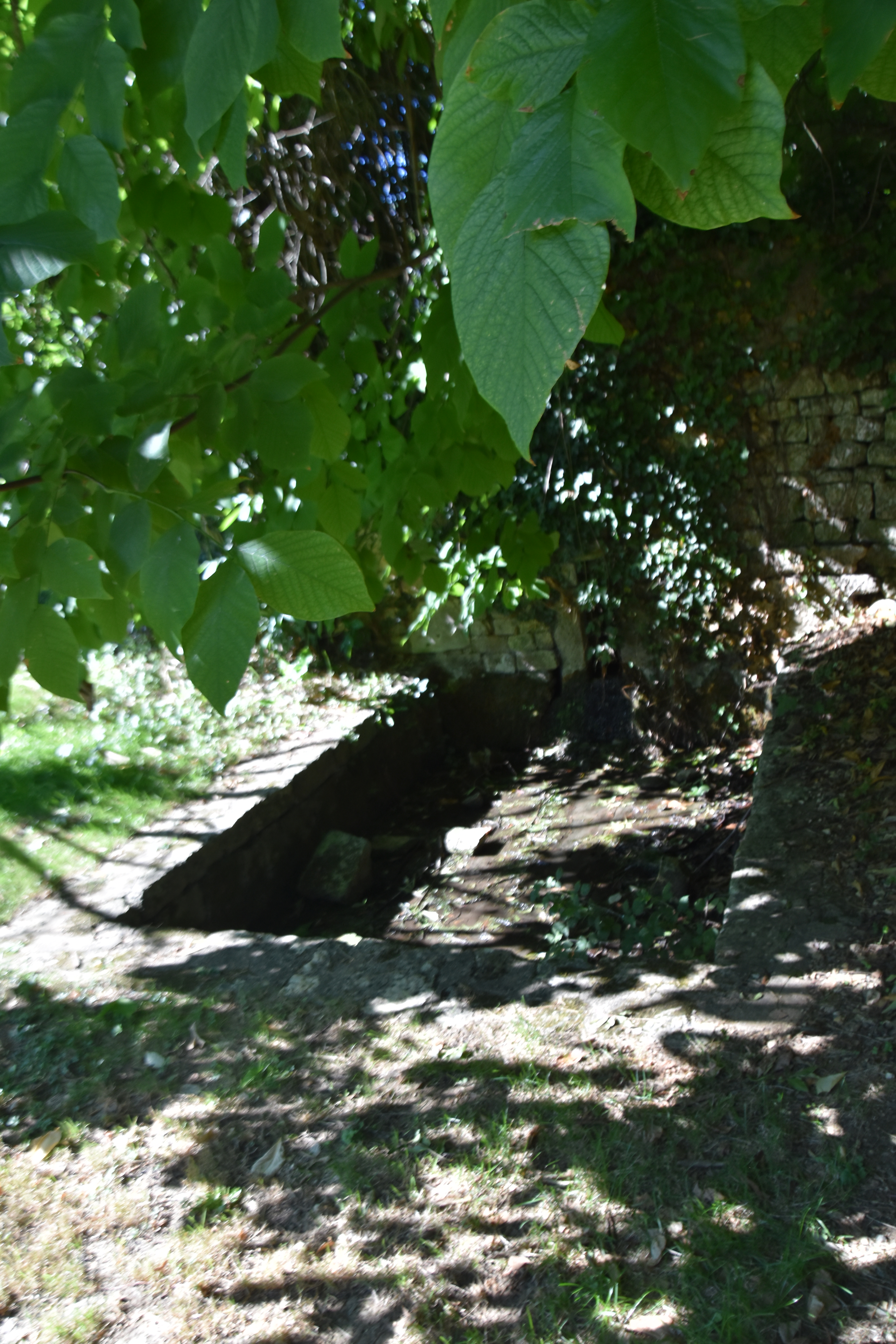
The presence of water is born out by street names like Fosse and by other minor “founraines” and pumps.

Back at the Aire I gathered a big bag of sweat chestnuts.
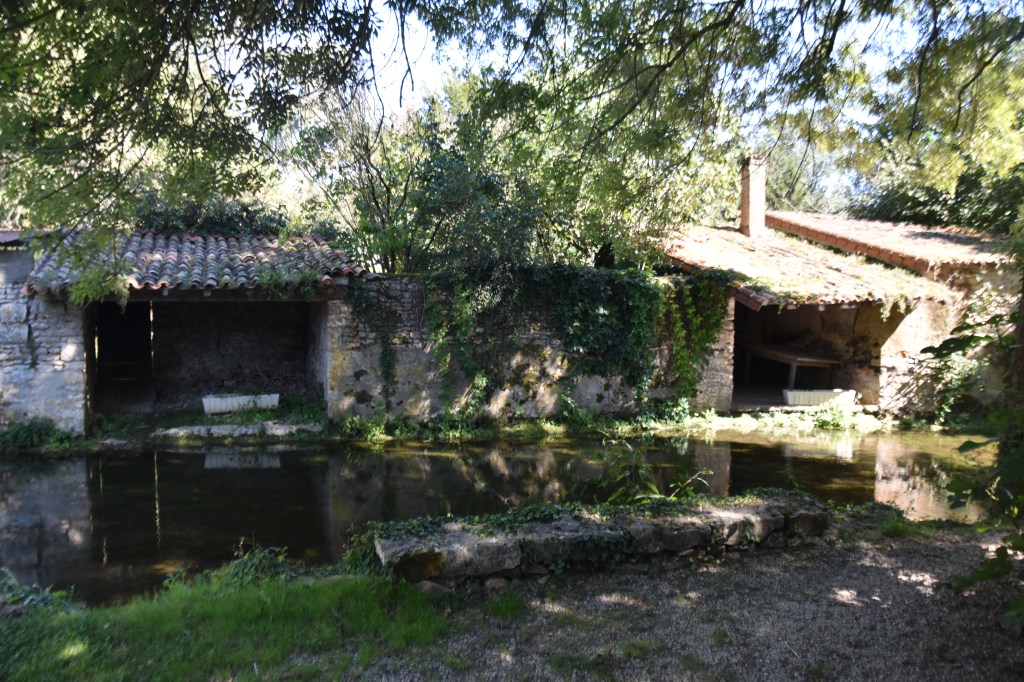
19th. After gathering even more Sweat Chestnuts we set off on the relatively short drive to La Mothe ST Heray. After lunch we set off to explore and found a delightful walk via the Sévre as it wound its way through the backs of houses to the Orangerie.
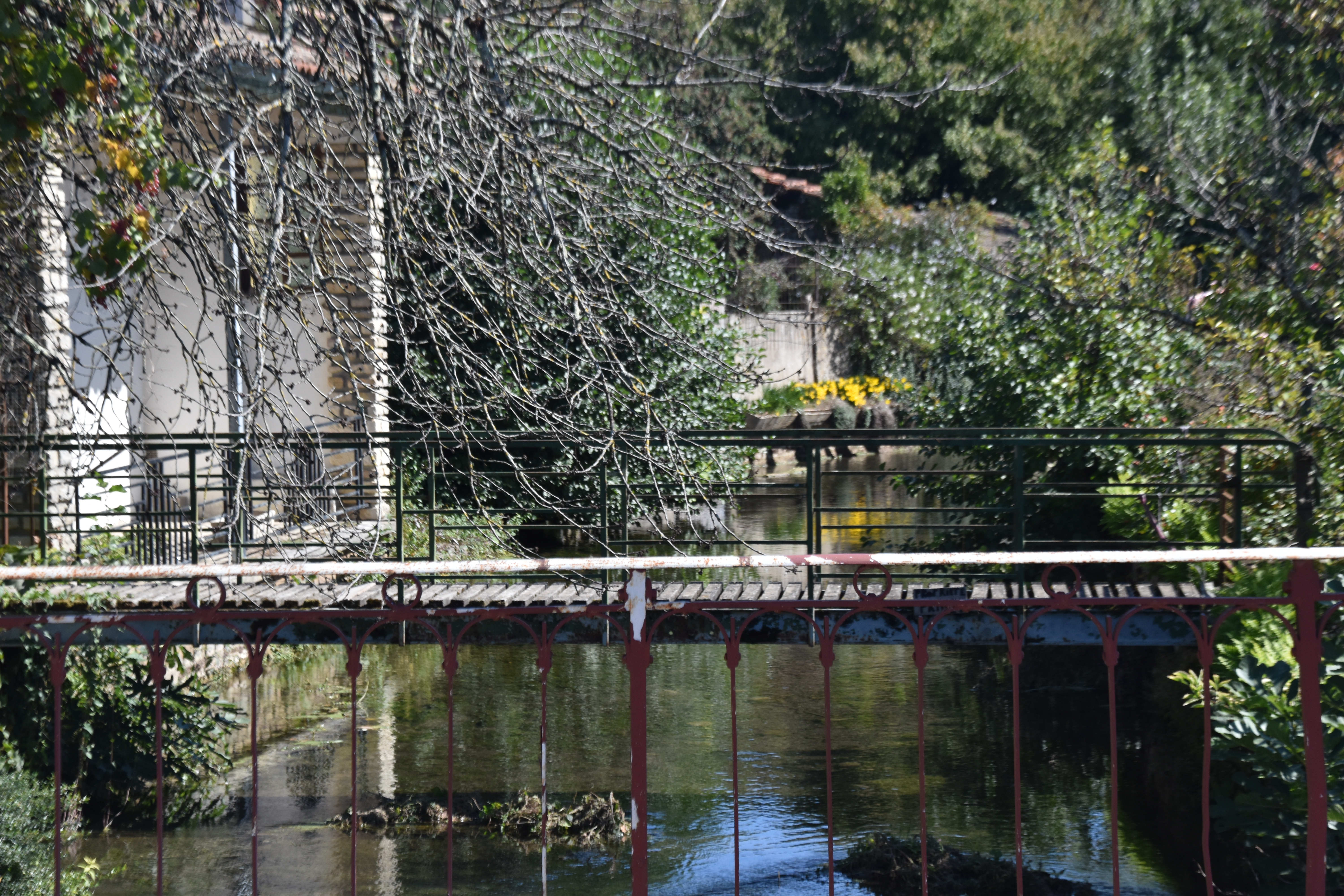
There were quite a few lavoirs along the way.

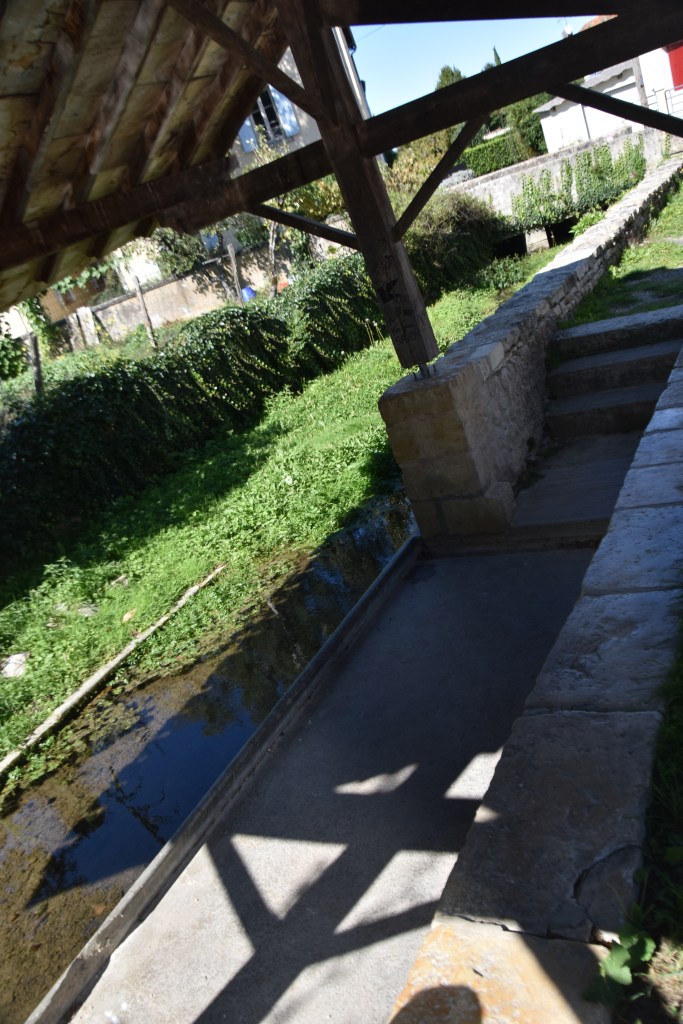
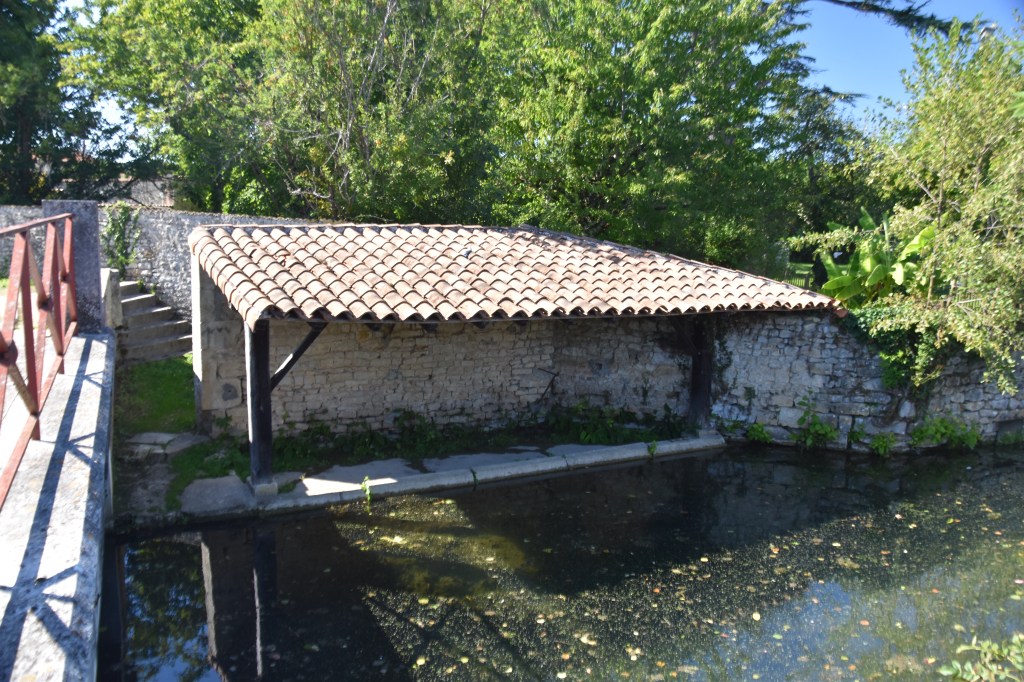
There really were hidden gardens and as tanneries and just prettiness in abundance.
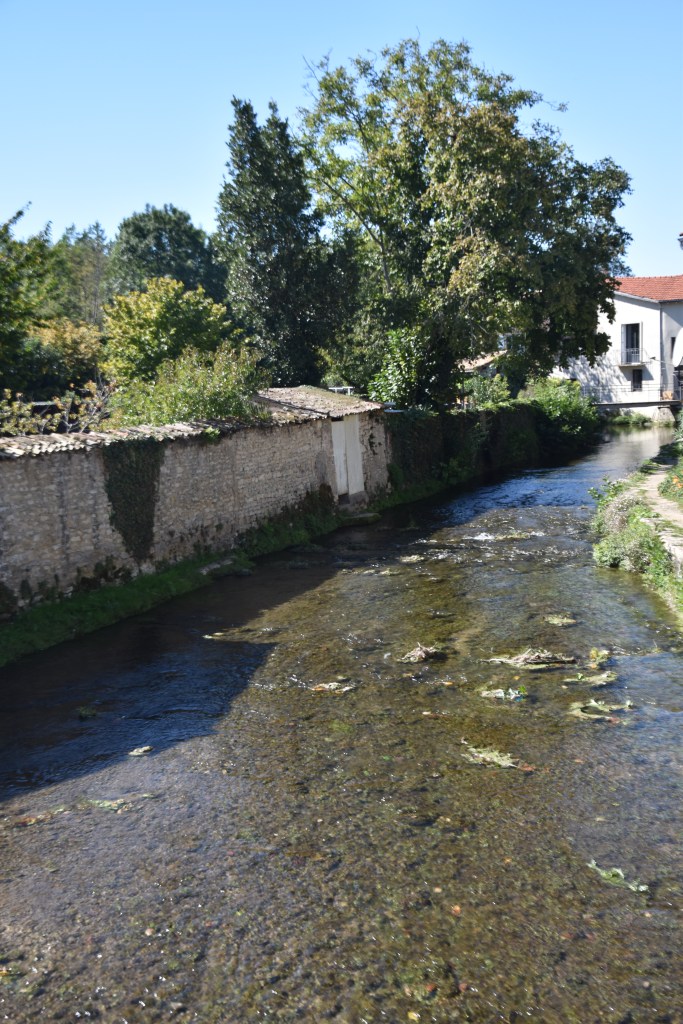
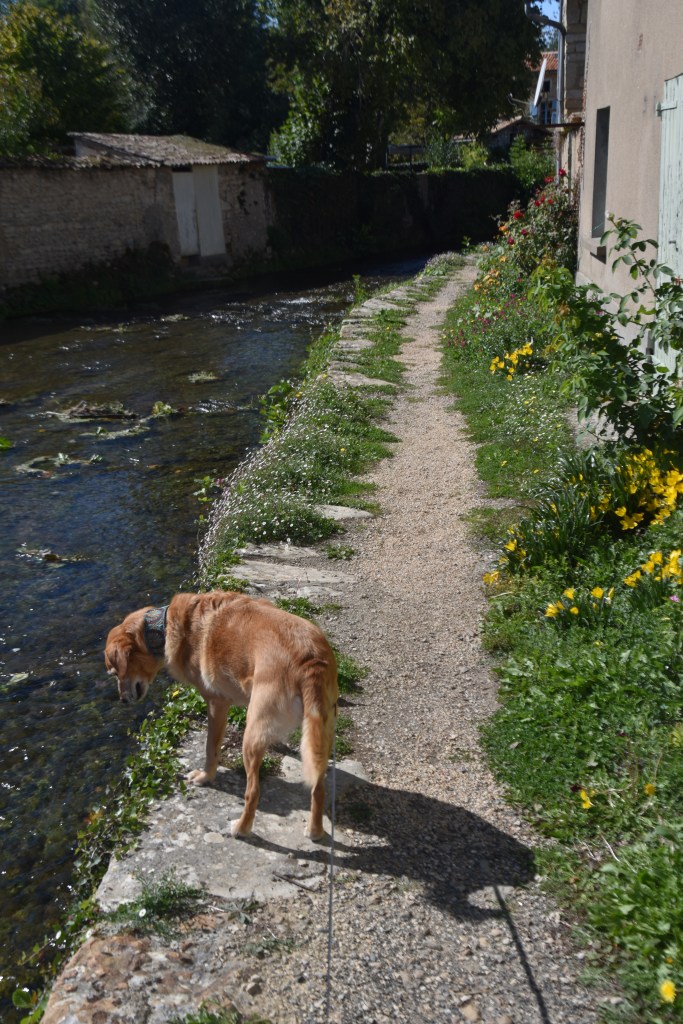
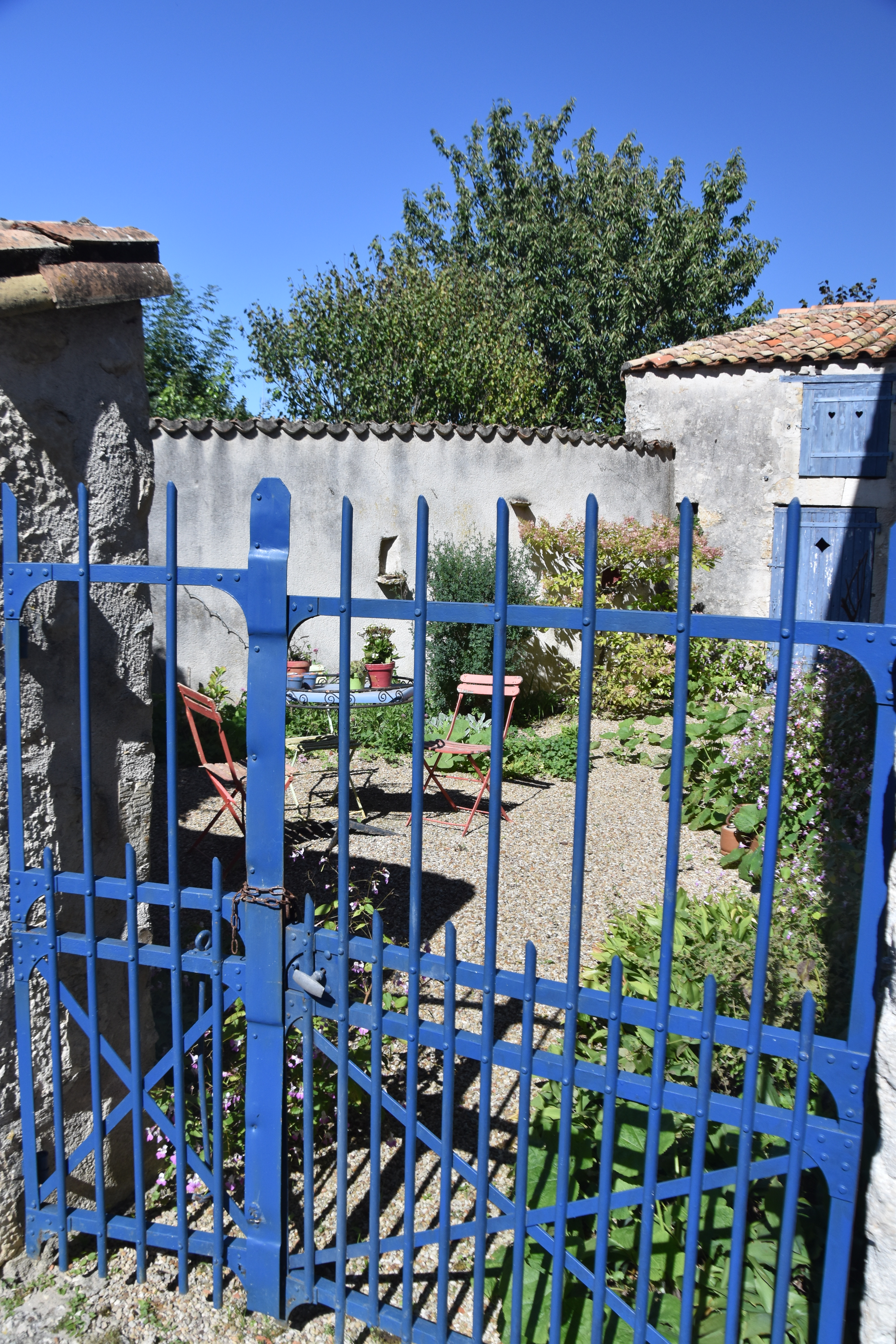

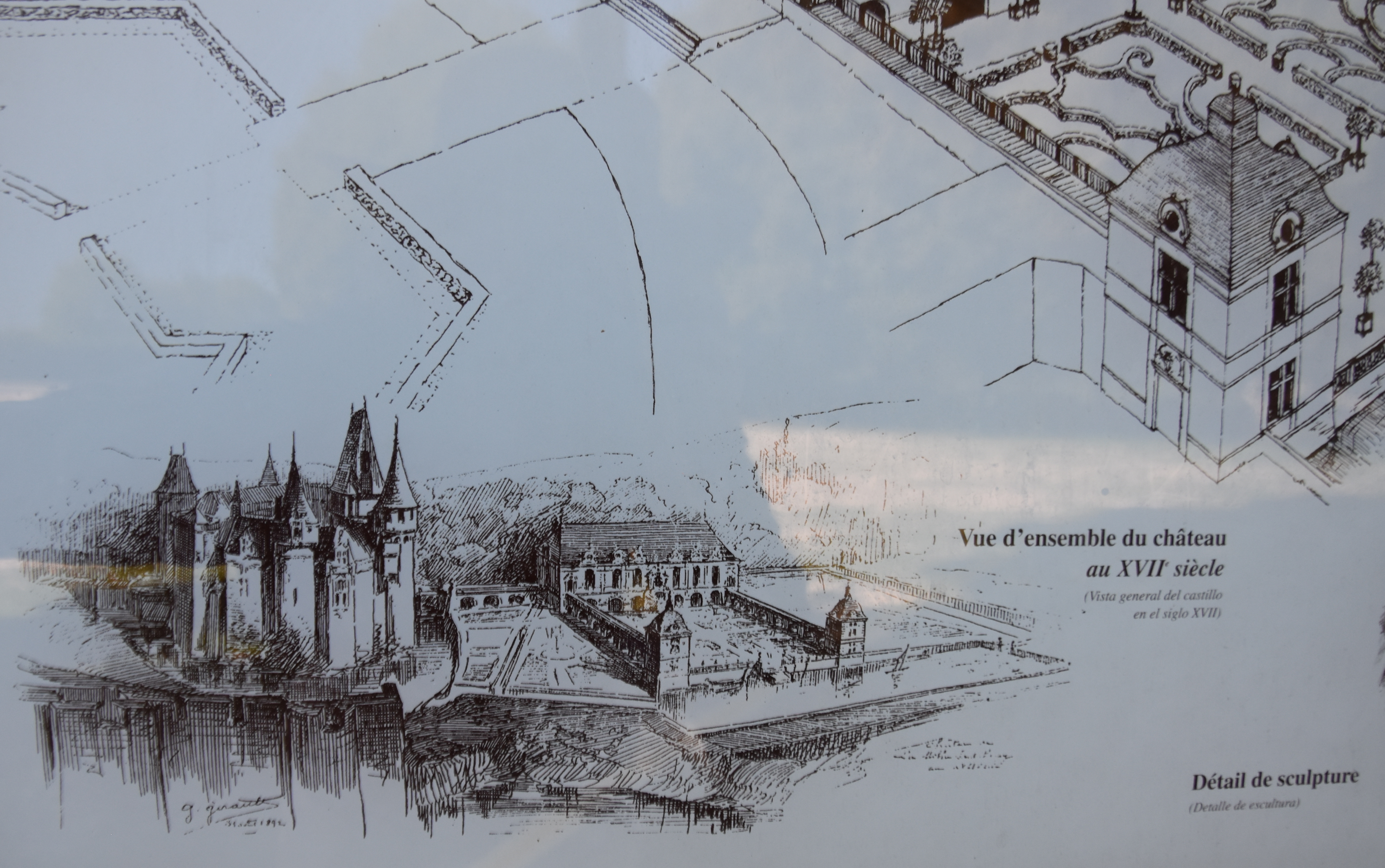
The next treat was the ruins of a medieval castle, now taken over by small holding and modest private residences.
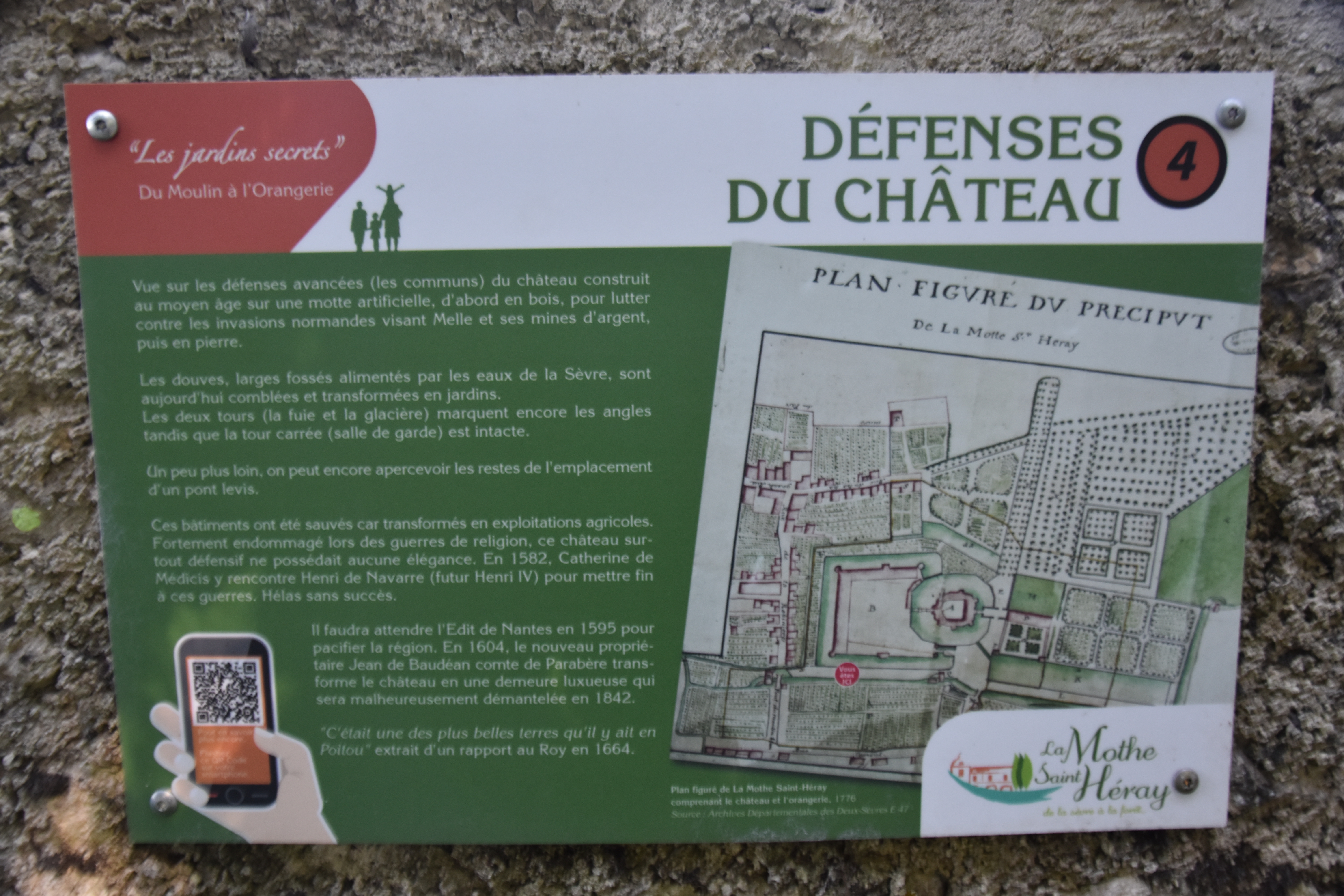
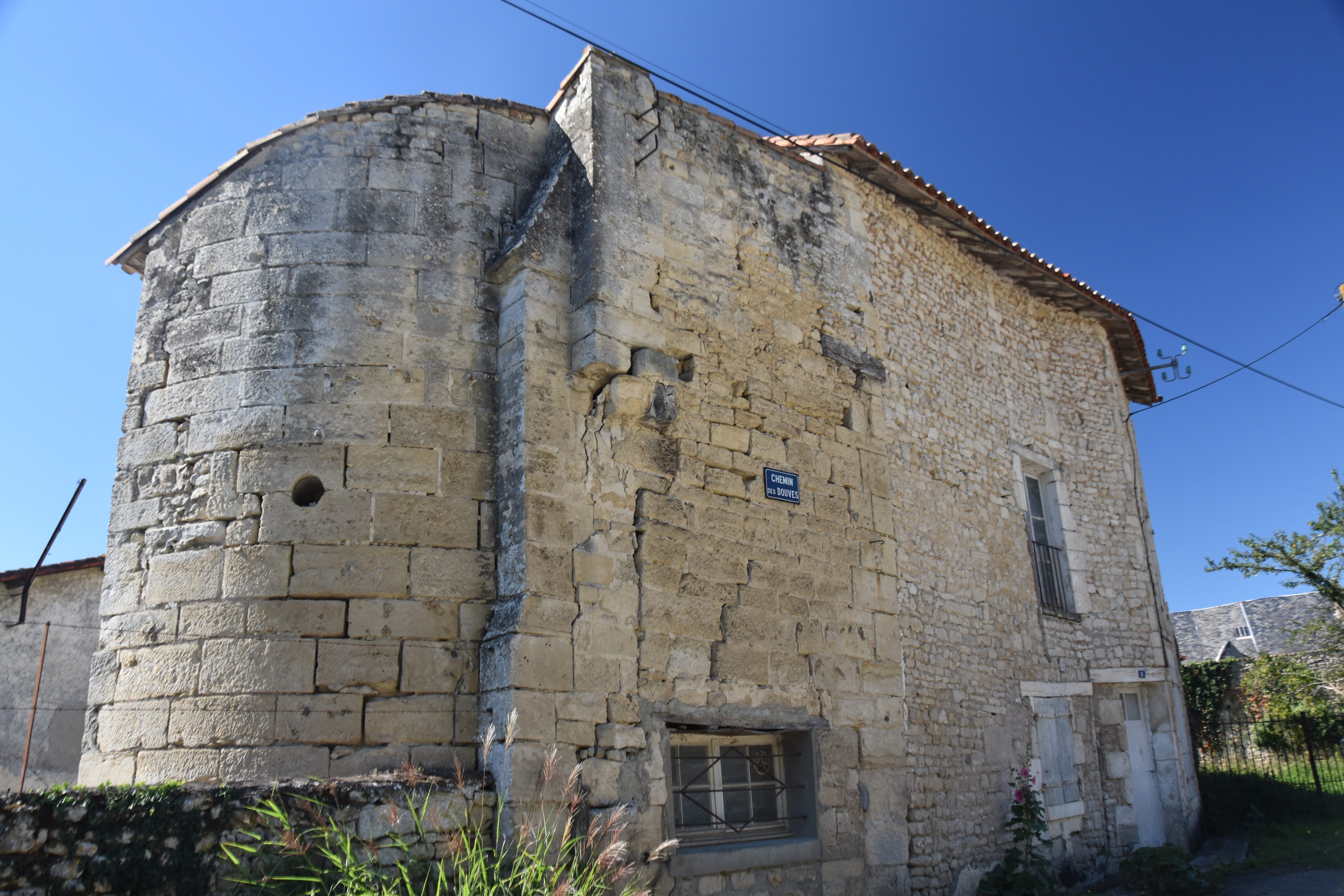
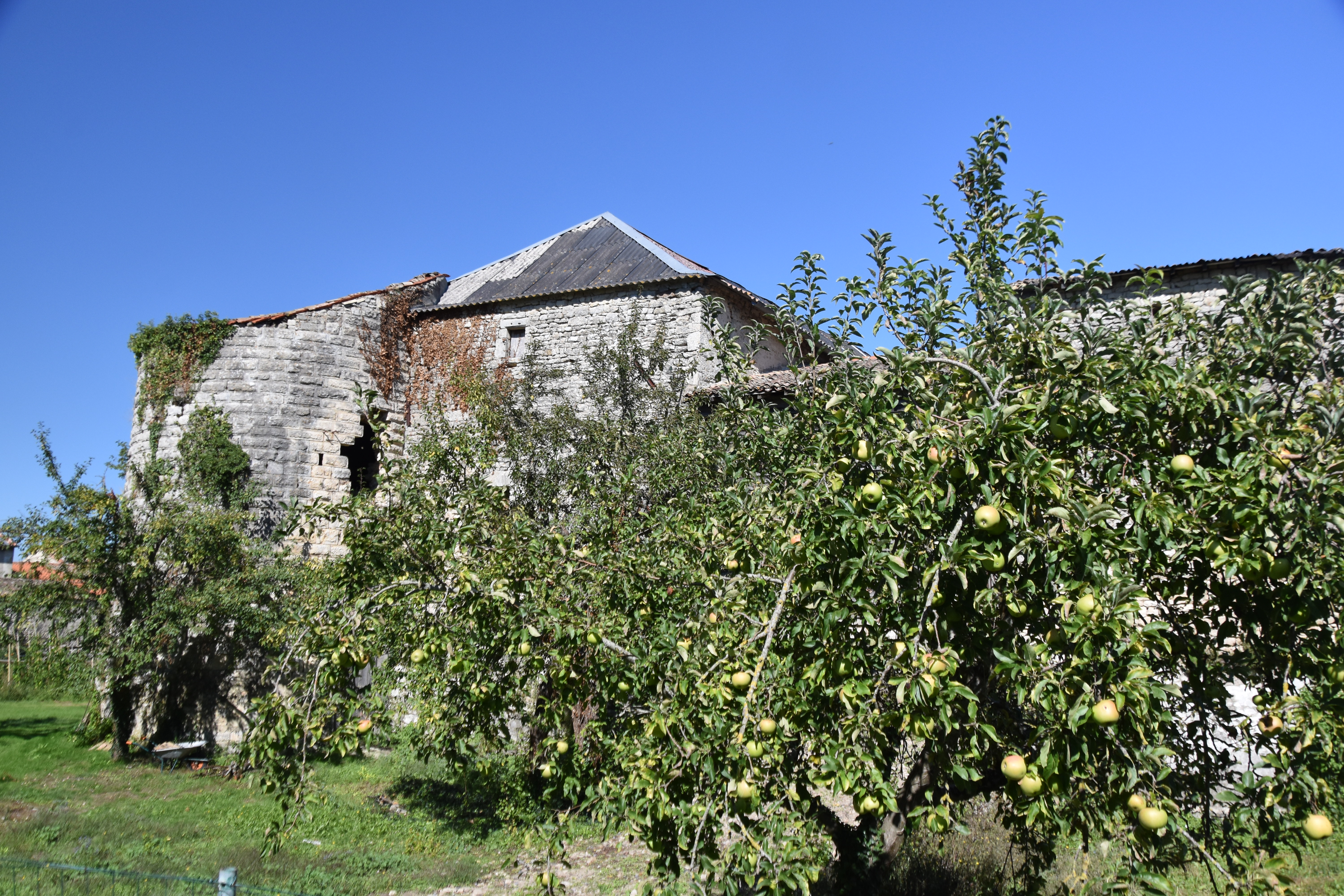
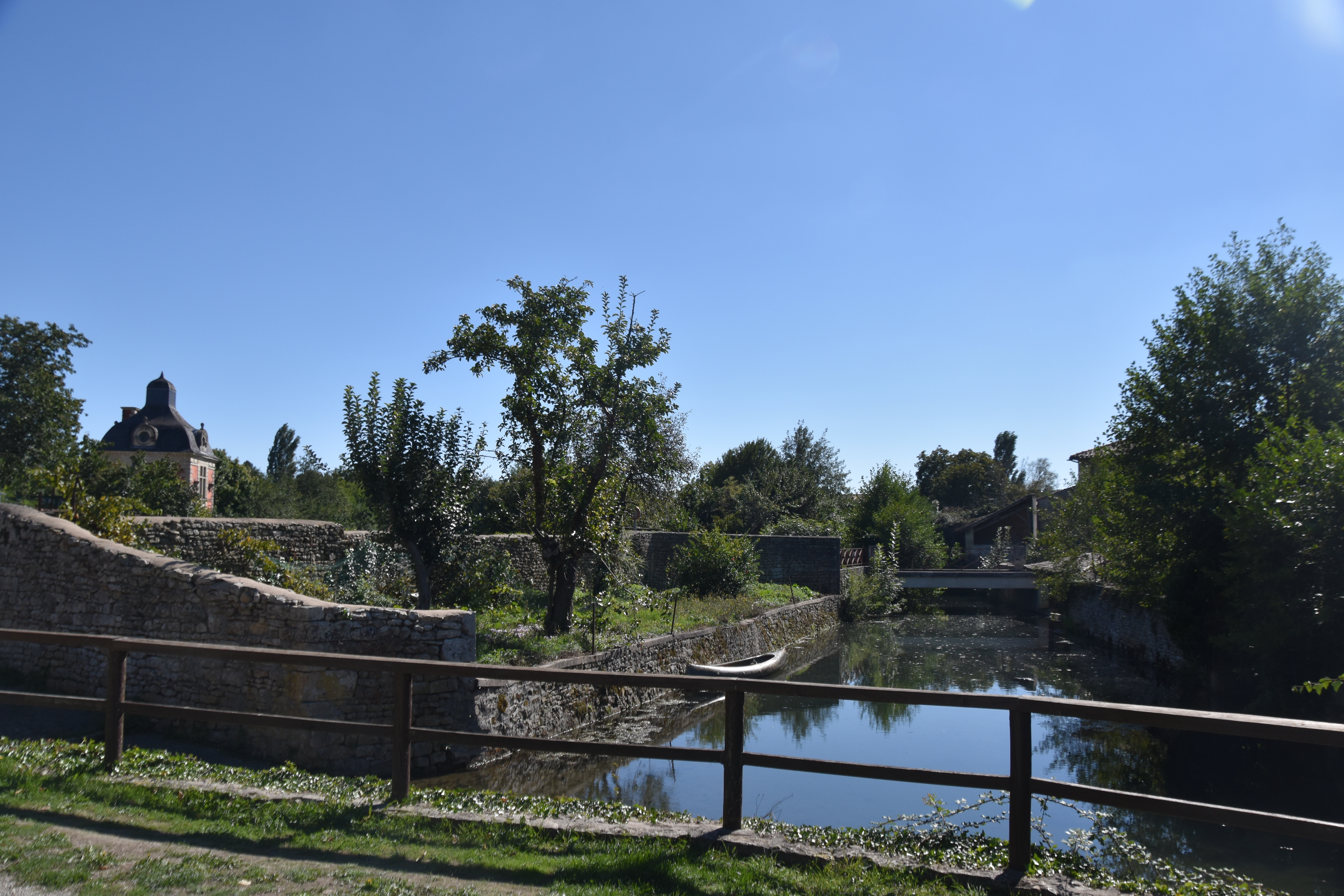
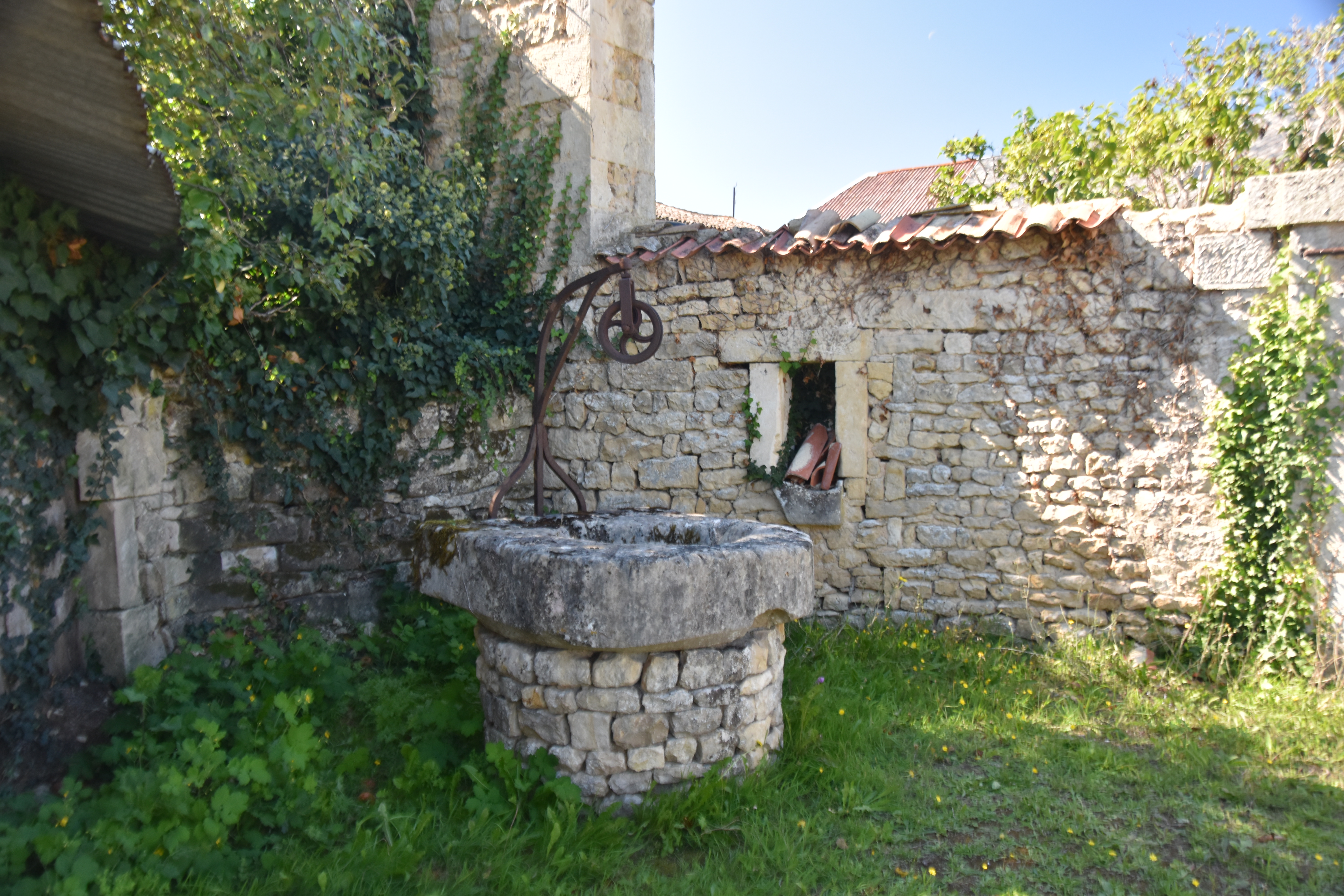
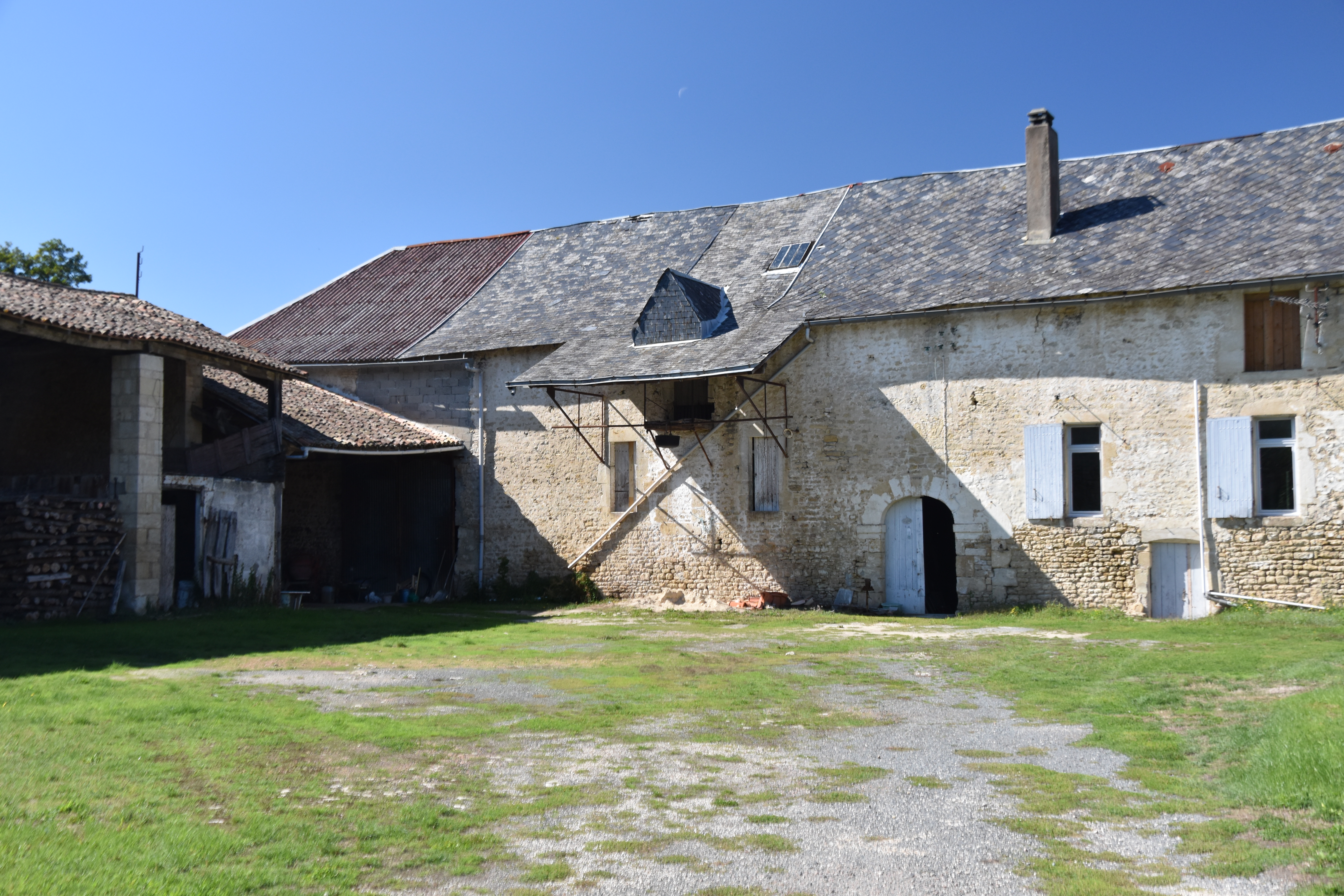
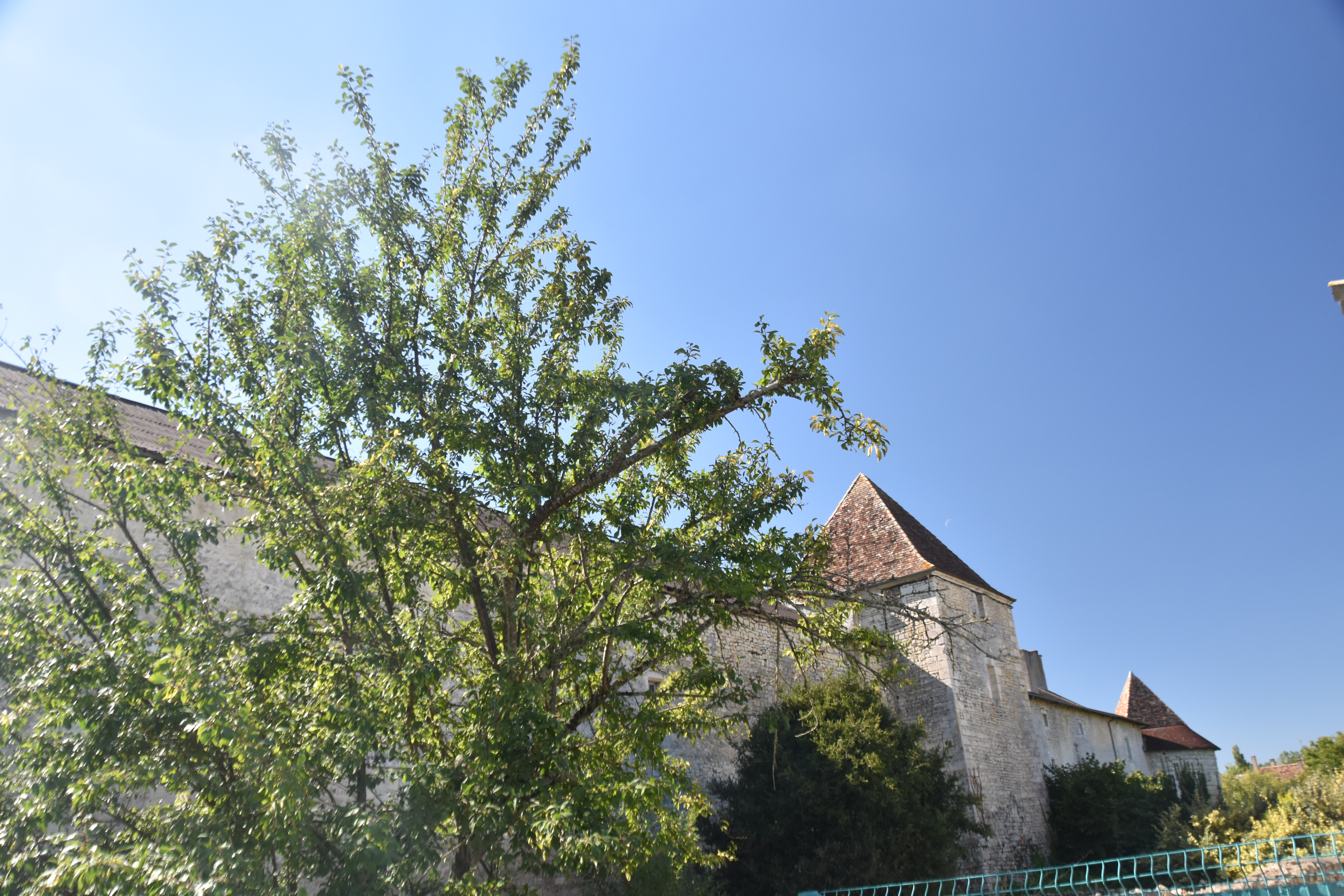
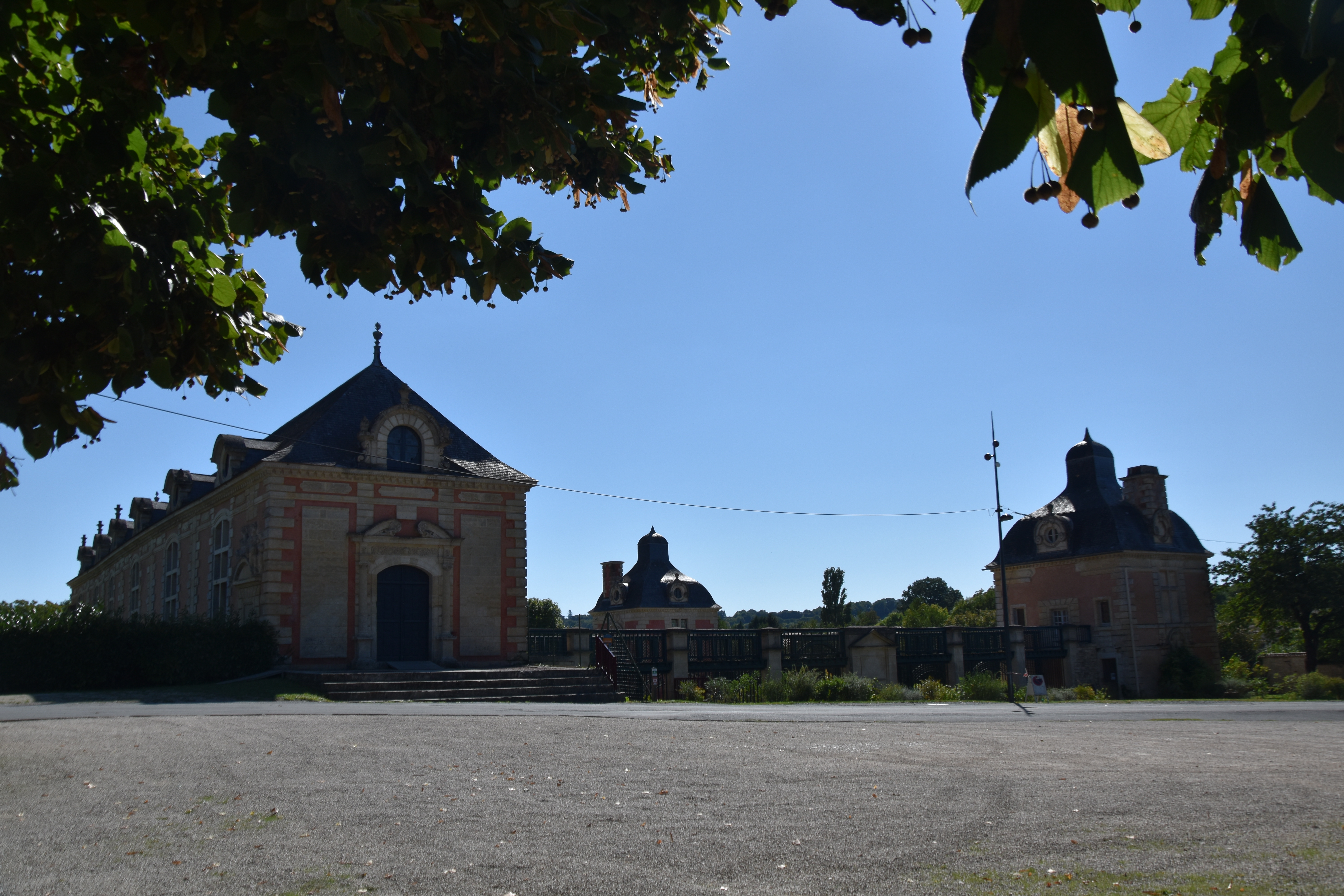
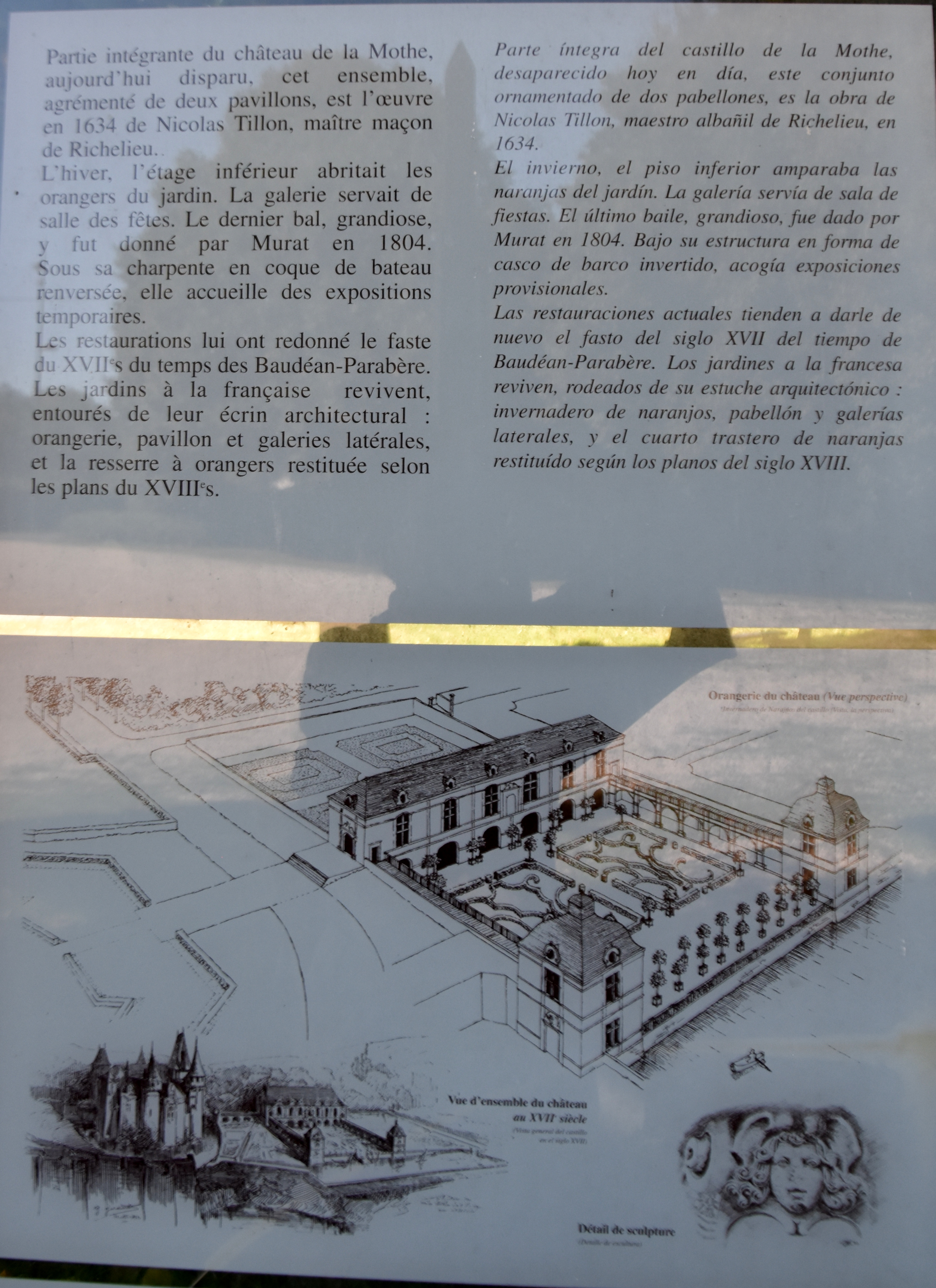
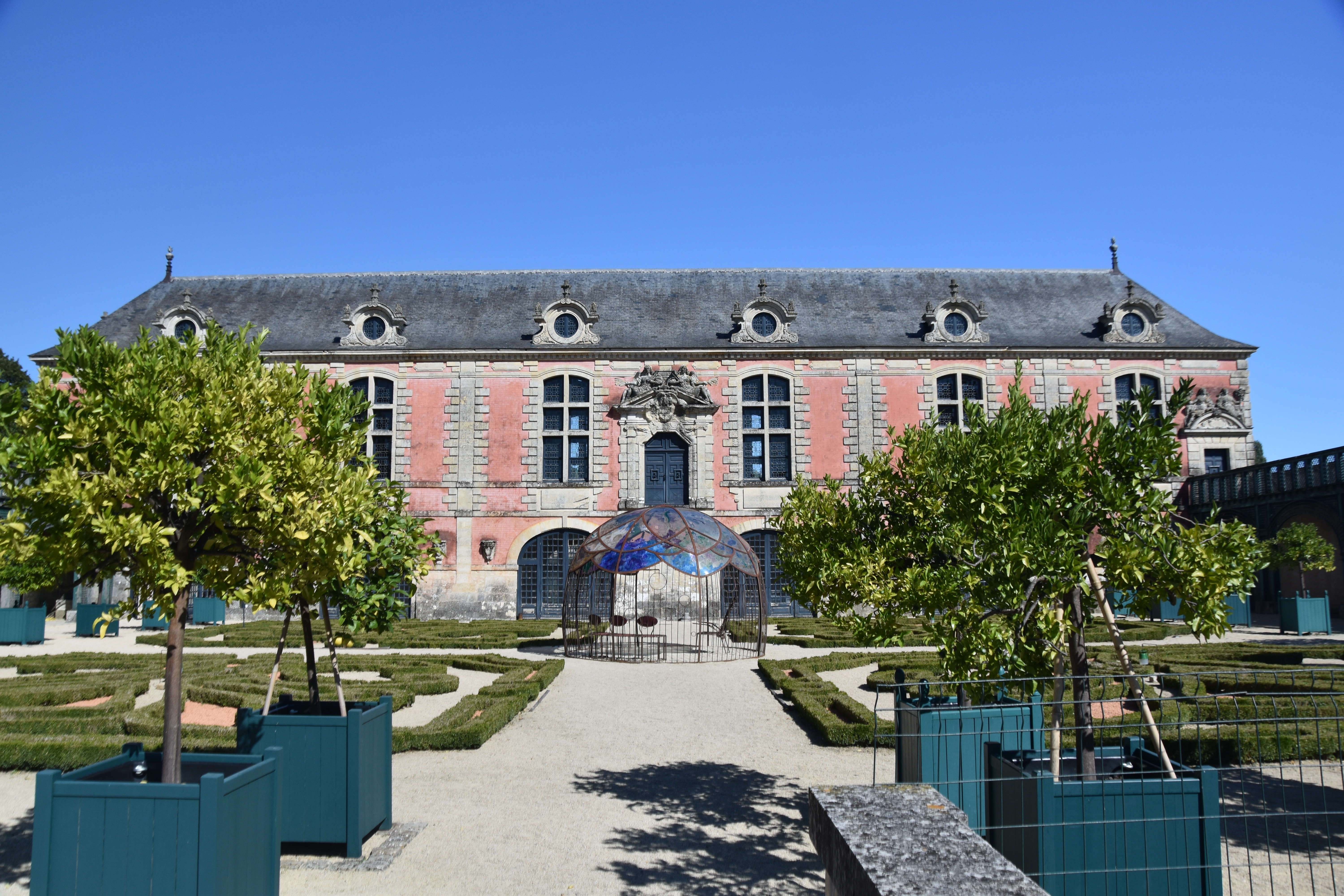
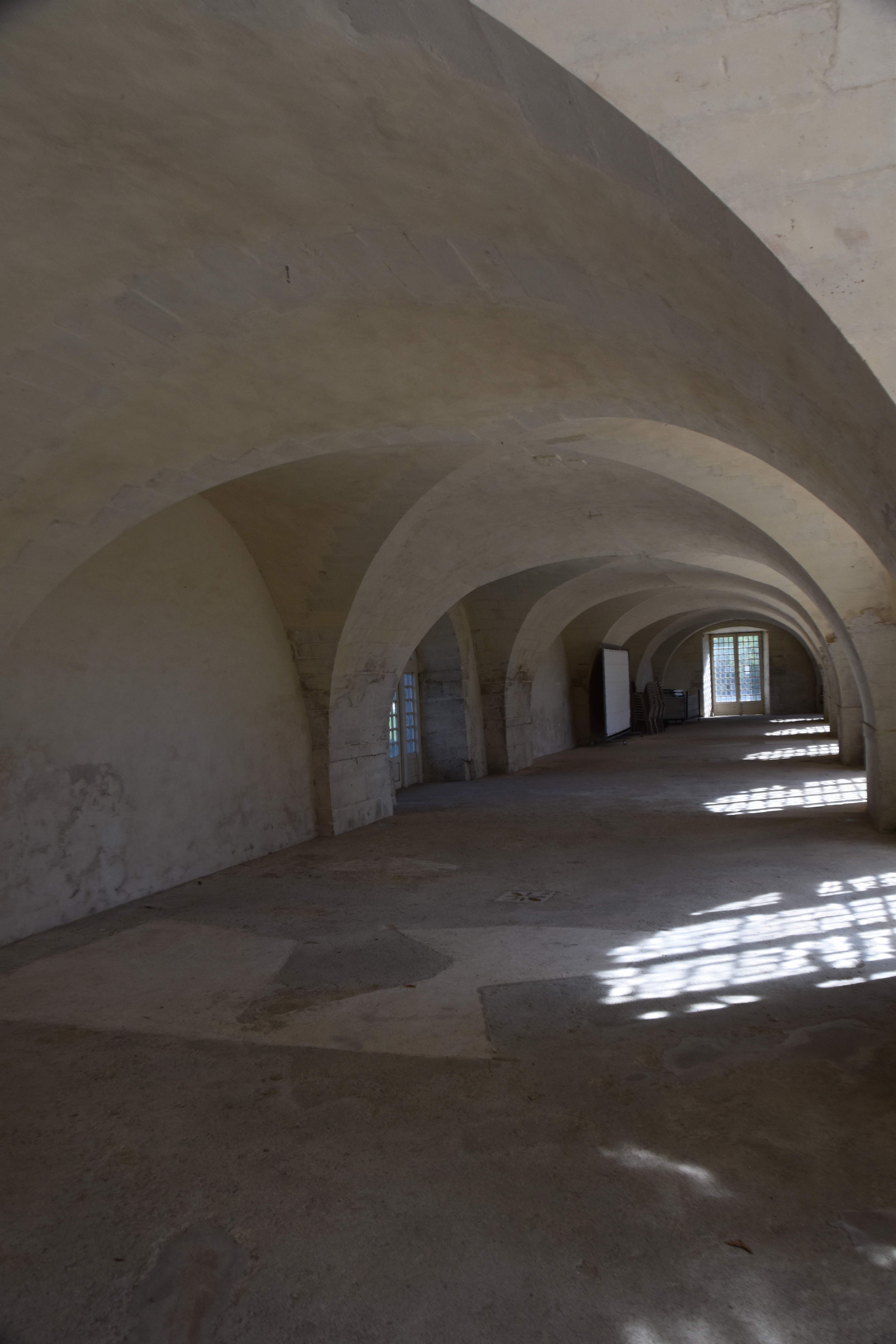
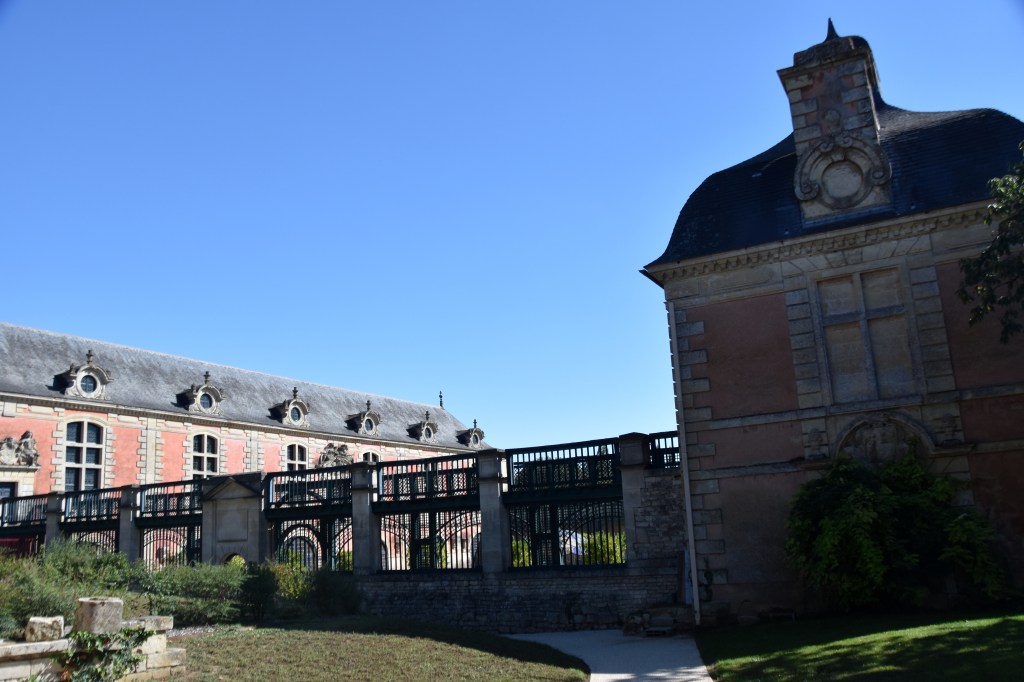
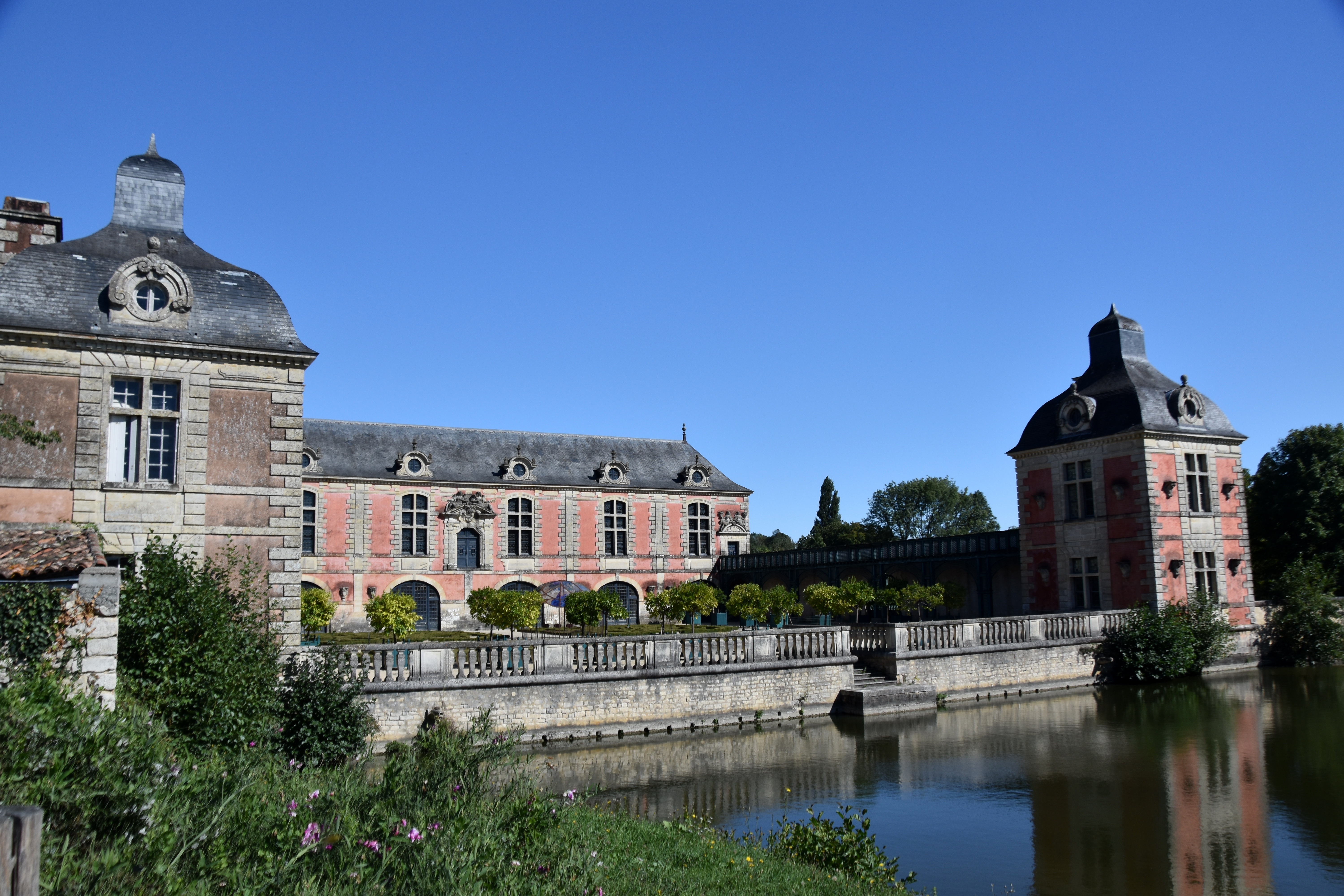
Just beyond an open green that had been part of the Castle grounds is the Orangry which is restored to its former C17th glory complete with citrus trees that are moved into the ground floor vaulted rooms for winter.




 capetocarpe